Sports, Exercise and Health Science: Where Movement Meets Science
From 2026, IB Sports, Exercise and Health Science (SEHS) continues to offer students a rigorous and contemporary scientific exploration of human health, physical activity and performance. The course is organised around three interconnected areas of study: exercise physiology and nutrition, biomechanics, and sports psychology and motor learning, with students encouraged to make meaningful connections across these domains.
Learning is grounded in authentic sporting and health contexts, such as analysing how energy systems contribute to sprinting and endurance performance, examining the biomechanics of technique and injury prevention in activities including swimming, athletics and team sports, or exploring how motivation, anxiety and feedback influence skill acquisition and performance.
A defining feature of the 2026 course is its emphasis on conceptual learning, requiring students to transfer understanding across topics and apply scientific principles to unfamiliar scenarios rather than rely on memorisation. This approach is embedded through the SEHS Internal Assessment, which is worth 24% of the final IB grade and requires students to design, conduct and evaluate an individual scientific investigation using primary data.
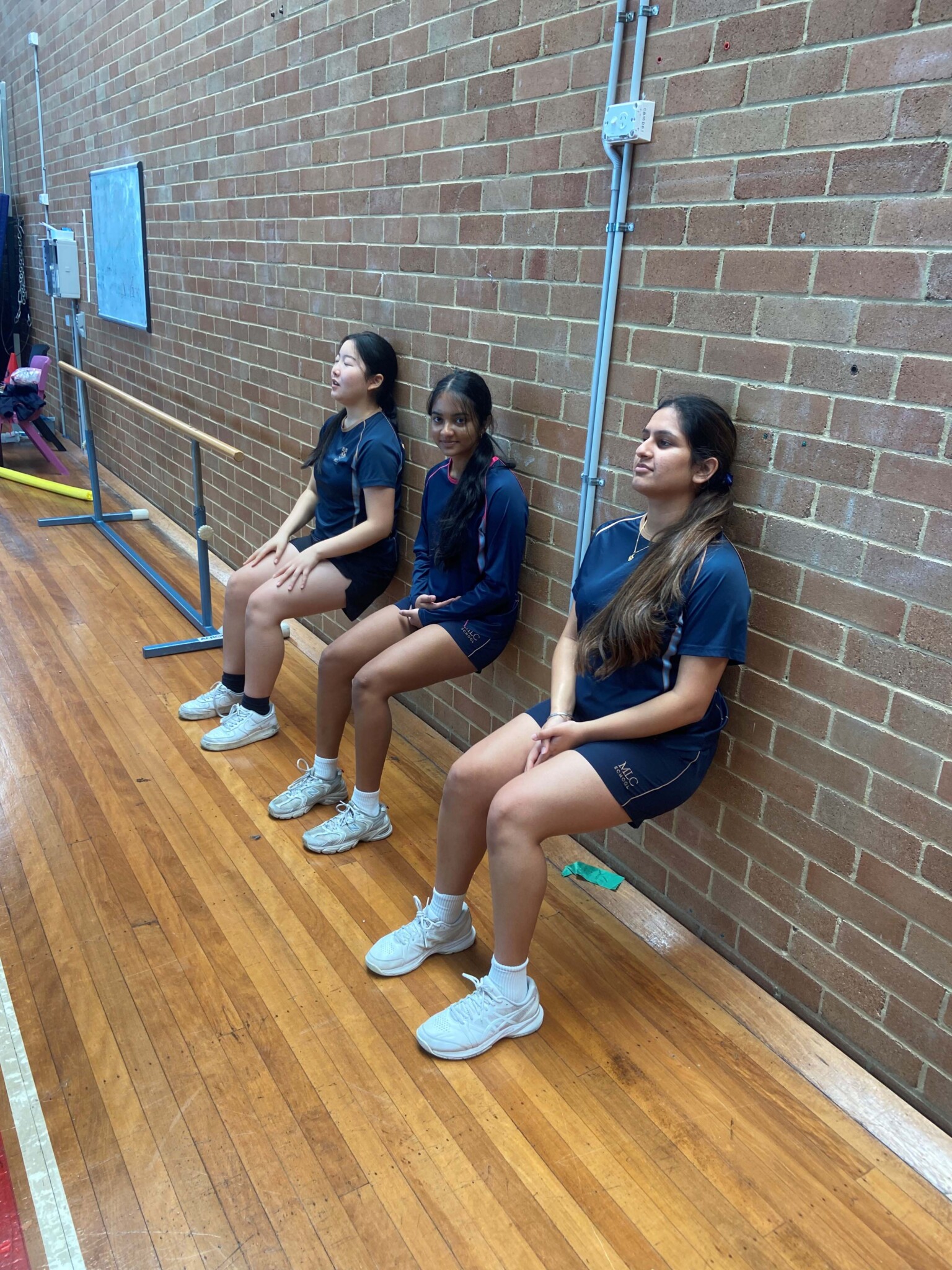
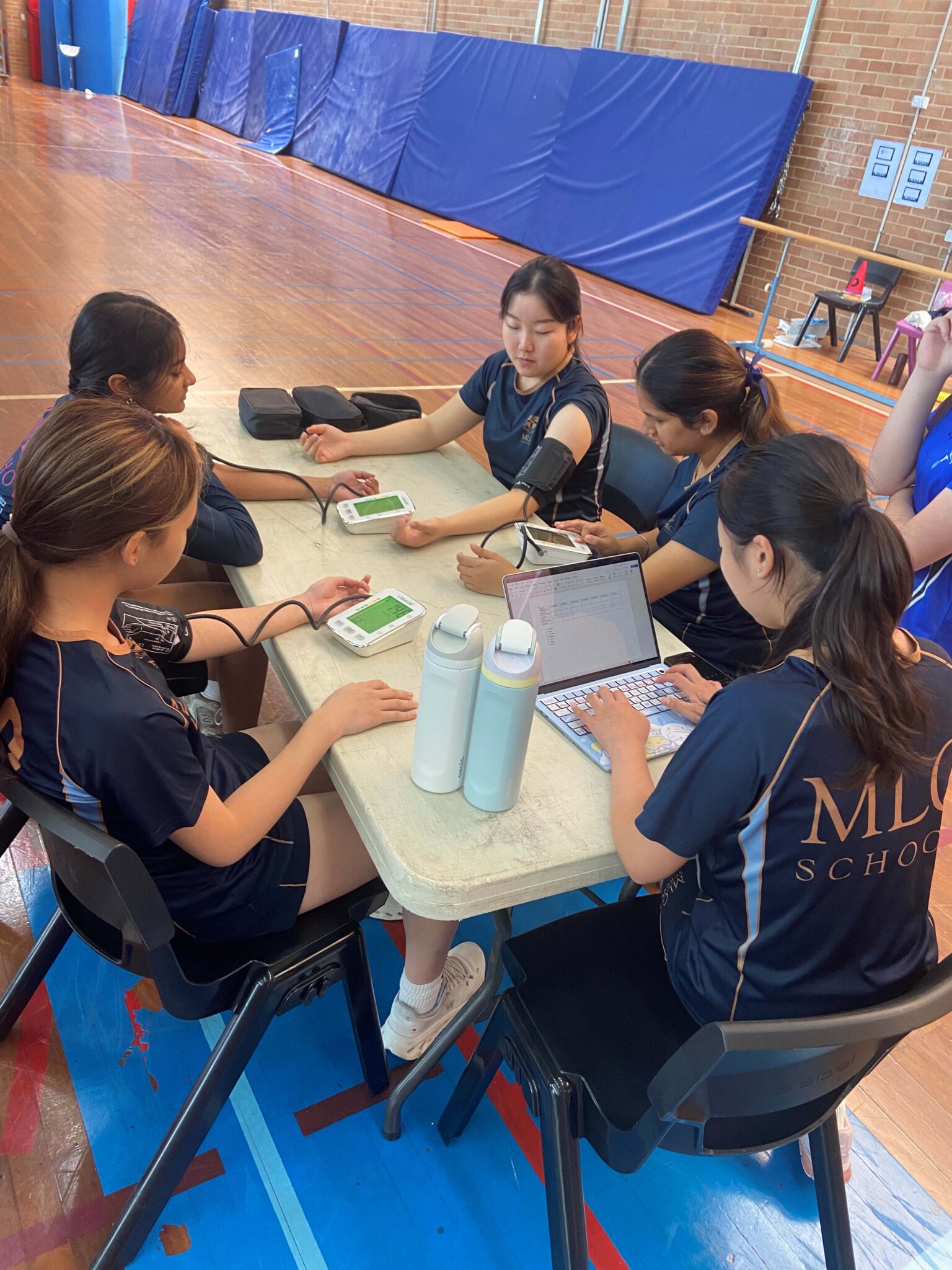
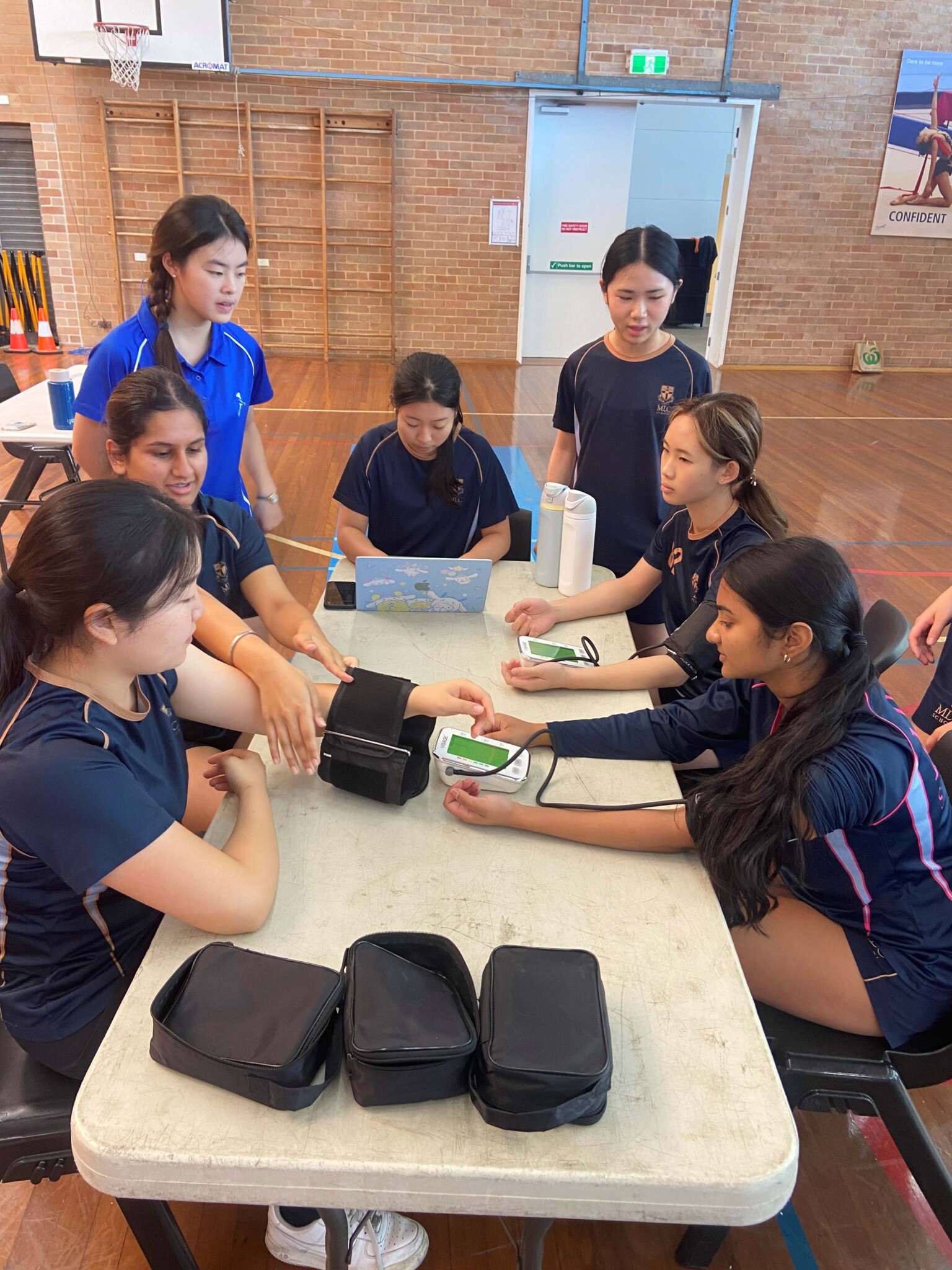
For Year 11 students, the Internal Assessment begins with an engaging and highly practical blood pressure investigation that brings the science of exercise to life. As part of the Year 11 SEHS Internal Assessment this year, students investigated changes in systolic blood pressure by comparing cardiovascular responses to static exercise (wall sits) and dynamic exercise (star jumps), enabling them to analyse recovery patterns and explain differences using physiological principles. Students explore how the cardiovascular system responds to different types of movement by comparing blood pressure changes during dynamic exercise, such as star jumps, and static exercise, including wall sits. Worth a significant proportion of the final assessment, this investigation allows students to experience the full scientific process – from preparing participants and collecting real physiological data to analysing trends and explaining outcomes using scientific reasoning. The task is active, collaborative and closely connected to real‑world health and performance, making it a highlight of the course and a powerful introduction to scientific inquiry in SEHS.
The current Year 12 cohort will be the first students in the southern hemisphere to sit the final examinations for this redeveloped course, marking an important milestone in the subject’s evolution. Through scientific inquiry and applied investigation, students develop practical laboratory and fieldwork skills, apply statistical analysis, and critically evaluate the quality and limitations of evidence.
SEHS is well suited to students with a curiosity about the human body, movement and wellbeing, as well as those who enjoy scientific thinking and problem solving. Students do not need to be highly skilled in sport to succeed, as the course focuses on scientific inquiry, data analysis and conceptual understanding rather than athletic performance.
As such, SEHS offers an academically rigorous and accessible science pathway that supports a wide range of learners and interests within the senior curriculum.
– Andrew Simos
Heads of House Coordinator
Click on image gallery for full size images.