Year 9 History Excursion – Anzac Memorial
On Wednesday 26 August, the two Year 9 History Classes visited the Anzac Memorial in Hyde Park. This excursion was a part of our ‘Australians at War: WW1’ unit, and aimed to deepen our understanding of the experiences of Anzacs during the war.
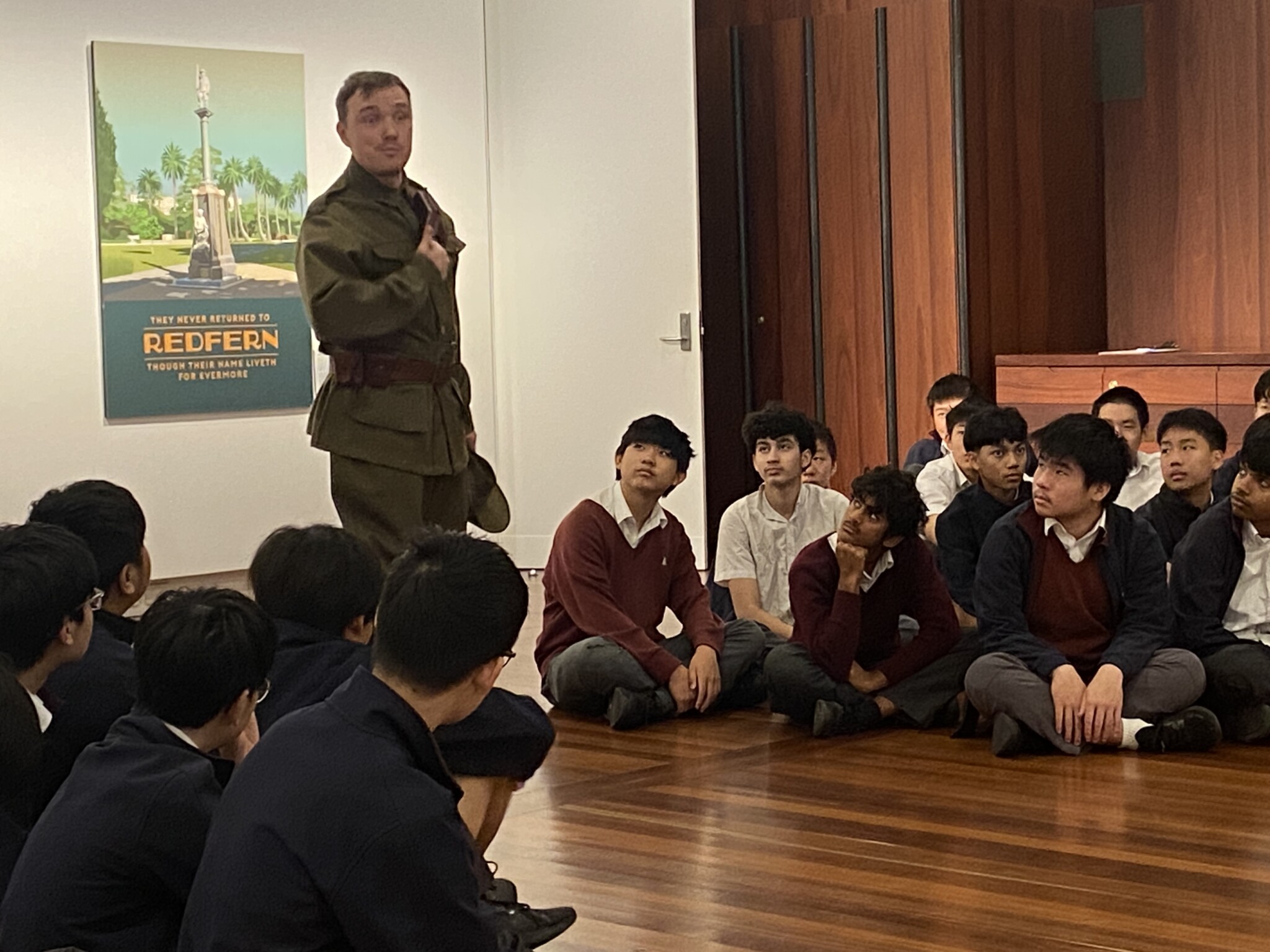
We first watched a performance about a fictional soldier from a country town, who lied about his age in order to go to war with his father. This was a common occurrence during WW1. This gave us an understanding of the societal pressure, and personal struggles faced by soldiers daily, such as the deaths of friends, family and close ones.
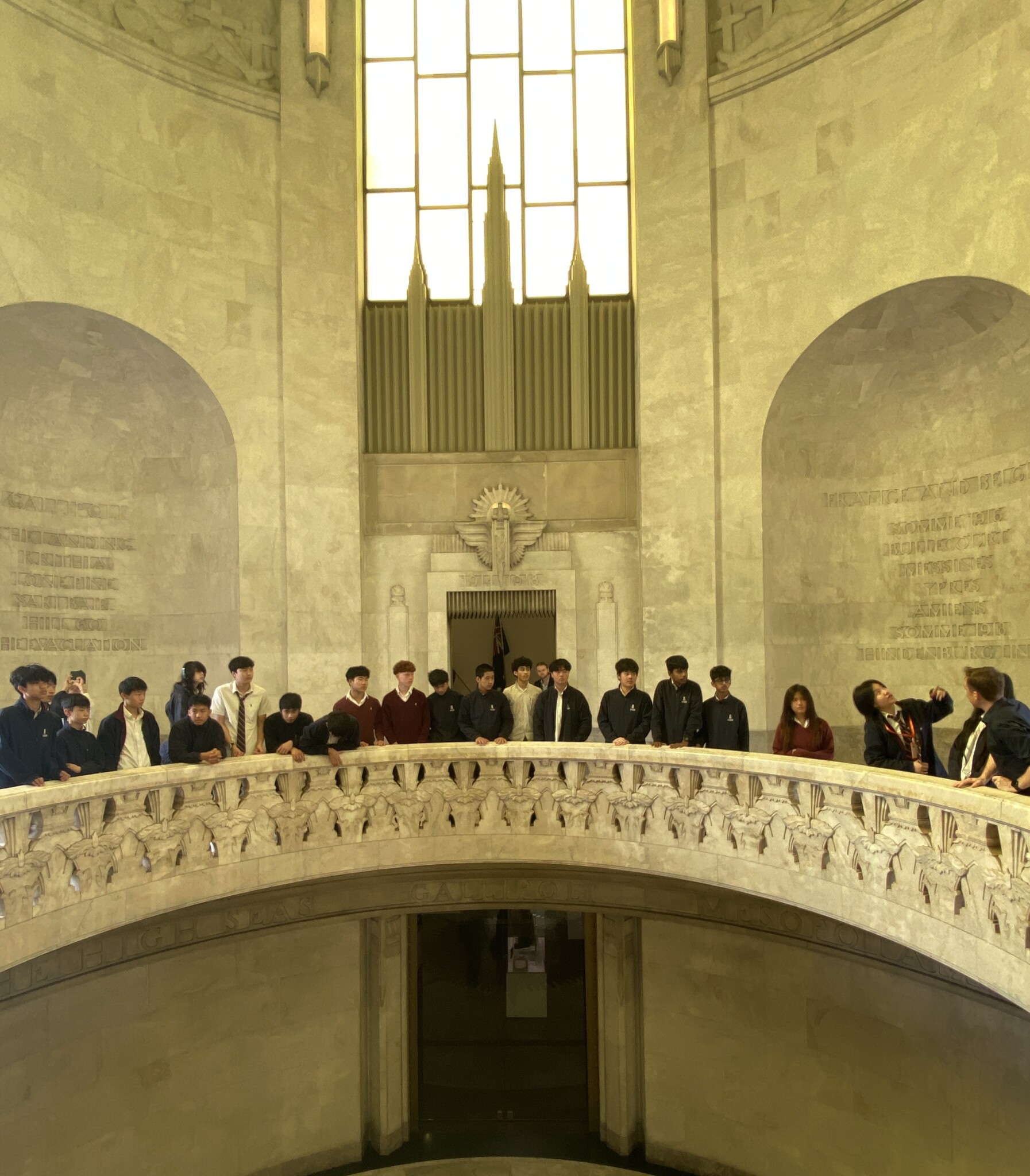
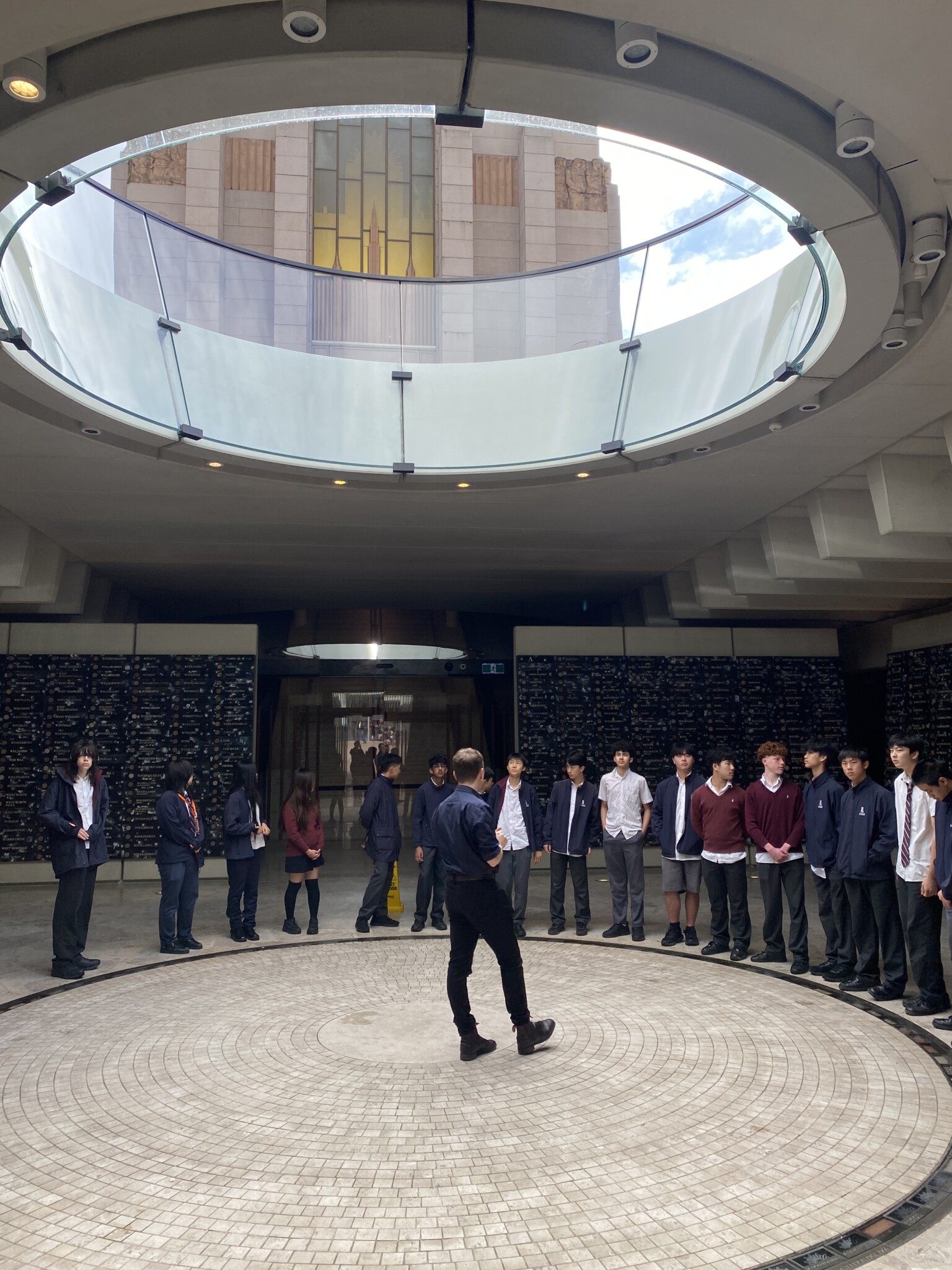
We were then taken on guided tours around the building, visiting the Hall of Silence, Hall of Memory, and the exterior of the memorial. 9HIS2 was also able to take part in the daily star ceremony, in which each student released a paper star with the name and service details of an Anzac soldier who sacrificed themselves for someone into the Well of Contemplation, the collected stars are cremated, and the ashes of the stars carried on pilgrimages undertaken by history students to the battlefields on which Australians have fallen. Both classes participated in the 1 minute of silence at 11am to honour all who died or suffered in service.
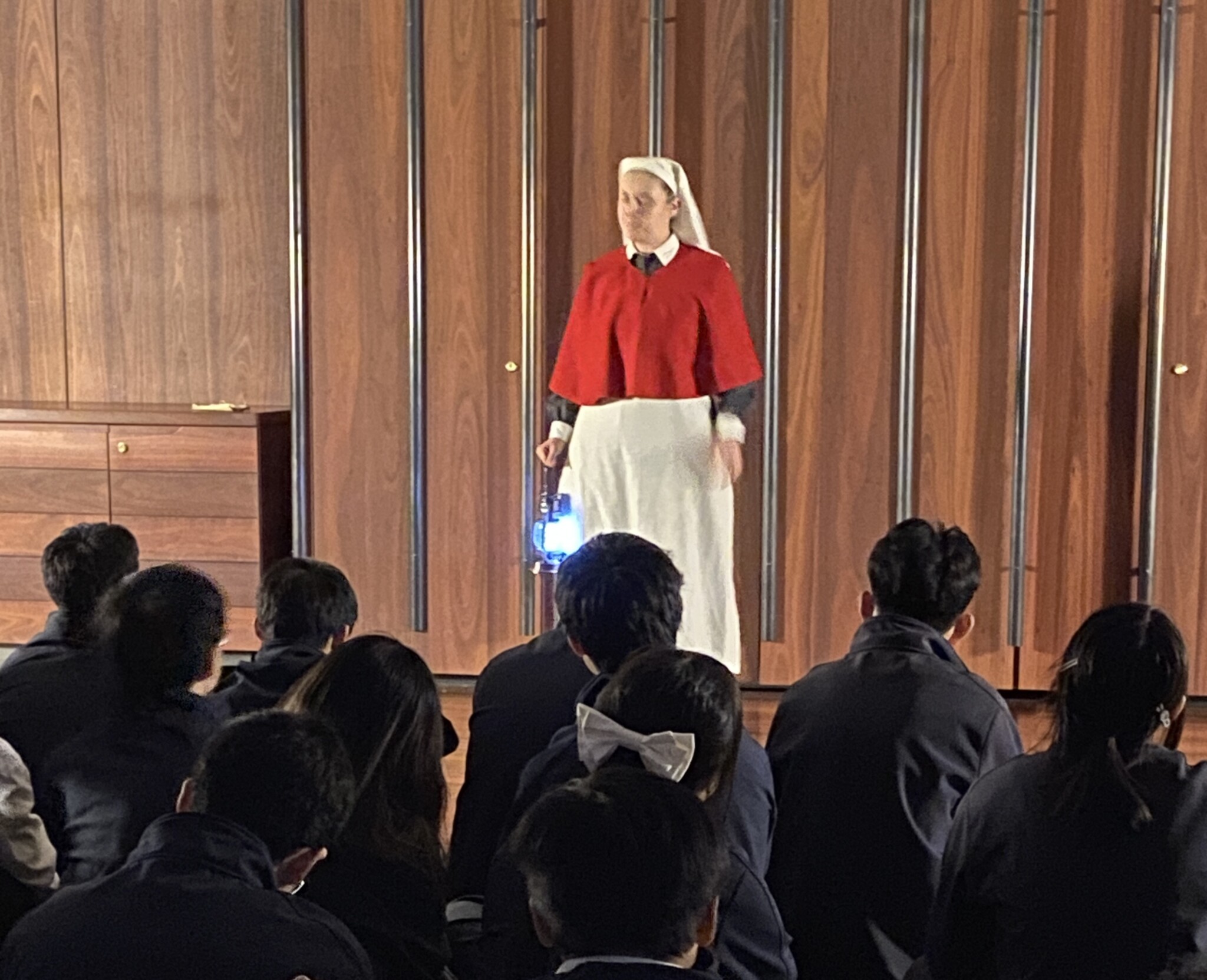
After lunch in Hyde Park, we returned to the memorial to watch a second performance. This time it was a verbatim, meaning every word spoken was directly from a primary source such as letters sent by the nurses back home; in which the actress switched between the roles of four nurses who served overseas during the war. We learnt about their efforts, such as providing emotional comfort to soldiers, and their struggles, including not being able to return home until a year after the war’s end.
We then learned more about one of the nurses Alice Cashin, who showed a lot of courage by saving many lives before saving her own which awarded her the Red Cross award, and we got to look around the museum where there was more information about WW1 such as the weapons, technology and uniforms. Finally there was an activity which was to engage with either poems written by the soldiers while in hospital or records of soldiers’ injuries, then writing a letter home to a soldier’s family as if we were a nurse on duty on the front.
Overall, this excursion was a valuable and memorable experience, giving us meaningful insight into the personal experiences and challenges of the Anzacs.
By Terence, 9HIS2