Year 10 Global Connections Model UN: Stepping into Global Diplomacy
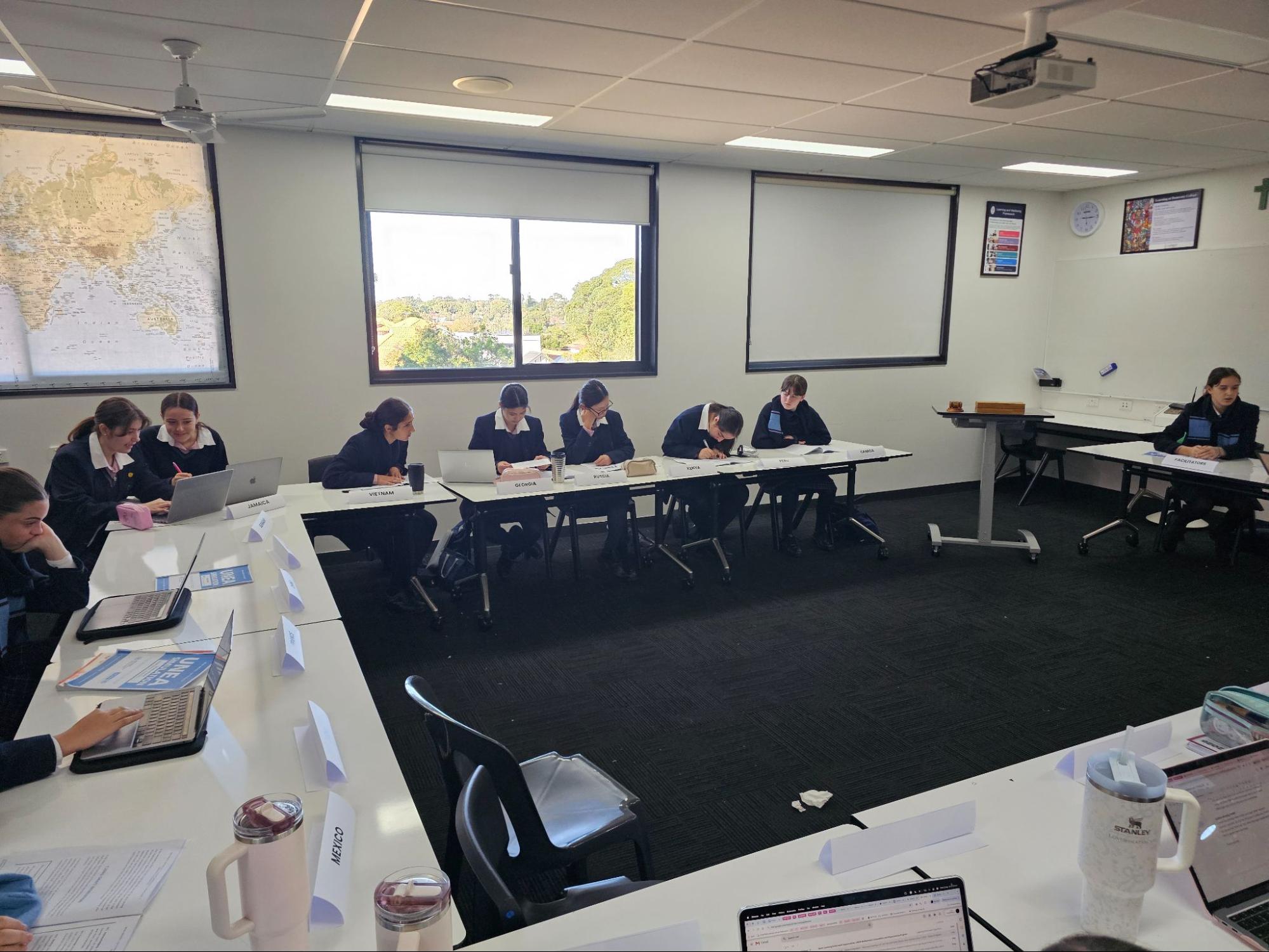
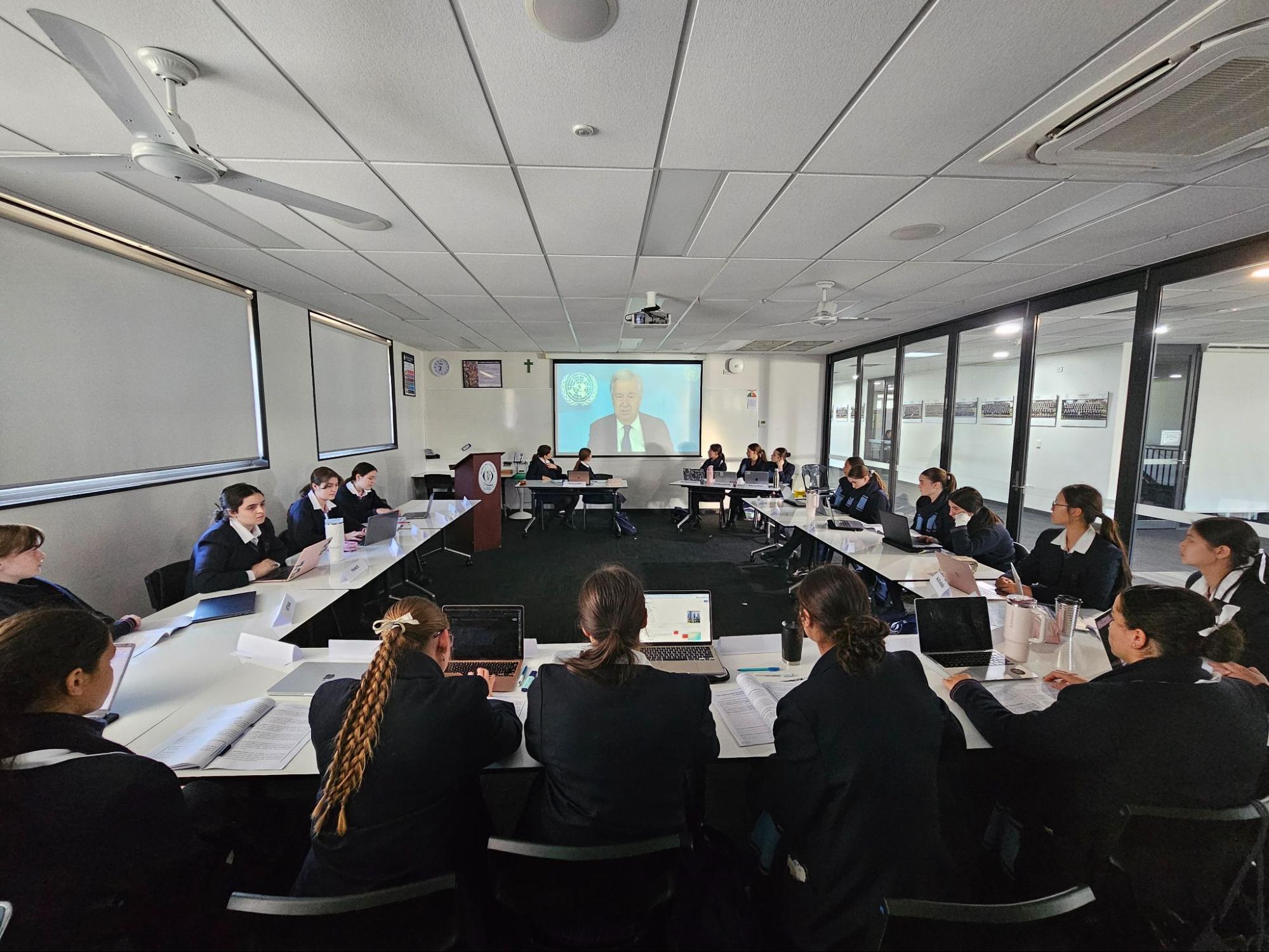
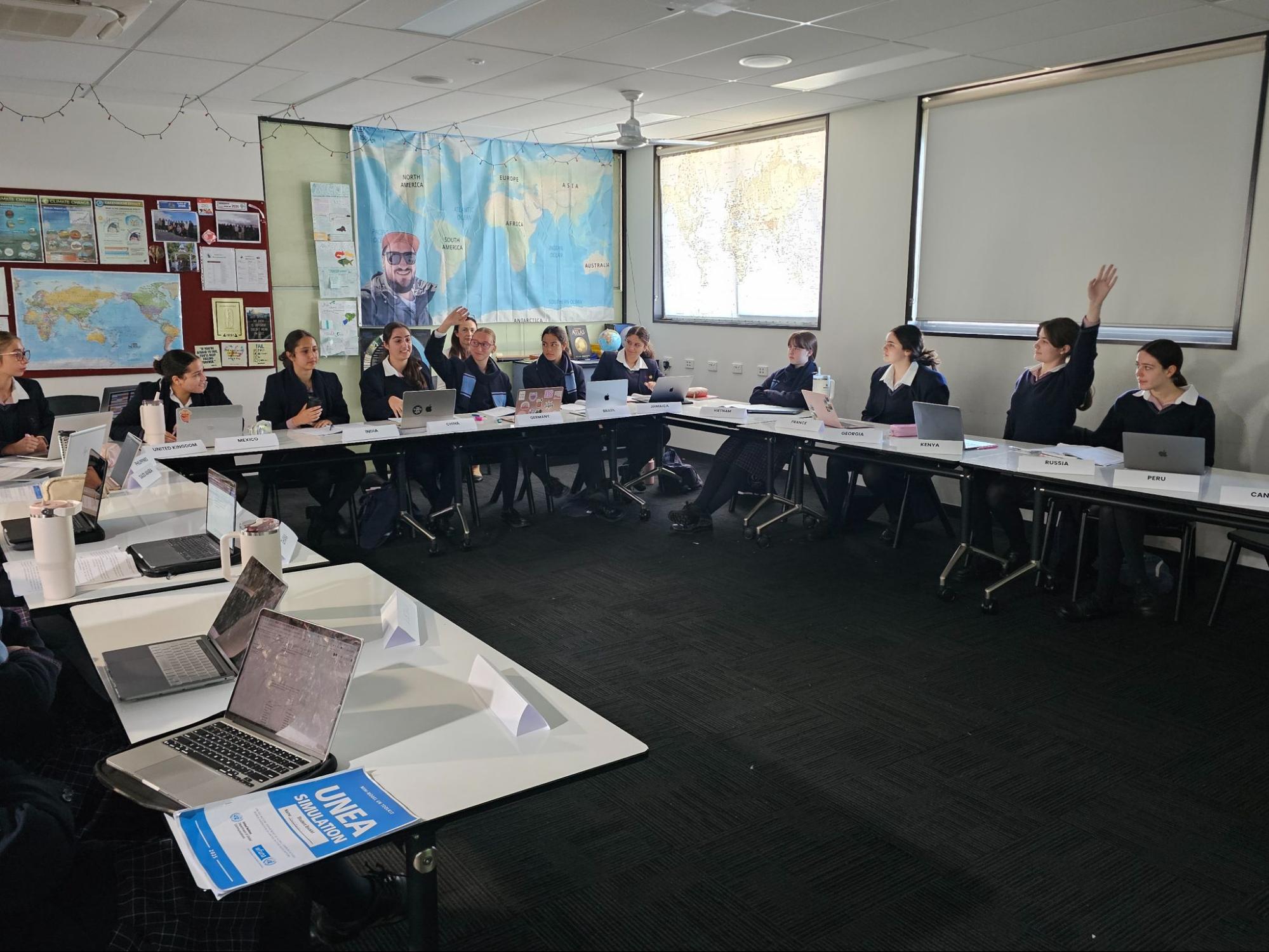
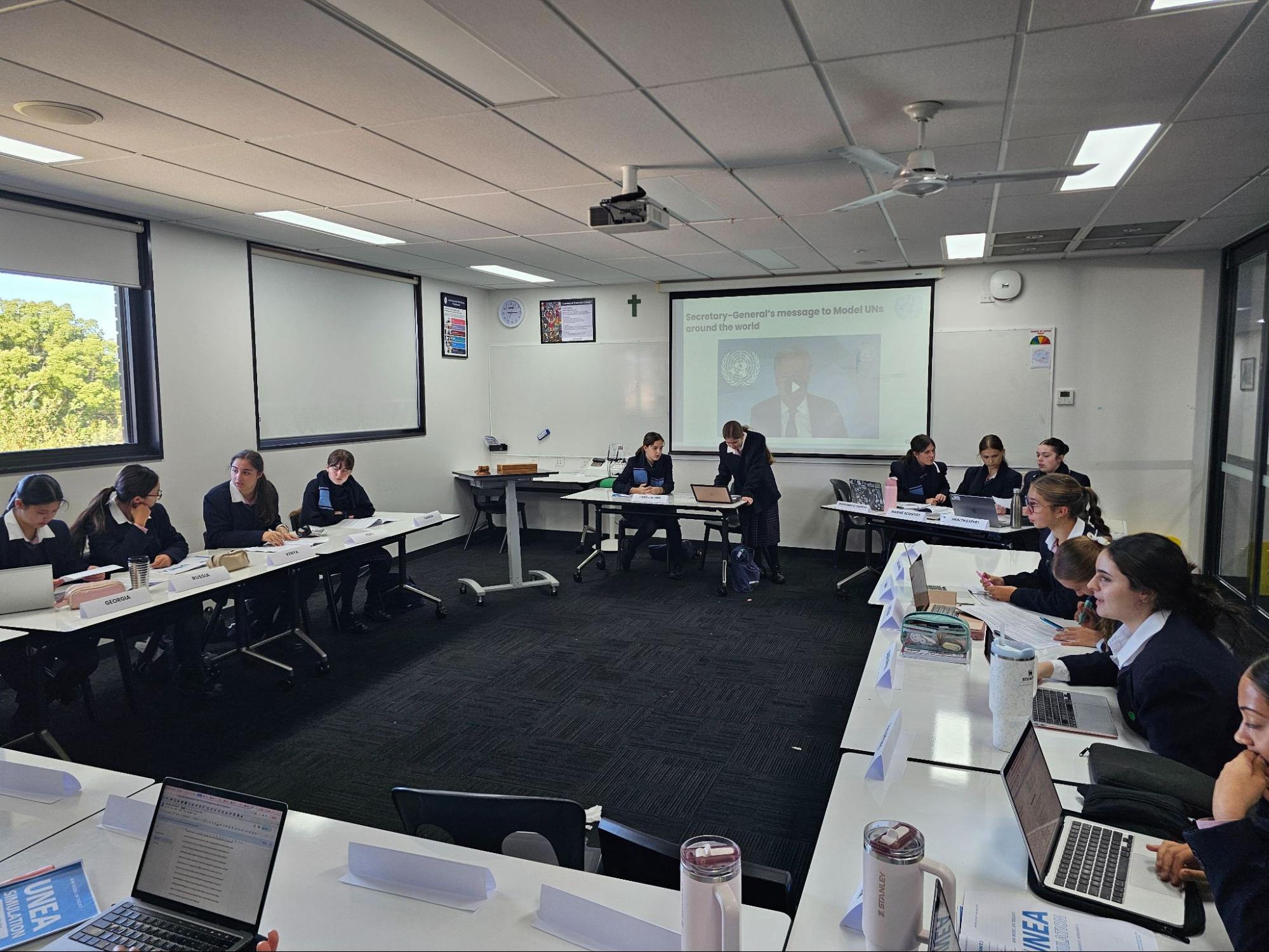
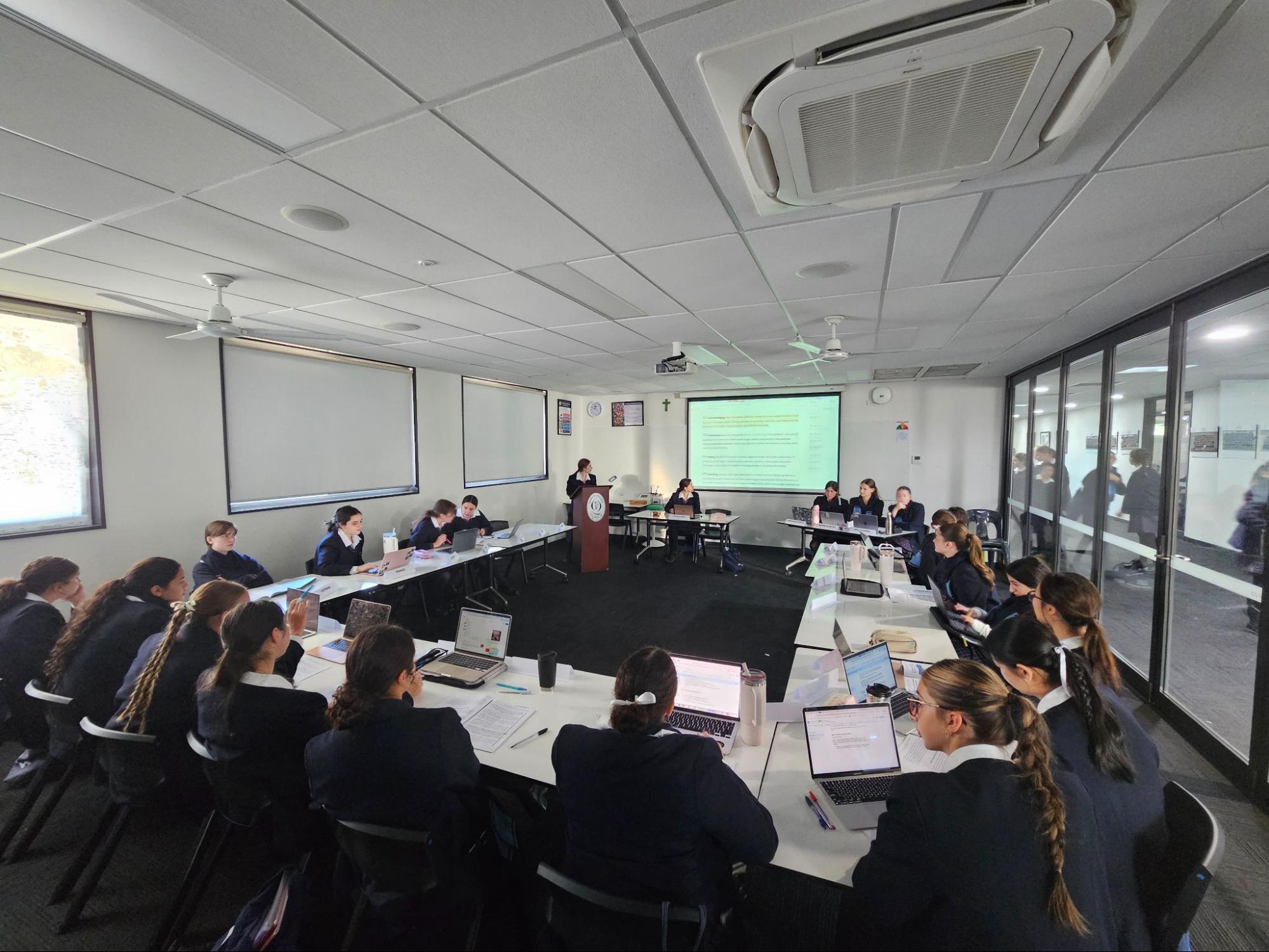
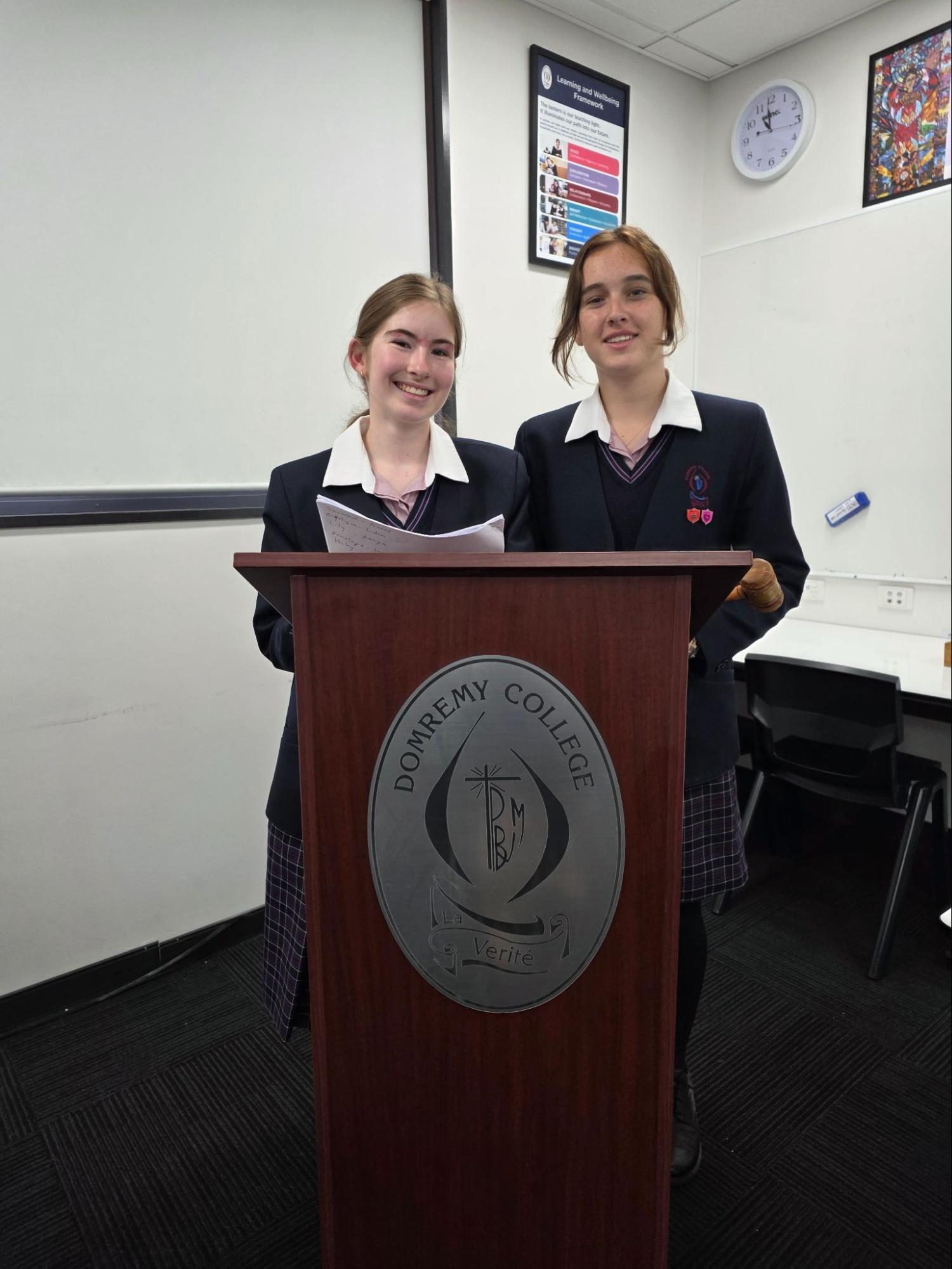
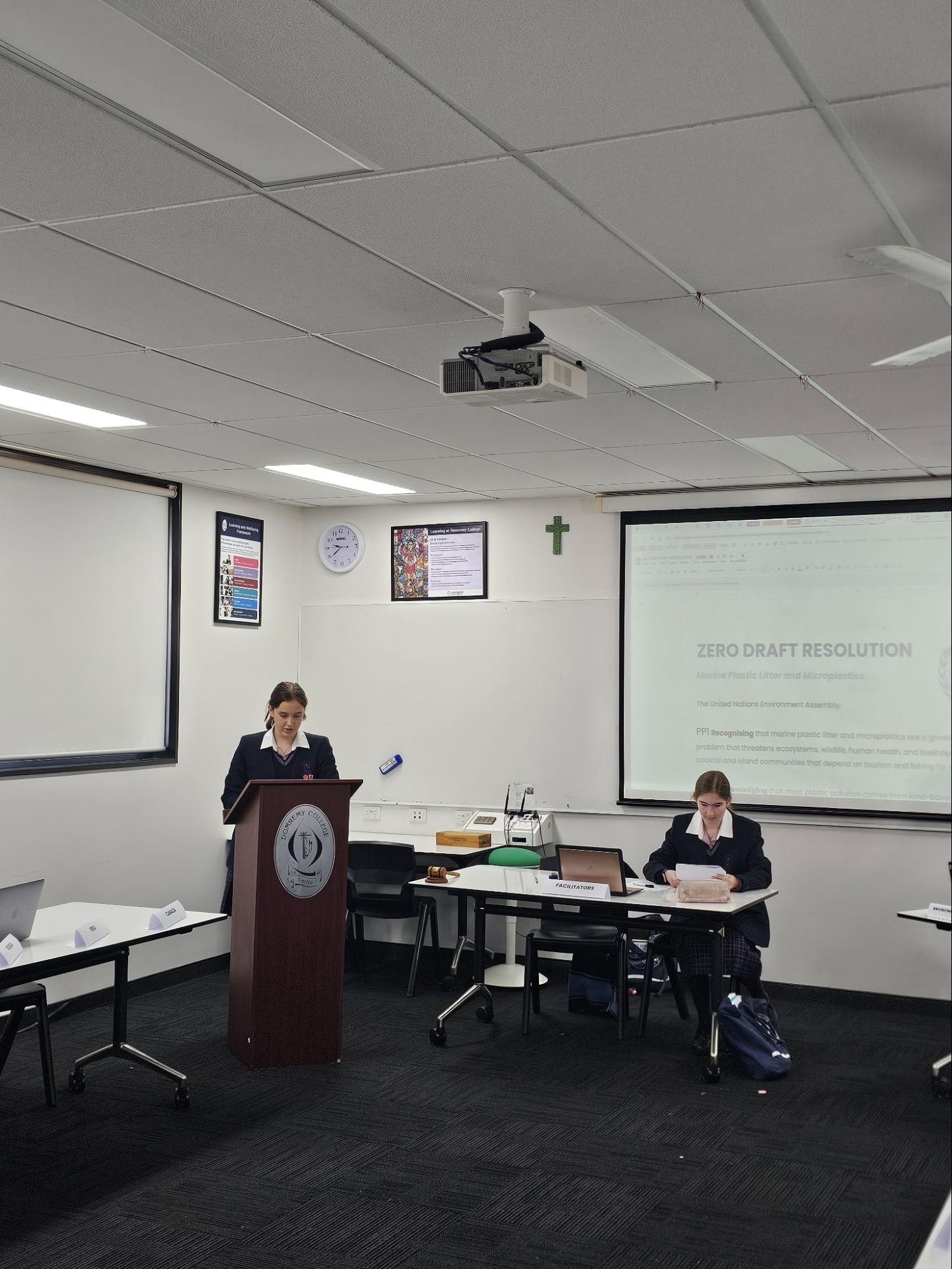
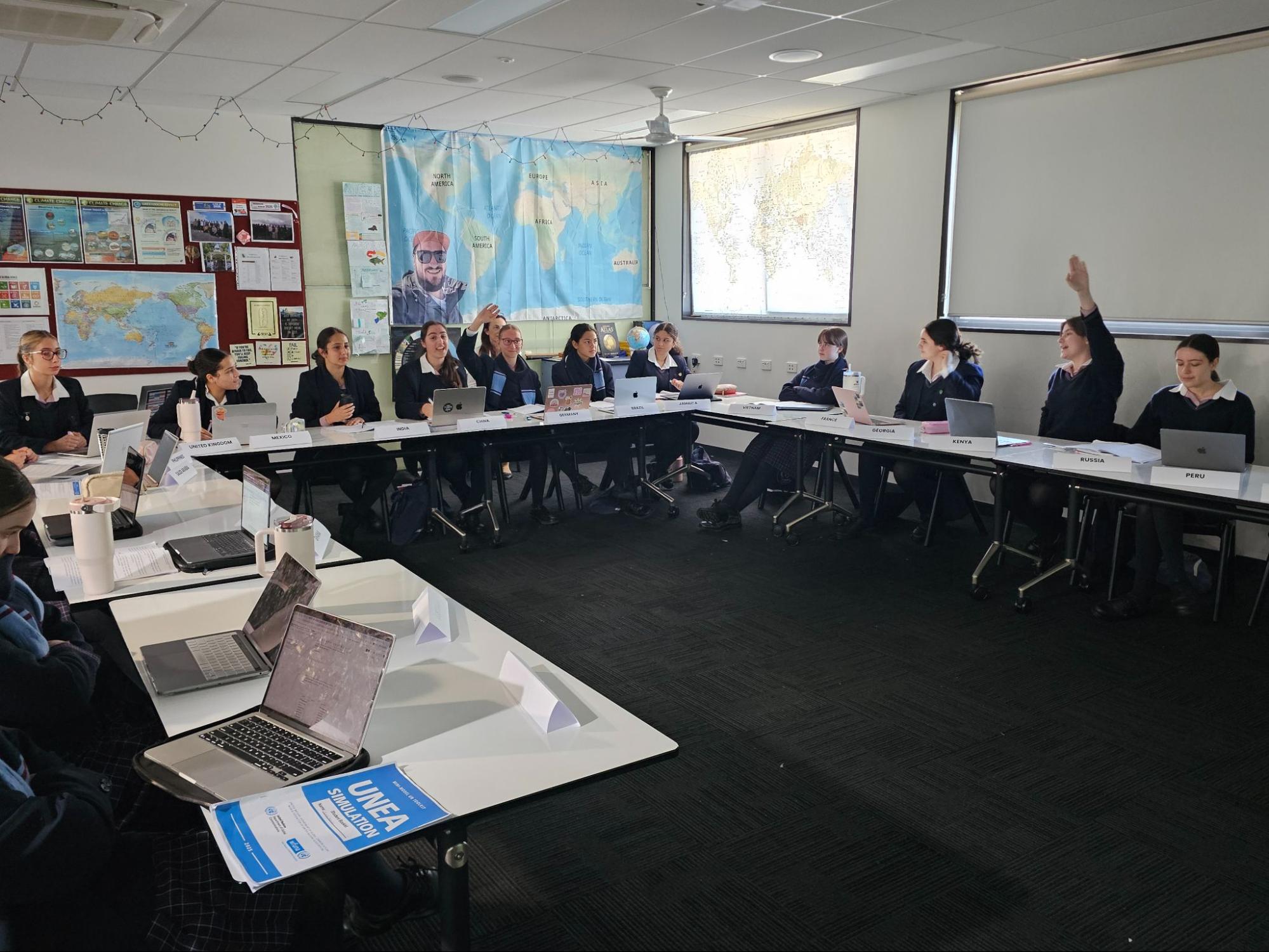
This term, Year 10 Global Connections students took part in a highly engaging Model United Nations (Model UN) simulation as the culminating experience for their Geopolitics and the Media unit. This was a fantastic opportunity for students to bring together the concepts they had explored throughout the term and apply them in a practical, authentic and highly interactive way.
Across the unit, students examined a range of contemporary global issues including sovereignty, territorial disputes, migration, media influence, international cooperation and the ways power is exercised by countries around the world. The Model UN simulation challenged students to move beyond learning about these ideas in theory and instead experience what it might be like to navigate them as world leaders and diplomats.
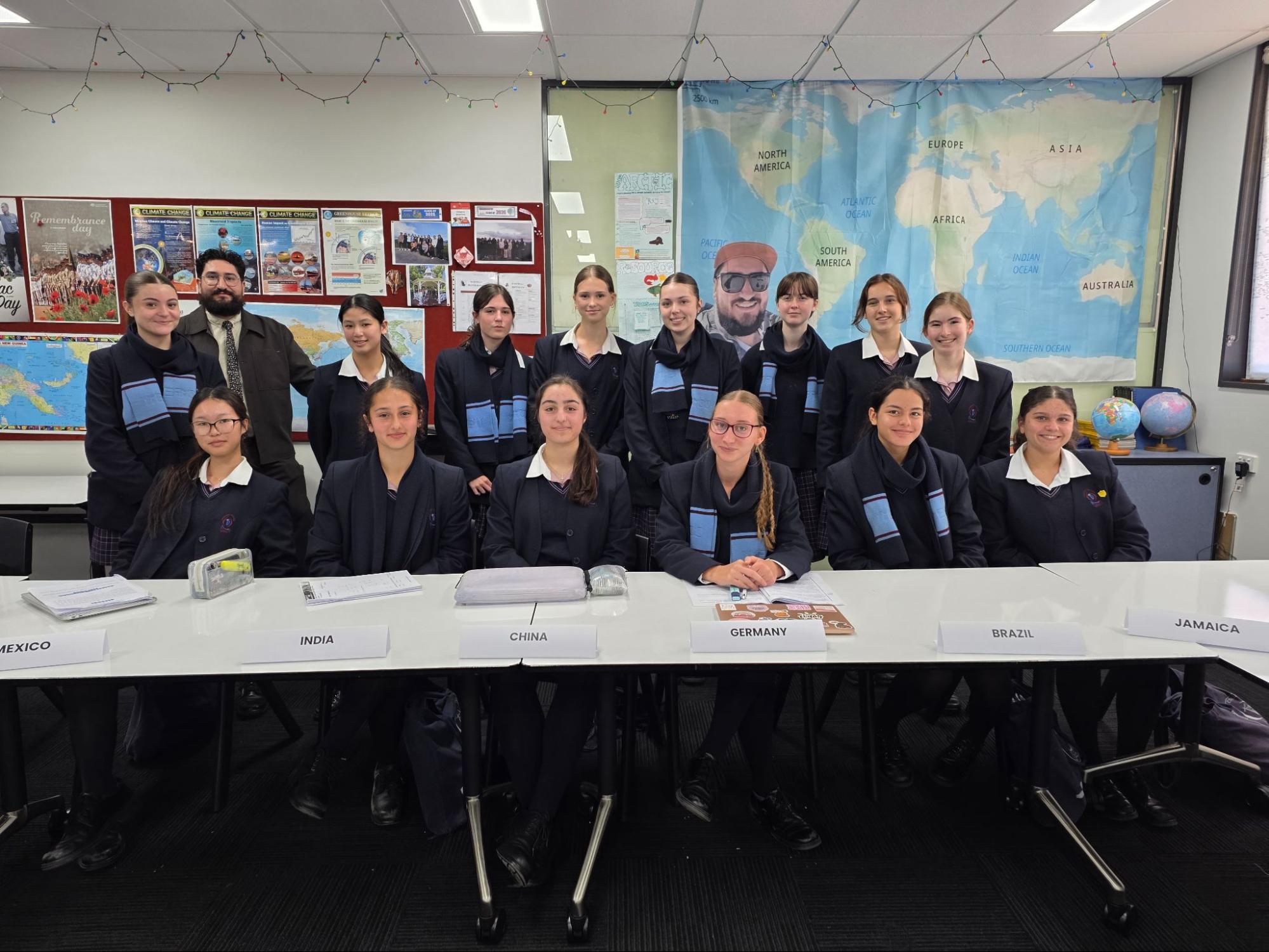
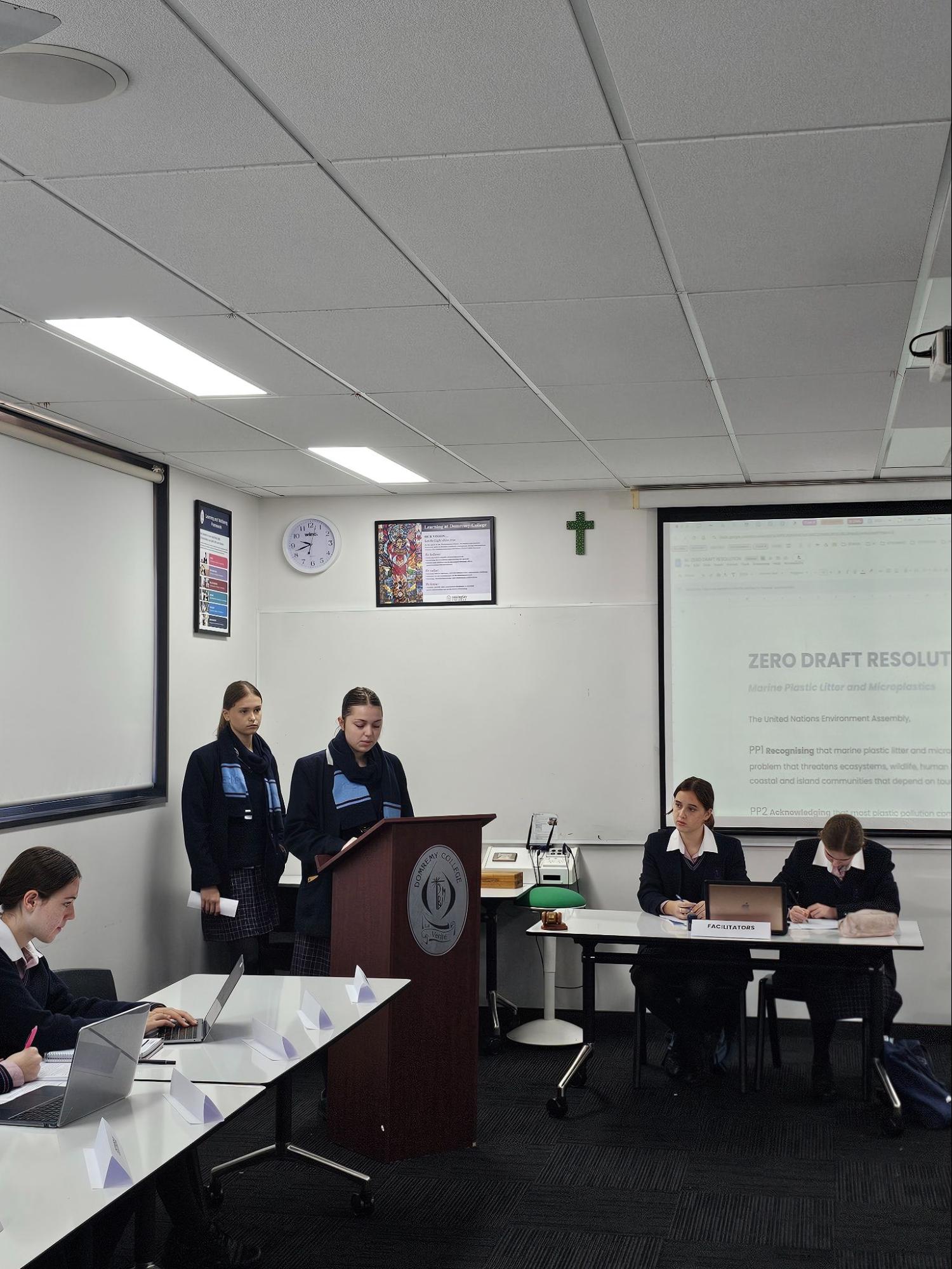
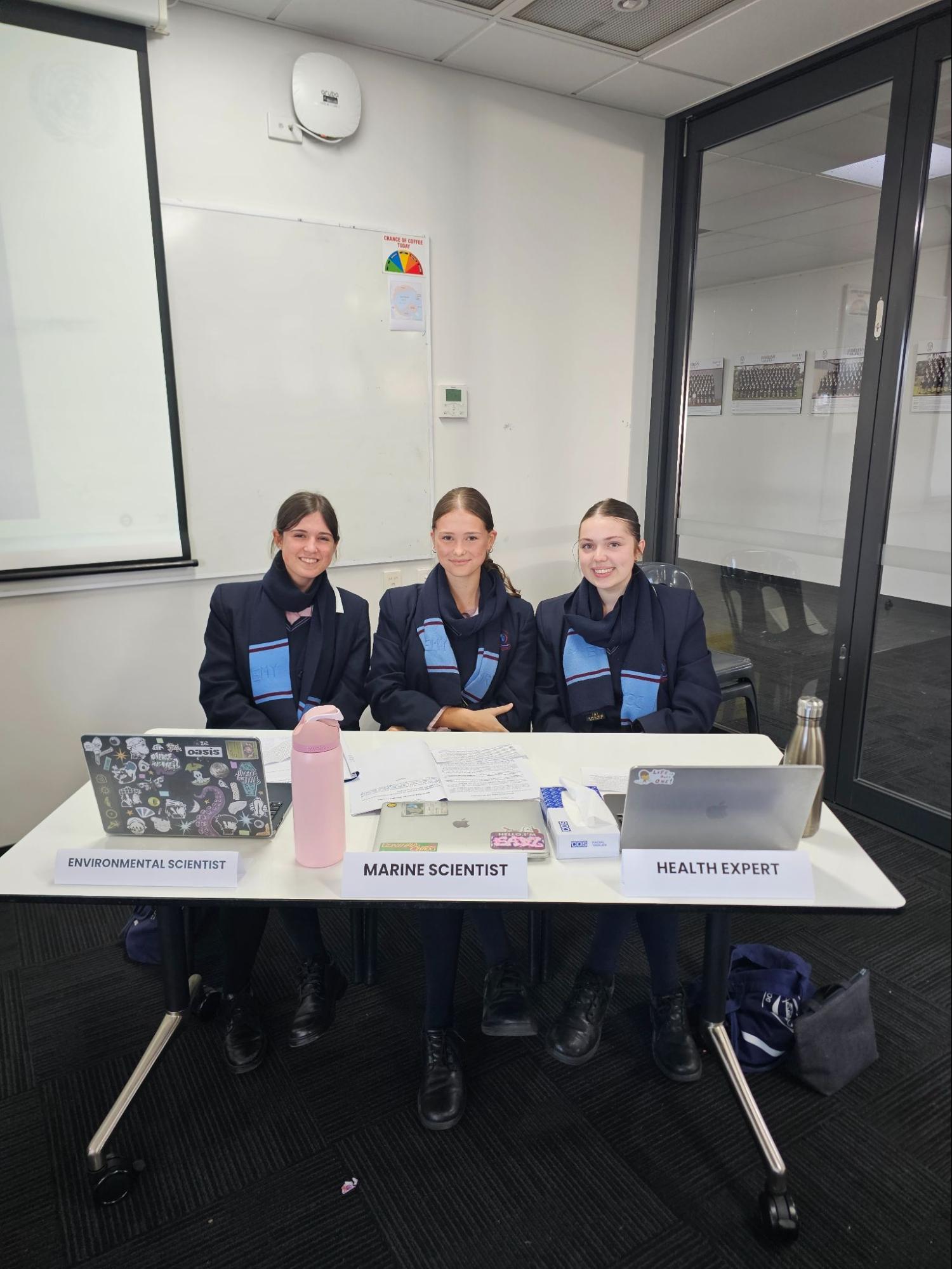
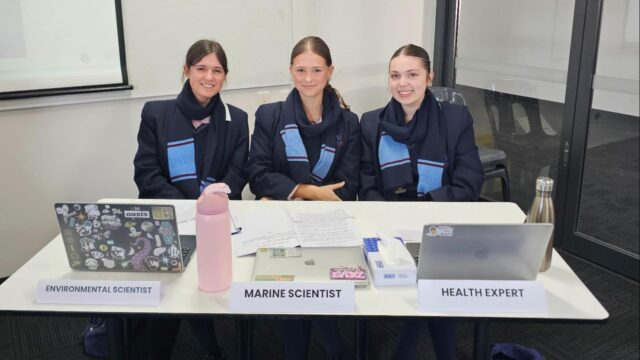
Representing different nations, students worked through the global issue of marine plastic pollution and microplastics, debating how countries should respond to a problem that affects all nations, but not equally. Students needed to research their assigned country’s position, understand their priorities and limitations, and work with others to negotiate solutions. This meant balancing environmental responsibility with economic pressures, political interests and competing national agendas.
One of the most valuable aspects of the experience was seeing how invested students became in the process. Many embraced their roles with enthusiasm, quickly stepping into formal debate, negotiation and alliance-building with confidence and creativity. The challenge of trying to secure the best outcome for their assigned country, while also working towards a broader global solution, made the experience both engaging and eye-opening.
“Our Global Connections Model United Nations Assembly was a valuable opportunity to apply the geopolitical concepts we had studied throughout the term in a realistic and engaging way. Representing different countries and regional groups allowed us to practise debating, diplomacy and working towards a shared resolution through collective discussion and negotiation.”
– Lillian, Year 10
Students gained a much deeper appreciation for the realities of international diplomacy and just how difficult global cooperation can be. Reaching agreement was not always easy, and that was exactly the point. The simulation highlighted that global issues are complex, often involving competing priorities, differing perspectives and difficult compromises.
“One of the most interesting aspects of the Model UN was taking on the perspectives of our assigned countries and advocating for changes that aligned with their policies and values. The experience challenged us to think critically, compromise with others and strengthen our public speaking skills, making it a highly enriching way to bring our learning in geopolitics to life.”
- Aoife, Year 10
For many students, this was one of the most enjoyable and memorable learning experiences of the unit. It allowed them to see the direct relevance of what they had been studying and helped transform abstract concepts like governance, diplomacy and international relations into something tangible and meaningful.
Experiences like this are a powerful reminder of how valuable active, authentic learning can be. The Model UN not only deepened students’ understanding of global politics and environmental cooperation, but also strengthened key skills in communication, critical thinking, collaboration and problem-solving — all while encouraging them to see themselves as informed and engaged global citizens.
Mr Greg Sciortino, HSIE Teacher