Year 12 Geography’s Final Stage 6 Fieldwork Excursion
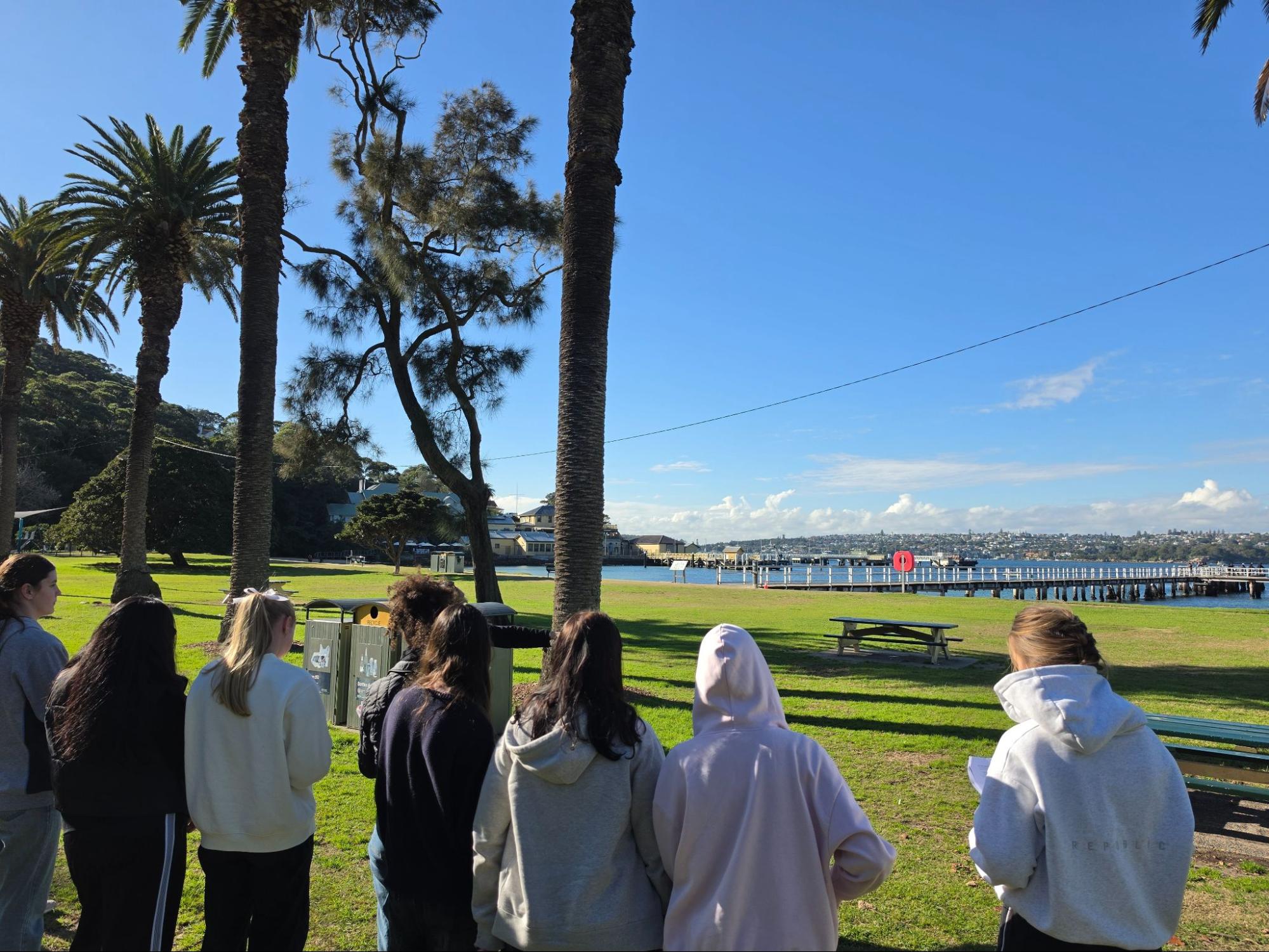
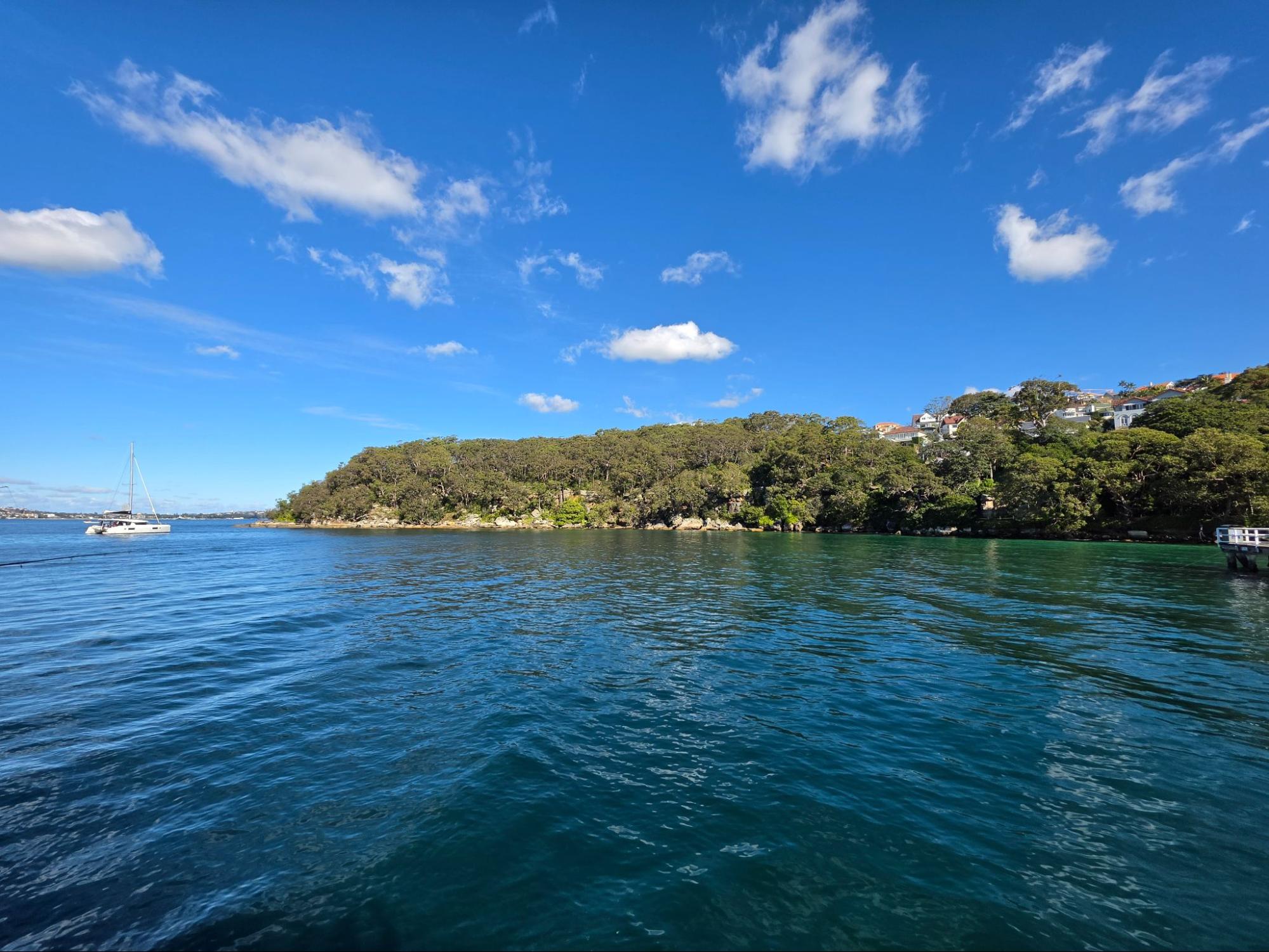
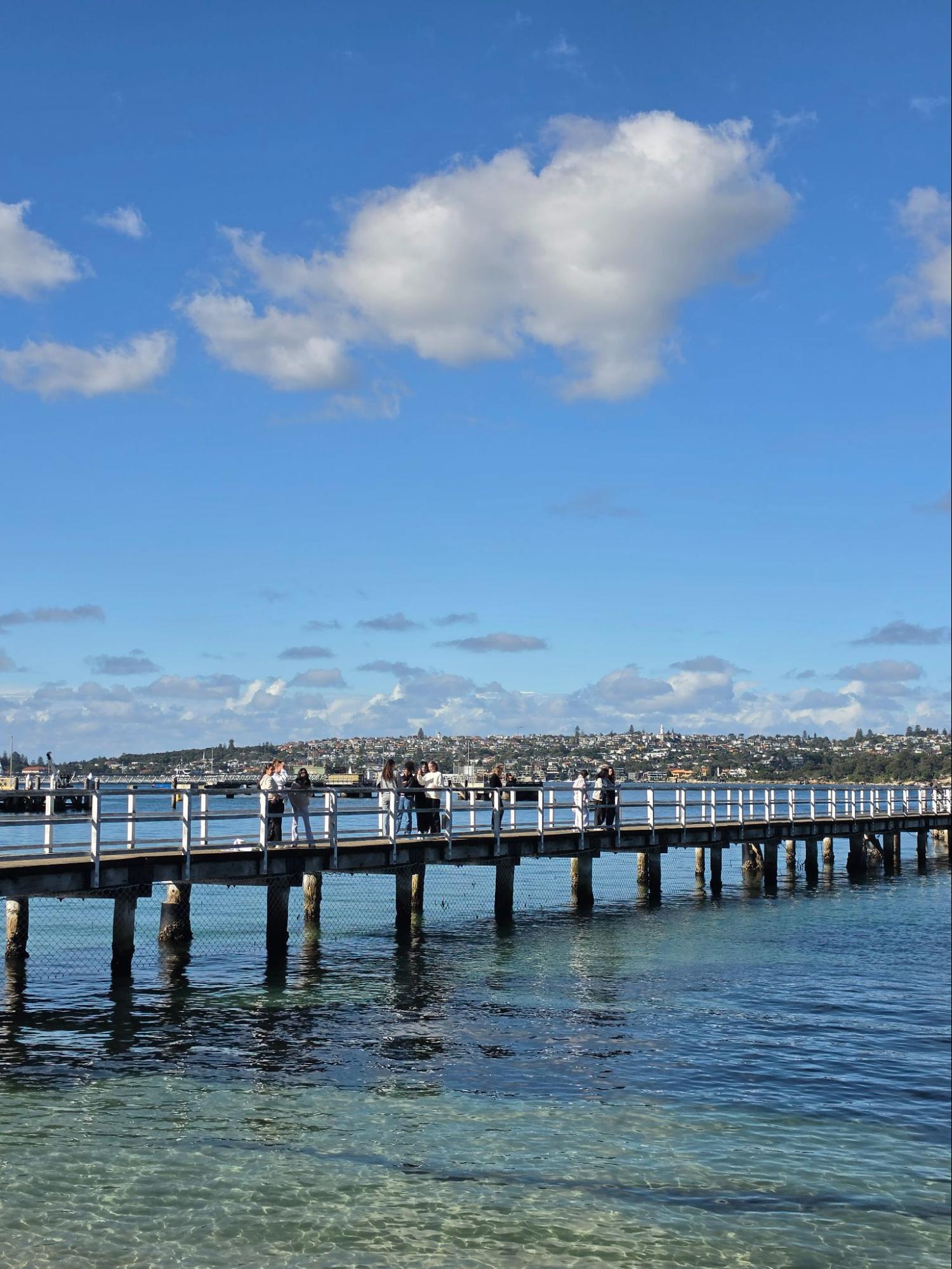
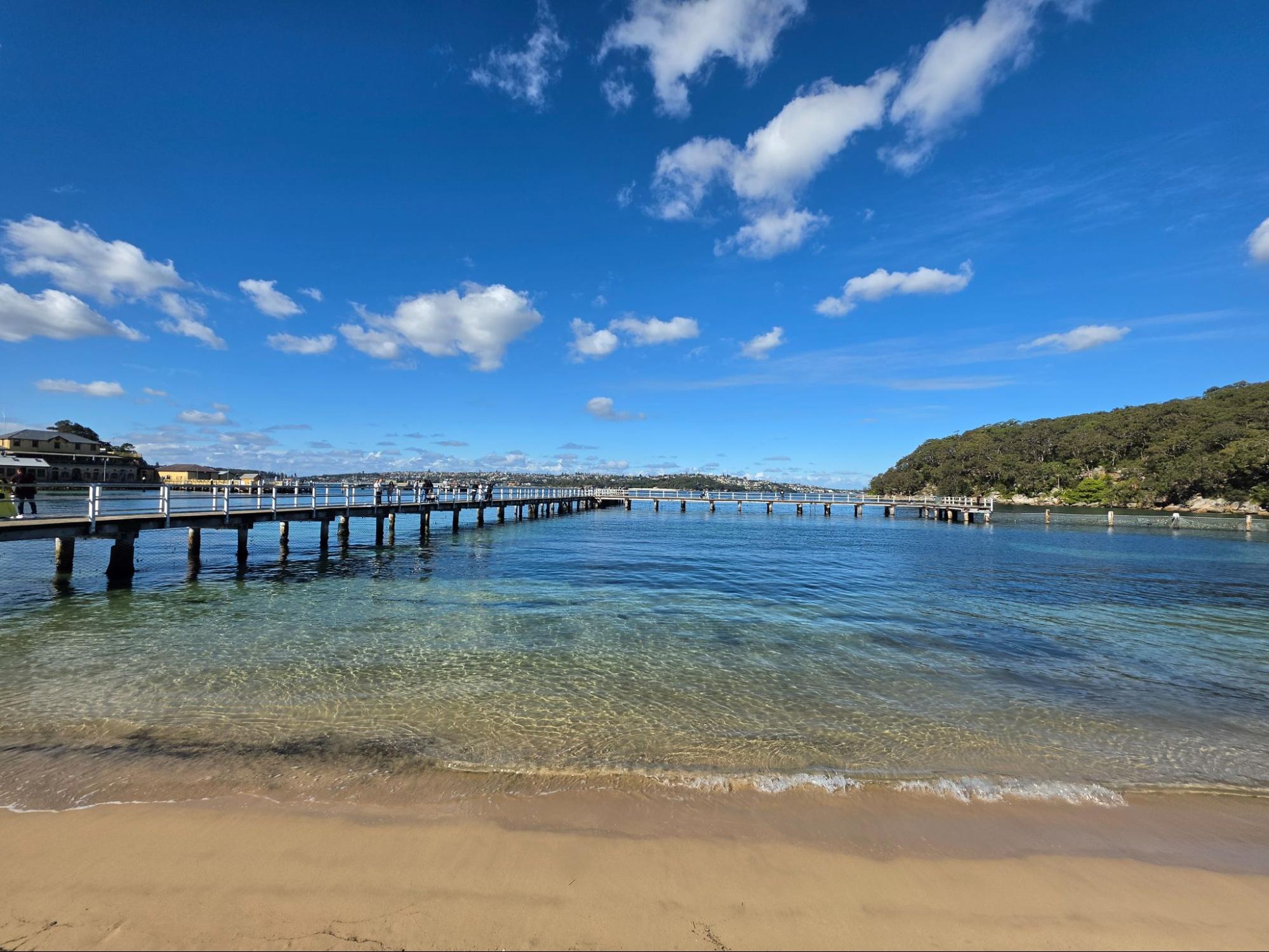
This week the Year 12 Geography class completed their final Stage 6 fieldwork excursion, spending Monday at Chowder Bay investigating the Kelp Forest ecosystem as part of their Ecosystems and Global Biodiversity topic. As the culmination of two years of senior Geography, the excursion provided students with an invaluable opportunity to consolidate their learning through authentic, hands-on fieldwork in one of Sydney Harbour’s most significant marine environments.
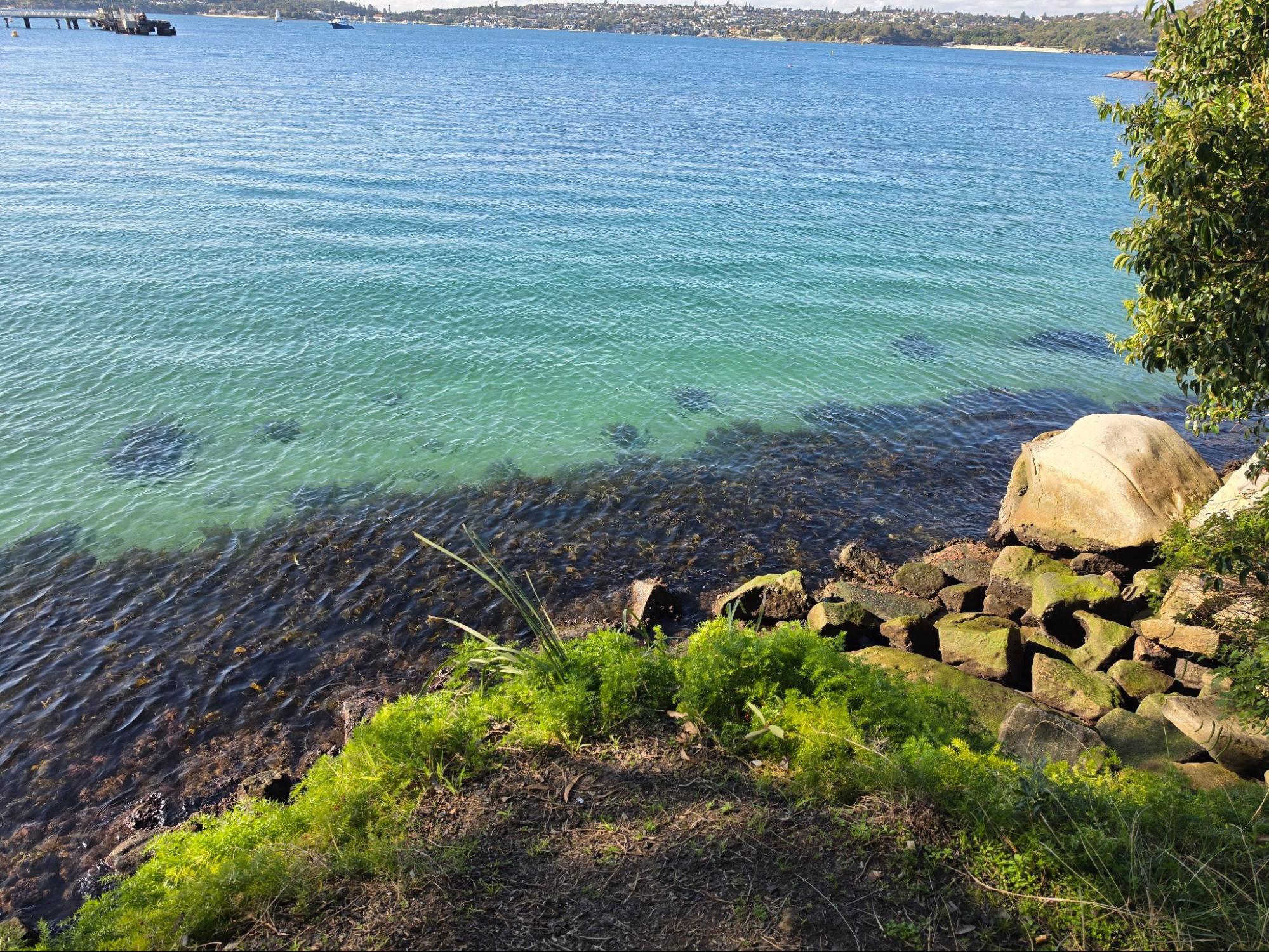
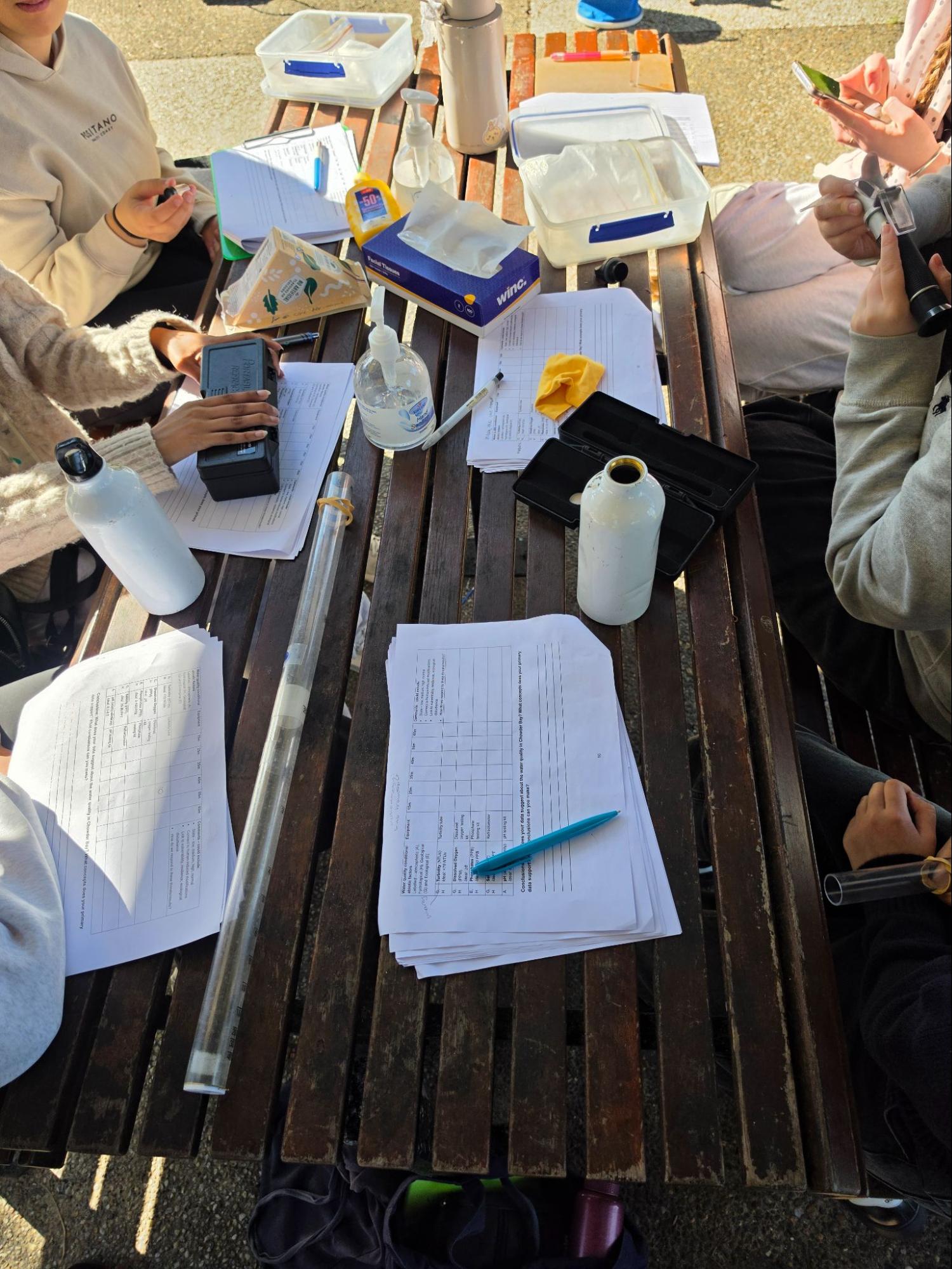
Based at Clifton Gardens Reserve, students investigated the local kelp forest, a vital ecosystem within the Great Southern Reef that supports an extraordinary diversity of marine life. Throughout the day, students applied a range of geographical fieldwork methods including environmental observations, mapping and annotation, analysing spatial patterns, collecting biotic and abiotic data, constructing food webs, and examining the environmental conditions required for kelp to thrive. Students also investigated the impacts of human activity on the ecosystem and evaluated the effectiveness of current management strategies aimed at protecting and restoring this unique environment.
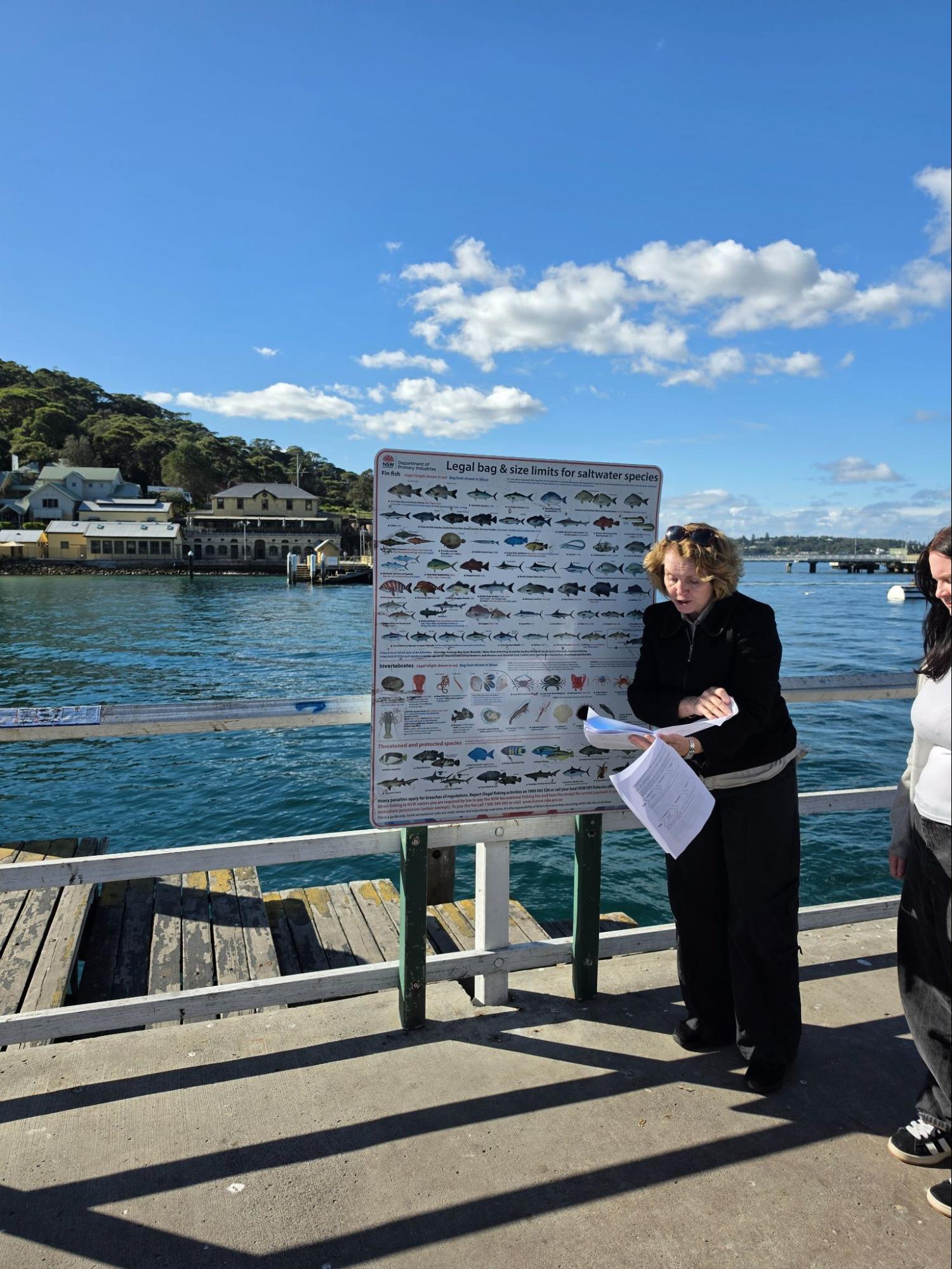
A particular highlight of the excursion was working alongside our outstanding field guide, Loretta, whose passion and expertise brought the ecosystem to life. Drawing on current research and real-world environmental challenges, Loretta consistently encouraged students to think beyond simply collecting data. She challenged them to make links between their observations in the field, broader geographical concepts, and the analytical skills required for success in the HSC examination. Her ability to connect fieldwork directly to upcoming Trial and HSC exam questions provided students with practical insights into how authentic geographical examples can strengthen their responses.
The excursion demonstrated the true value of Geography as a discipline that extends far beyond the classroom. By investigating a real ecosystem firsthand, students experienced how geographical inquiry combines observation, scientific investigation and critical thinking to better understand the complex interactions between people and environments. These experiences not only deepen conceptual understanding but also equip students with authentic case study knowledge that they can confidently apply throughout their final assessments.
As the final Stage 6 Geography excursion, the day was both a celebration of students’ learning journey and a reminder of the importance of geographical thinking in understanding and responding to contemporary environmental challenges. It was a fitting conclusion to the practical component of the course as students now turn their attention towards their Trial and HSC examinations.
Mr Greg Sciortino, HSIE Teacher