
What does El Niño mean for Australia?
Australia is heading into a hotter and drier period as one of the strongest El Niño weather patterns on record develops across the Pacific Ocean. But what exactly is El Niño, and how could it affect us?
El Niño is a natural climate pattern that occurs when ocean temperatures in the central and eastern Pacific Ocean become warmer than usual. It happens every two to seven years and can influence weather conditions around the world.
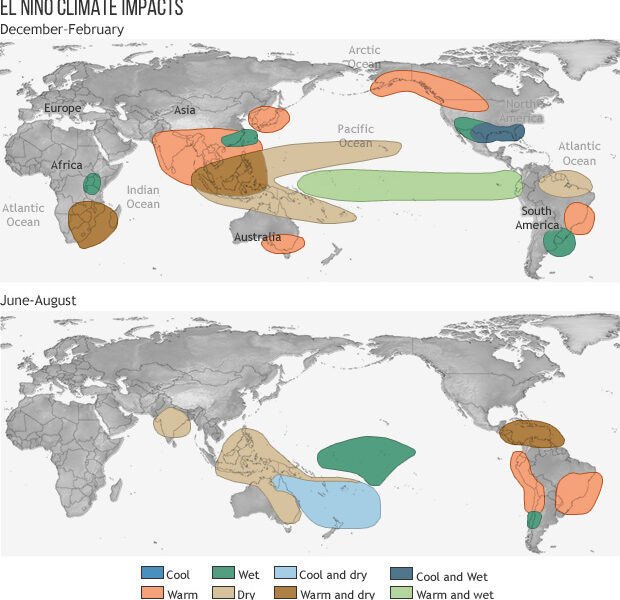
In Australia, El Niño often brings hotter temperatures and less rainfall, especially across the eastern states during winter and spring. In the Southern Highlands, this could mean warmer days and lower rainfall, while other parts of the country may experience more severe impacts.
One major concern during an El Niño year is the increased risk of bushfires. Hot and dry weather causes plants, grass, and soil to lose moisture, making it easier for fires to start and spread. Areas across New South Wales, Victoria, and South Australia can become particularly vulnerable when vegetation becomes dry. Bushfires can threaten homes, wildlife, and communities, while also placing extra pressure on firefighters and emergency services.
Another challenge is the impact on farmers and water supplies. With less rainfall, it becomes harder to grow crops and provide enough feed and water for livestock. This can affect food production and may even lead to higher food prices. Lower rainfall can also reduce water levels in dams and other important water sources.
Wildlife and natural ecosystems can also be affected. When there is less water available, animals may struggle to find food and shelter. Plants can become stressed by the dry conditions, which can impact the many species that depend on them. Extended dry periods can place significant pressure on already fragile ecosystems.
El Niño can even affect our everyday lives. Hotter weather can make outdoor activities less enjoyable and increase the need for air conditioning, which can lead to higher electricity use. During heatwaves, people also need to take extra care to stay hydrated and avoid spending too much time in the heat.
However, El Niño does not mean that every part of Australia will experience the same conditions. Weather patterns are influenced by many different climate systems, so some regions may receive more rain or experience cooler temperatures than expected.
Scientists will continue to monitor El Niño throughout the year to better understand its effects and help communities prepare for any challenges ahead.
by Elena C, Year 8