What does El Niño mean for Australia?

What does El Niño mean for Australia?

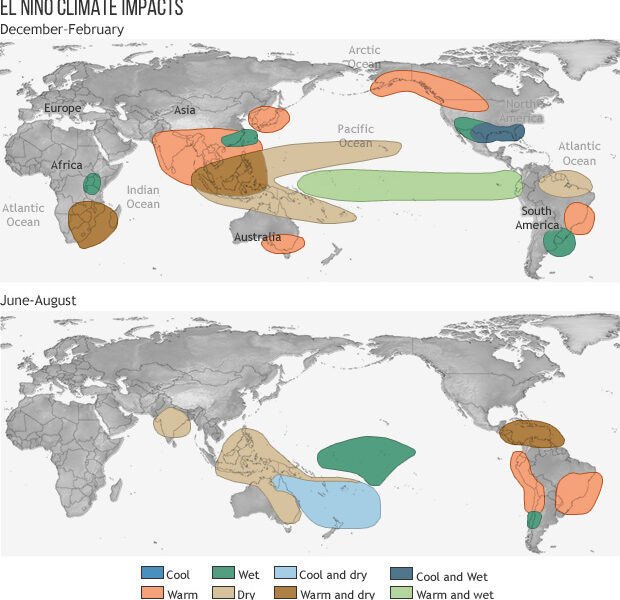
Australia is heading into a hotter and drier period as one of the strongest El Niño weather patterns on record develops across the Pacific Ocean. But what exactly is El Niño, and how could it affect us?

El Niño is a natural climate pattern that occurs when ocean temperatures in the central and eastern Pacific Ocean become warmer than usual. It happens every two to seven years and can influence weather conditions around the world.

In Australia, El Niño often brings hotter temperatures and less rainfall, especially across the eastern states during winter and spring. In the Southern Highlands, this could mean warmer days and lower rainfall, while other parts of the country may experience more severe impacts.

One major concern during an El Niño year is the increased risk of bushfires. Hot and dry weather causes plants, grass, and soil to lose moisture, making it easier for fires to start and spread. Areas across New South Wales, Victoria, and South Australia can become particularly vulnerable when vegetation becomes dry. Bushfires can threaten homes, wildlife, and communities, while also placing extra pressure on firefighters and emergency services.

Another challenge is the impact on farmers and water supplies. With less rainfall, it becomes harder to grow crops and provide enough feed and water for livestock. This can affect food production and may even lead to higher food prices. Lower rainfall can also reduce water levels in dams and other important water sources.

Wildlife and natural ecosystems can also be affected. When there is less water available, animals may struggle to find food and shelter. Plants can become stressed by the dry conditions, which can impact the many species that depend on them. Extended dry periods can place significant pressure on already fragile ecosystems.

El Niño can even affect our everyday lives. Hotter weather can make outdoor activities less enjoyable and increase the need for air conditioning, which can lead to higher electricity use. During heatwaves, people also need to take extra care to stay hydrated and avoid spending too much time in the heat.

However, El Niño does not mean that every part of Australia will experience the same conditions. Weather patterns are influenced by many different climate systems, so some regions may receive more rain or experience cooler temperatures than expected.

Scientists will continue to monitor El Niño throughout the year to better understand its effects and help communities prepare for any challenges ahead.

by Elena C, Year 8

Could Someone Read Your Mind? The Future of Brain-Computer Interfaces

Could Someone Read Your Mind? The Future of Brain-Computer Interfaces

Privacy is becoming increasingly hard to find as society continues to develop. With social media being used by around 87 percent of Australians, people’s private lives are often shared online, and once something is on the internet, it is almost impossible to completely erase. Thoughts, however, remain one of the few places that are truly our own. But what if even our minds could be accessed?

Companies have begun developing brain-computer interfaces (BCIs). These devices have many potential benefits, especially for people with severe communication or motor impairments. However, as technologies like these become more accessible, new ethical concerns may emerge.

Currently, BCIs translate neural signals into digital commands, allowing people to control devices such as computers, wheelchairs, and other technology directly with their minds. This has led to questions about whether future BCIs could influence or alter brain activity, potentially breaching our mental privacy. As this technology develops rapidly, many wonder how far it might eventually go.

If our memories or mental privacy were altered, would we still be in control of ourselves? If these changes happened gradually, might we not notice until they had already taken place?

According to research published in BMC Medical Ethics by F. Han and H. Chen, discussions surrounding companies such as Neuralink have sparked ethical debates about whether BCIs could threaten mental privacy and personal rights.

If BCIs were to erode mental privacy, concerns about constant surveillance could become unavoidable. In response, many scholars have proposed the creation of “neurorights”, a set of protections designed to safeguard our mental privacy. Neurorights would include the right to maintain mental and physical integrity, freedom of thought, control over personal decisions, privacy of one’s thoughts, and protection from algorithmic bias.

However, some challenges remain. Rights can still be violated, and critics argue that organisations could one day develop technology capable of influencing mental states without people realising it. Although current BCIs cannot decode our inner thoughts, the rapid pace of technological advancement suggests that these possibilities deserve careful inquiry, consideration, and regulation.

BCI technology should continue to develop because of its potential to improve lives. At the same time, ethical guidelines and regulations must be carefully researched and established to minimise potential risks. We deserve a say in how these technologies shape our future. After all, if there were ever a chance that BCIs could influence our beliefs or memories, how would we know?

From our thoughts to our actions, our minds shape who we are. If we are guided by the voice within, what happens if that voice is no longer our own?

By Annabel B, Year 8
The Best Version of Yourself

The Best Version of Yourself

If you could change someone’s life, why wouldn’t you? It’s like having the ability to fly and not, or being spiderman and not shooting webs. If you could do it, why wouldn’t you? No one is stopping you but yourself. The biggest loss you can experience is having every single thing handed on a plate to you, and you’re just sitting there. Doing nothing.  

We are taught from a young age to always be kind to others and always look out and care for people. What’s happened to that? Why are we ignoring the fact of simply being human? Not this fake covered version. We have to, as a human race, be kind and look out for each other always above all else. We have to be friends that are there to talk to, be the teacher that kids remember, and be the parent that was there for kids. You don’t have to be related to them to care for them, it’s that simple. Do small things and they can make all these differences to someone else. Take this for example, does your friend not have a pen? What do you do? Give them one. Your friends having a hard time? Leave something in their locker, a little note or a sweet saying: “you’re there to talk to if they need a shoulder”. Your friend got her period? What do you do? You tell her and walk behind her, so she doesn’t have to worry and go see the nurse. They don’t have to be your friend, they don’t have to be your BFF, they don’t have to be your one true love. Cause let’s be real, your Year 7 crush probably won’t be your one true love.  

This isn’t a hard question at all. It’s simply remembering what humans are putting on this earth to do and remembering simple human decency. It has become so lost with social media that anyone simply saying “you look pretty” or “I’m here if you want to talk” can mean the world. Because social media is programmed pretty much to make you feel bad. It lets you see what your friends are doing without you, it’s programmed to keep you hooked and spend hours looking at the same AI video of some cat Maccas worker or some “standard” girls are expected to reach. When in reality…that’s just makeup….and the beauty filter all made up to get followers and money. Think about it. Miss Trunchbull from Matilda could be made to look like a 20-year-old woman that looks like she’s from The Housewives. Don’t ever be Miss Trunchbull when you can be Miss Honey. Be the kind one in a world of rude ones. Be caring when surrounded by selfish people. Be the person you know you’re meant to be. Instead of thinking “I should’ve done that” start thinking “I can’t believe I did that”. You determine your outcomes, you get to mould and shape who you are and what you become. So become the best version of yourself you can. This is my favourite quote: “ Be a home to kindness and it will find it’s way back to you”.

By Amelia H, Year 10.

My Windows

My Windows


My windows
look like pools of darkness,
In the winter – glossy night.
Trapping and protecting me
from the danger.
Only a view of:
Whispers———————————the secrets;
Possums———————————owls.
Often visited by their friends,
In droplets splatting and platting.
Cascading on a sheet of glass,
Hardnesssoftnessroughness.
Reflected as an almost mirror
On the outskirts of my bedroom.
Watching me as I scribble these words on my page
And as I turn off my lamp.
They shall blink into unnameable silence
One      sec     on              d ..    . two   .
Transform into doors to the outside
Barrier between us.
 
How strong they are, weak and dangerous when shattered.
I seem almost similar to them:
My windows.

By Greta S., Year 8
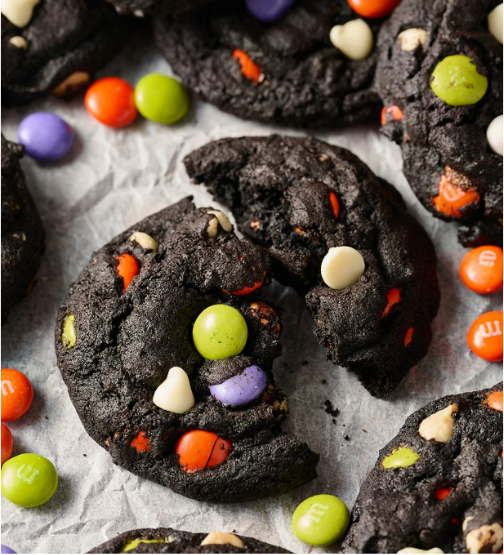
Double Chocolate Halloween Cookies

Double Chocolate Halloween Cookies

Makes: 12 to 14 cookies 

Prep Time: 15 mins 

Cook Time: 12 mins 

Total Time: 27 mins 

Time to get excited with Halloween just around the corner (to those who choose to celebrate it), so her are some great Halloween themed cookies, that are rated very highly. All you need is one bowl and about 30 minutes to enjoy these chocolate cookies. 

Ingredients 

  • 1/2 cup (113 grams) unsalted butter, at cool room temperature 
  • 1/2 cup (100 grams) granulated sugar 
  • 1/4 cup (50 grams) brown sugar 
  • 1 teaspoon vanilla extract 
  • 1 egg, at room temperature 
  • 1 cup (127 grams) all-purpose flour 
  • 1/2 cup (43 grams) black cocoa powder (or Dutch-process), sifted 
  • 1 tablespoon cornstarch 
  • 3/4 teaspoon fine sea salt 
  • 1/2 teaspoon baking soda 
  • 1/4 teaspoon baking powder 
  • 1/2 cup (85 grams) white chocolate chips, plus more for garnish 
  • 1 cup (218 grams) Halloween M&MS, plus more for garnish* 
  • Edible candy eyeballs, for garnish 

Instructions 

  • Preheat oven to 350 degrees F. Line baking sheets with parchment paper. 
  • In the bowl of a stand mixer fitted with the paddle attachment, beat the butter and sugars together on medium speed until light and fluffy, about 3 minutes. Scrape the bowl down before adding in the vanilla extract and egg, beating well to combine. 
  • In a separate bowl, whisk together the flour, cocoa, cornstarch, salt, baking soda, and baking powder. Gradually add in the dry ingredients to the wet ingredients and beat until a slightly sticky dough forms. Fold in the white chocolate chips and M&Ms with a rubber spatula. 
  • Using a large spring-loaded cookie scoop, drop 3-tablespoon siszd balls of dough onto the prepared baking sheets, spacing them at least 2 inches apart. Dot the balls of cookie dough with extra chips, M&Ms. 
  • Bake for about 12 minutes, until puffy but still soft, being careful not to overbake. Carefully press the candy eyeballs into the cookies while still hot from the oven. Allow to cool on baking sheet for 5 minutes before removing to a wire rack to cool completely. 
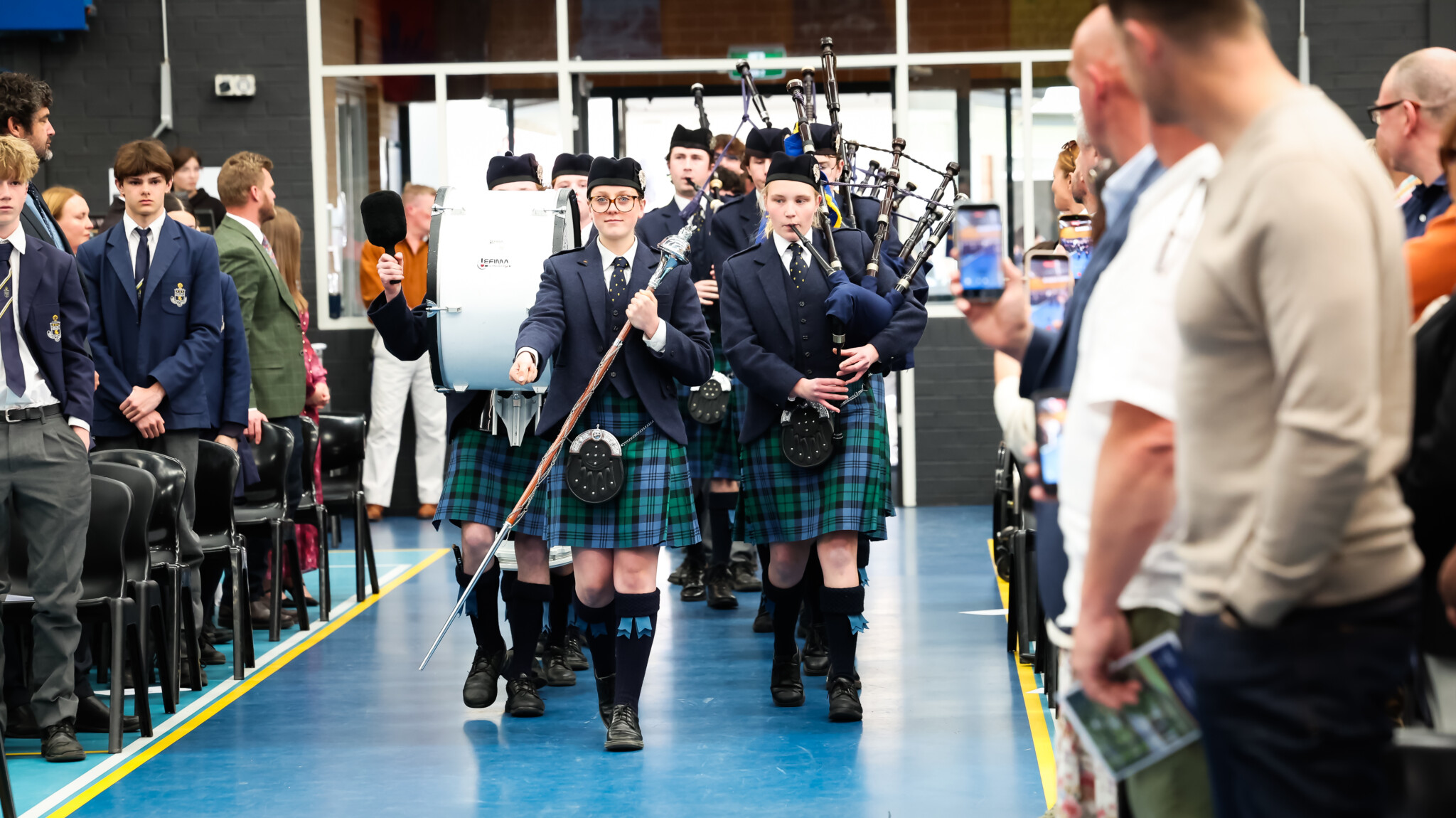
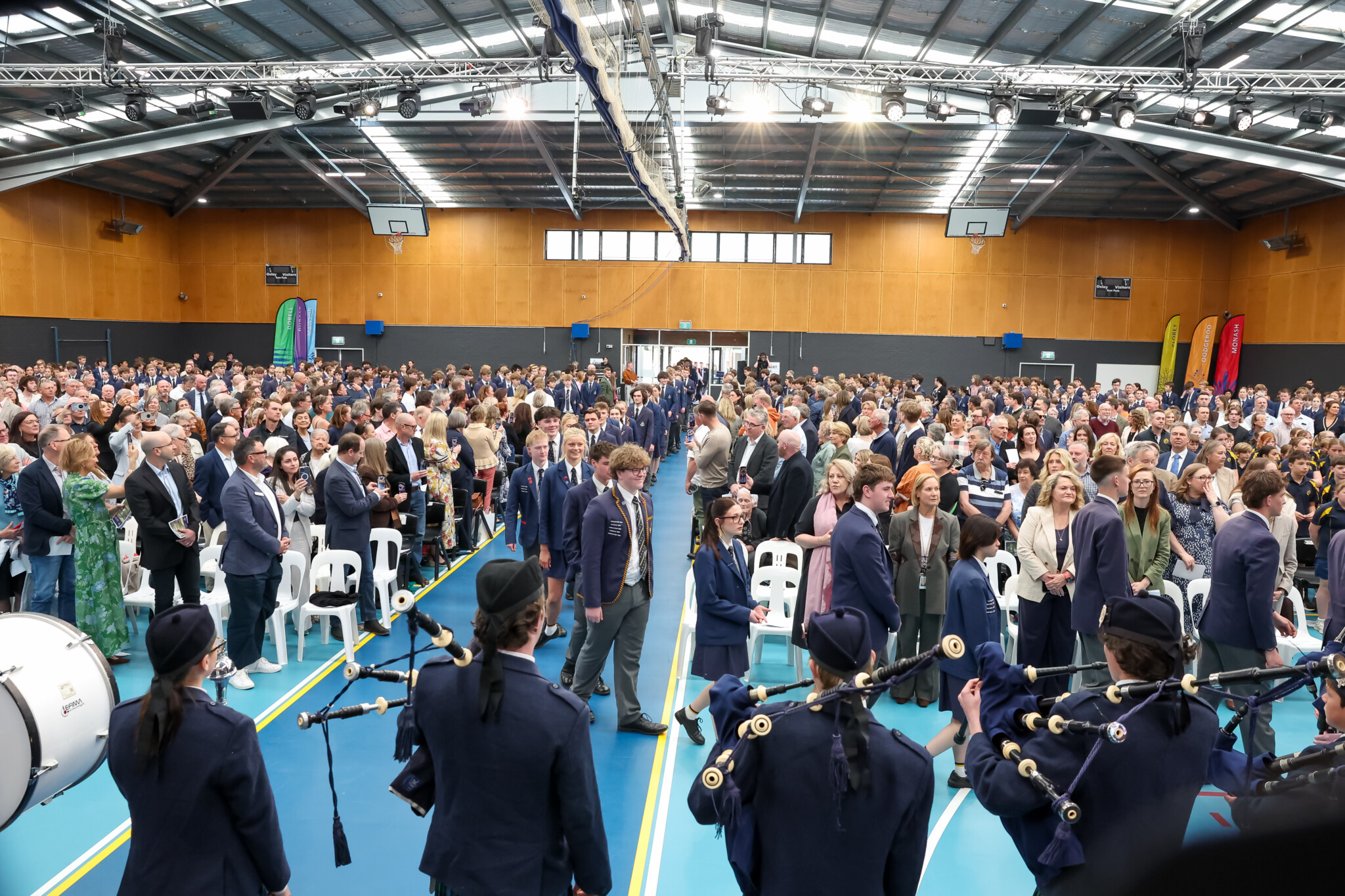
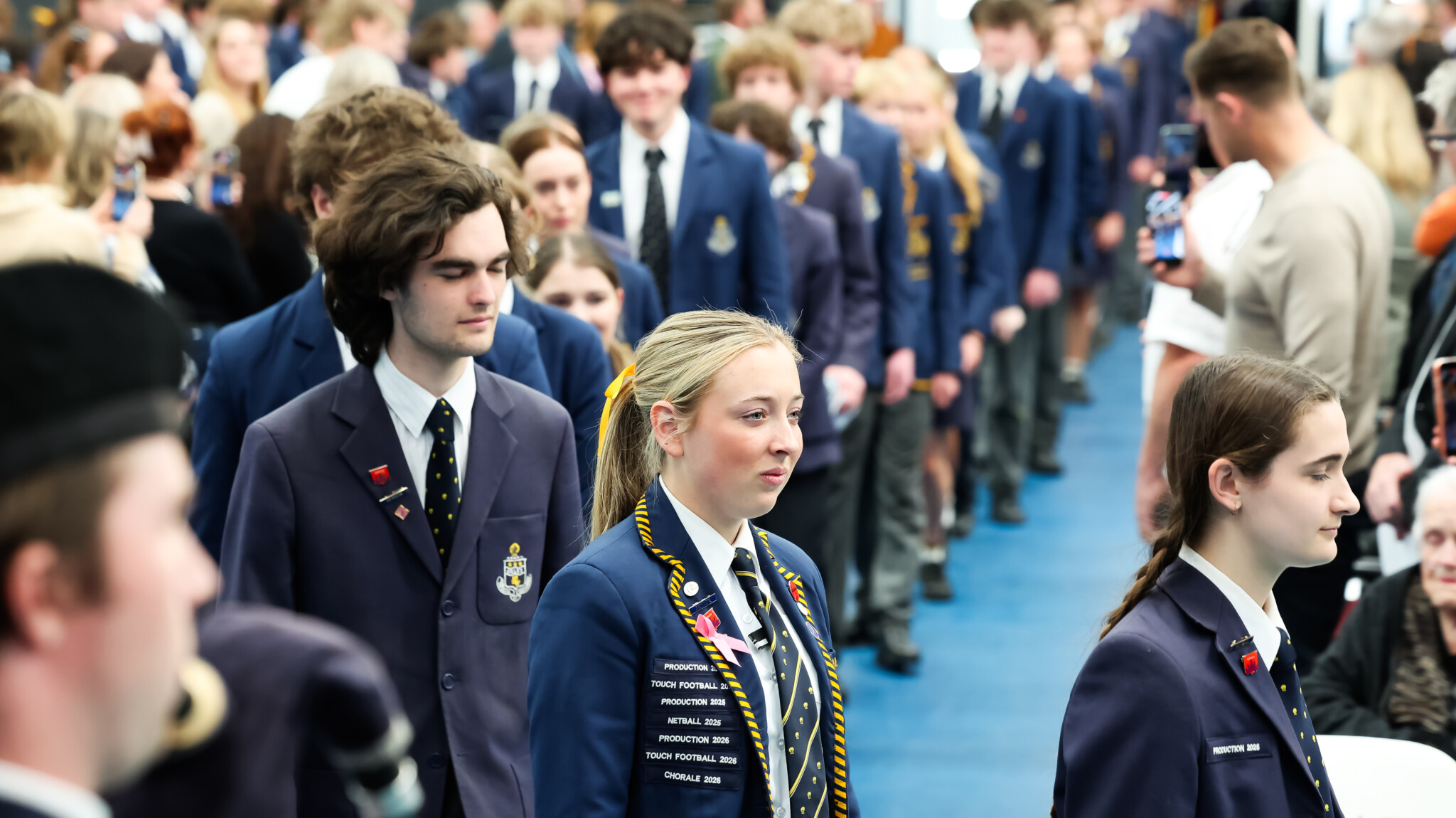
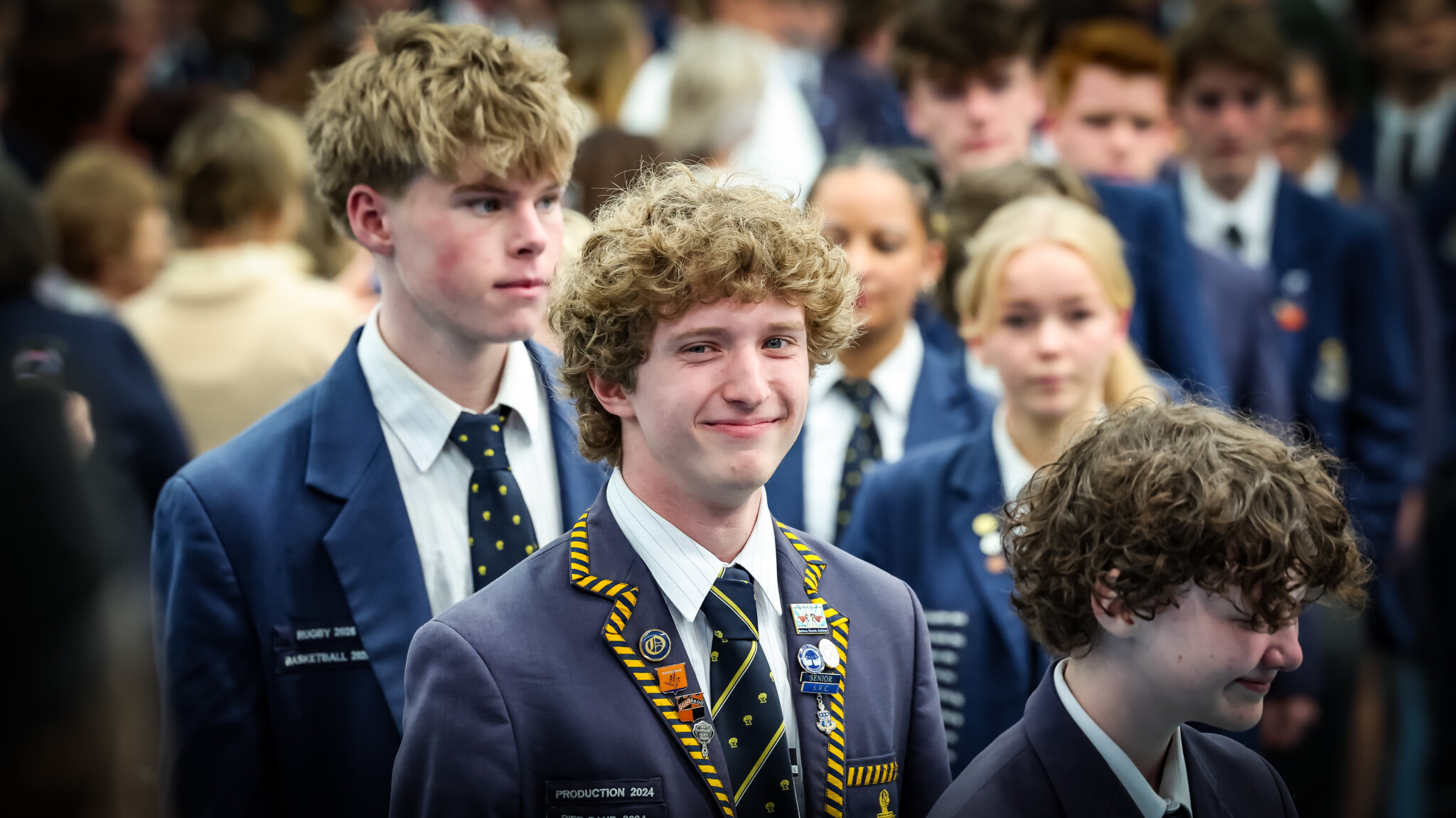
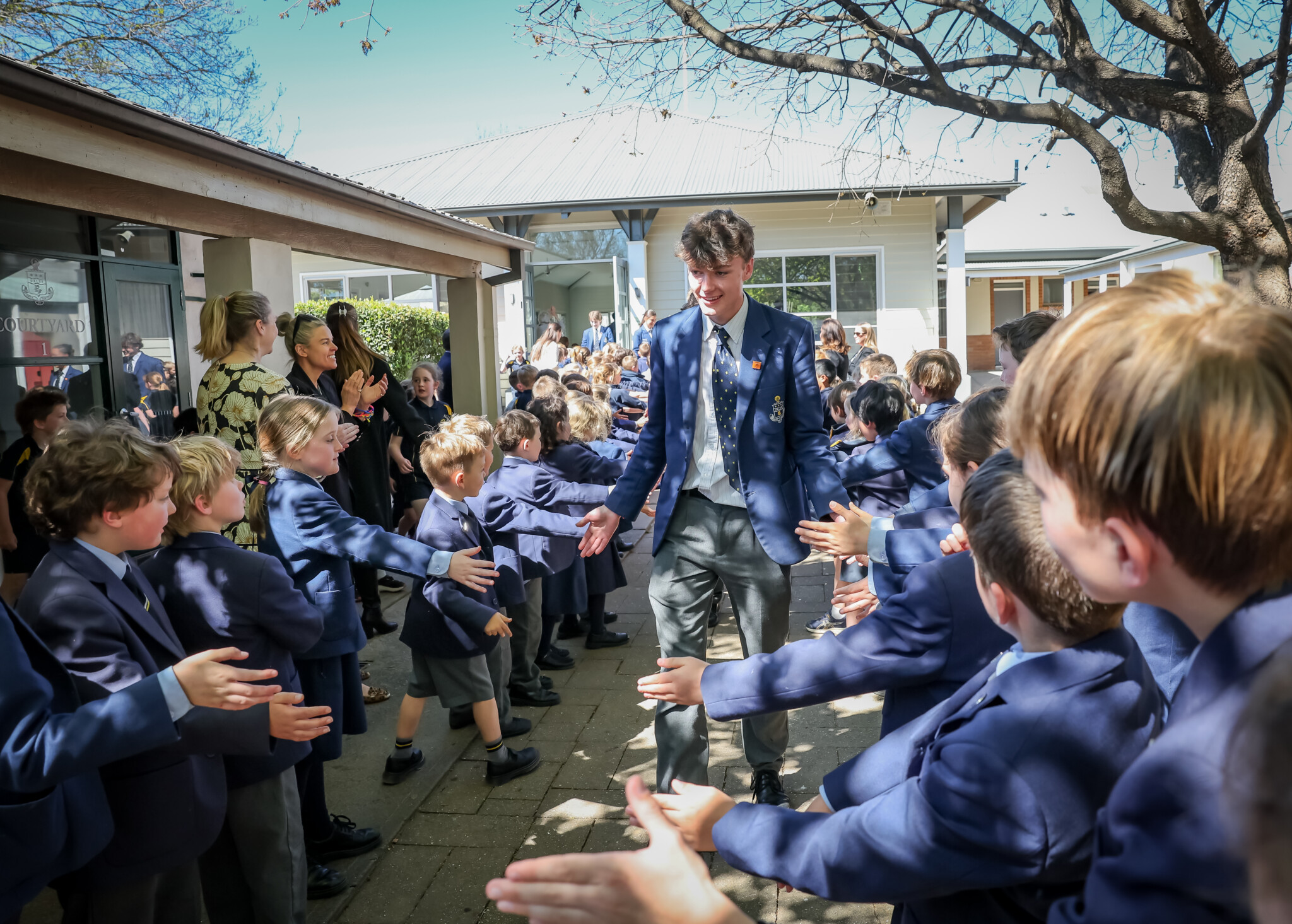
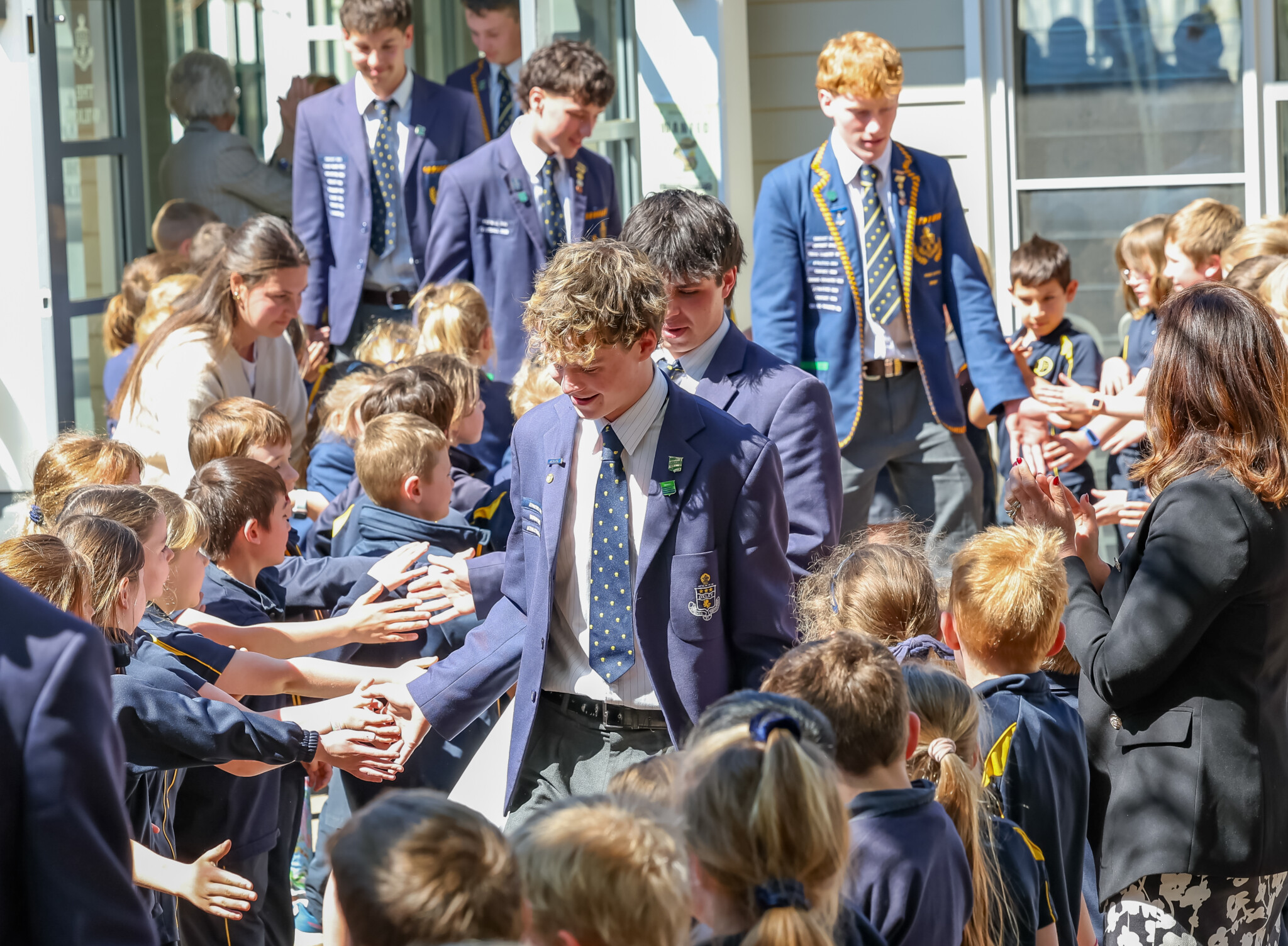
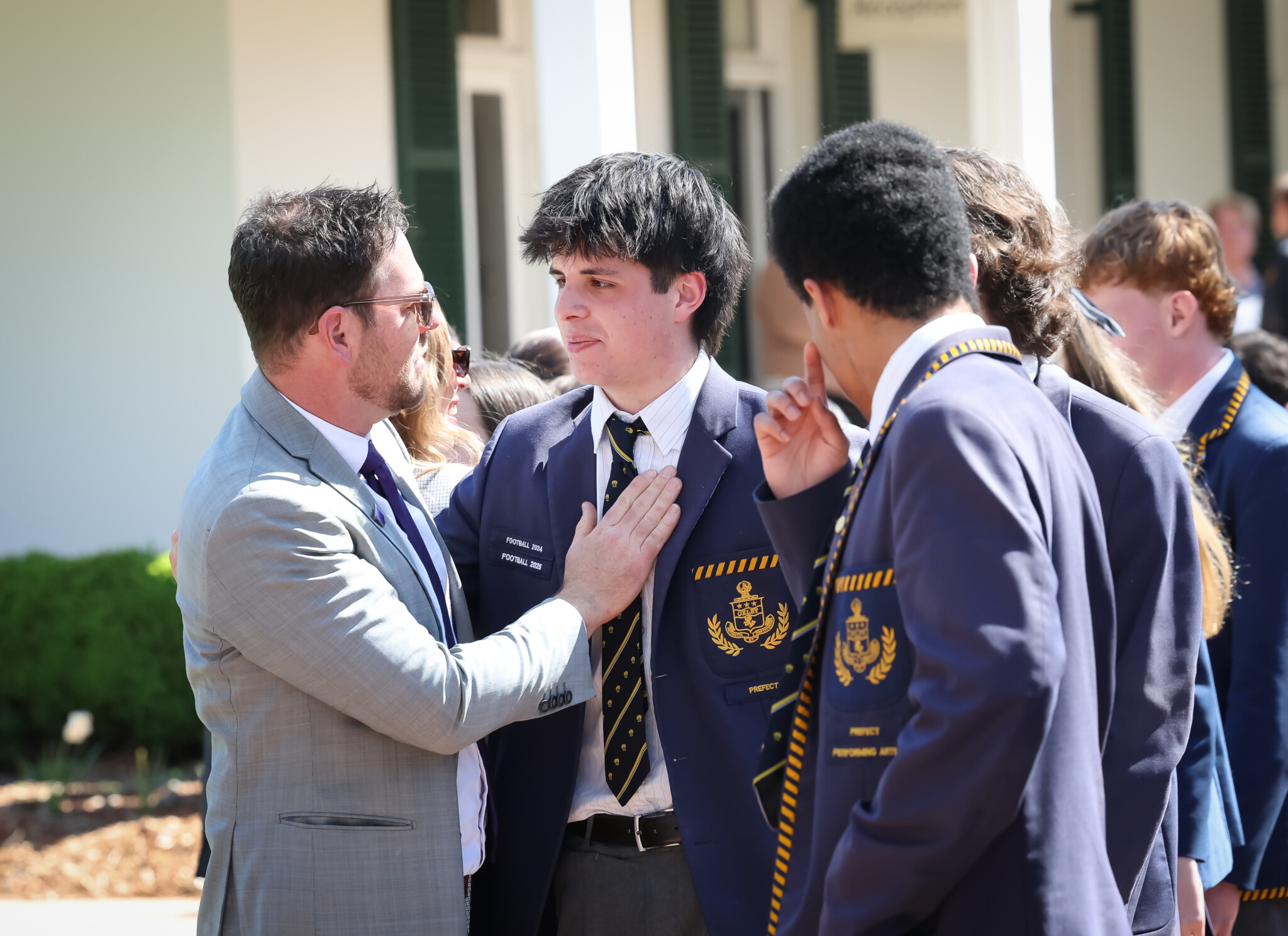
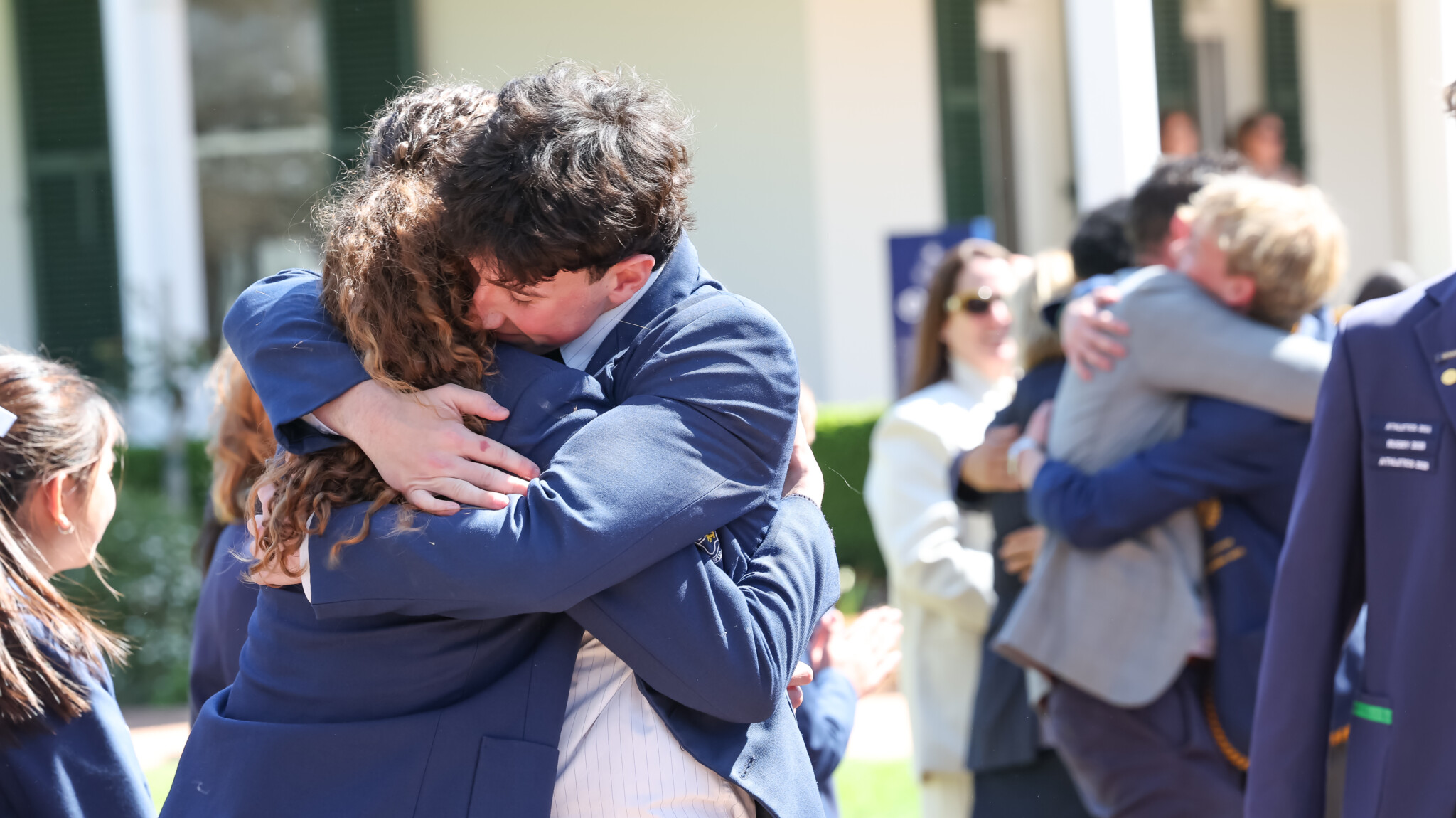
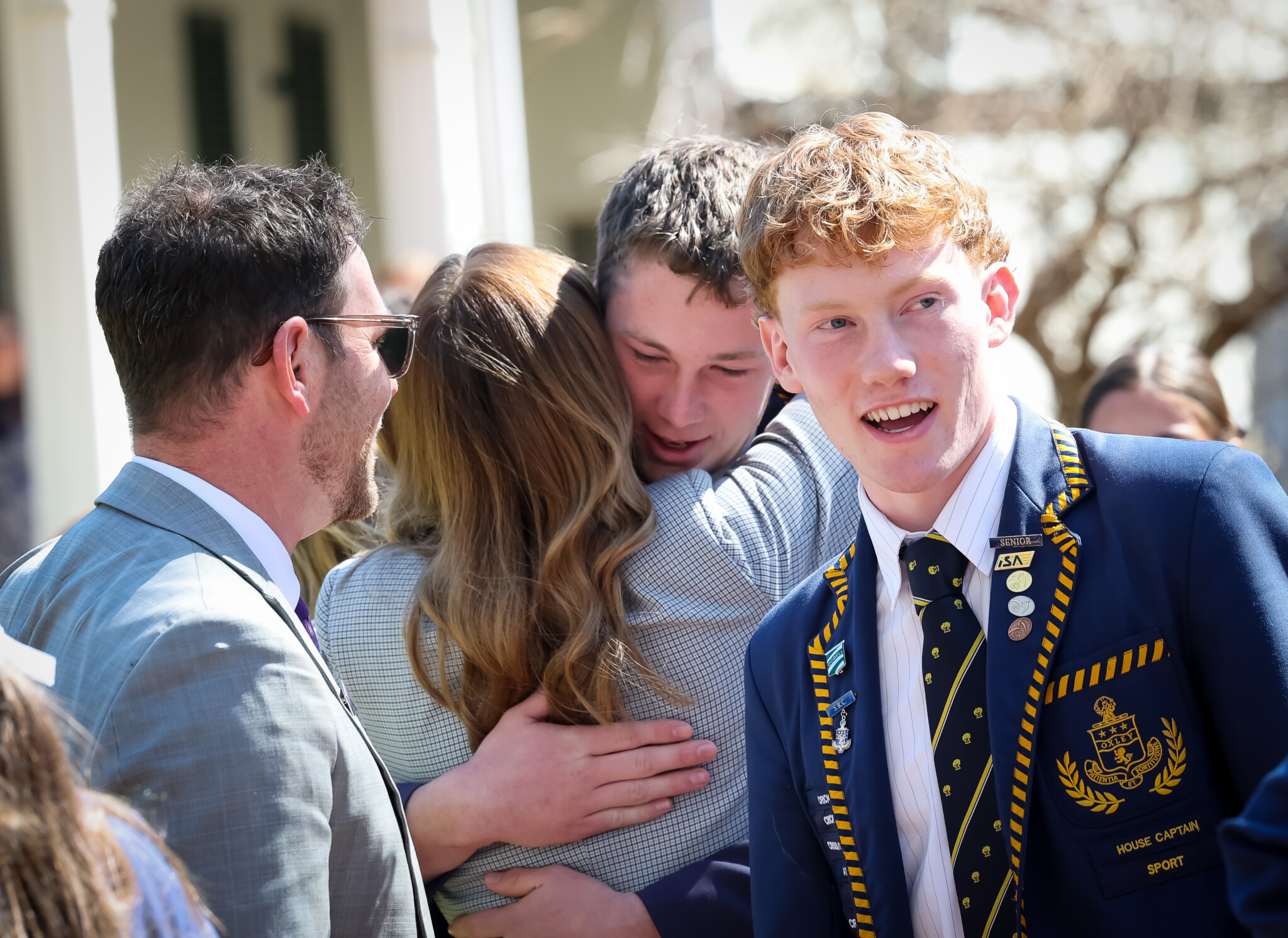
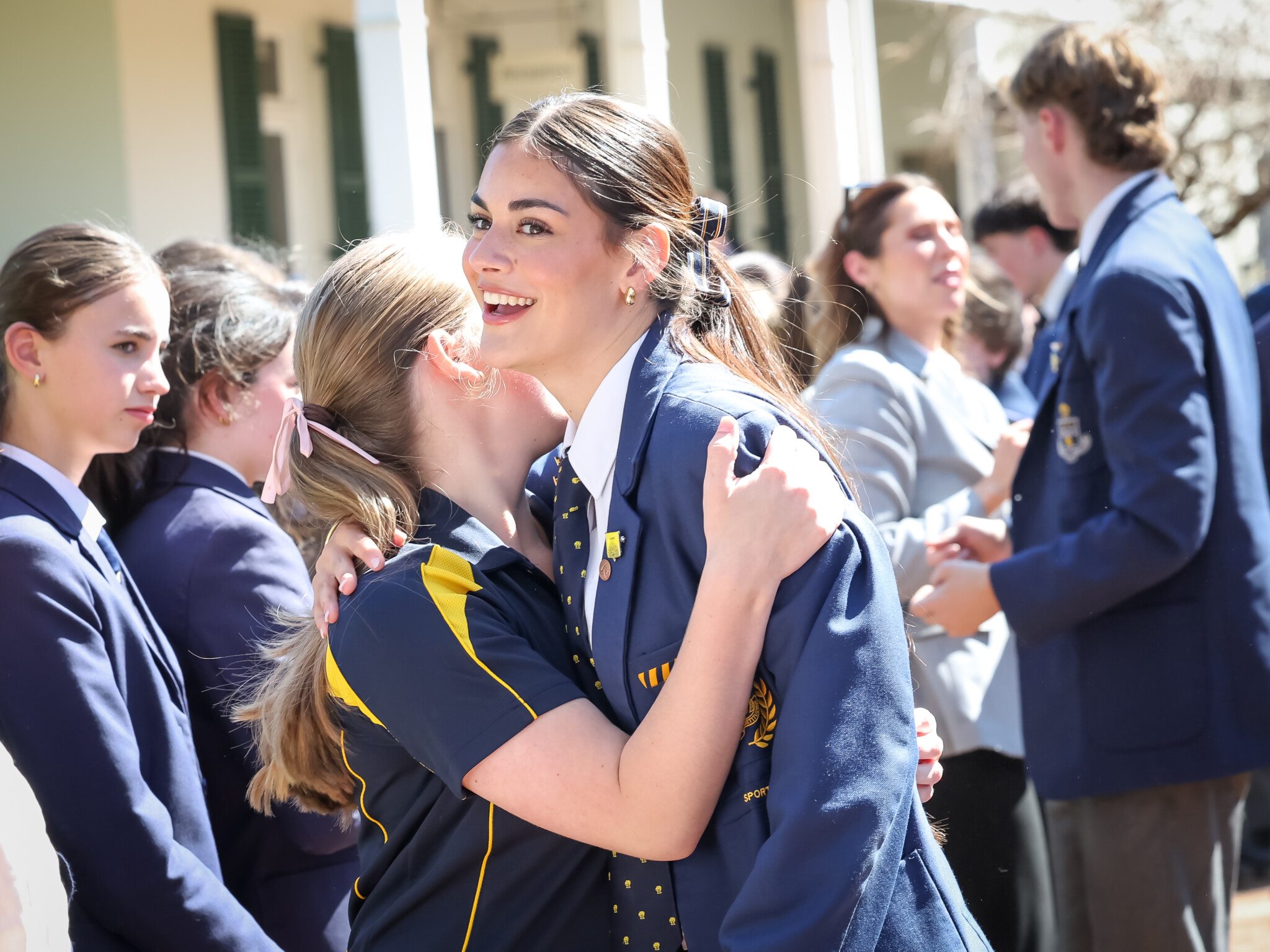
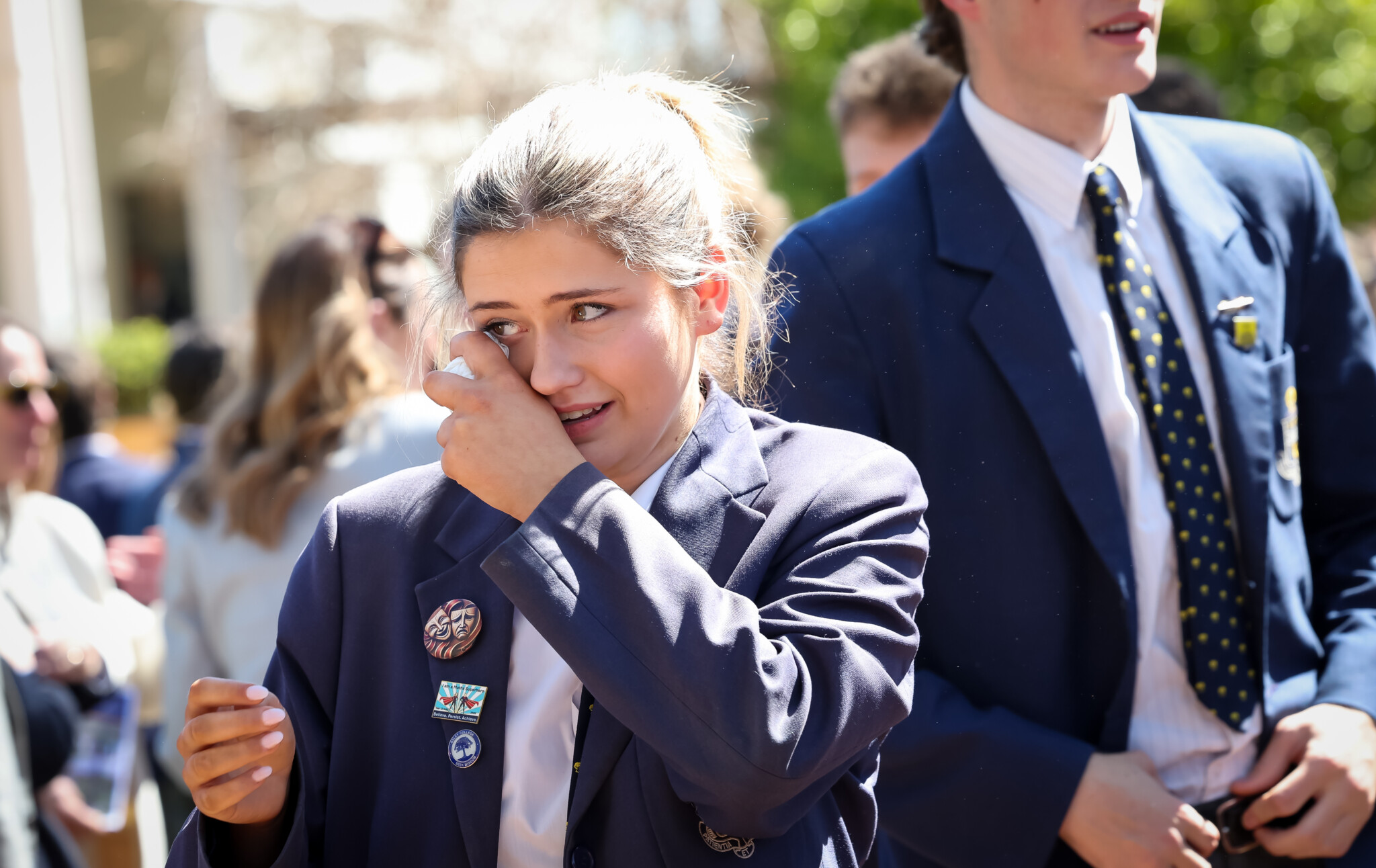
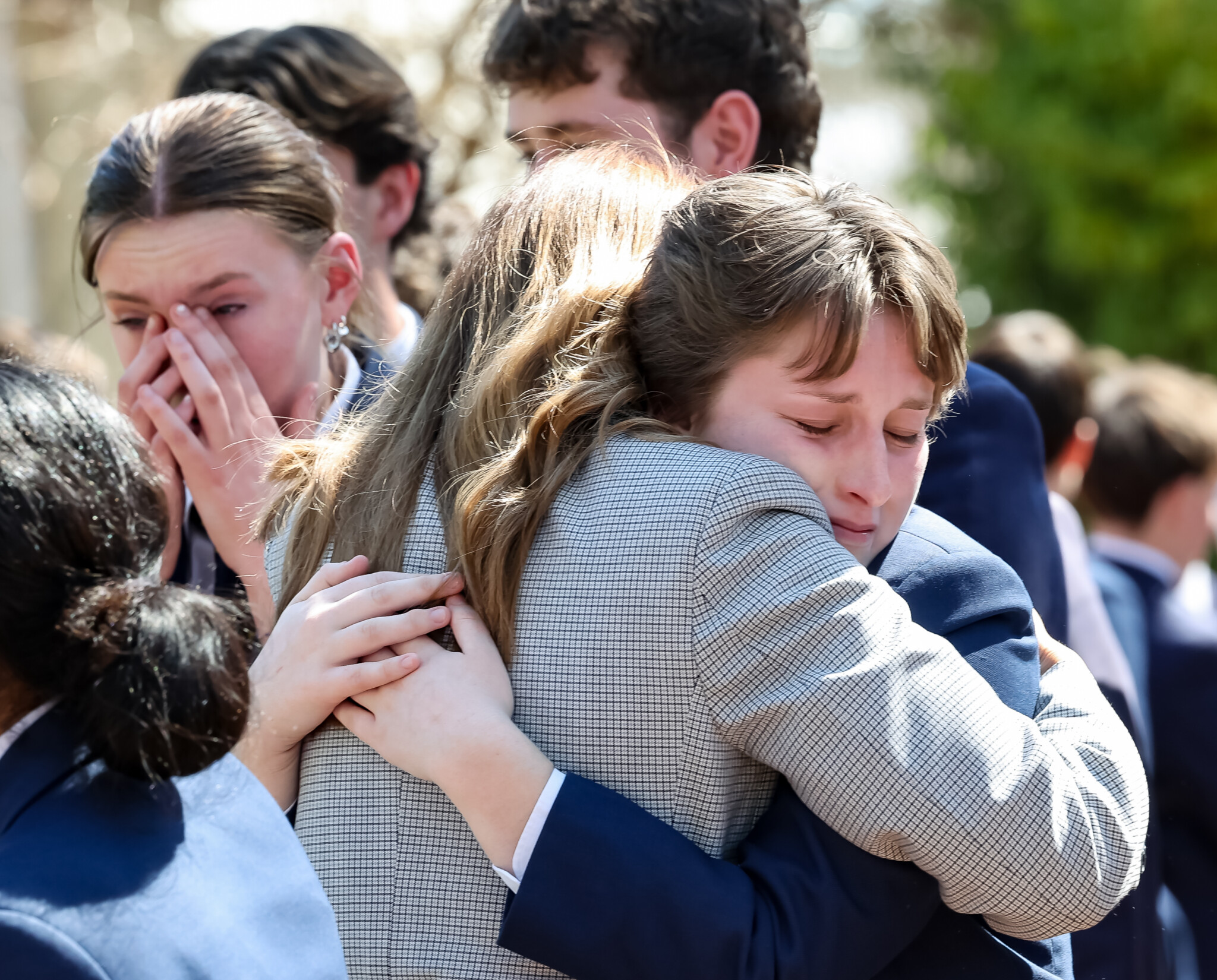
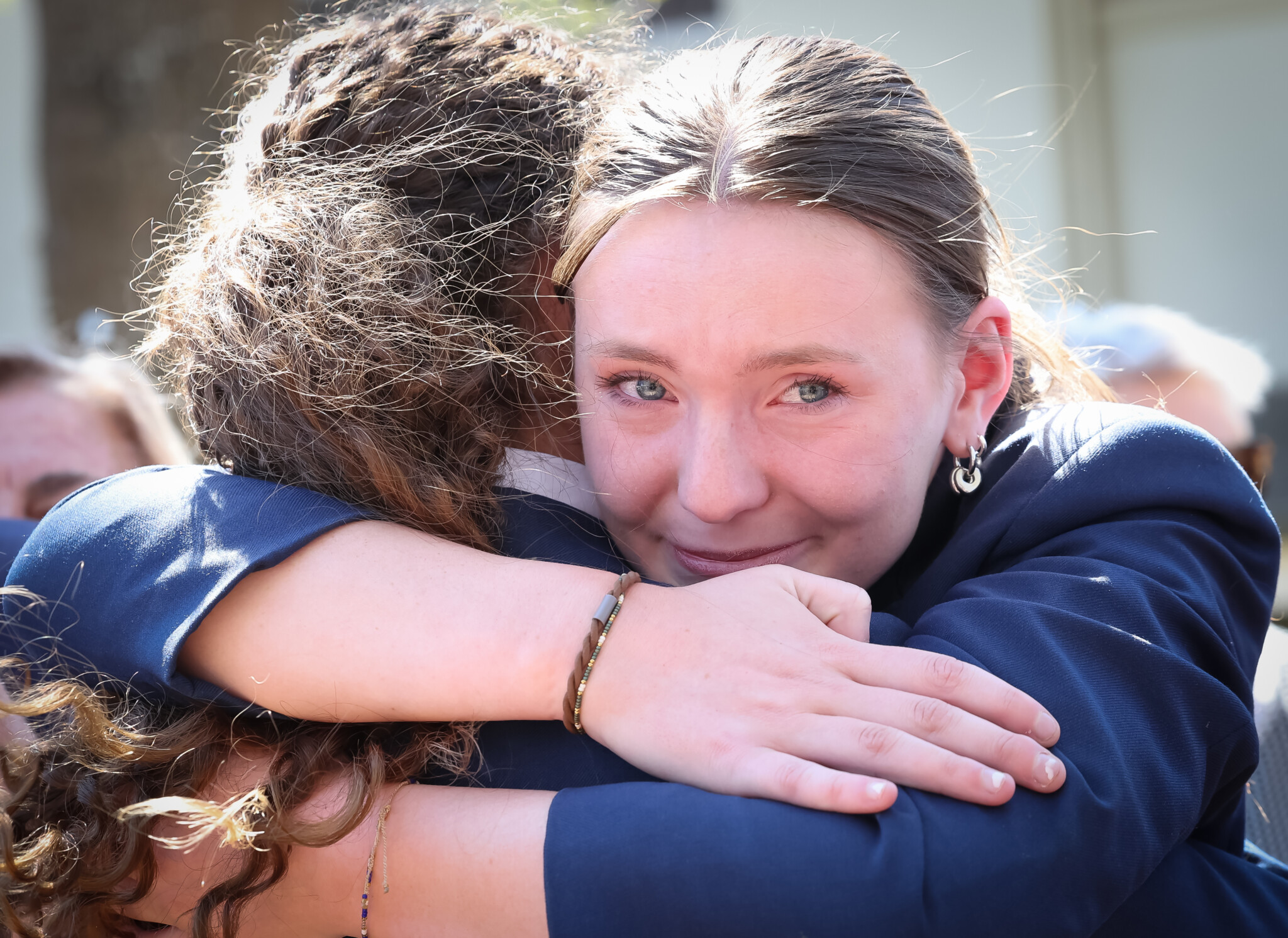
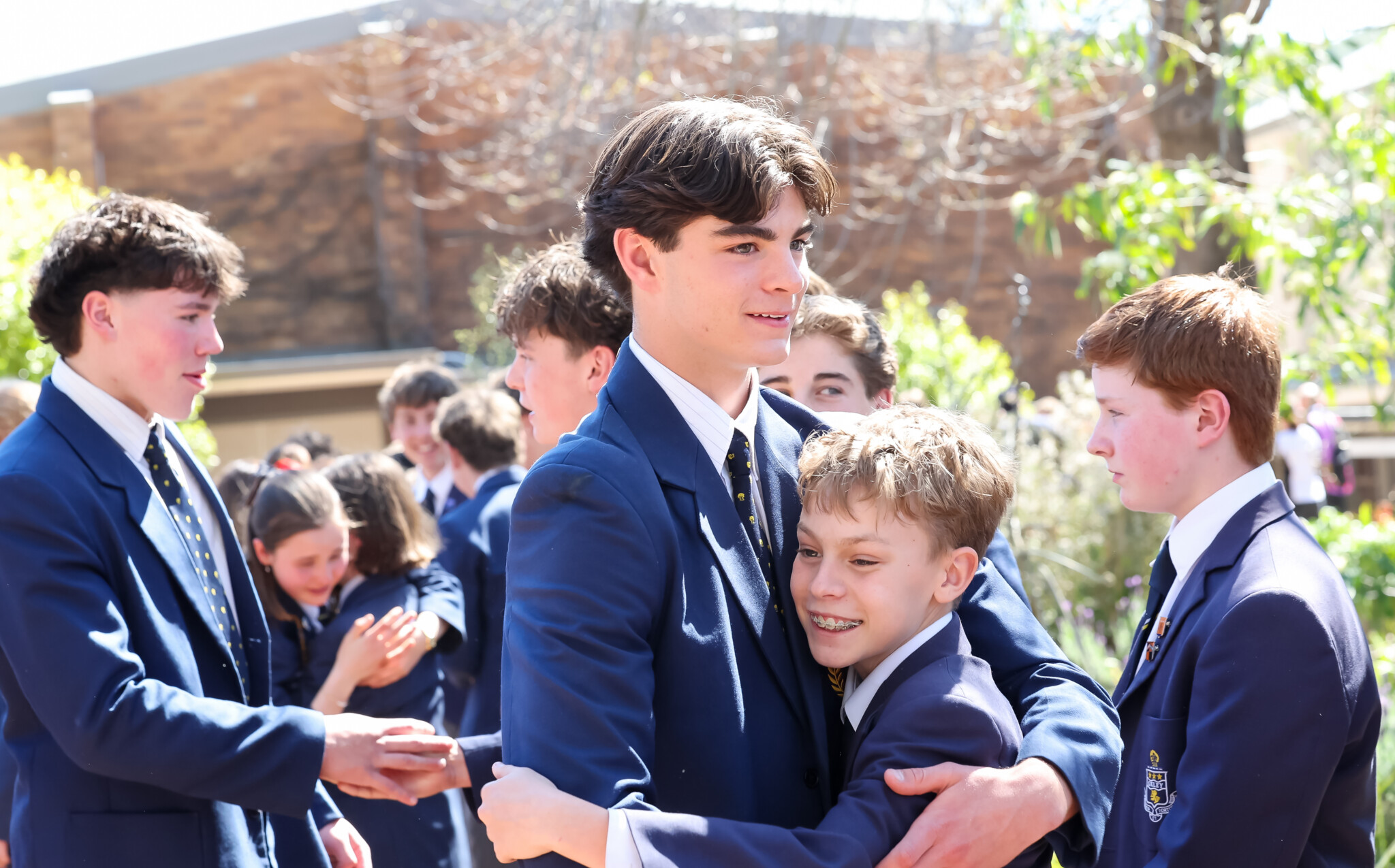
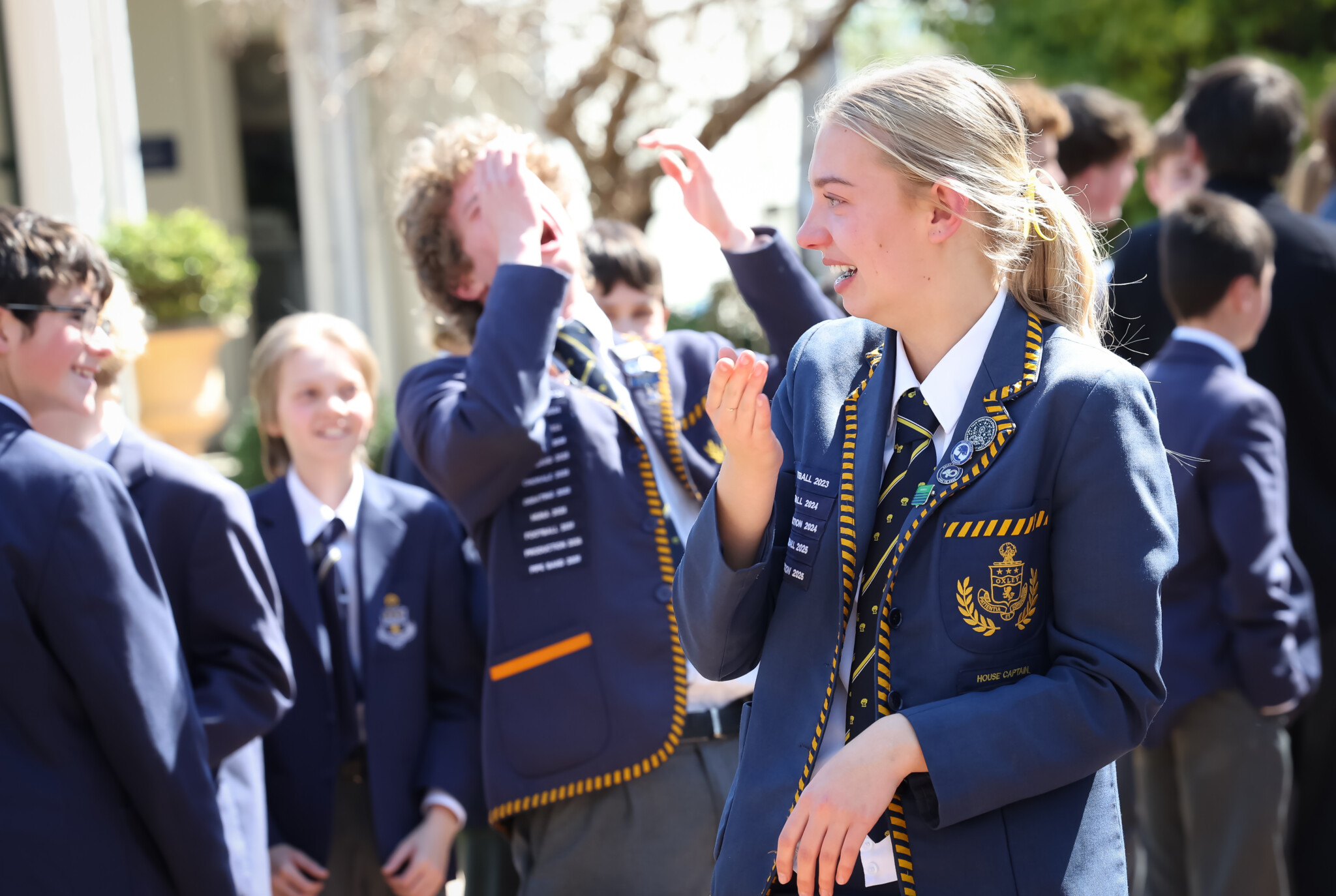
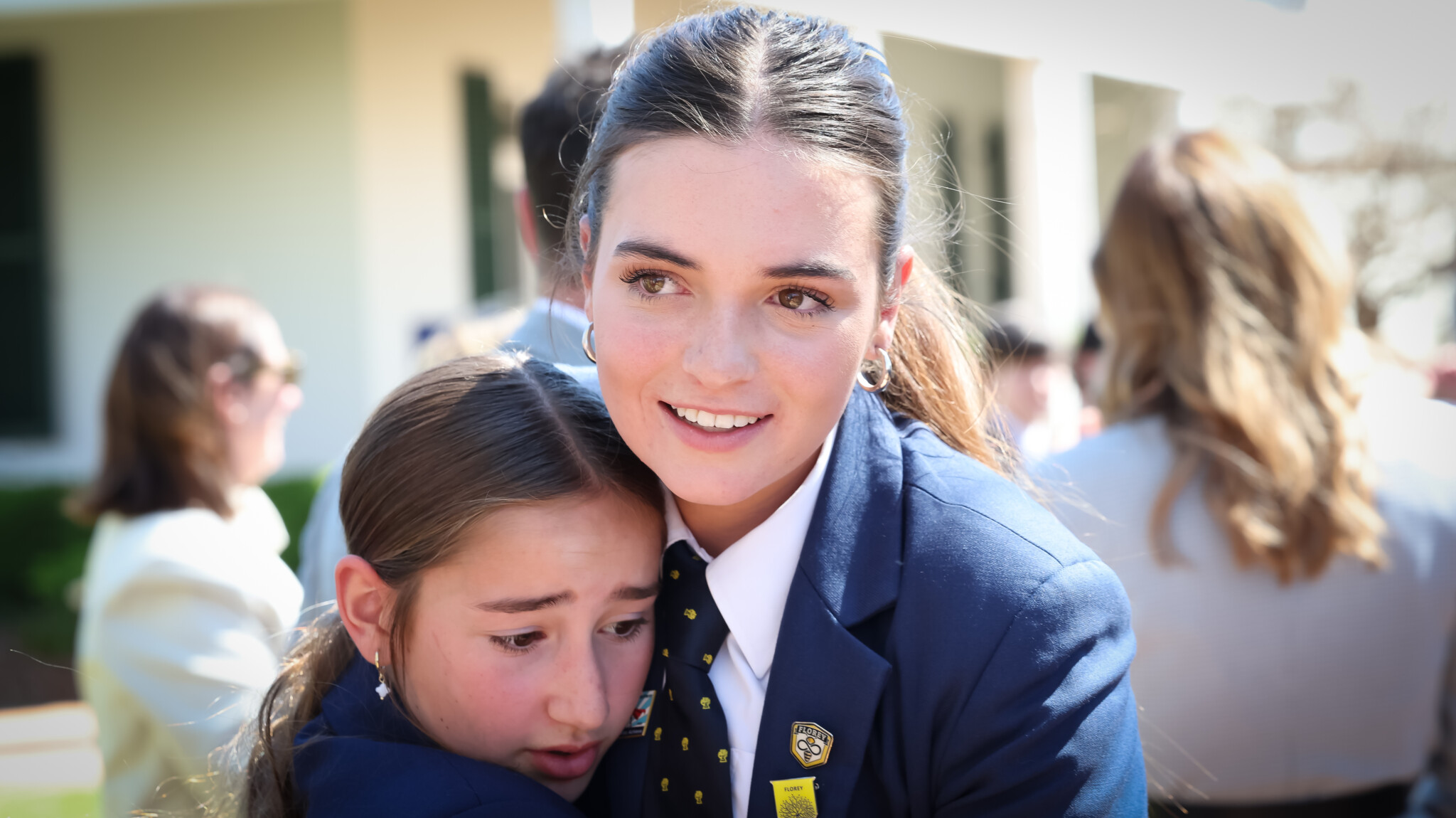
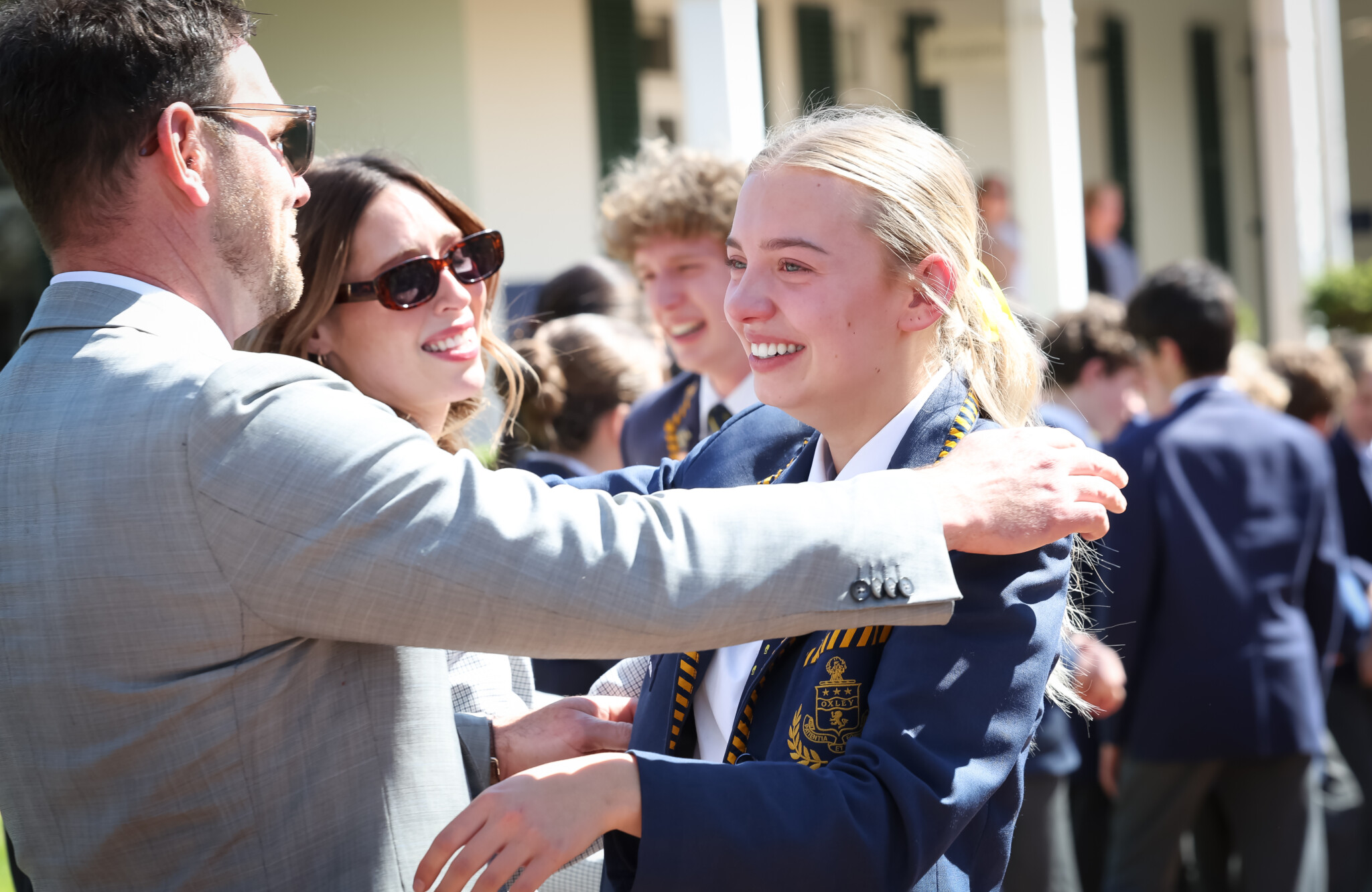
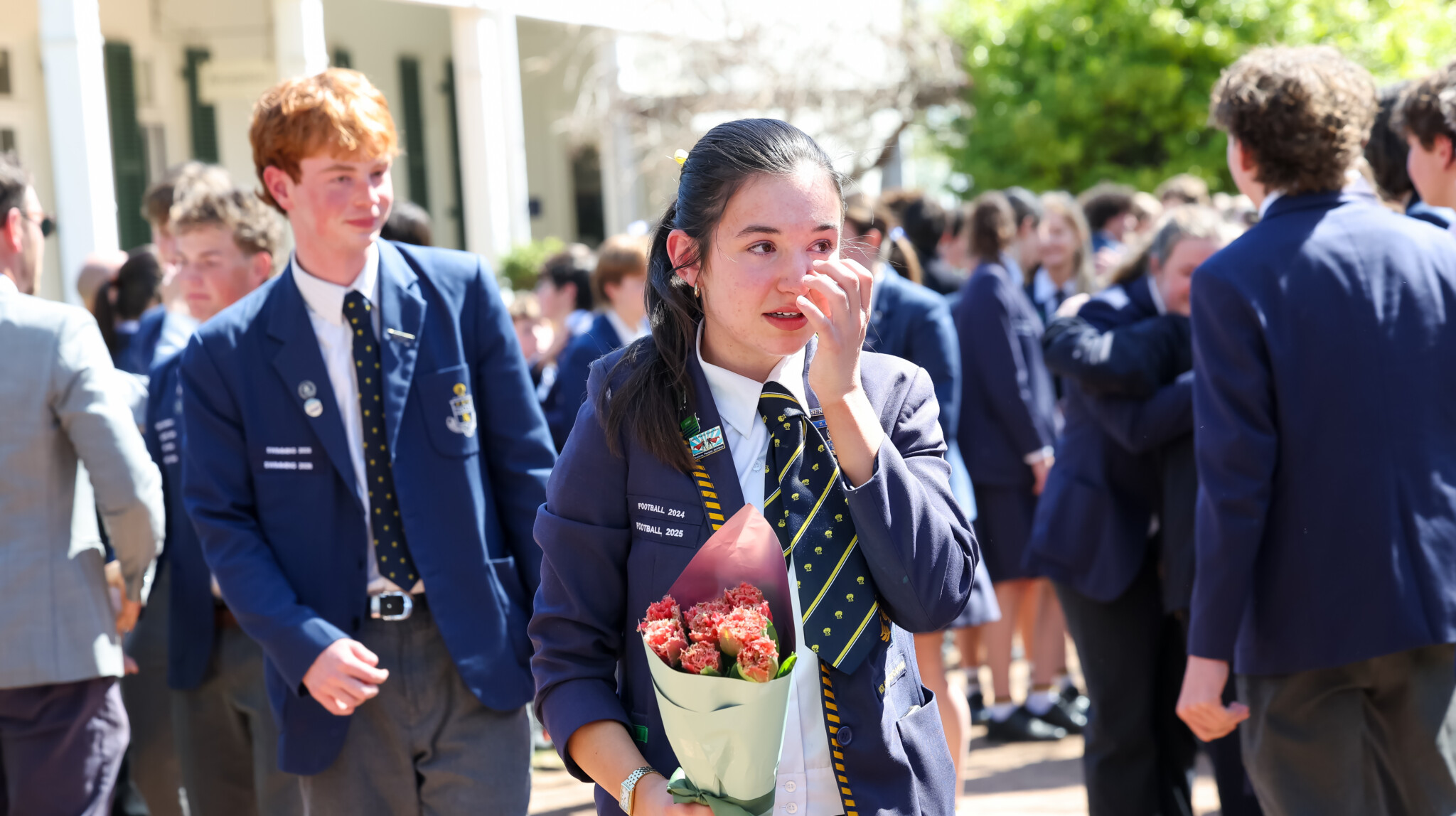
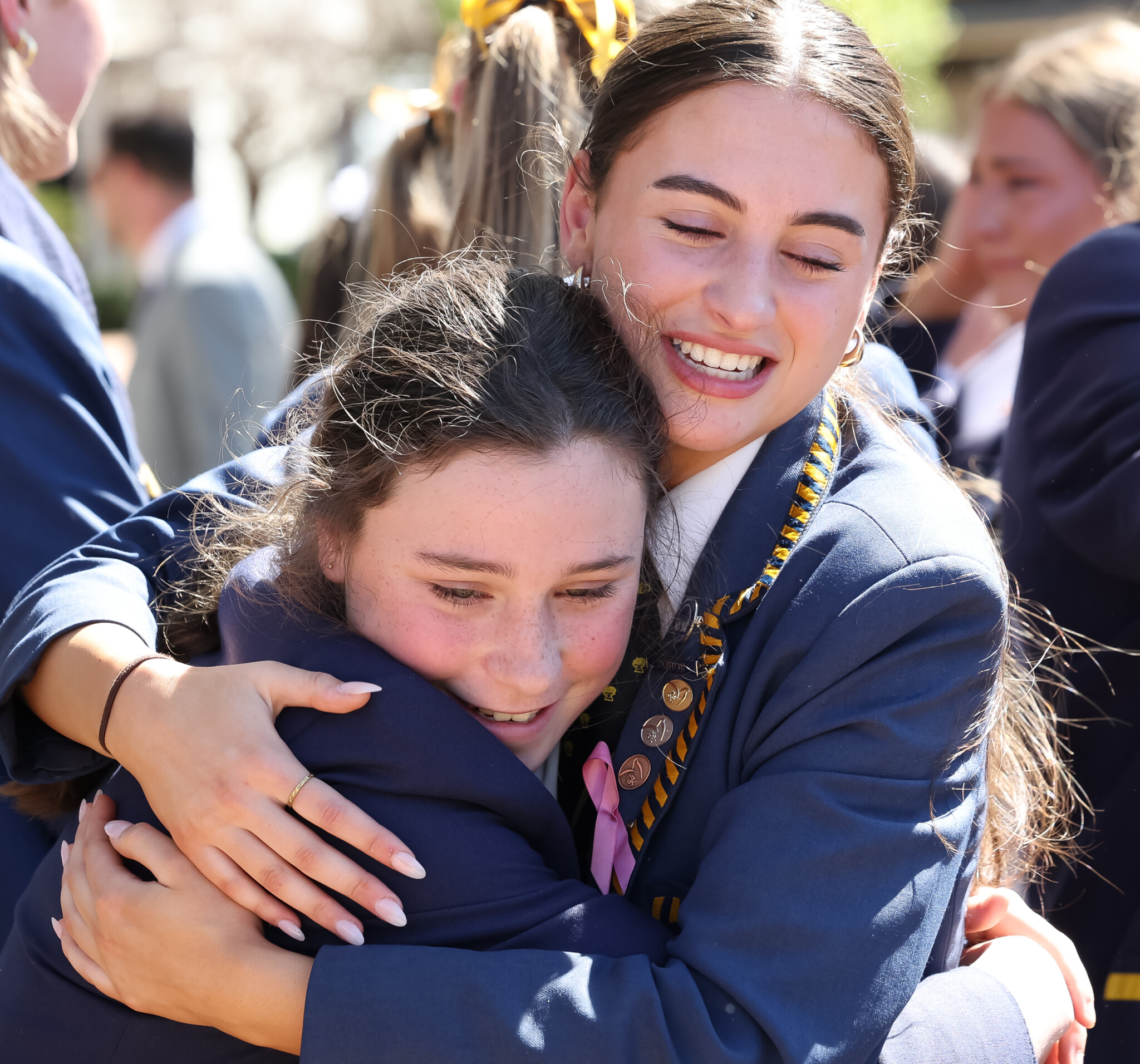
Year 12 Graduation

Year 12 Graduation

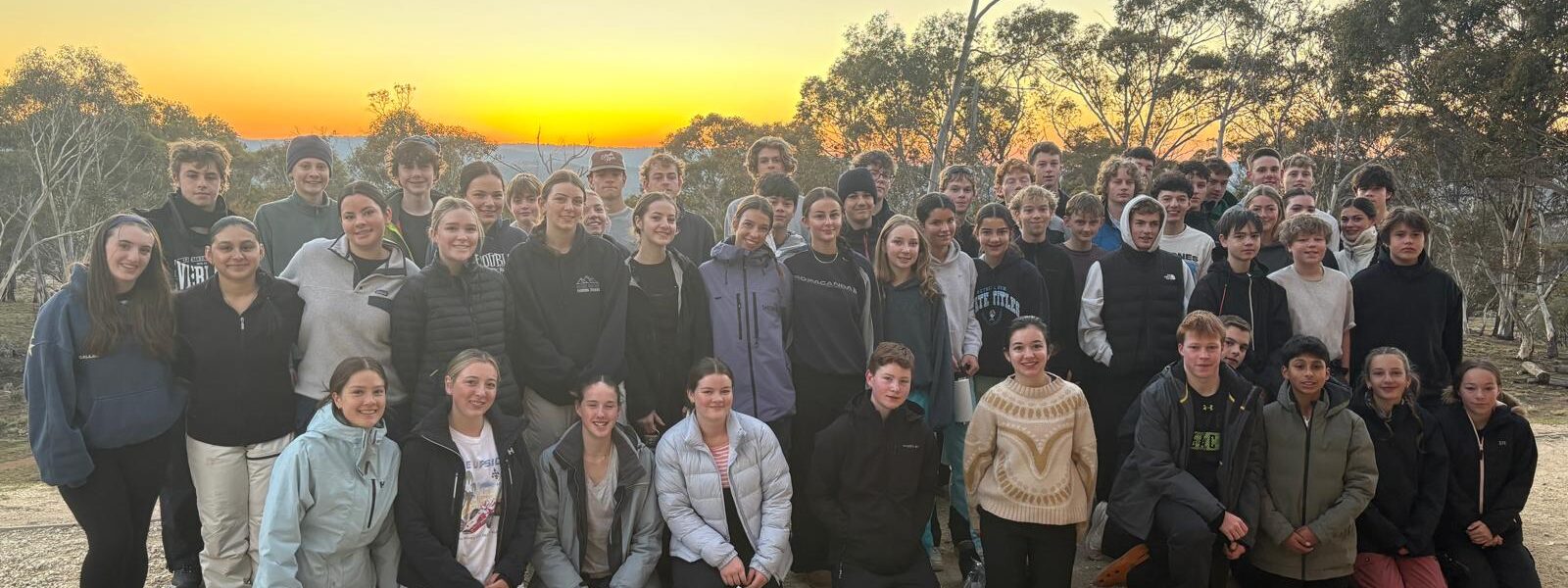
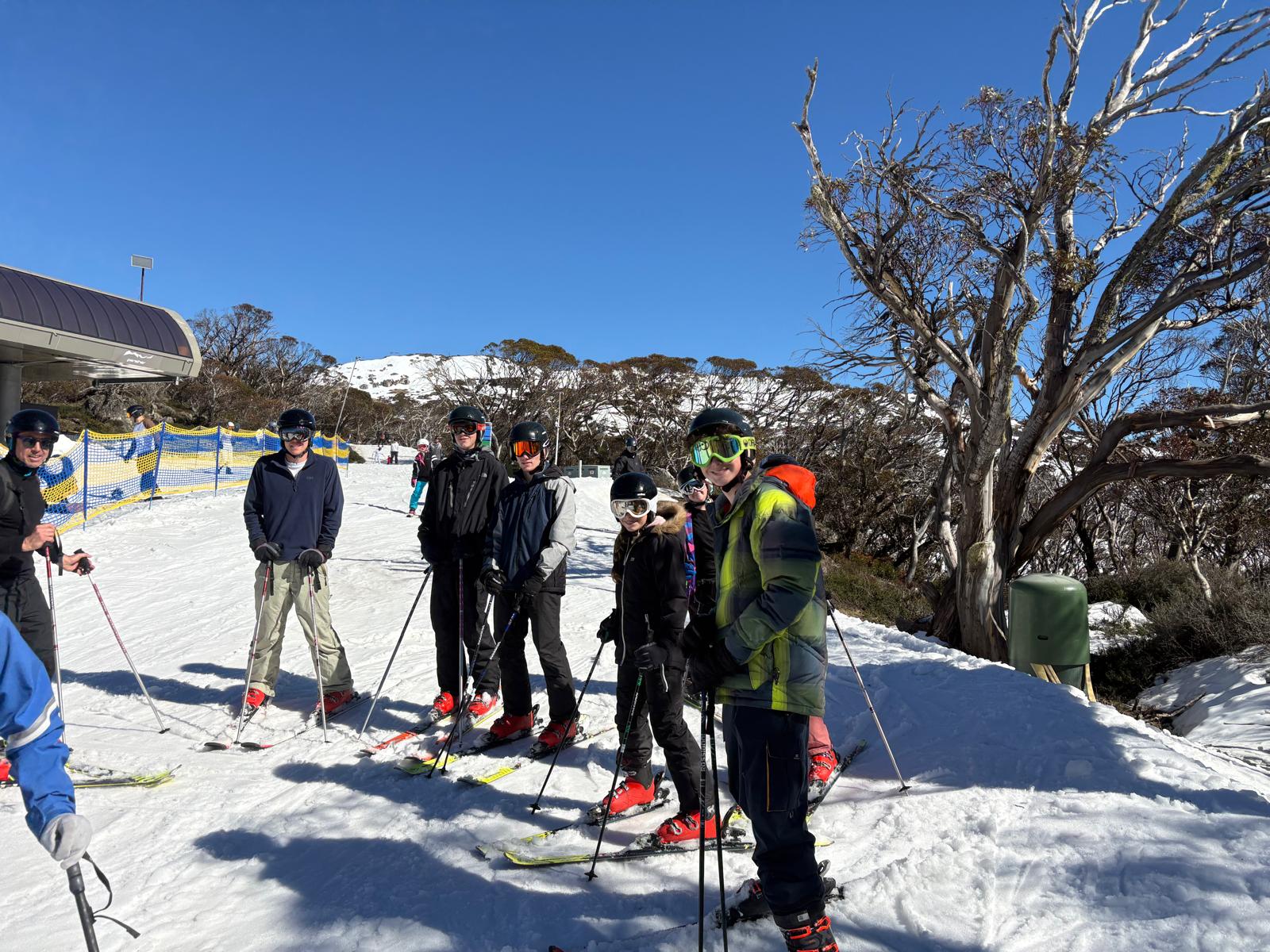
Ski Trip- Oxley College, 2026.

Ski Trip- Oxley College, 2026.

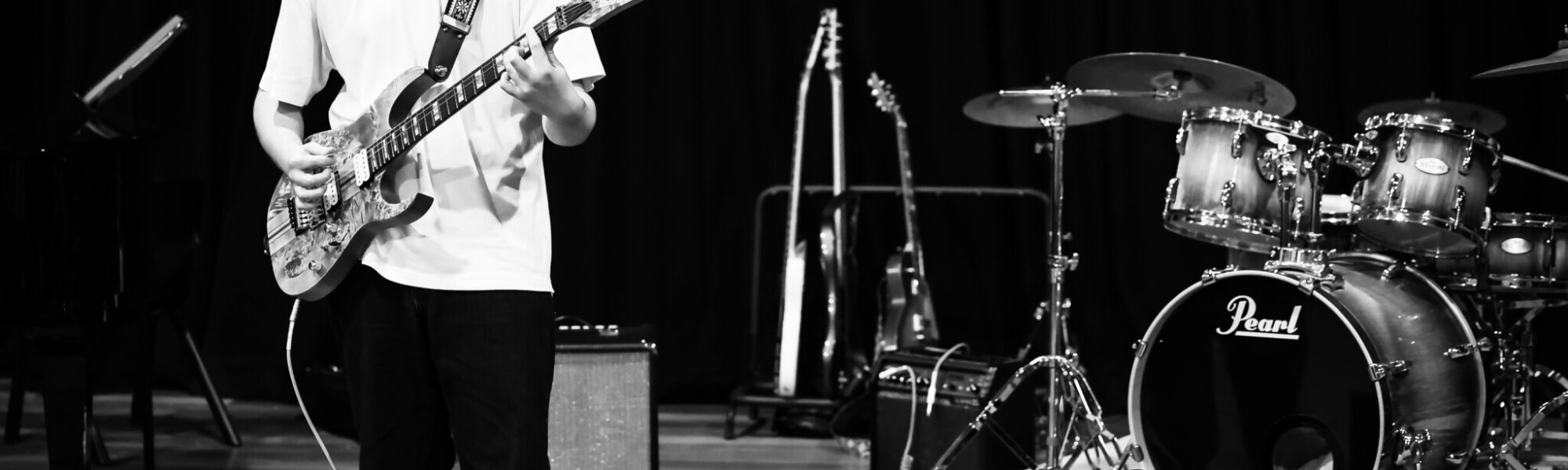
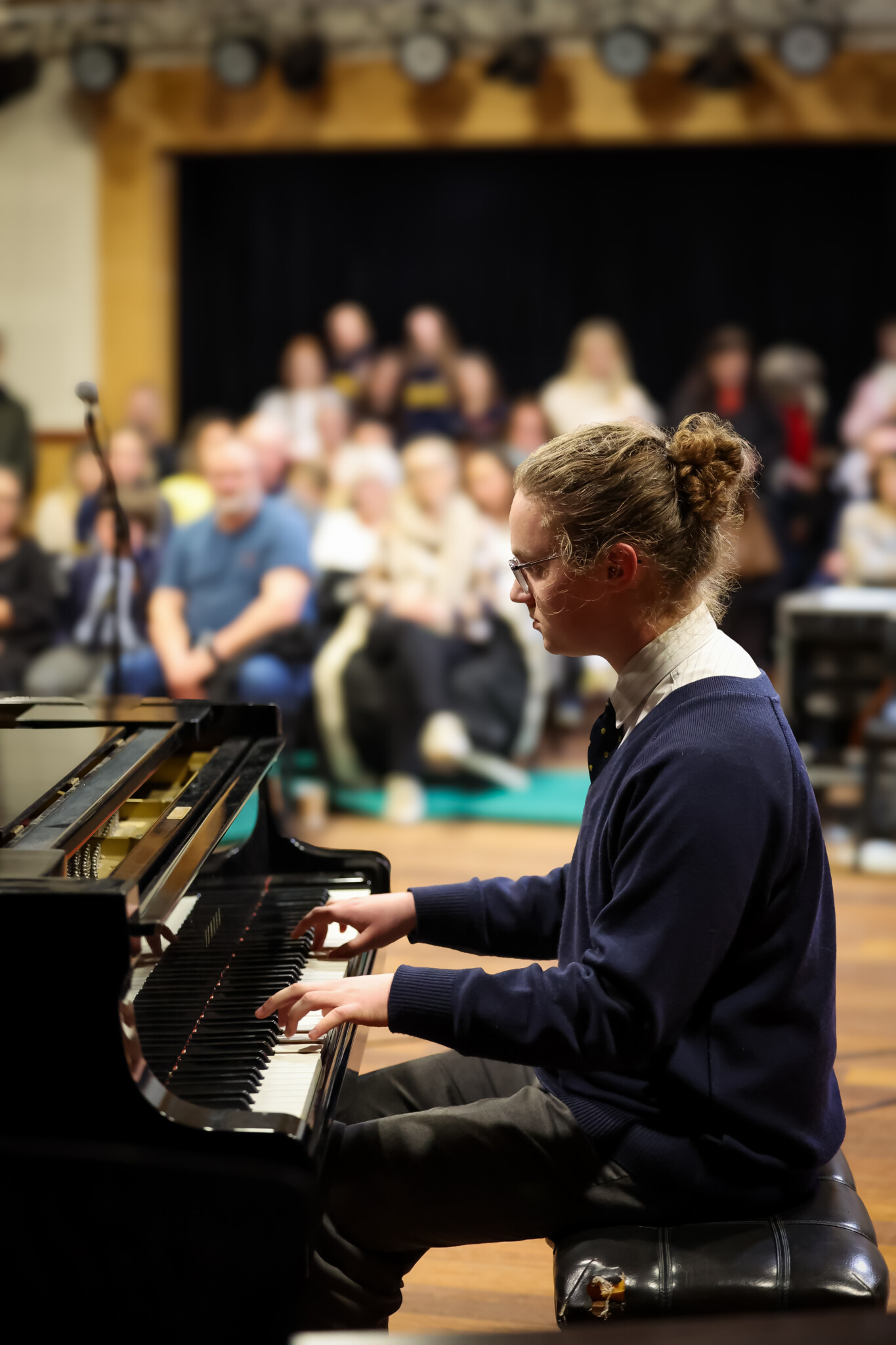
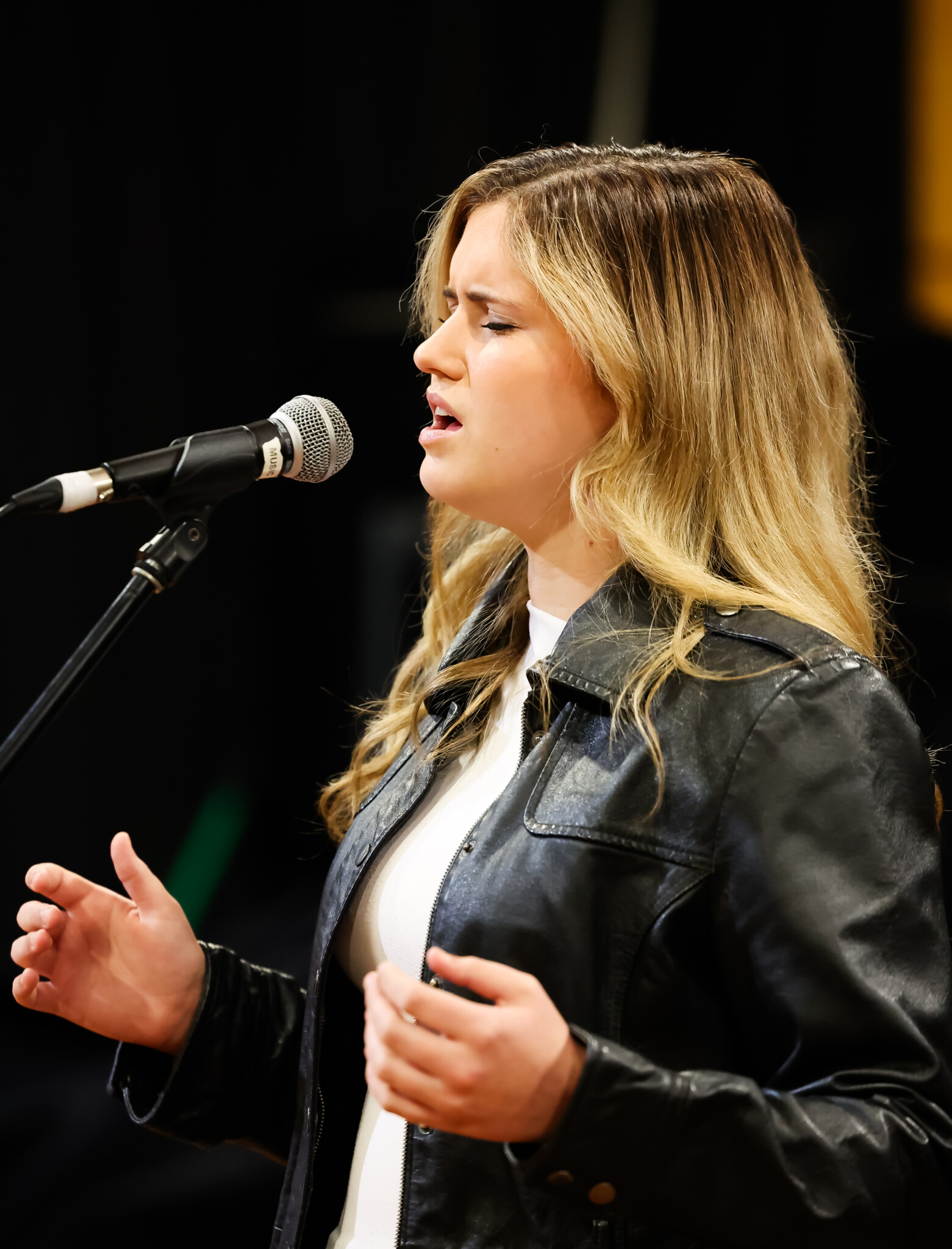
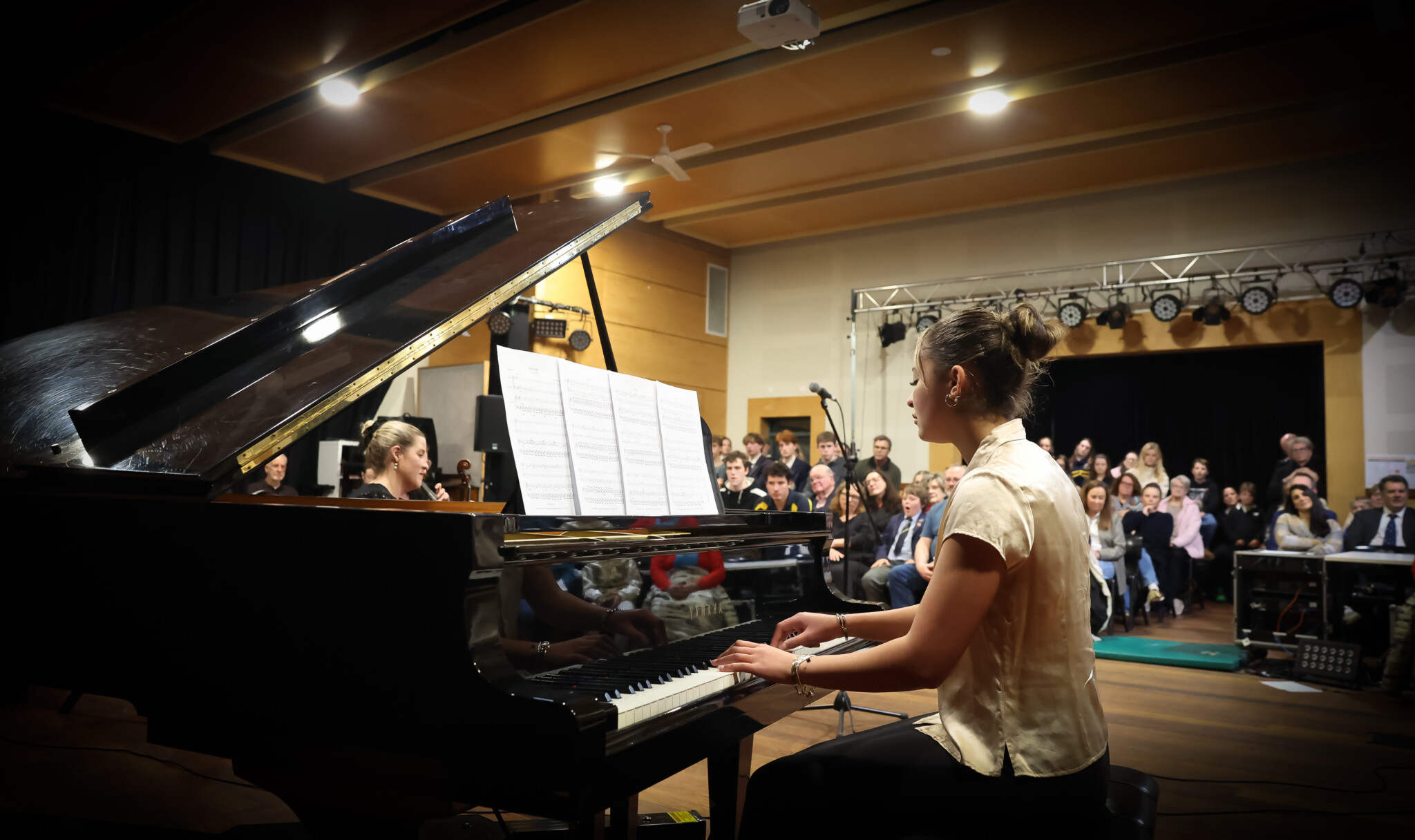
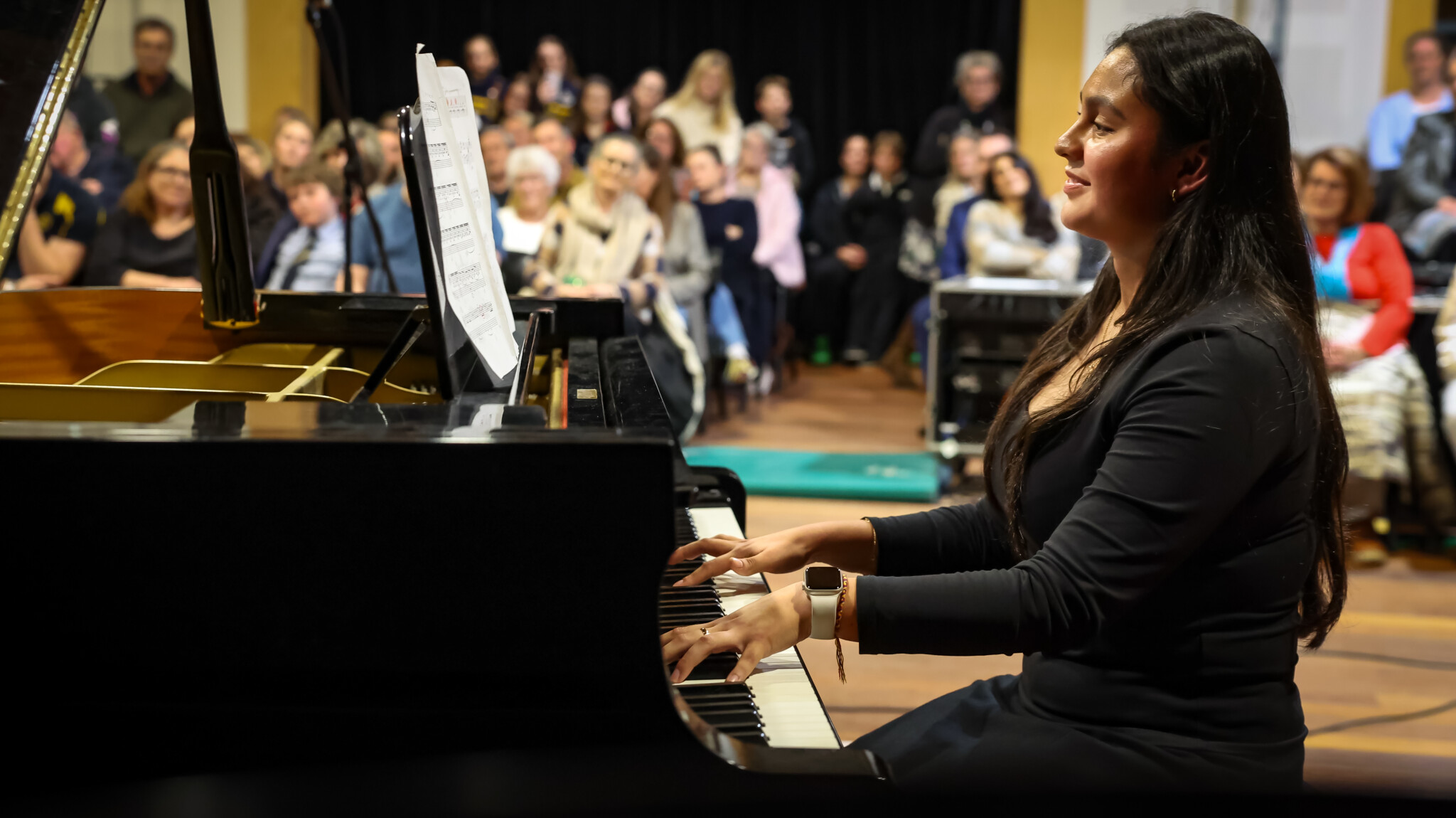
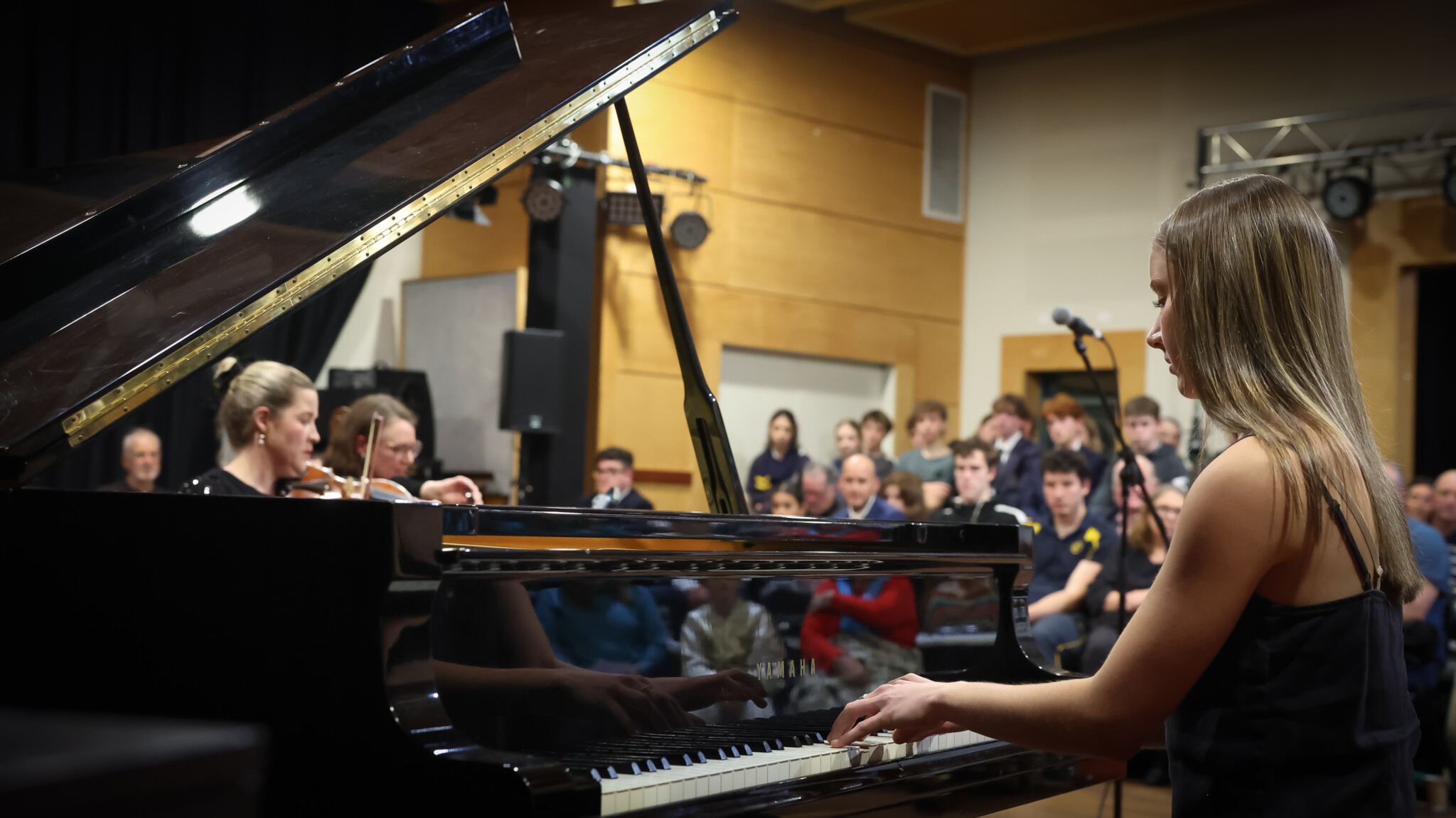
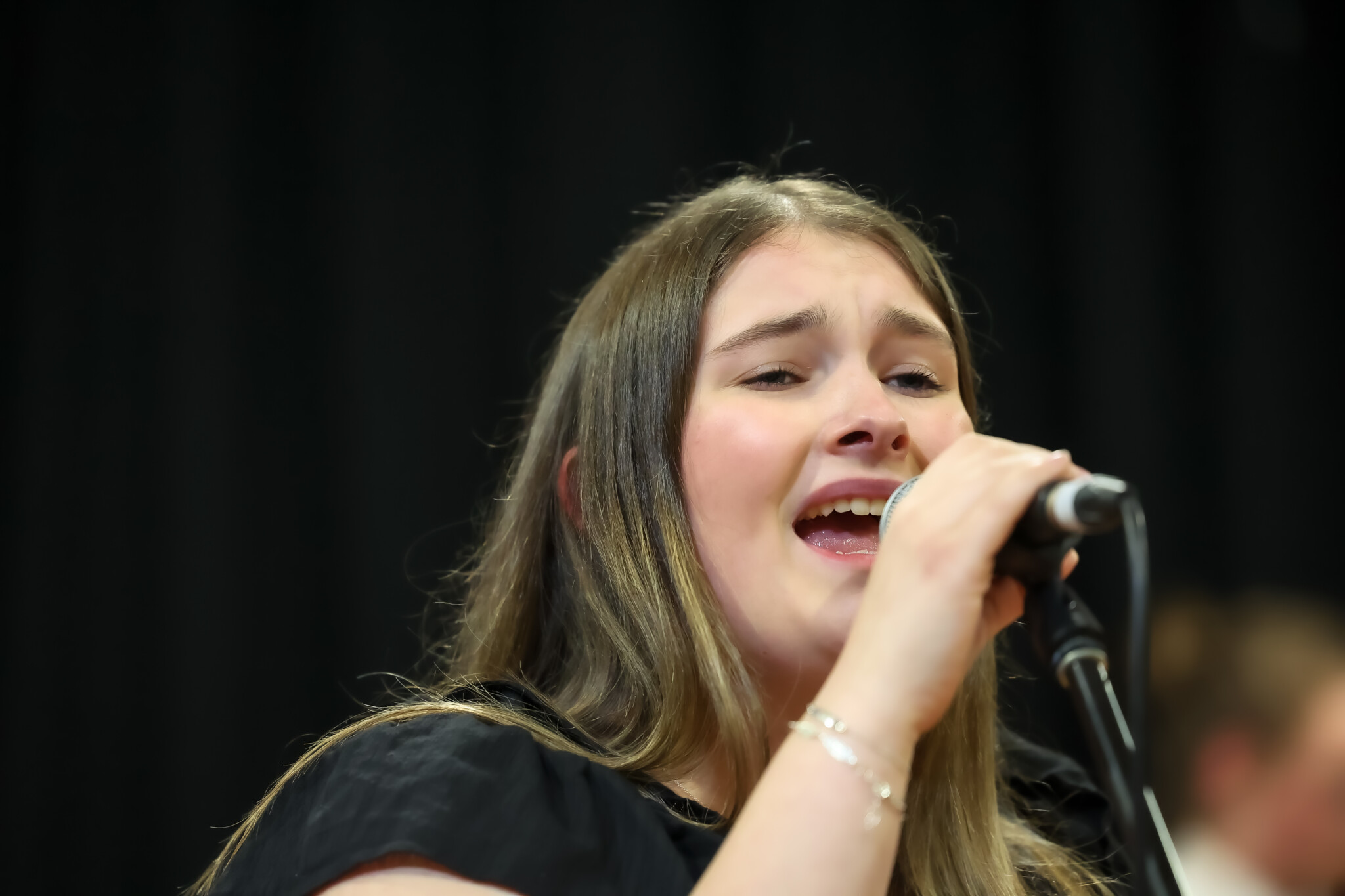
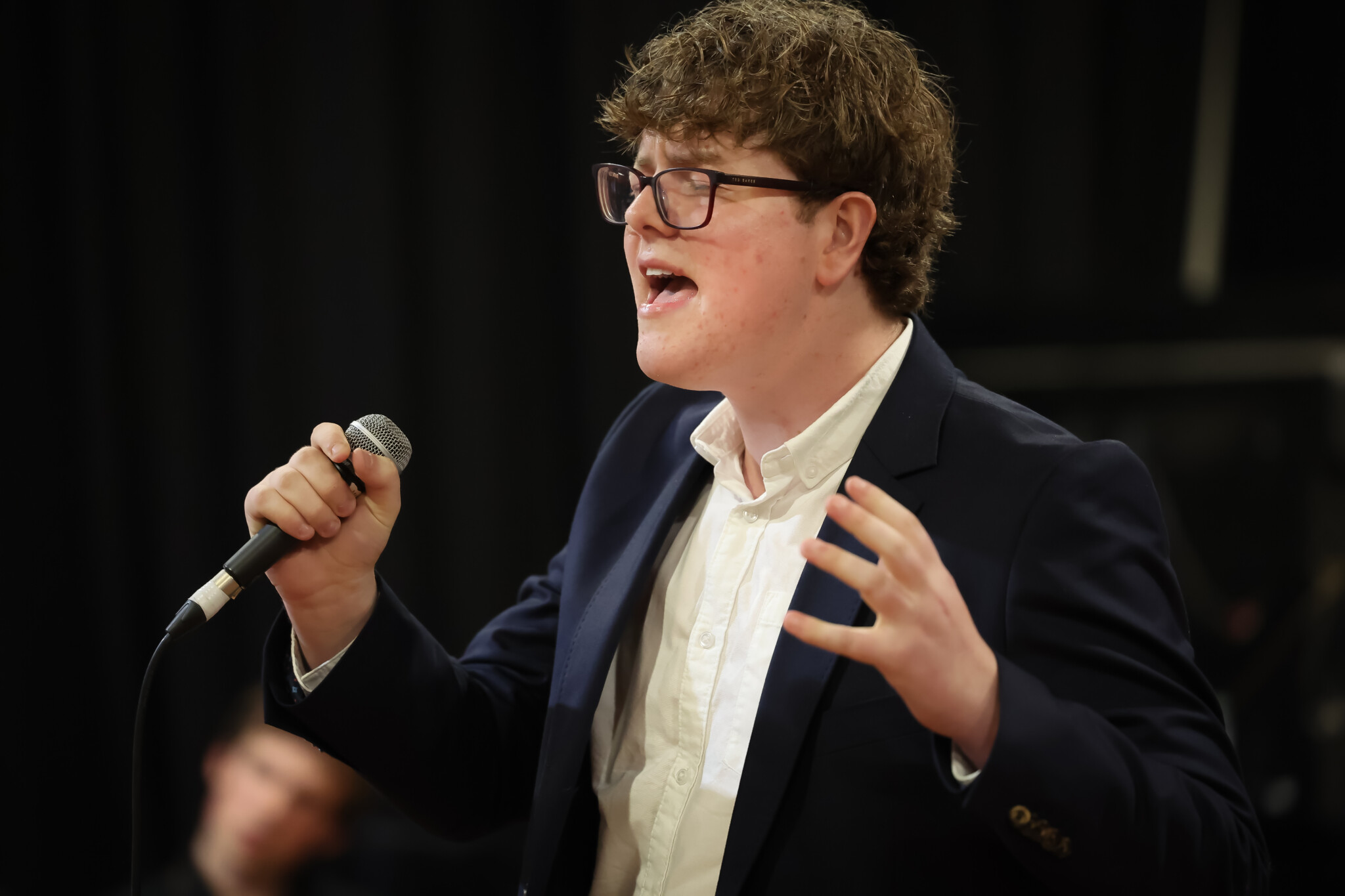
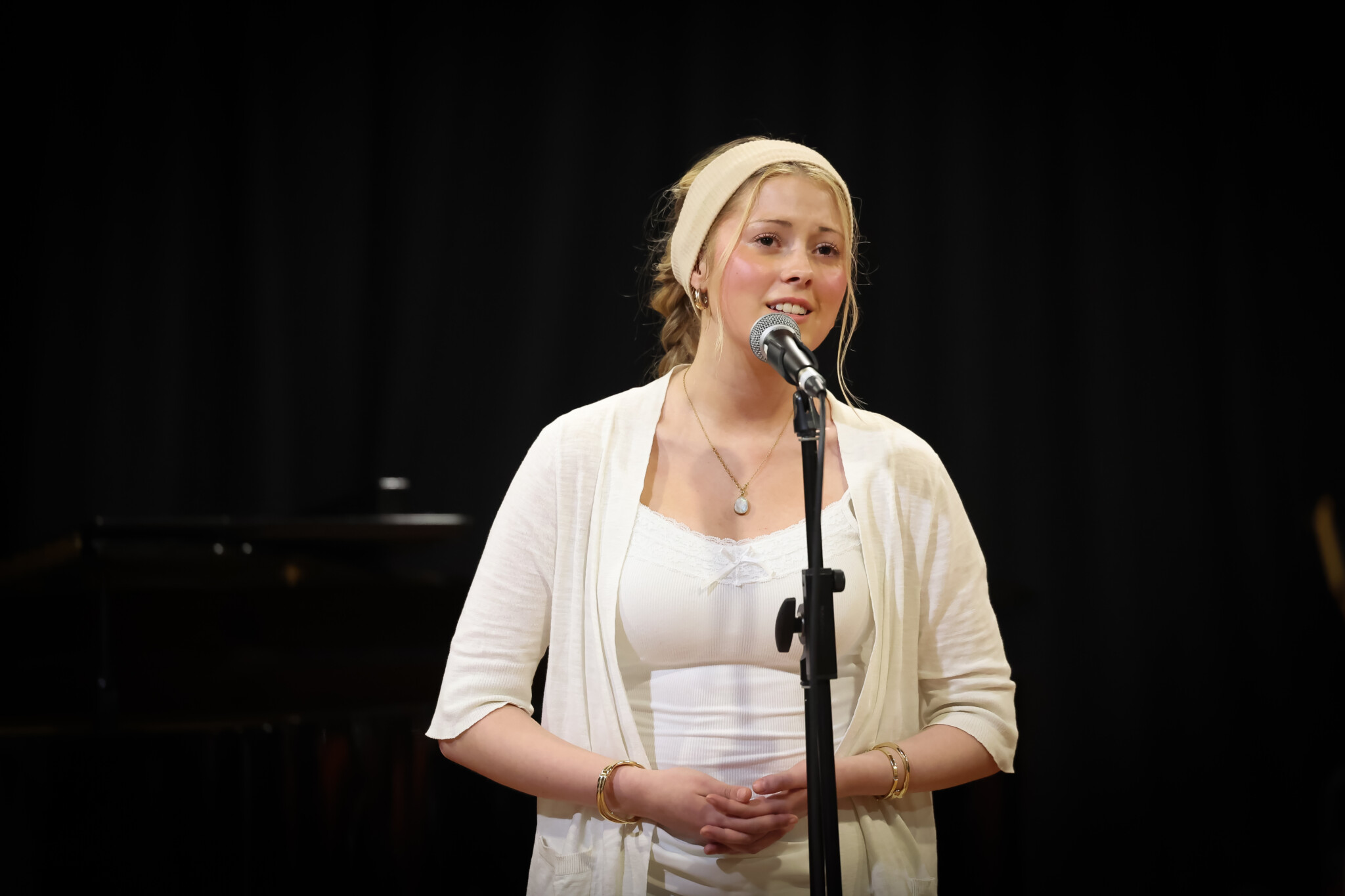
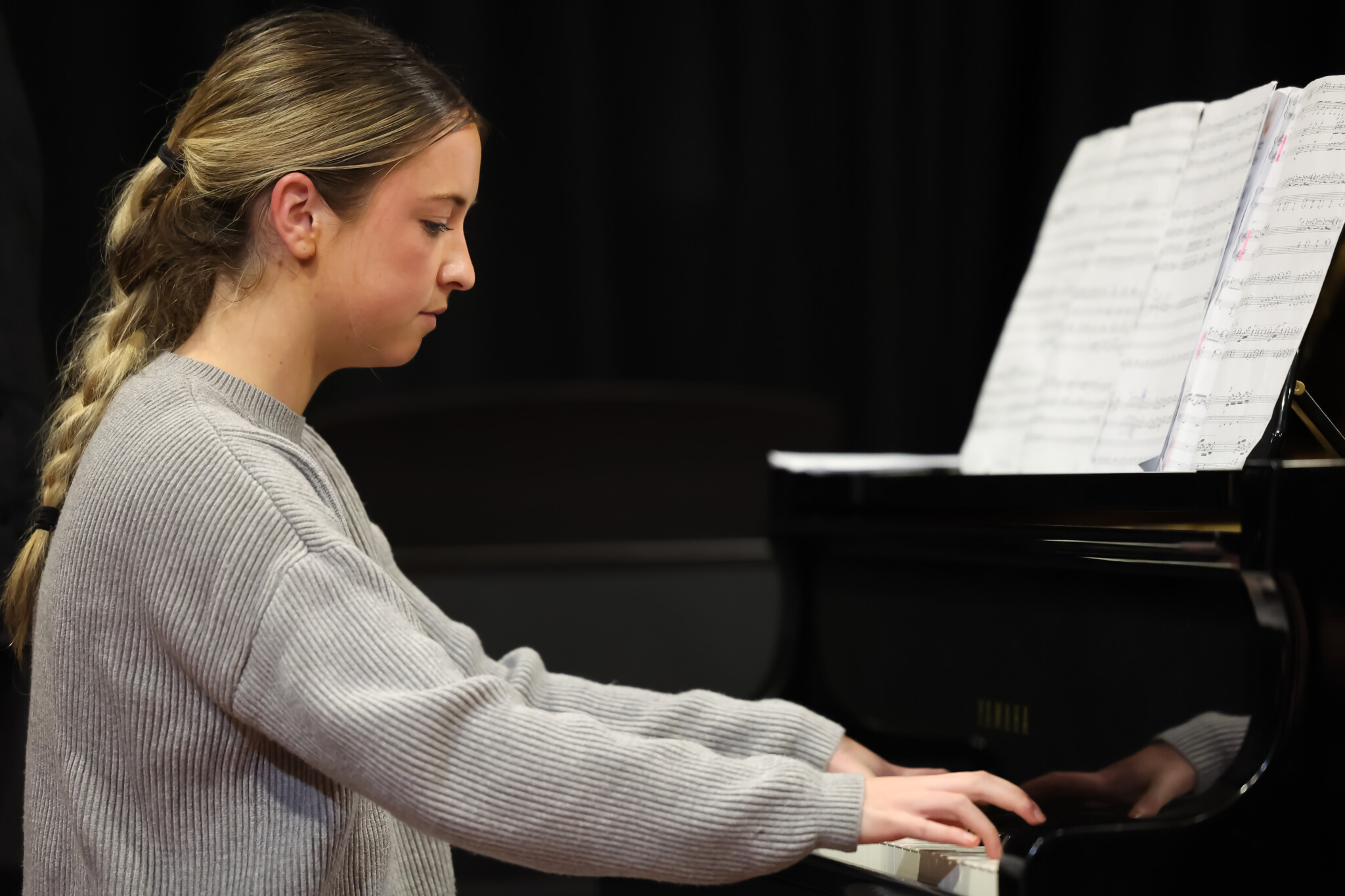
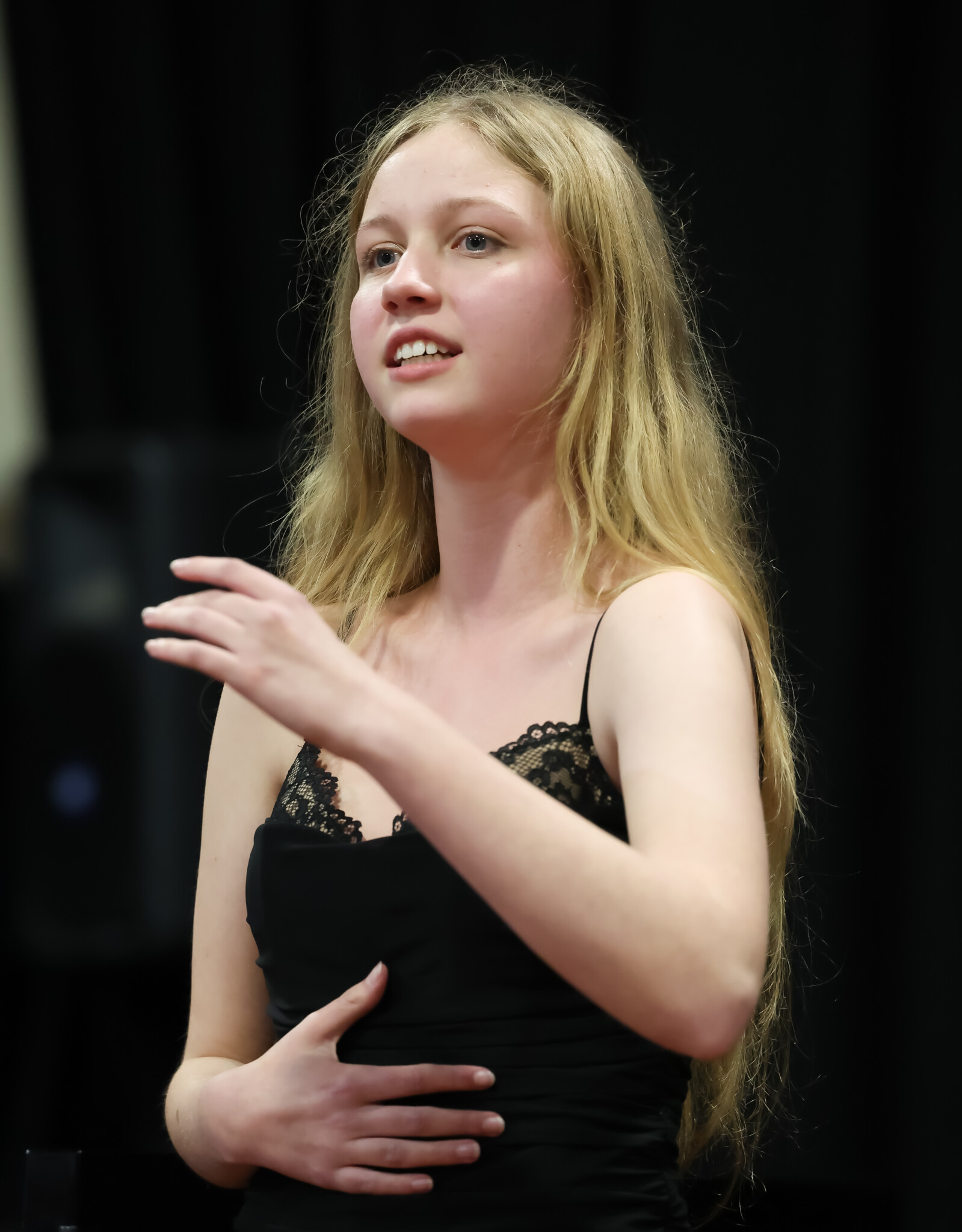
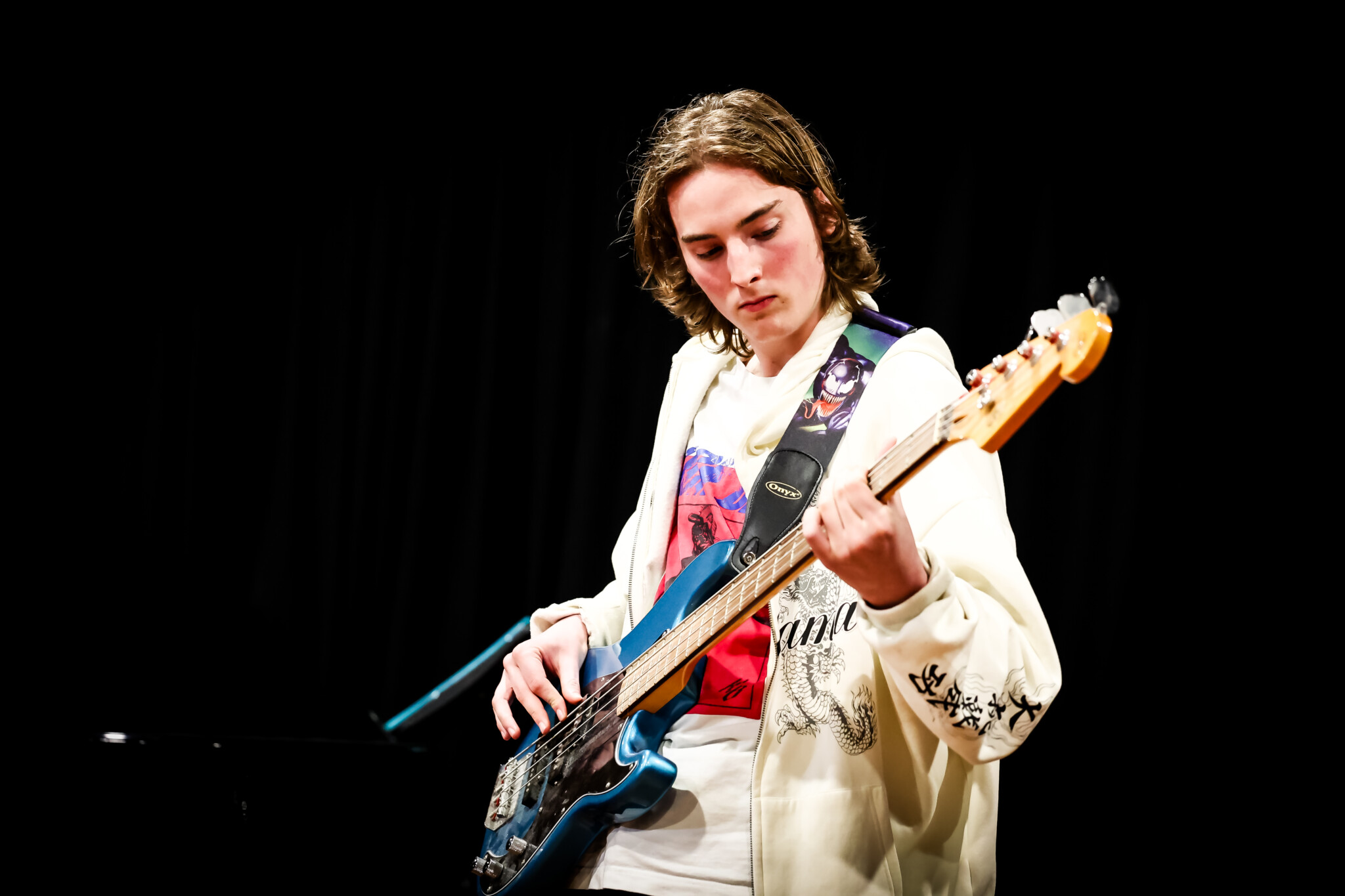
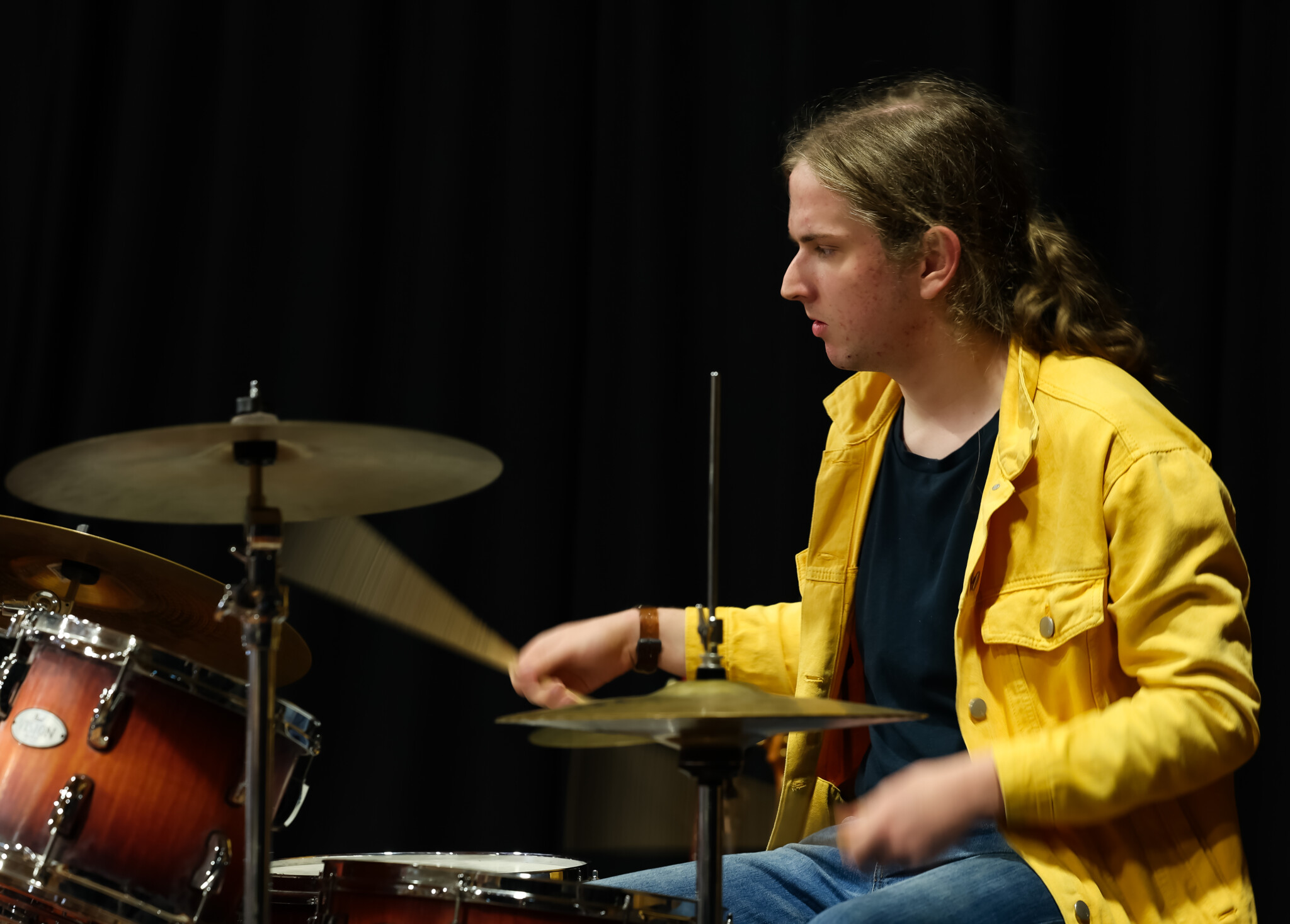
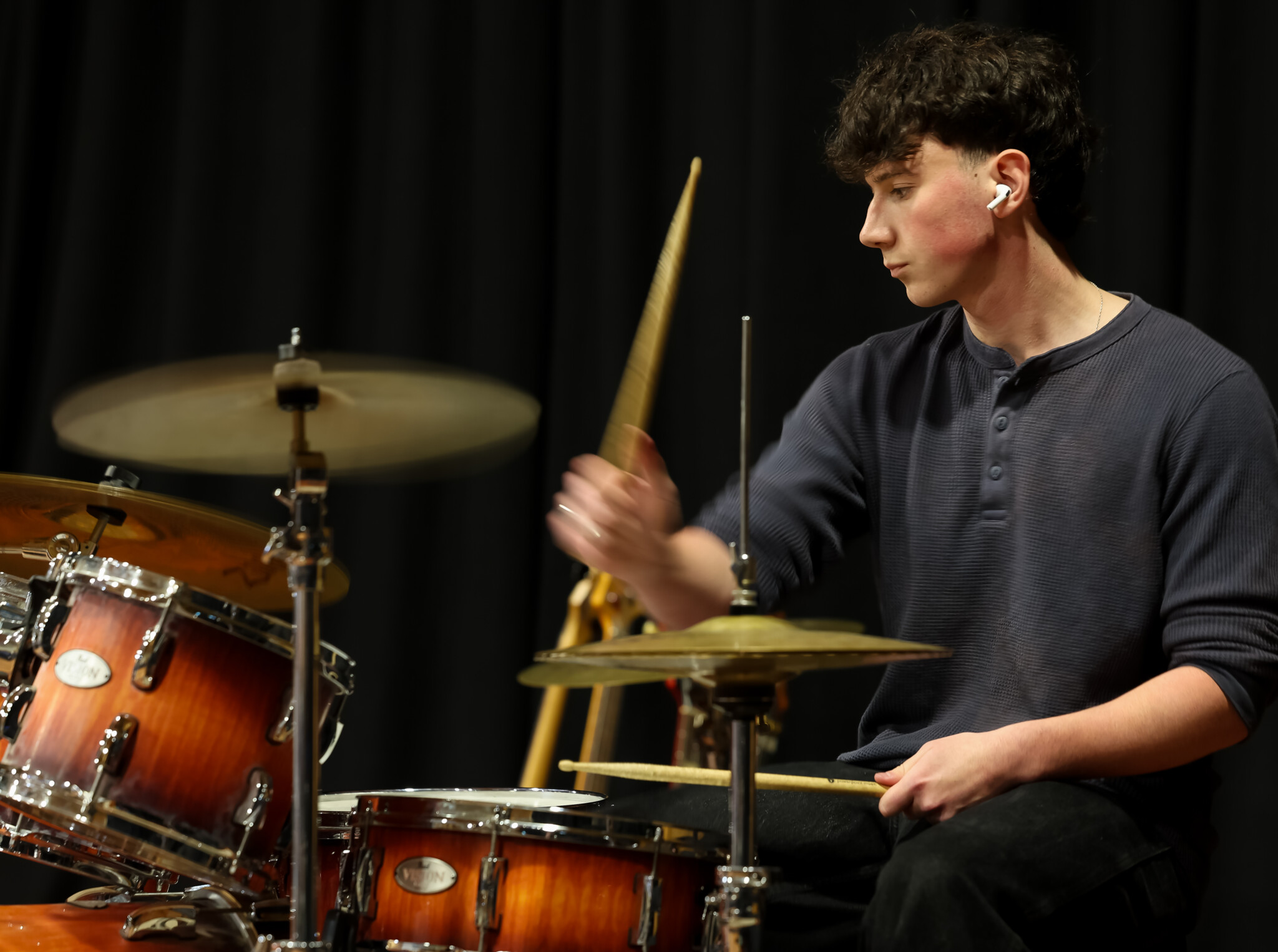
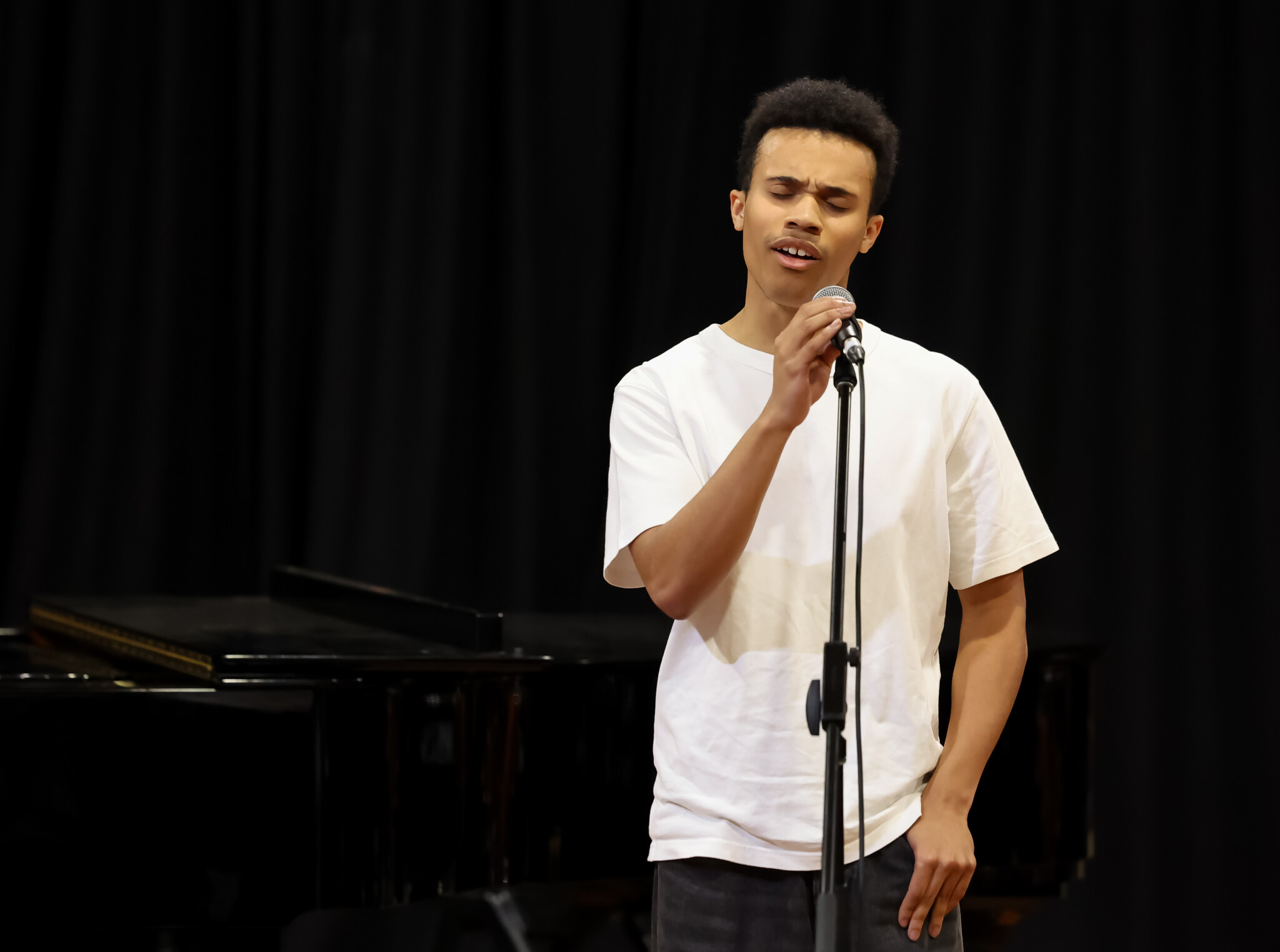
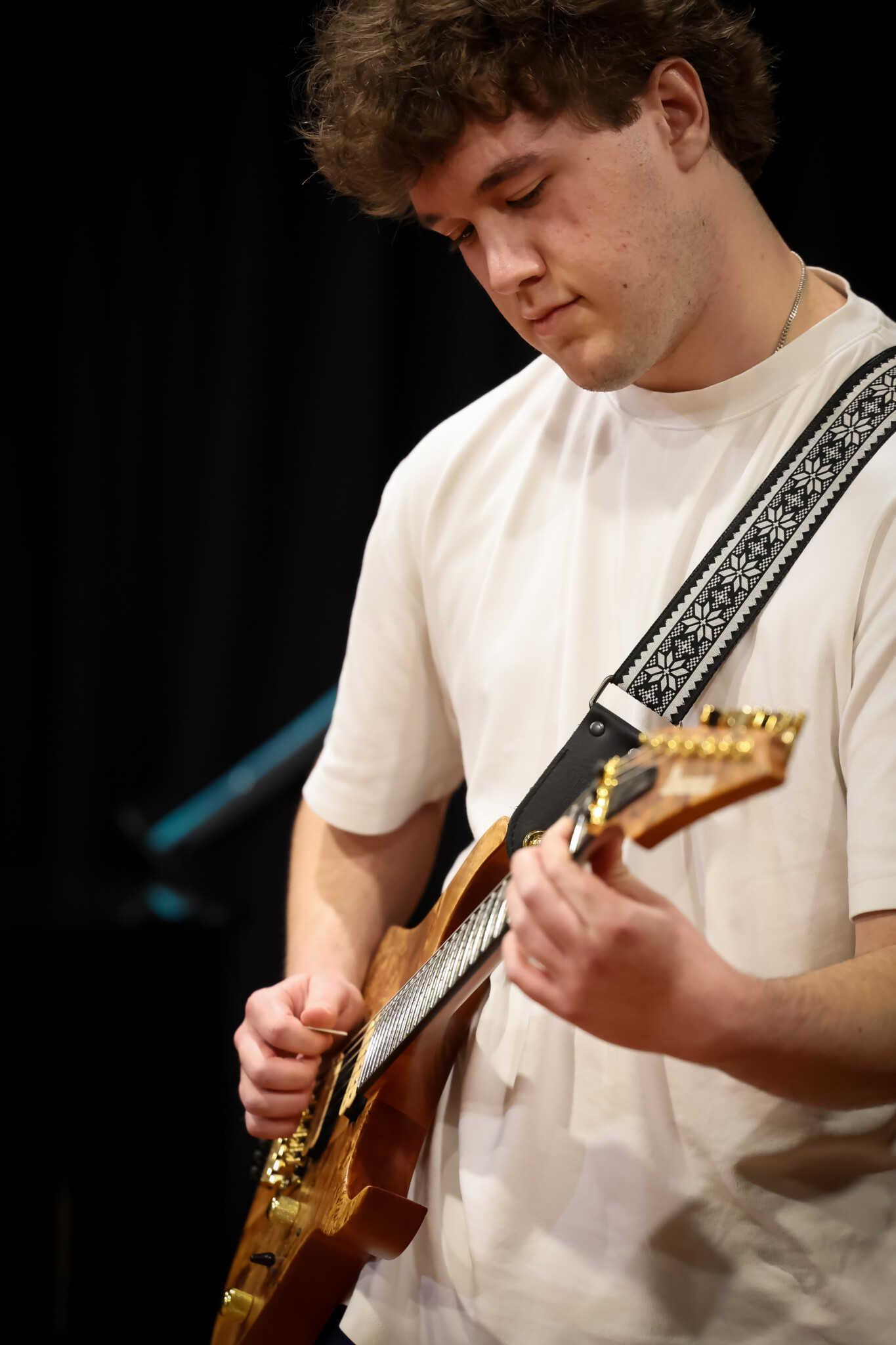
HSC Music Night

HSC Music Night

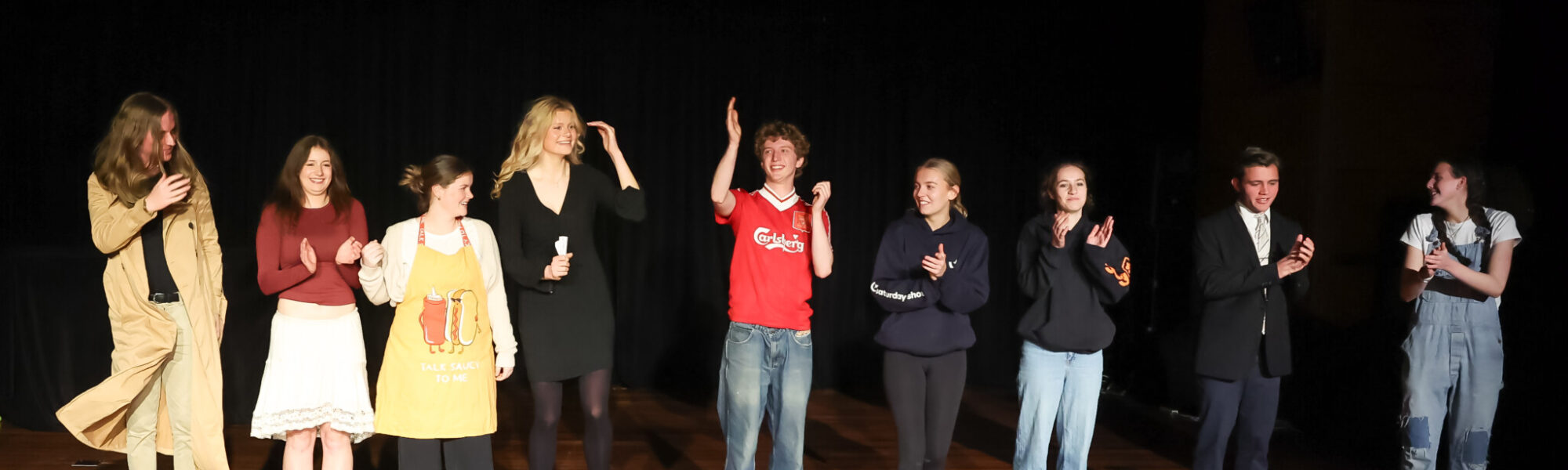
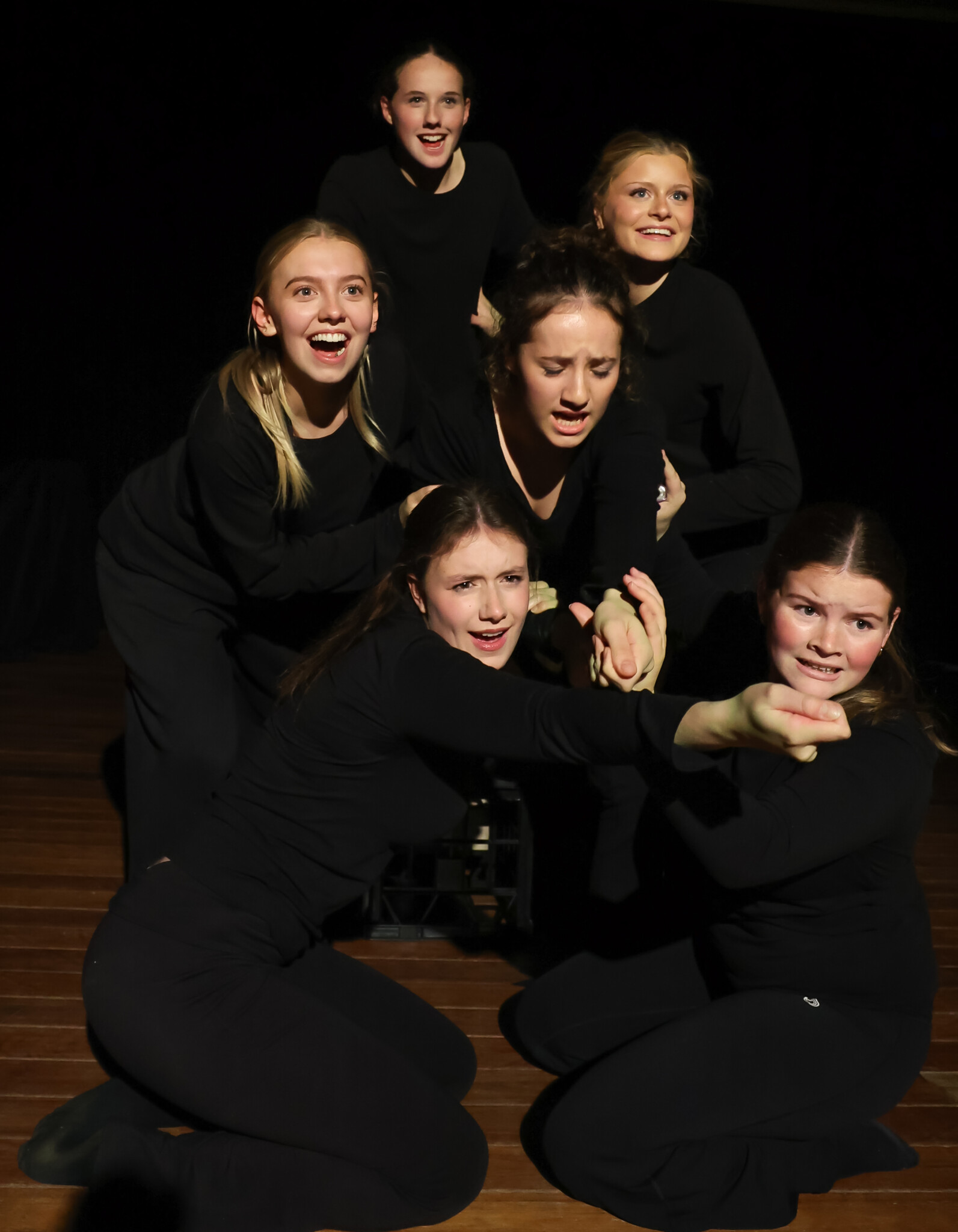
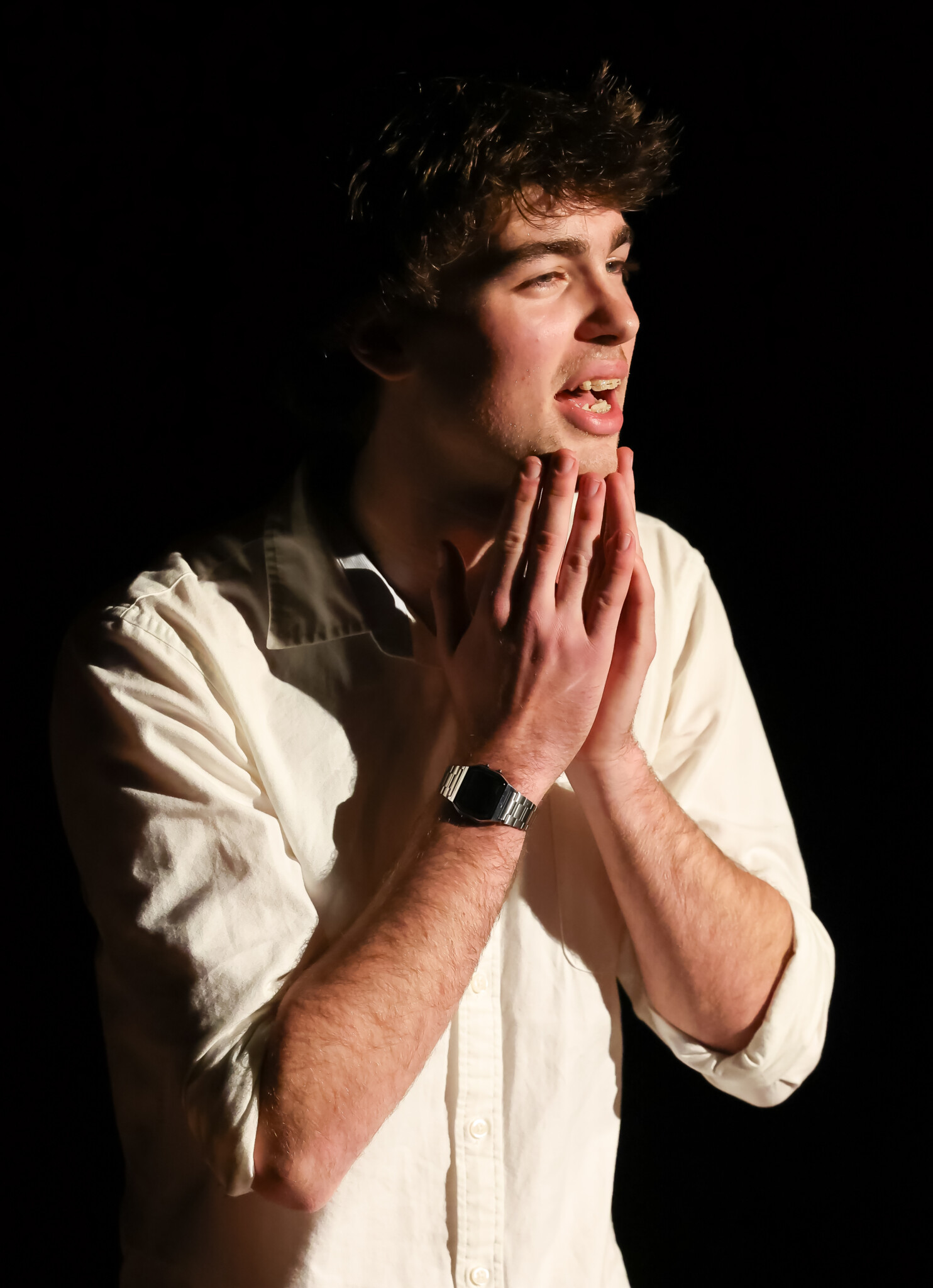
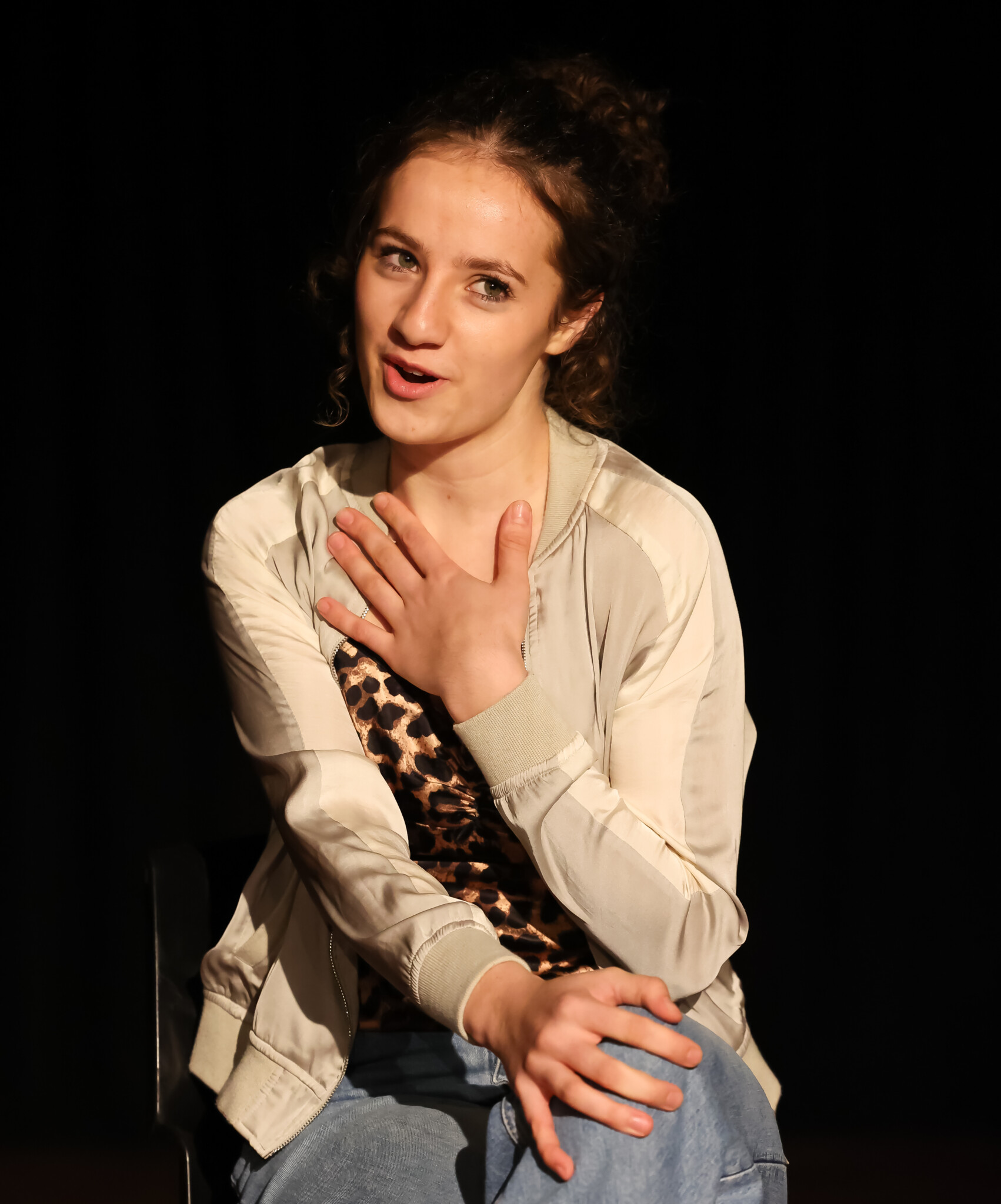
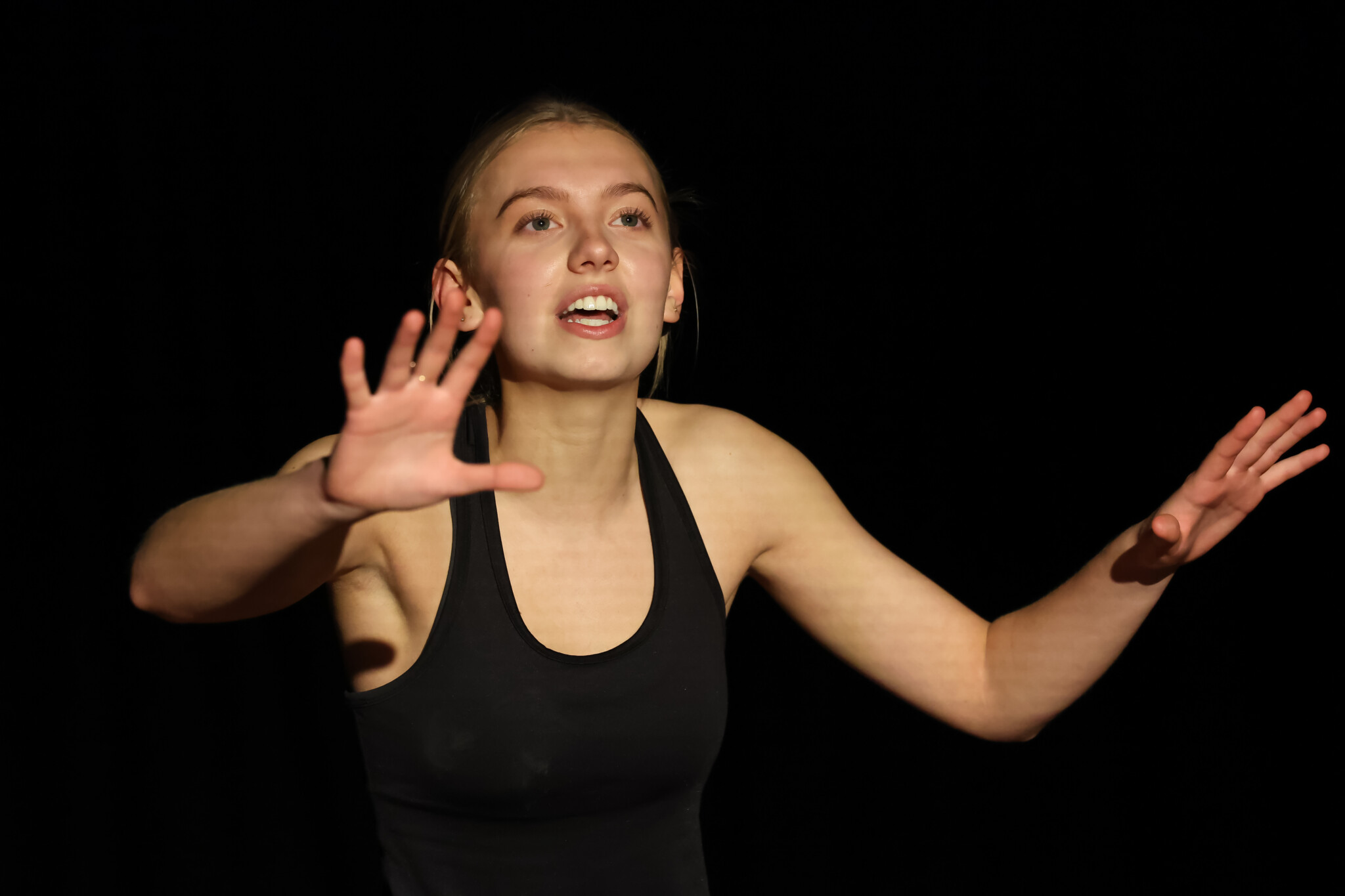
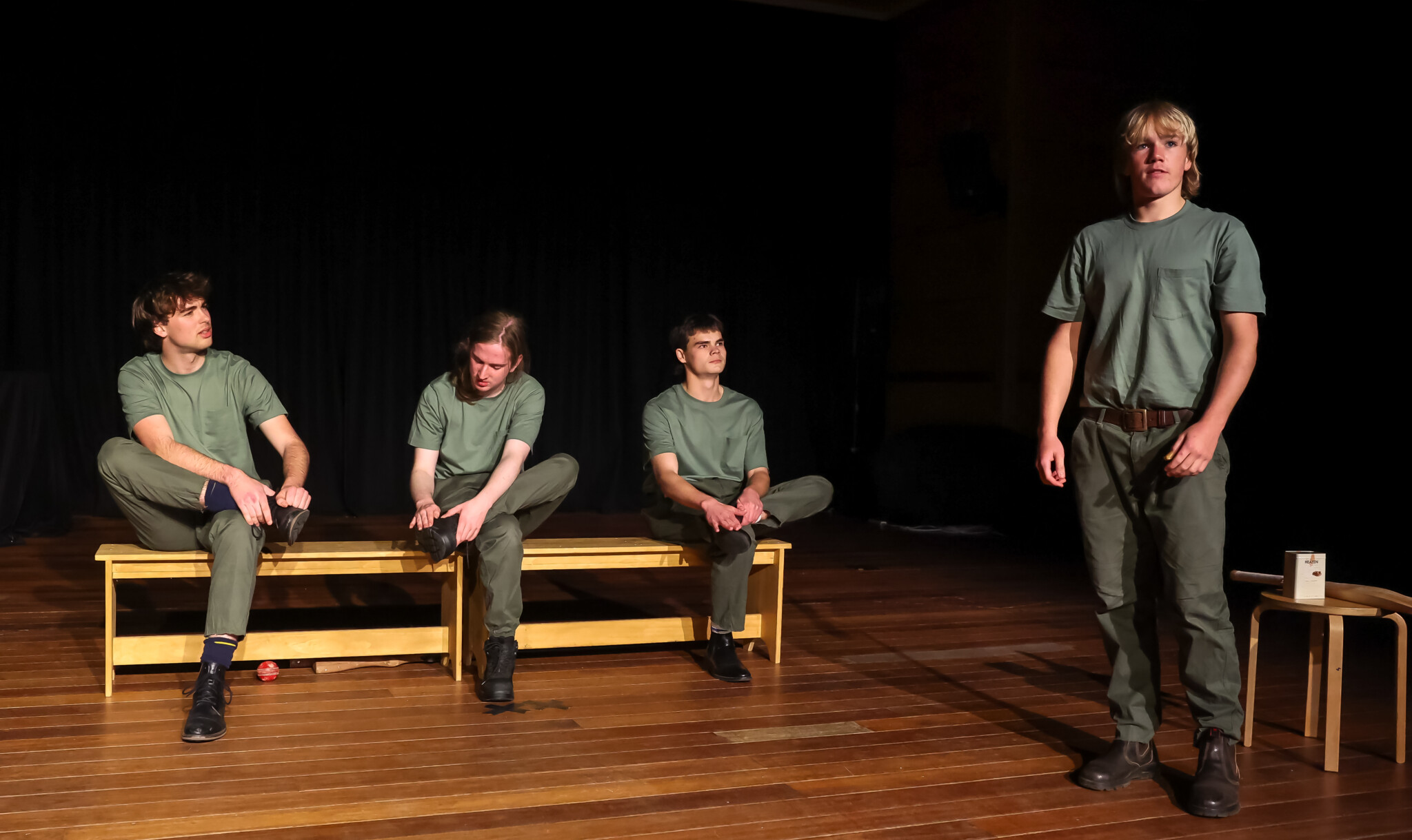
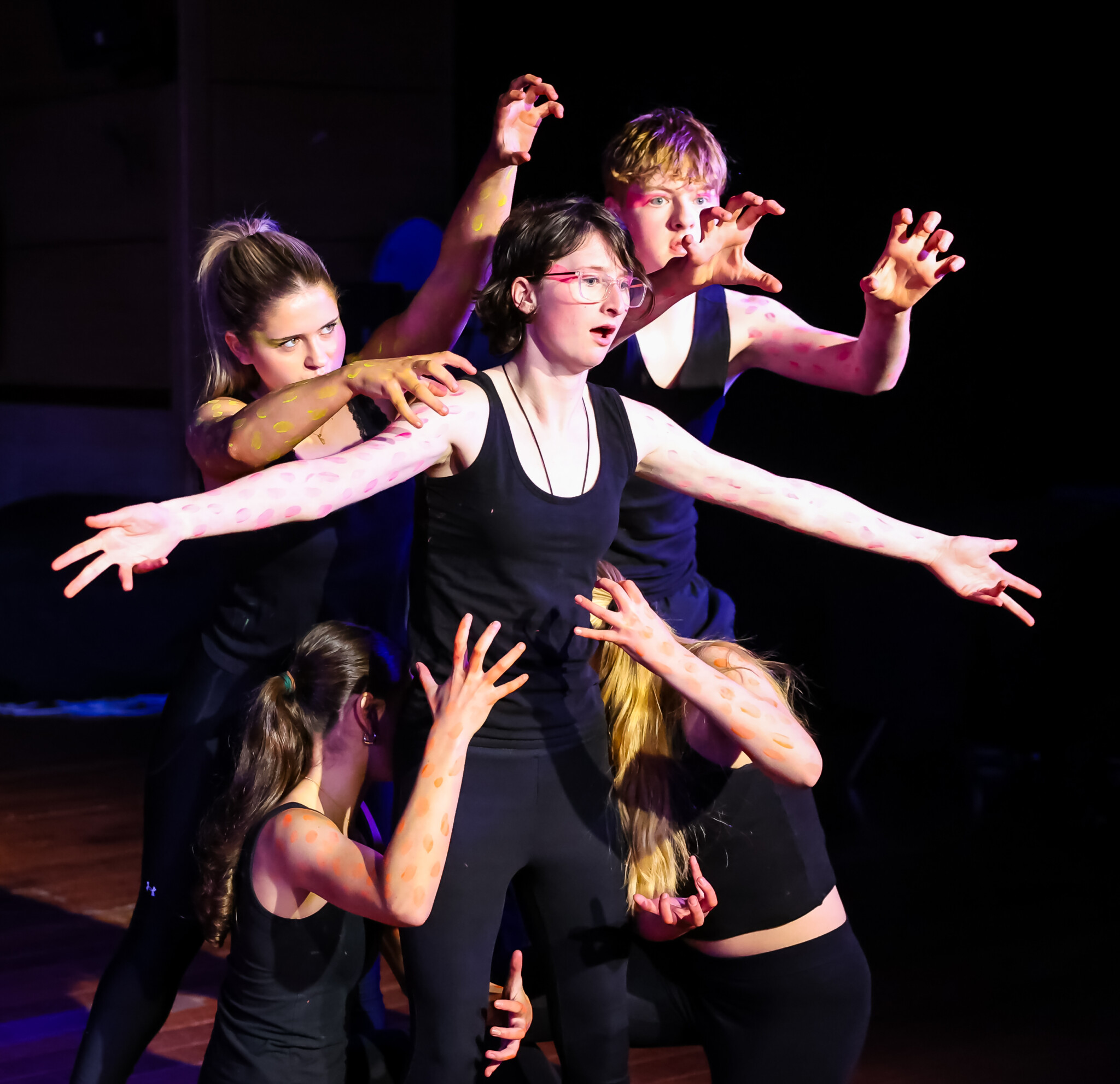
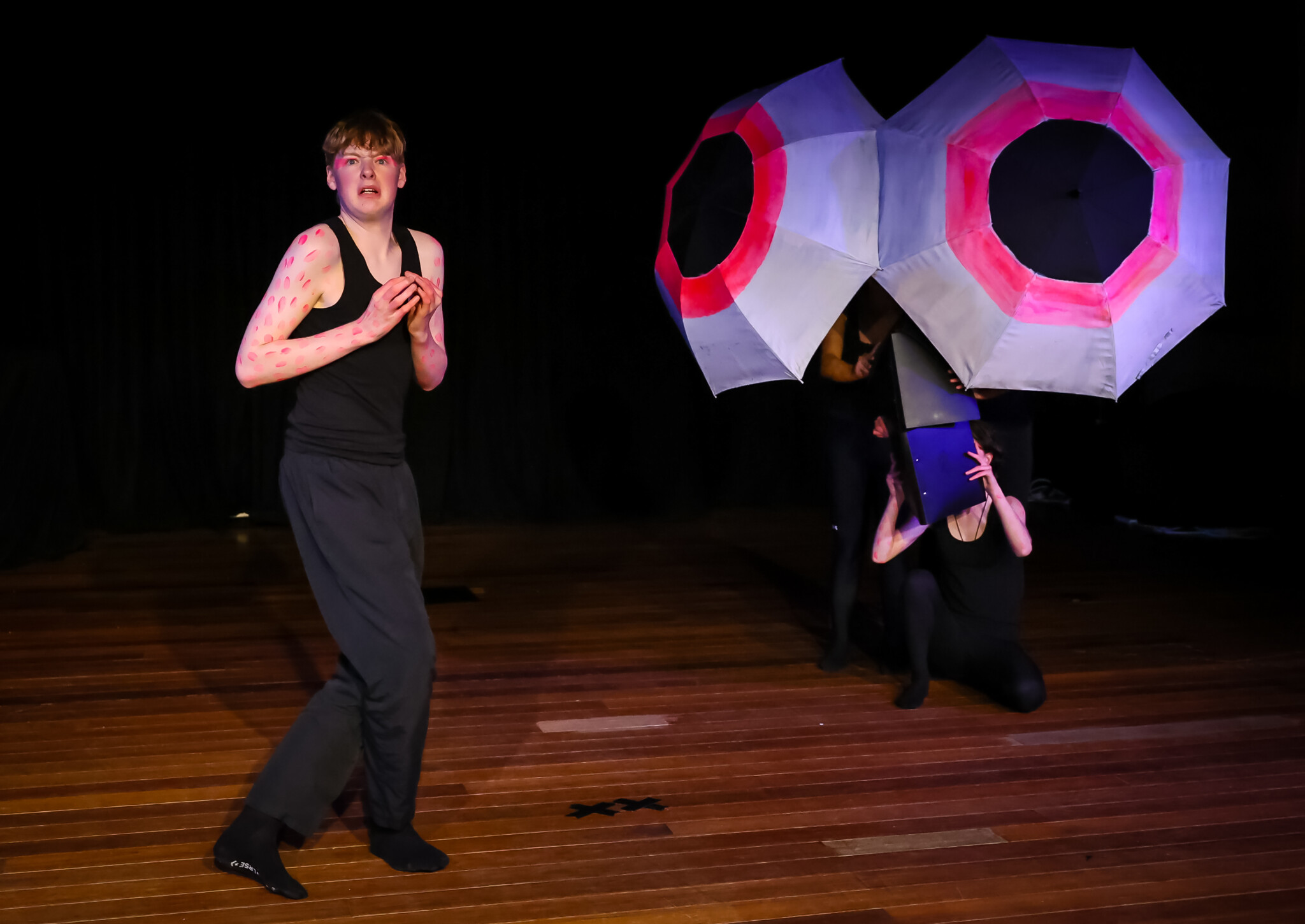
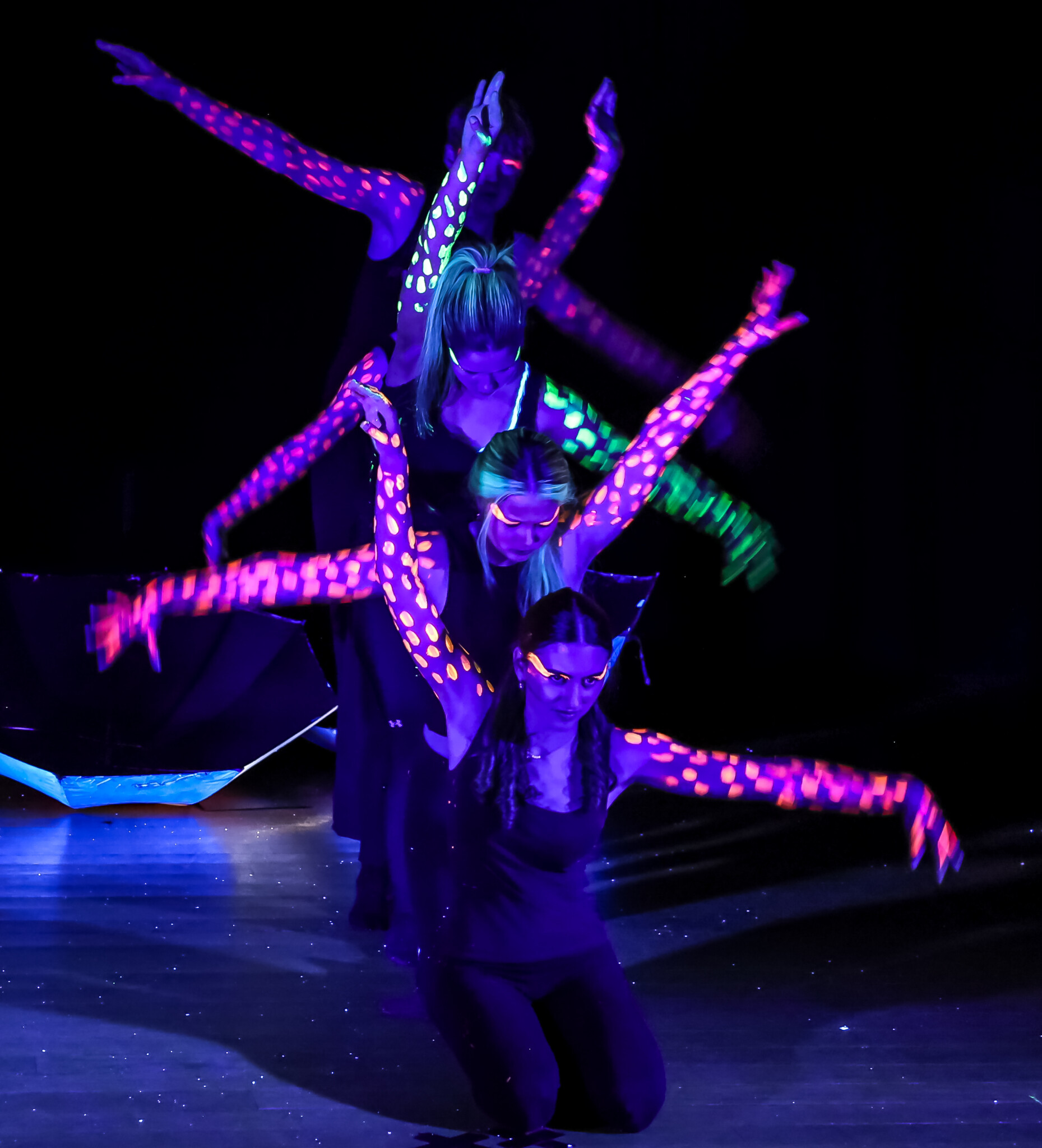
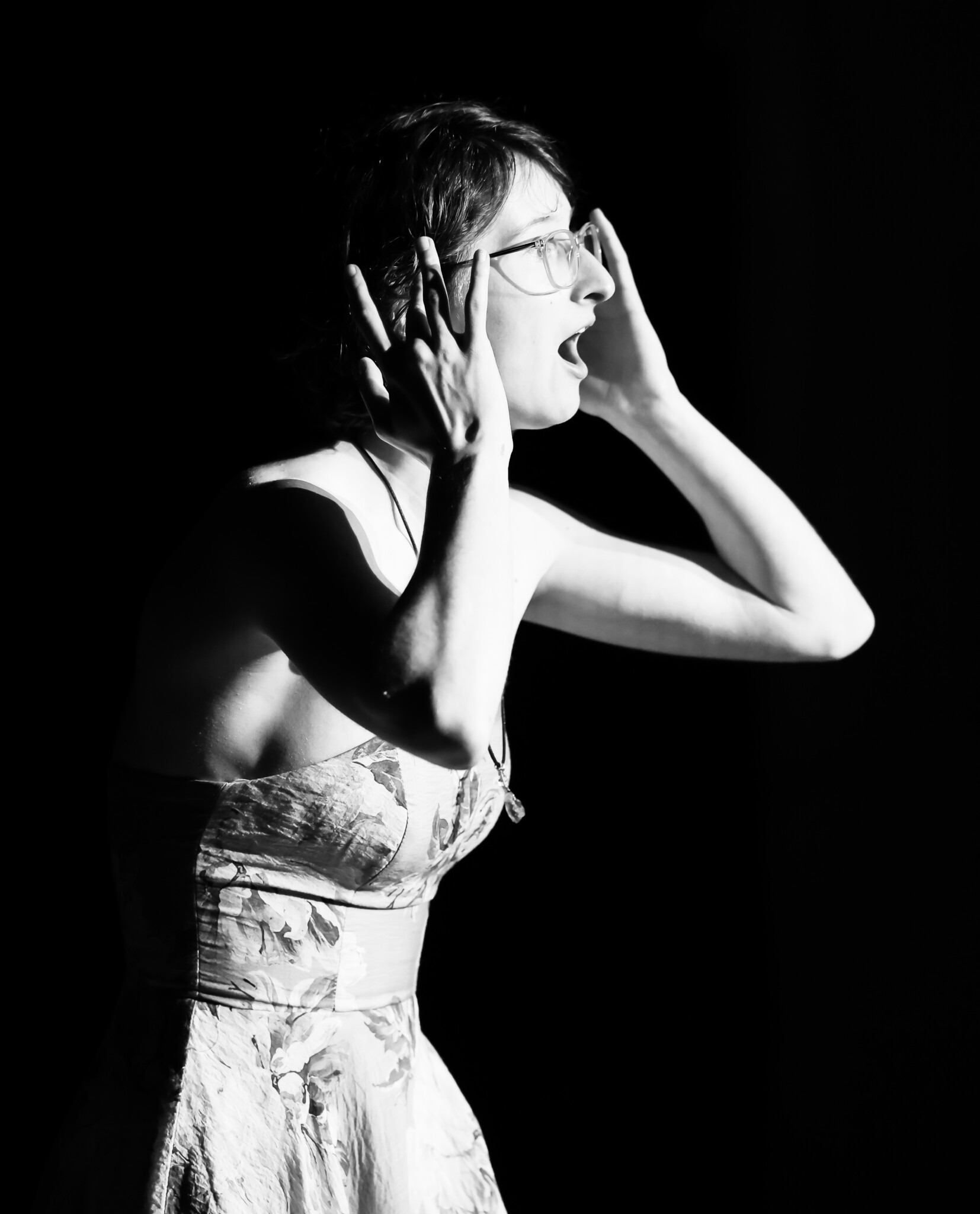
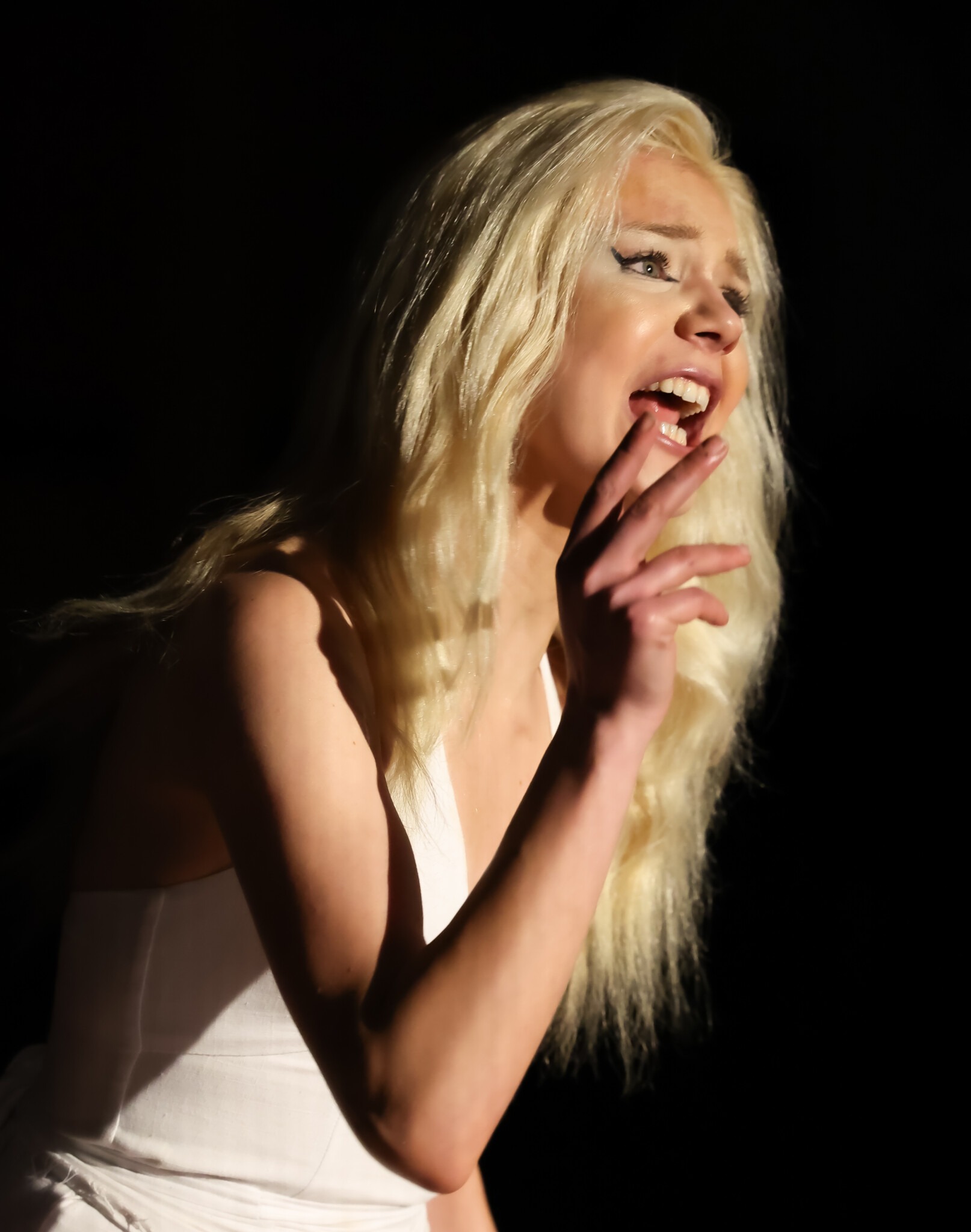
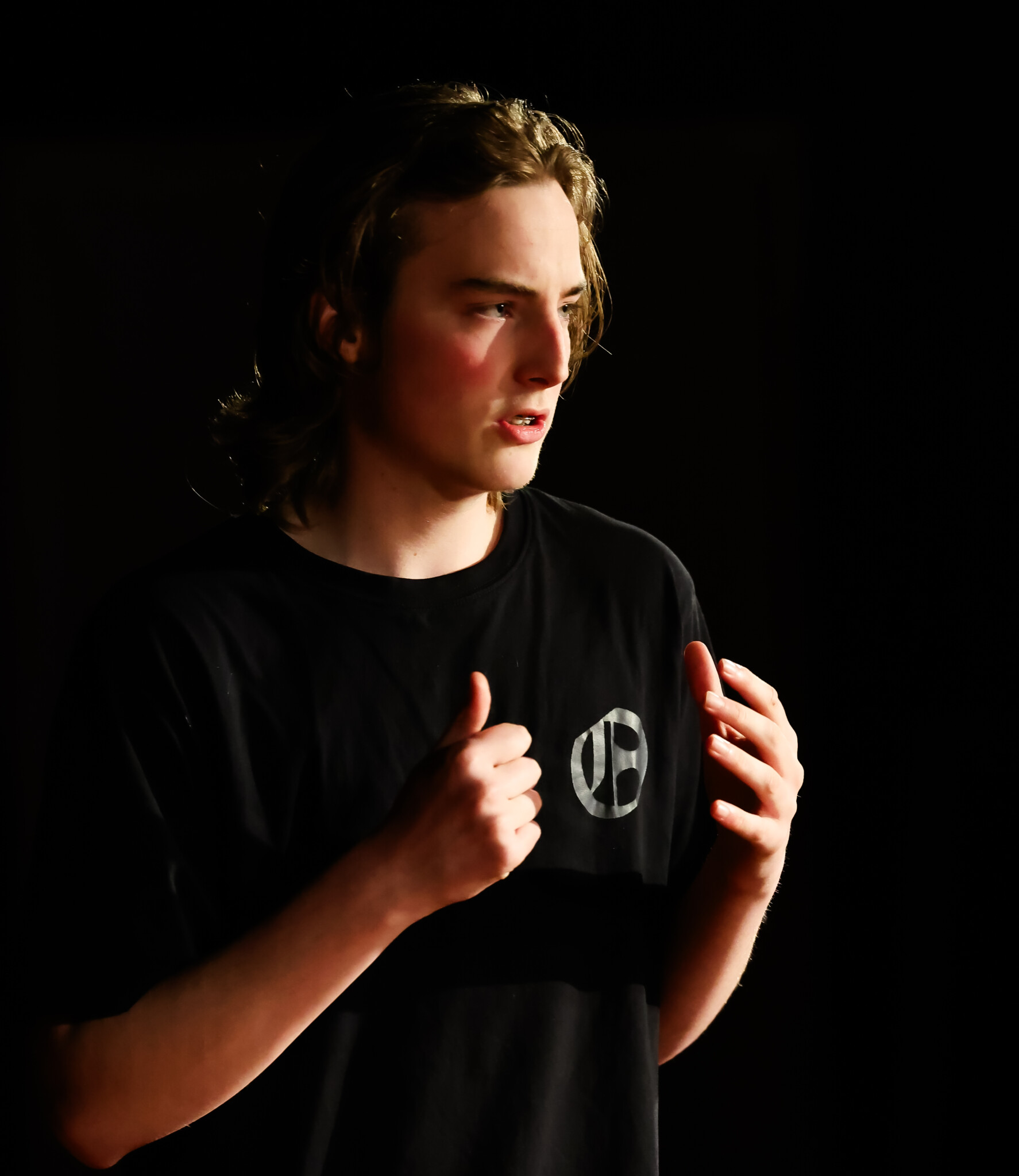
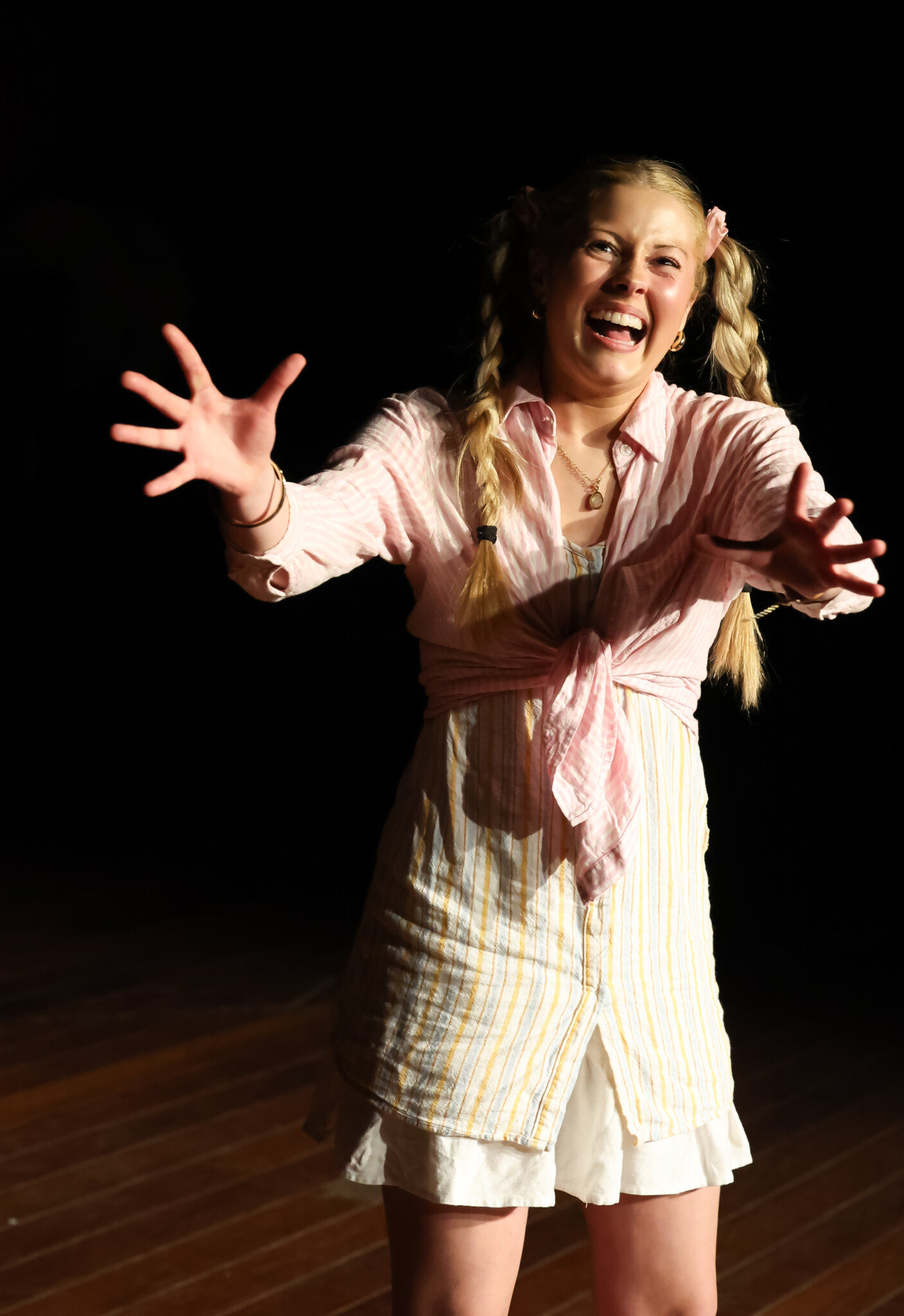
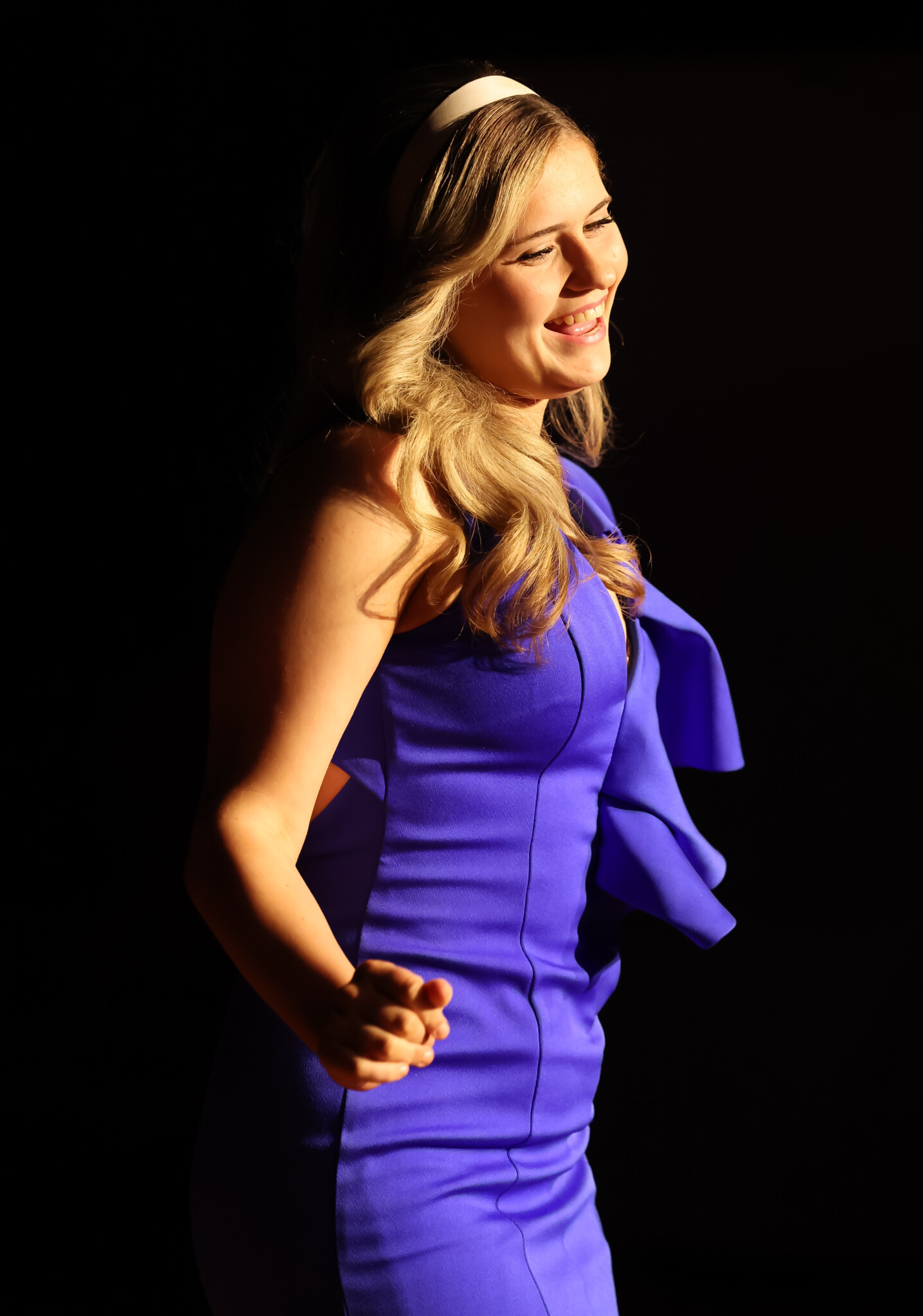
HSC Drama Night

HSC Drama Night

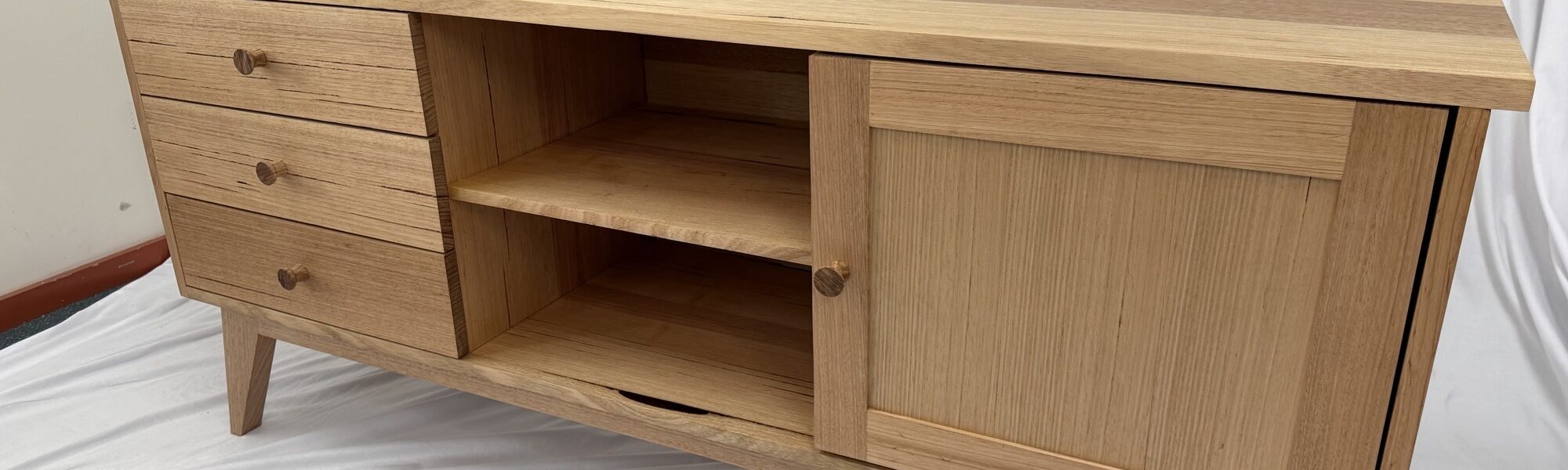
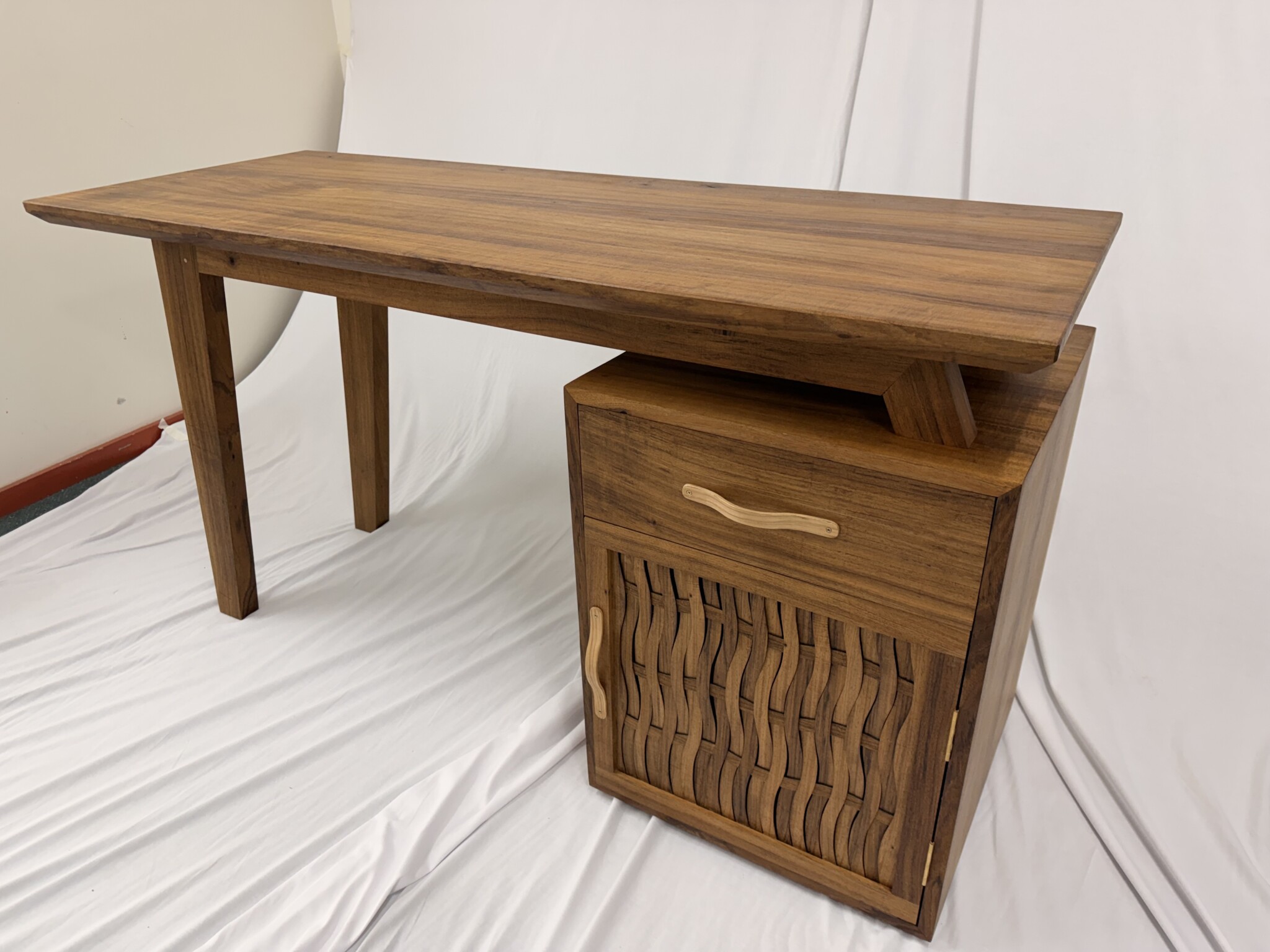
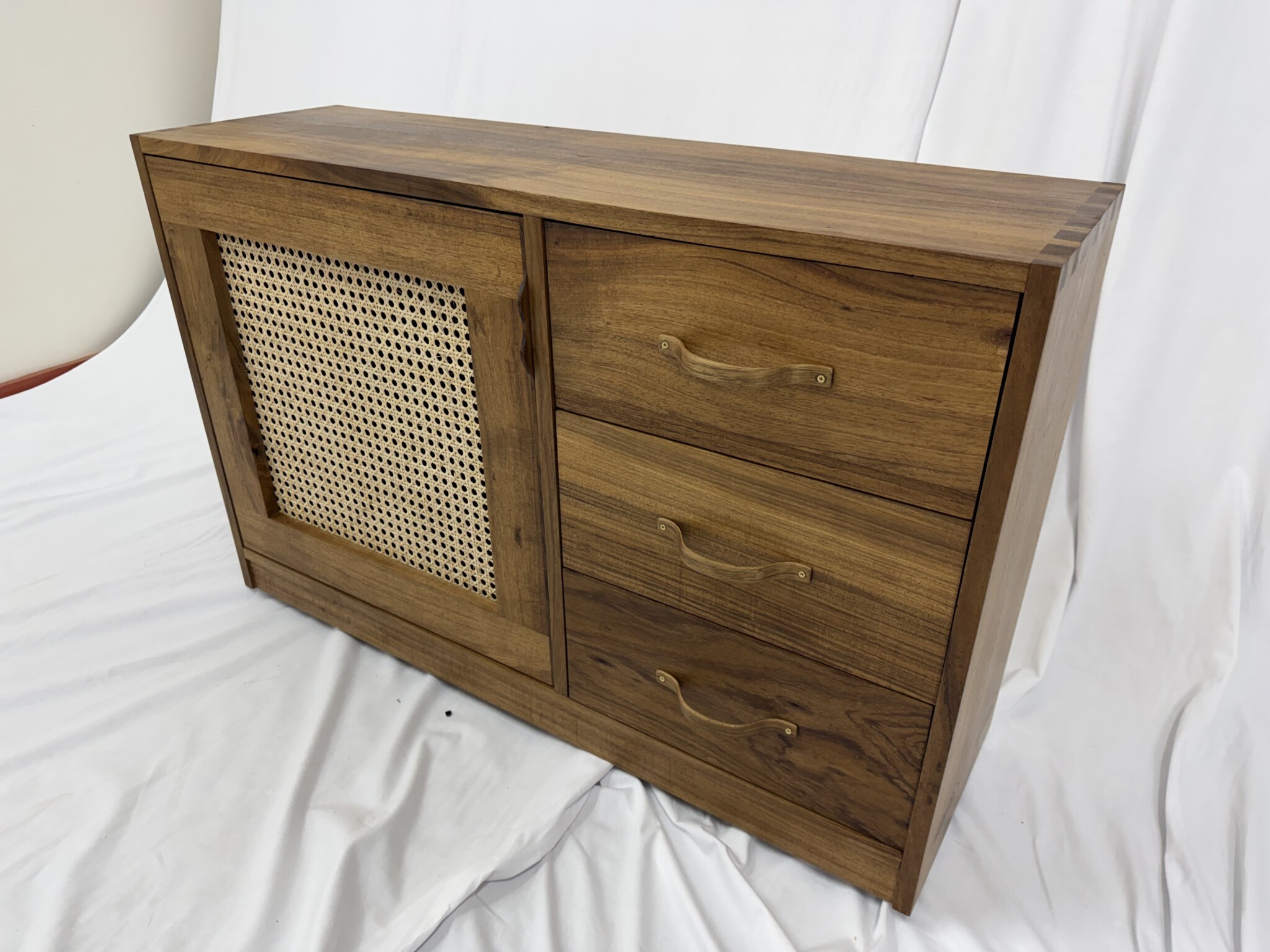
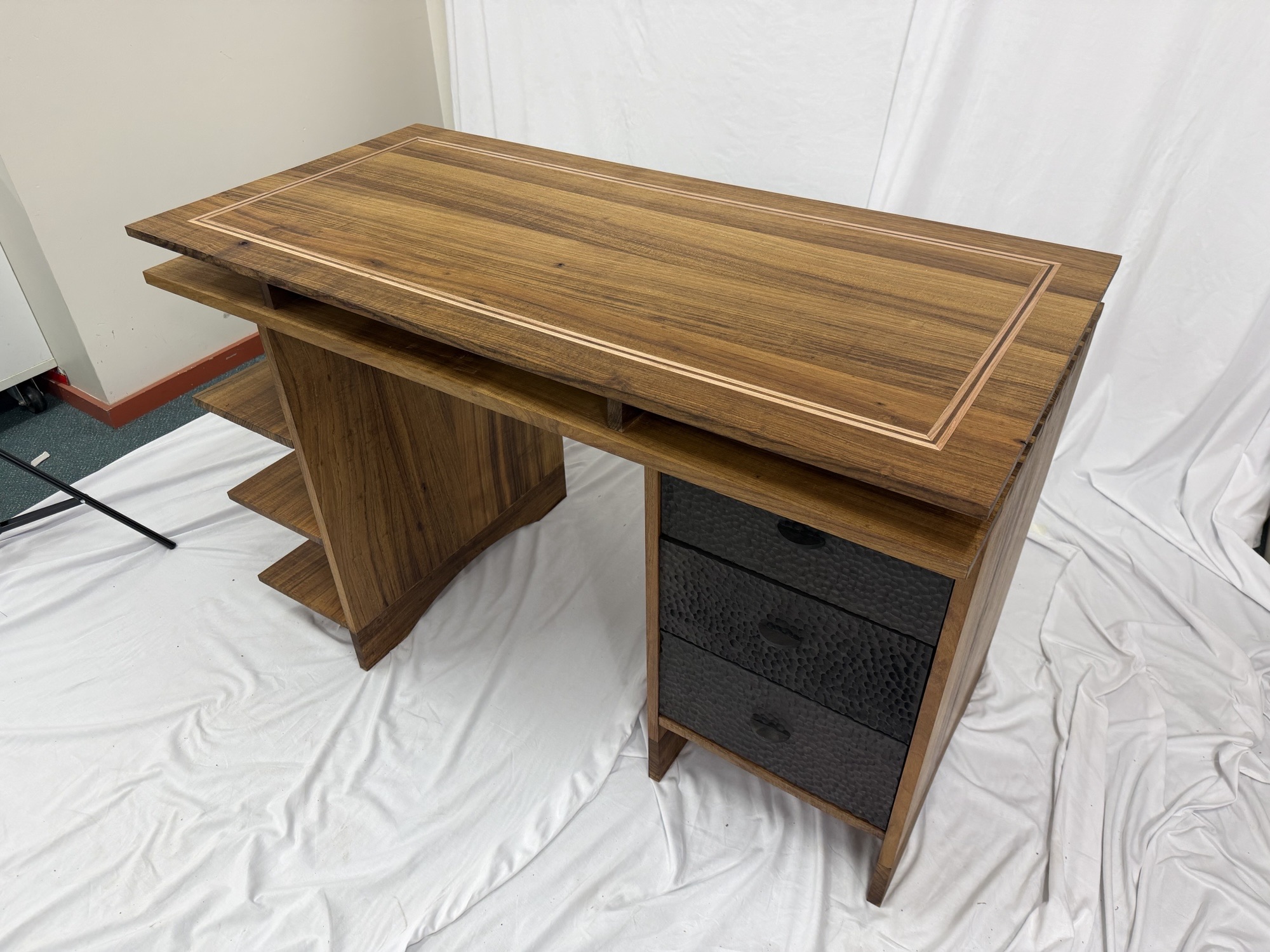
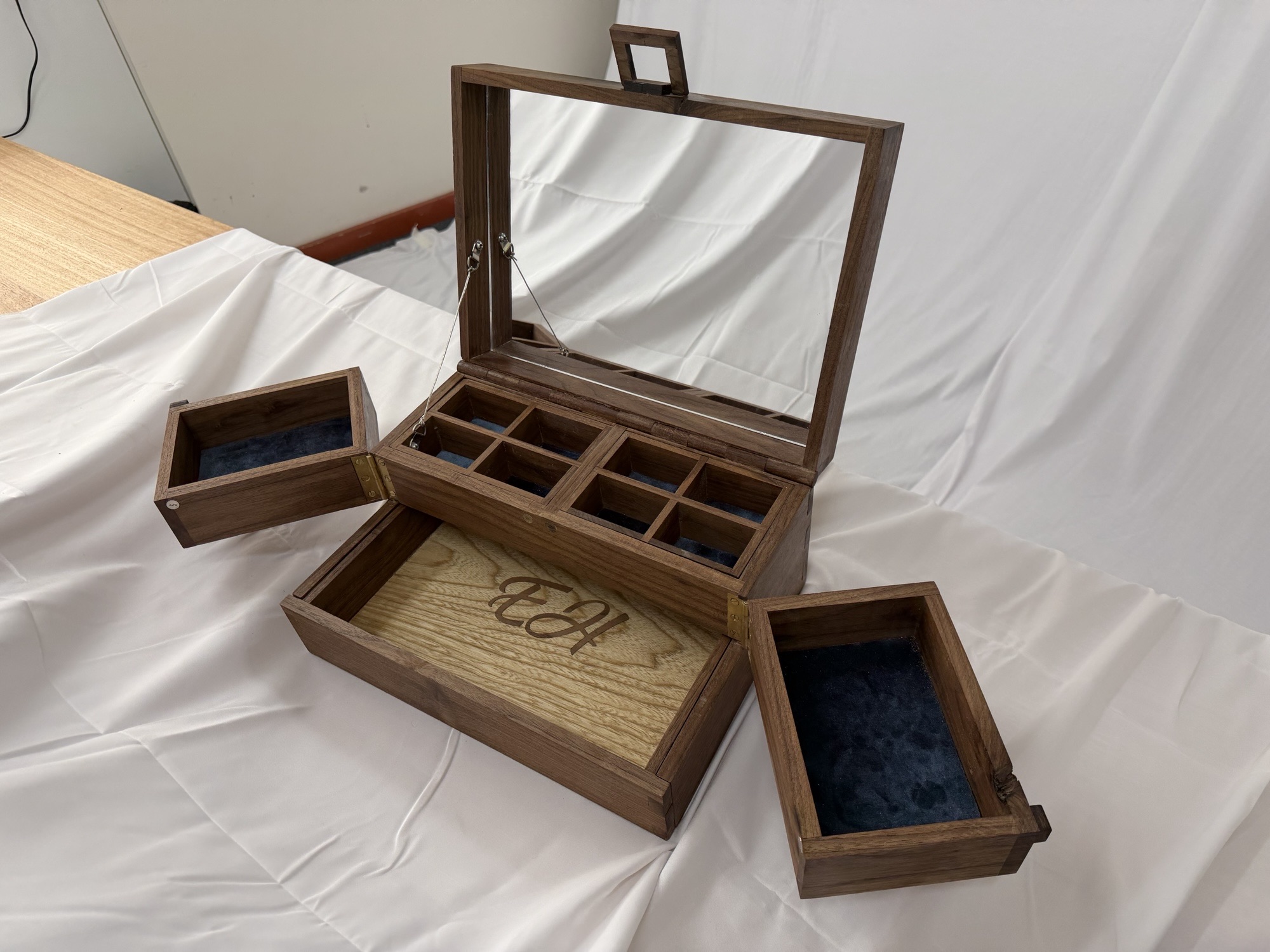
HSC Timber and Design and Technology Projects.

HSC Timber and Design and Technology Projects.

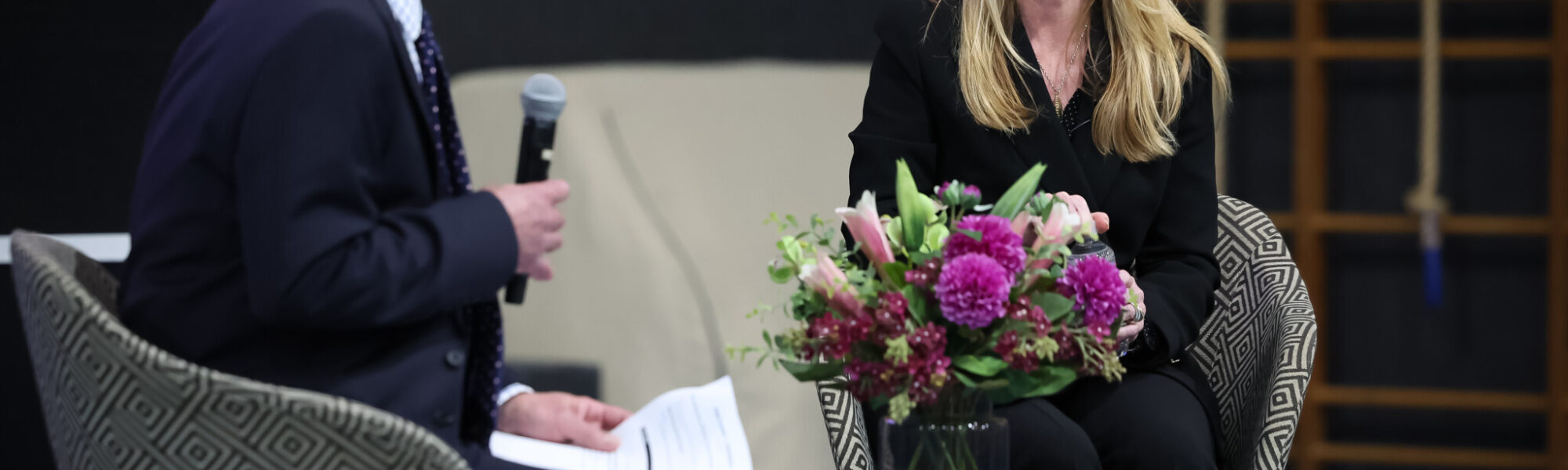
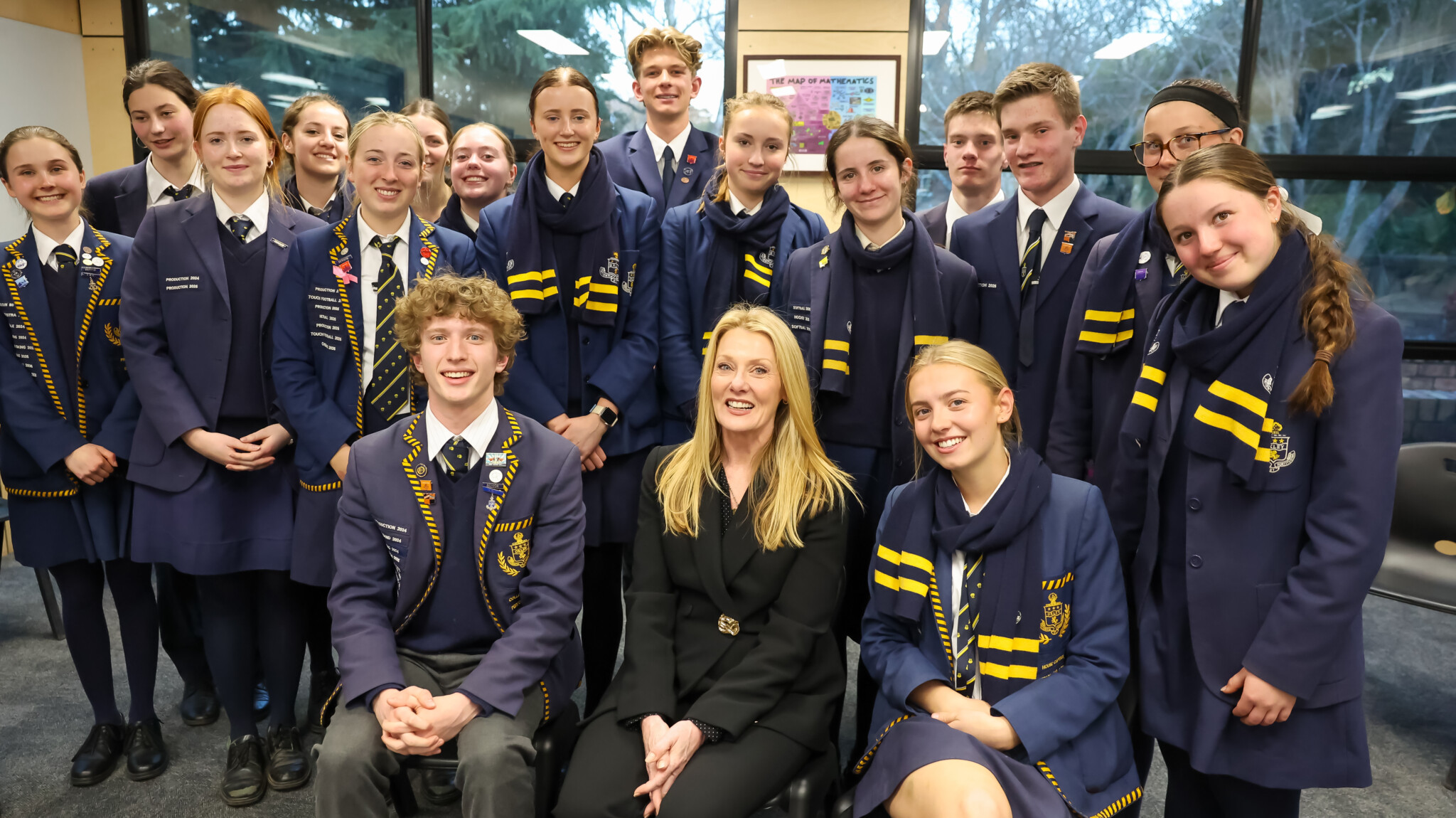
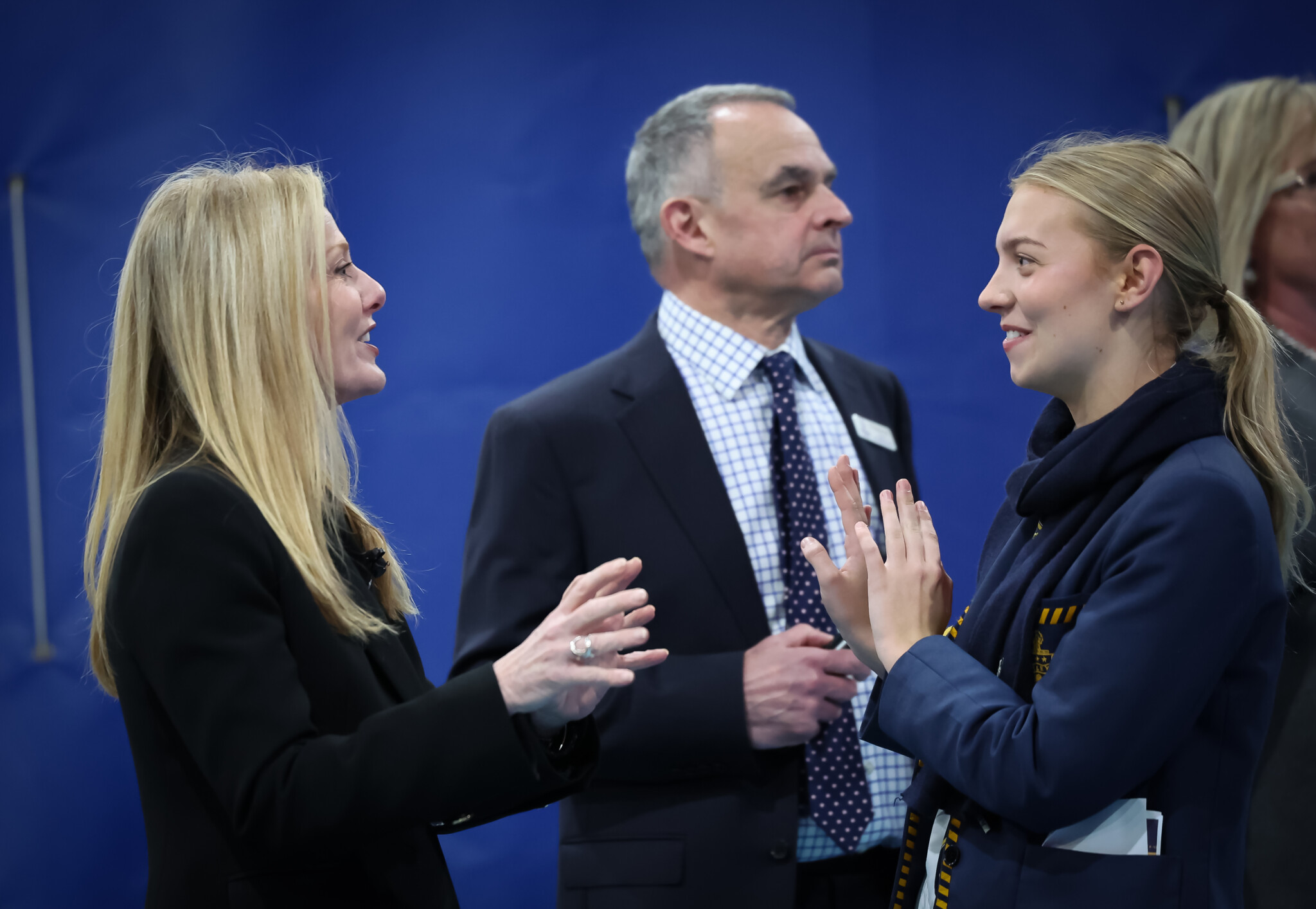
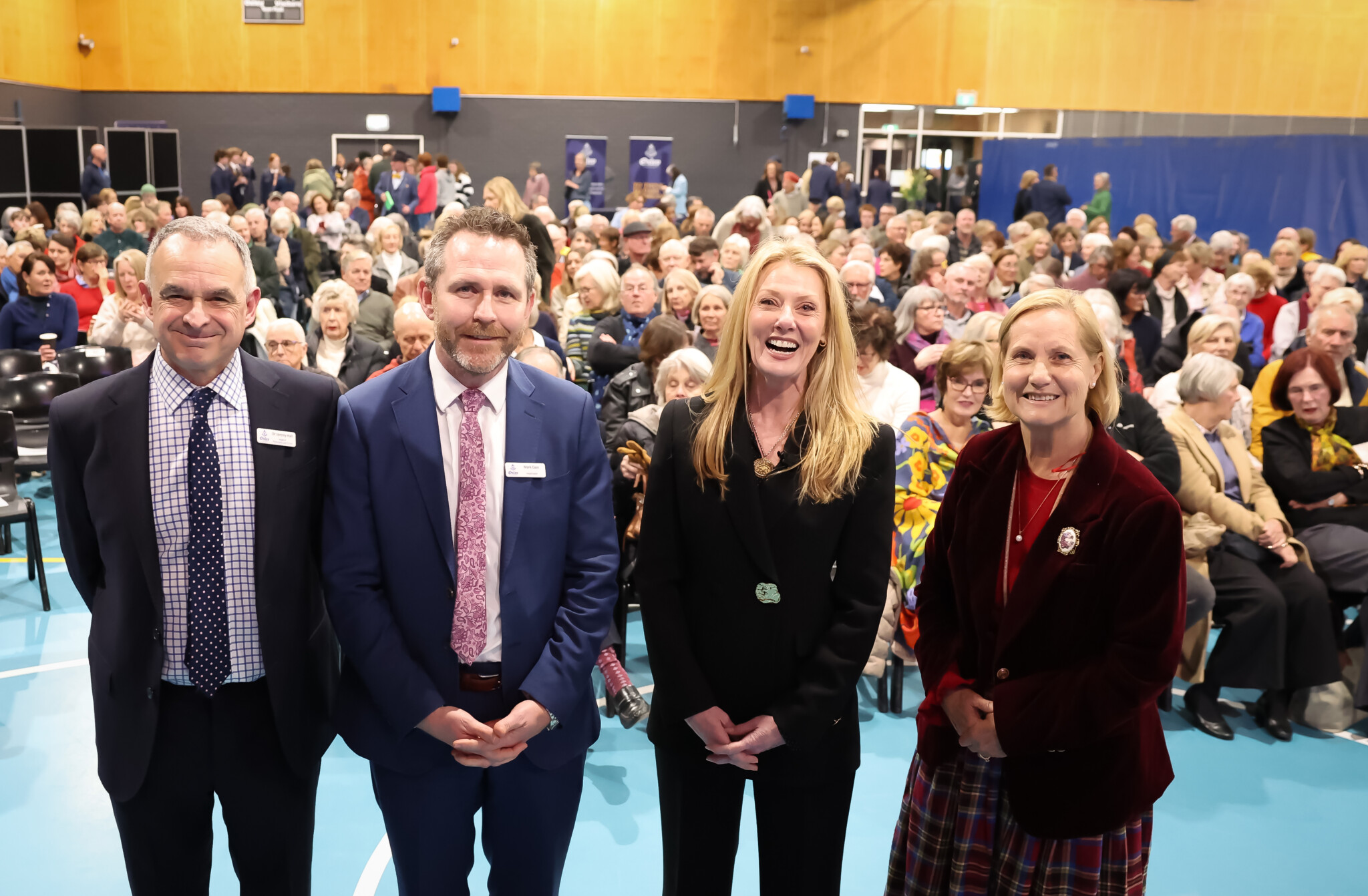
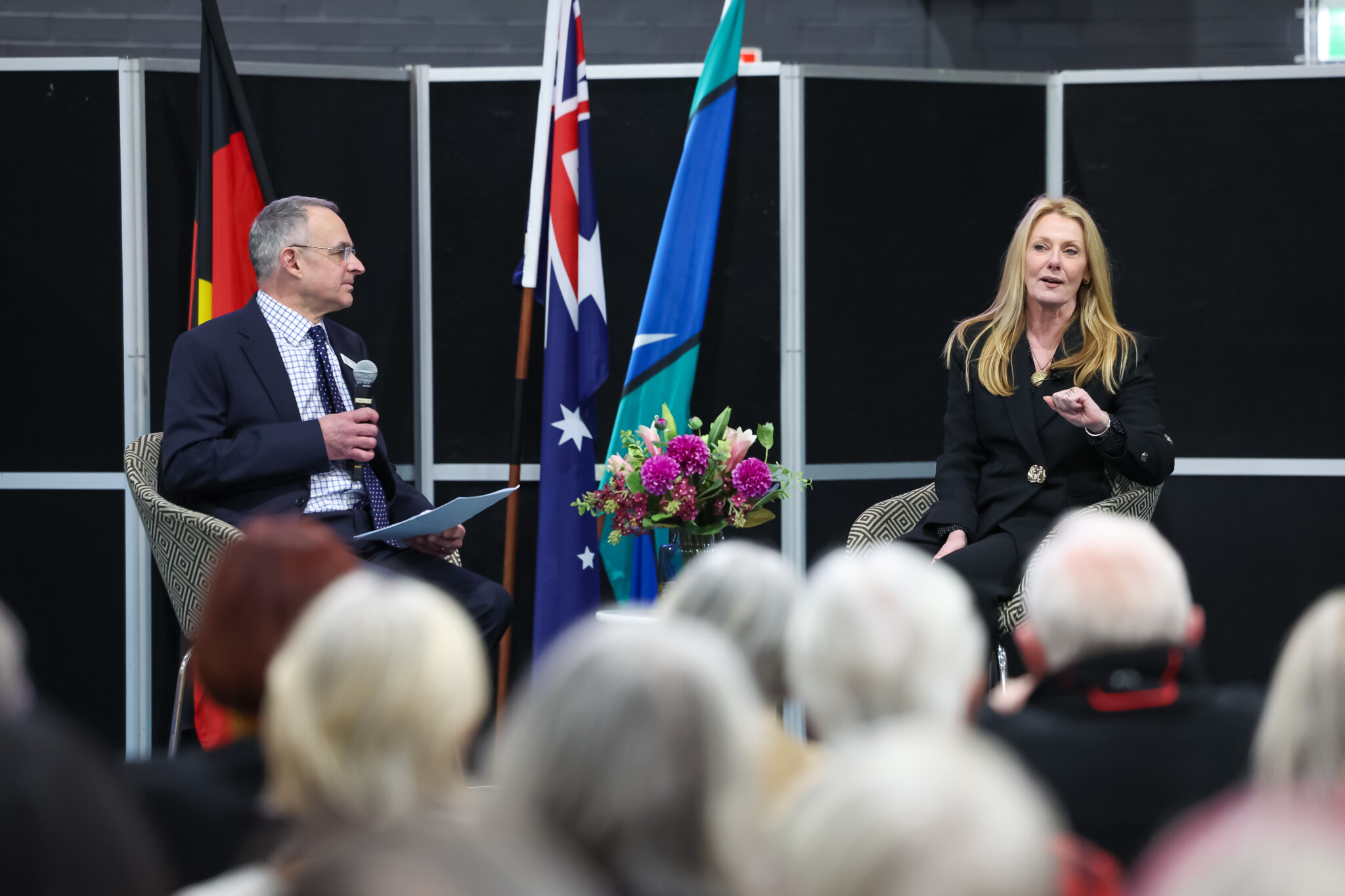
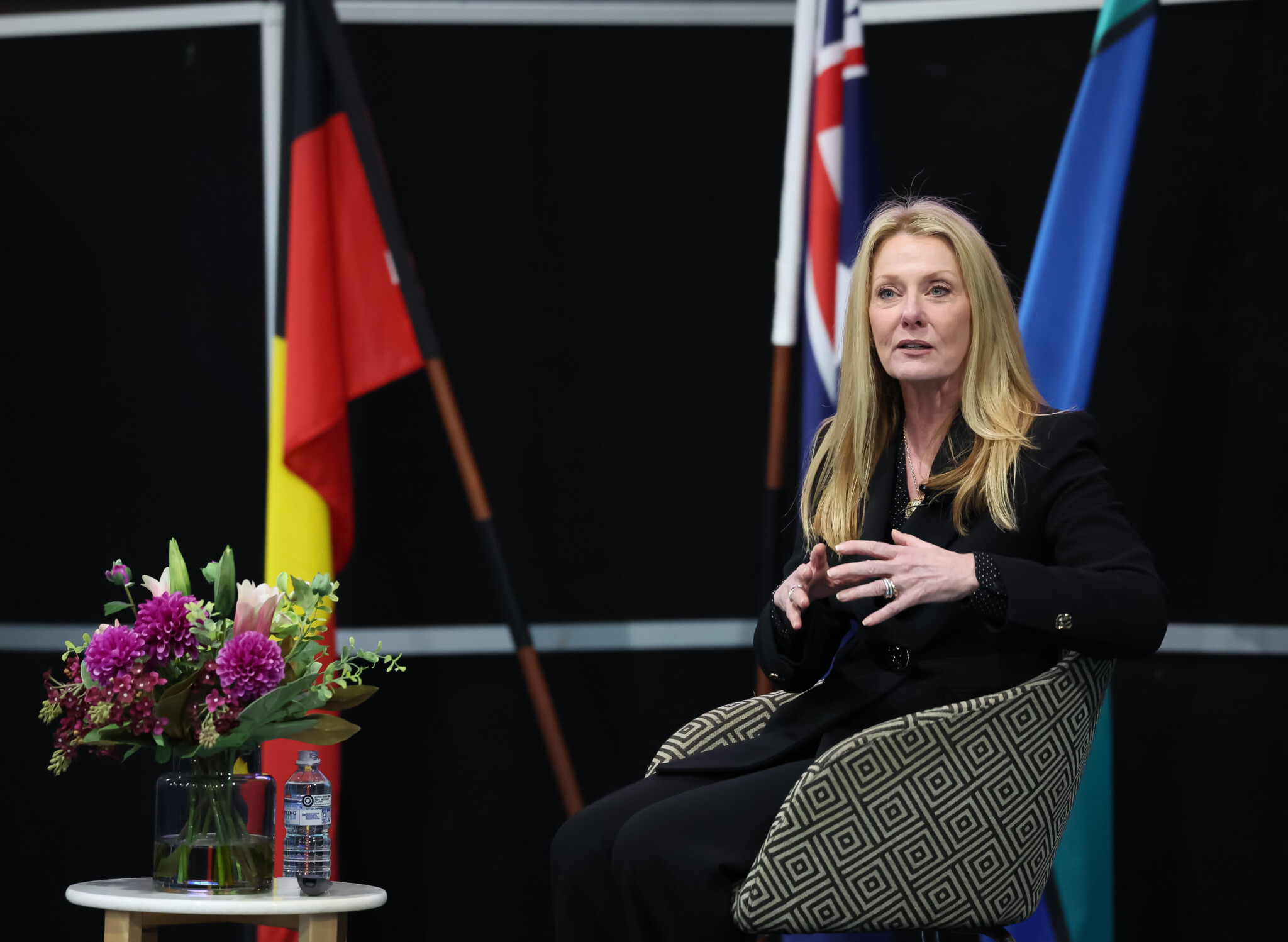
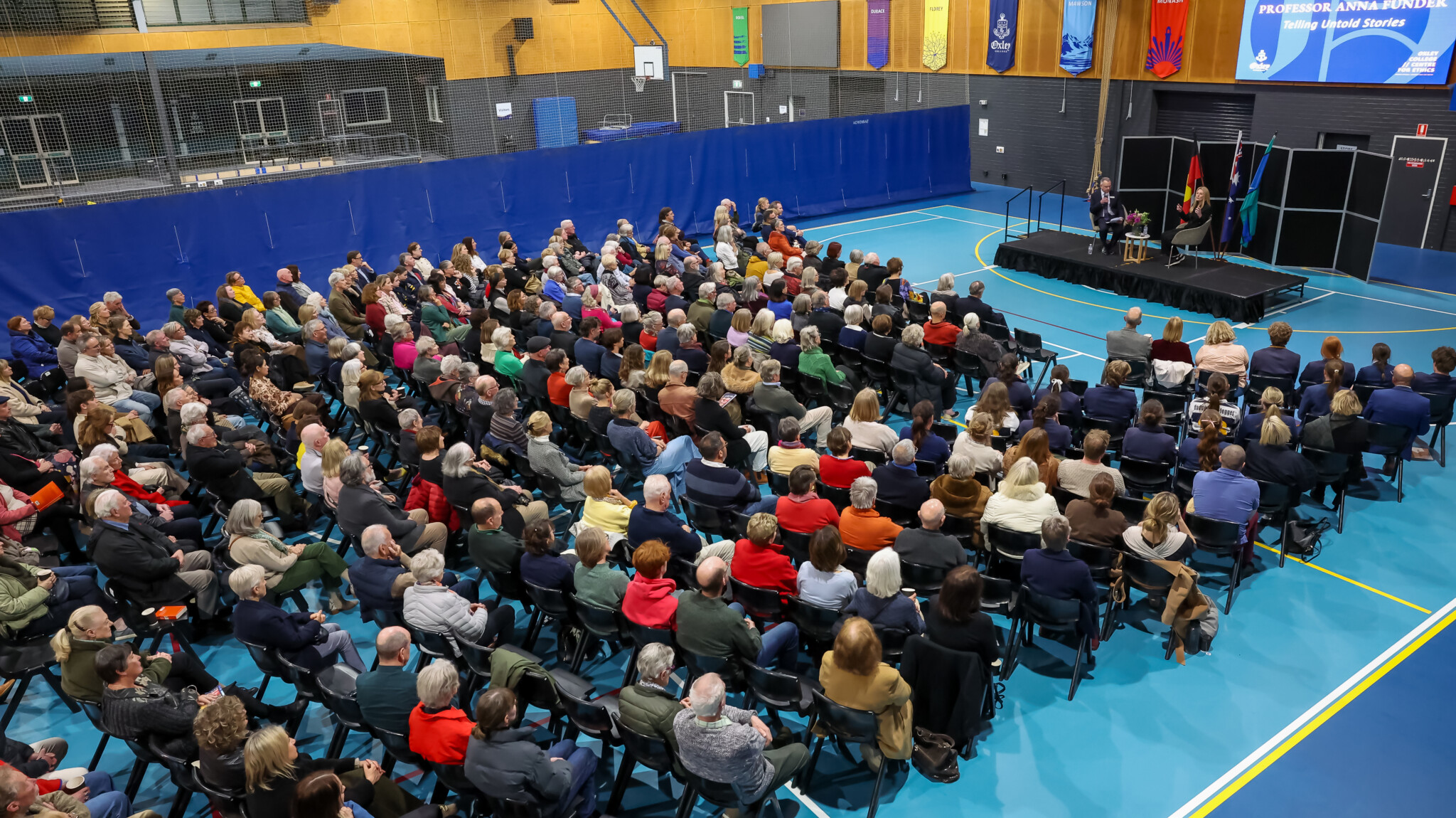
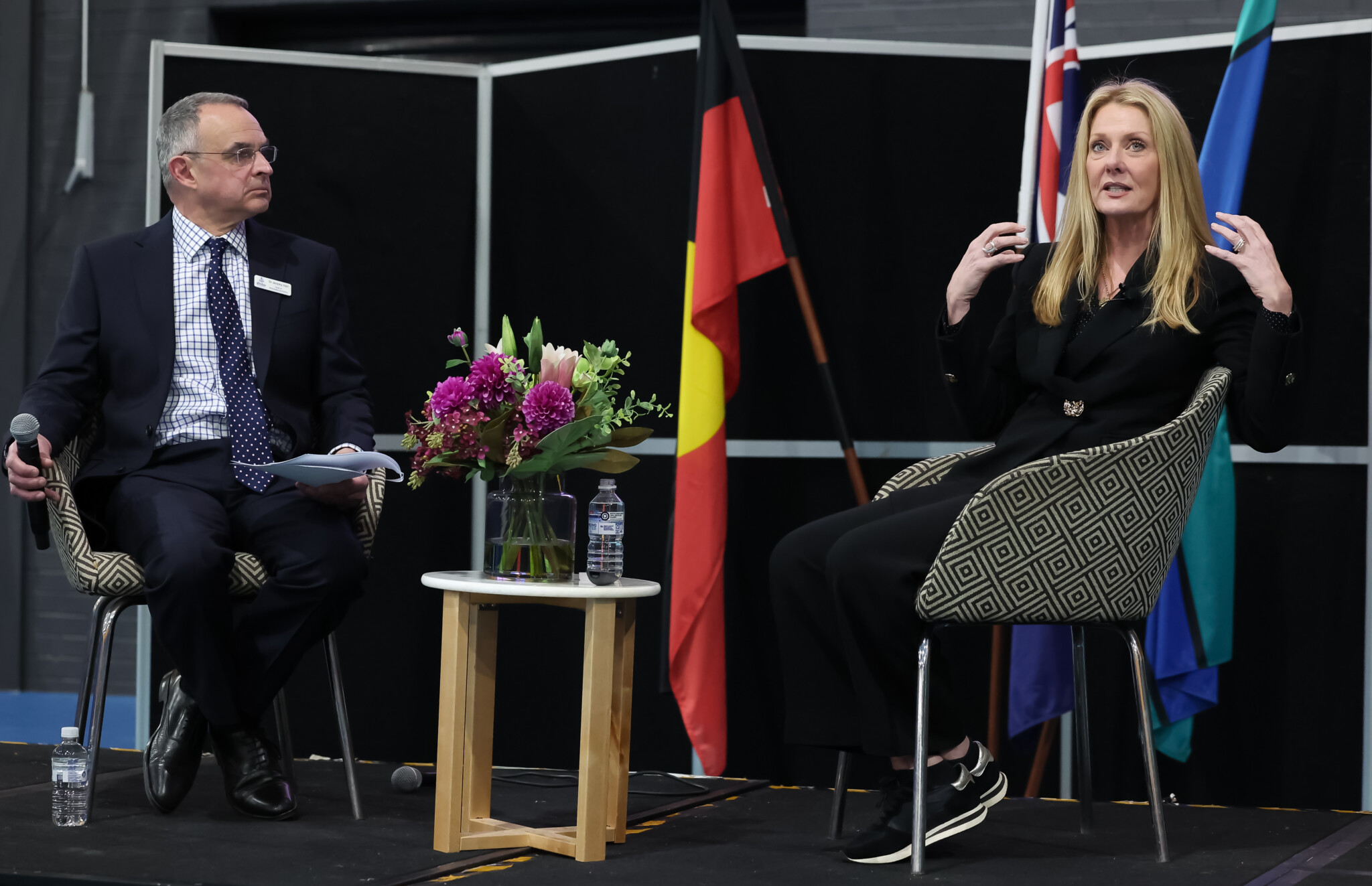
Centre for Ethics: Anna Funder

Centre for Ethics: Anna Funder

Oxley Artery

Oxley Artery

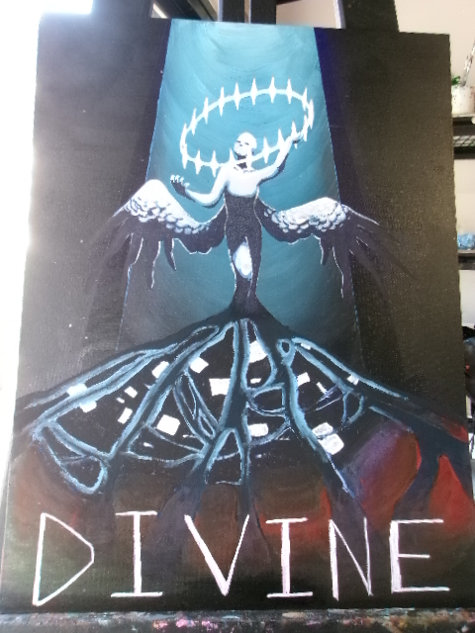
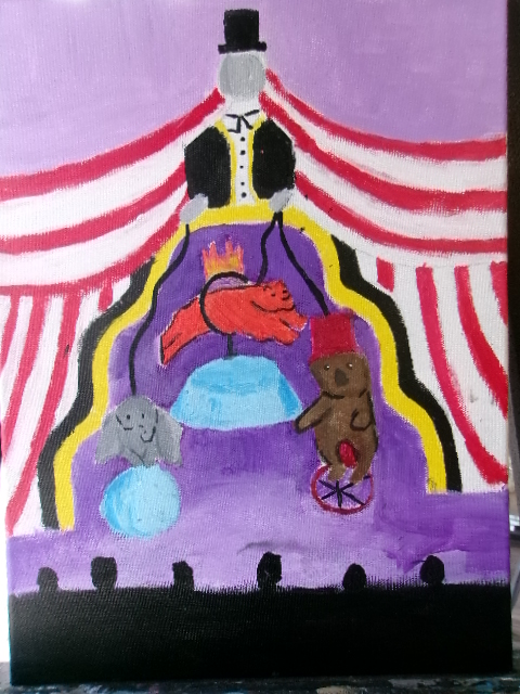
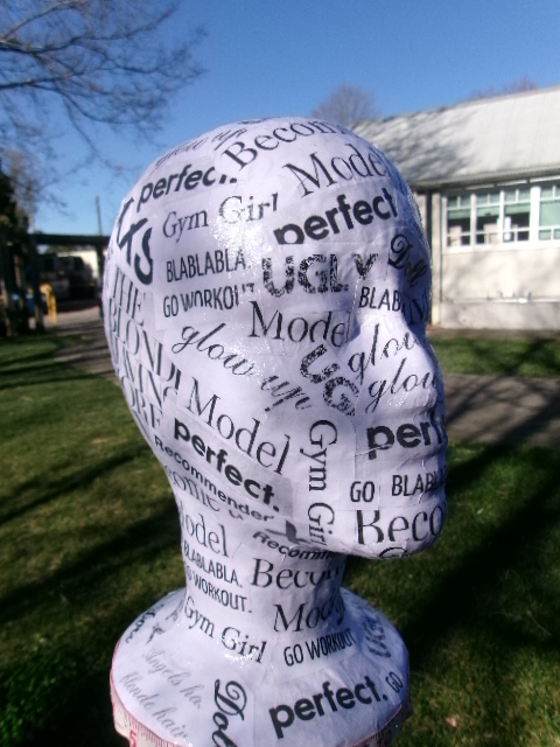
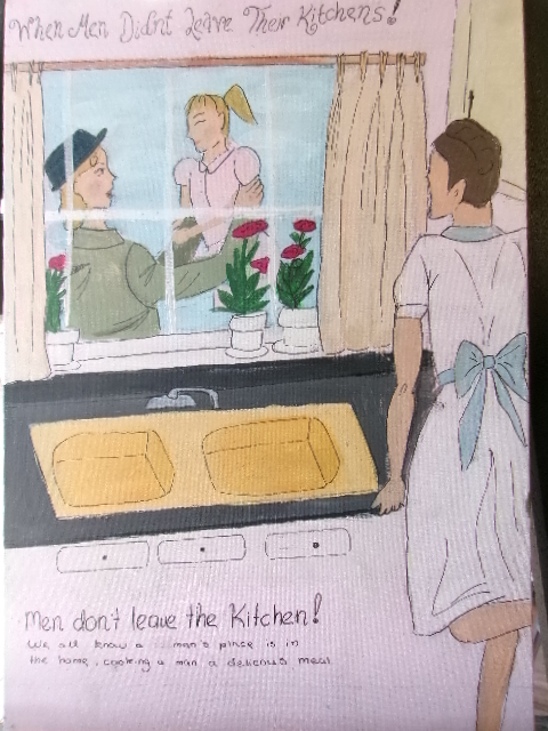
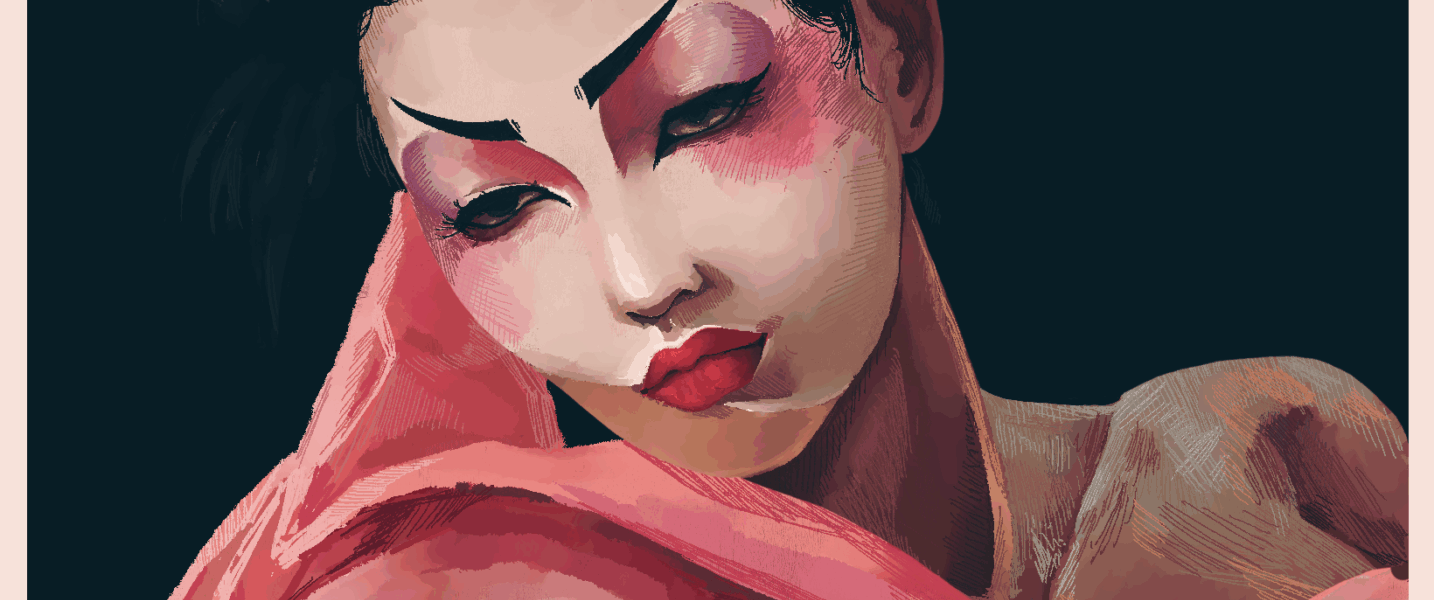
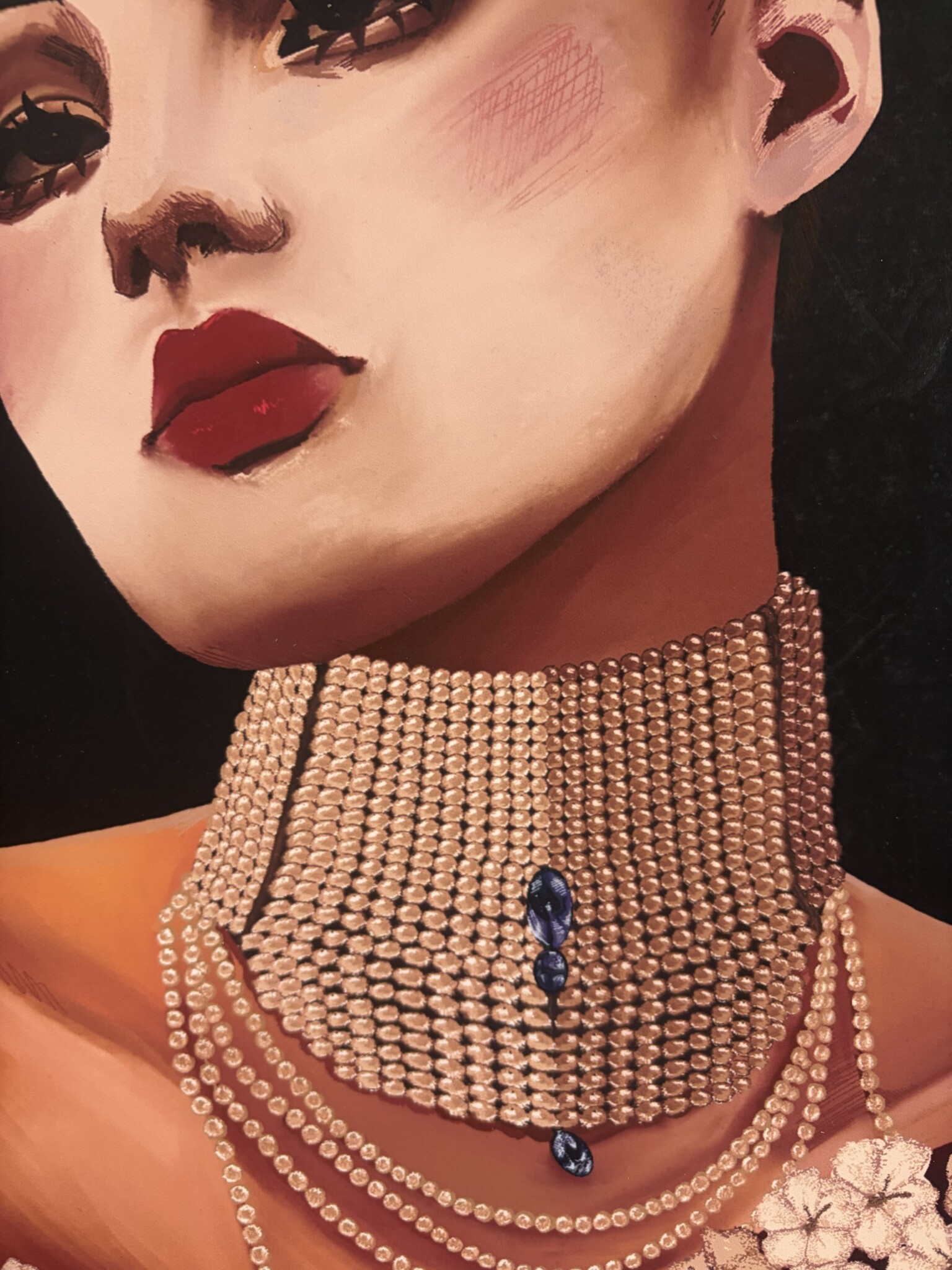
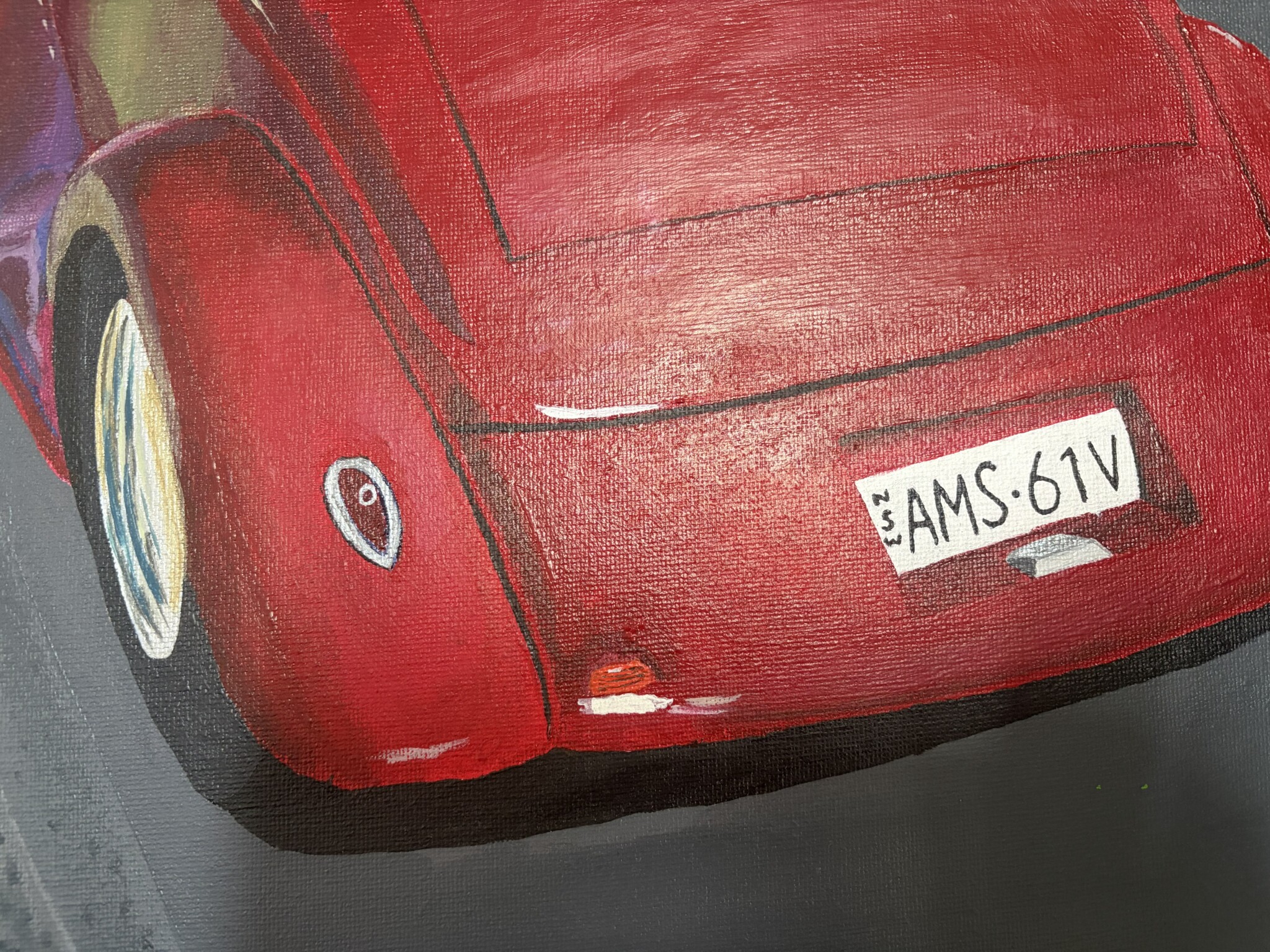
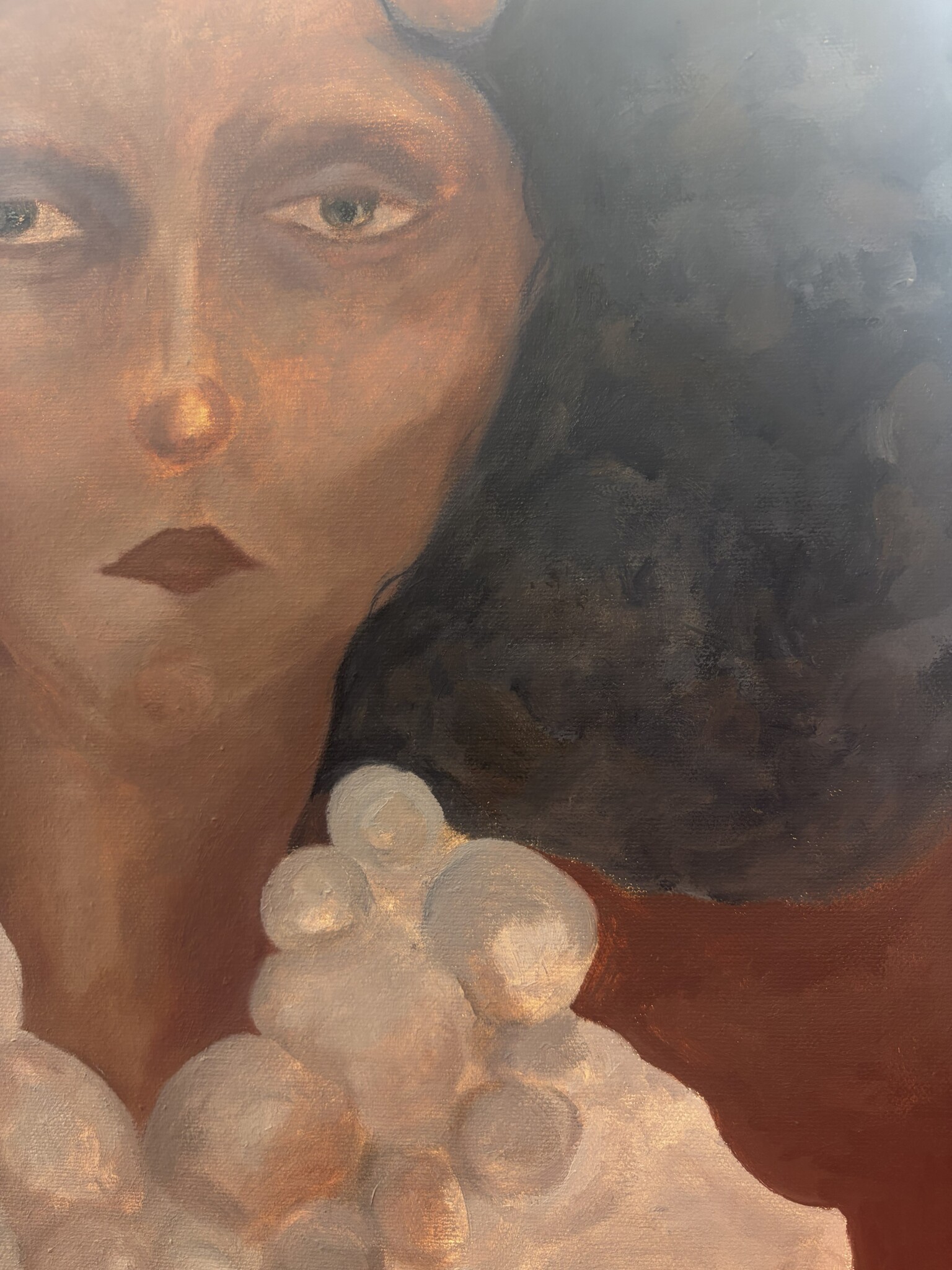
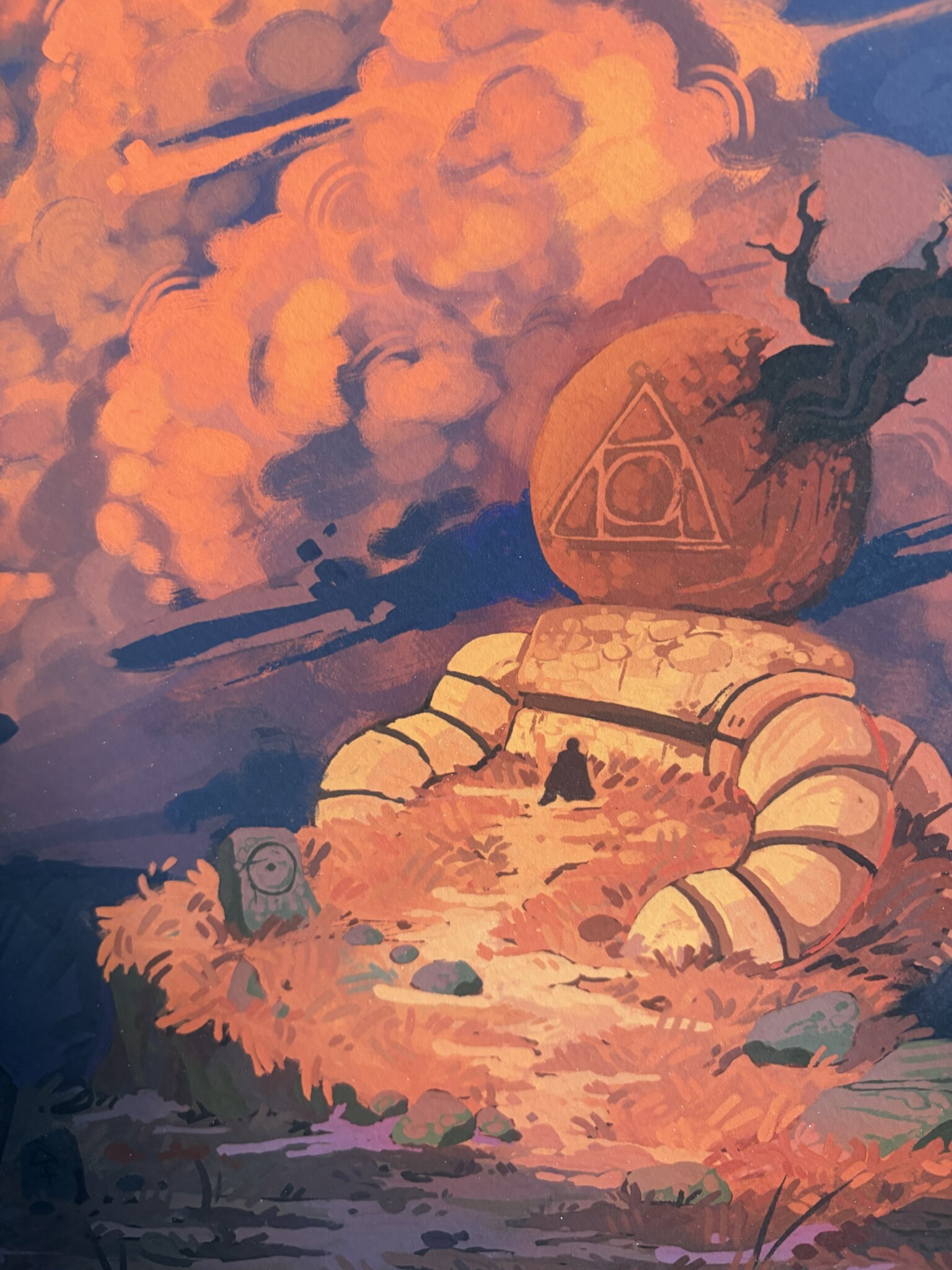
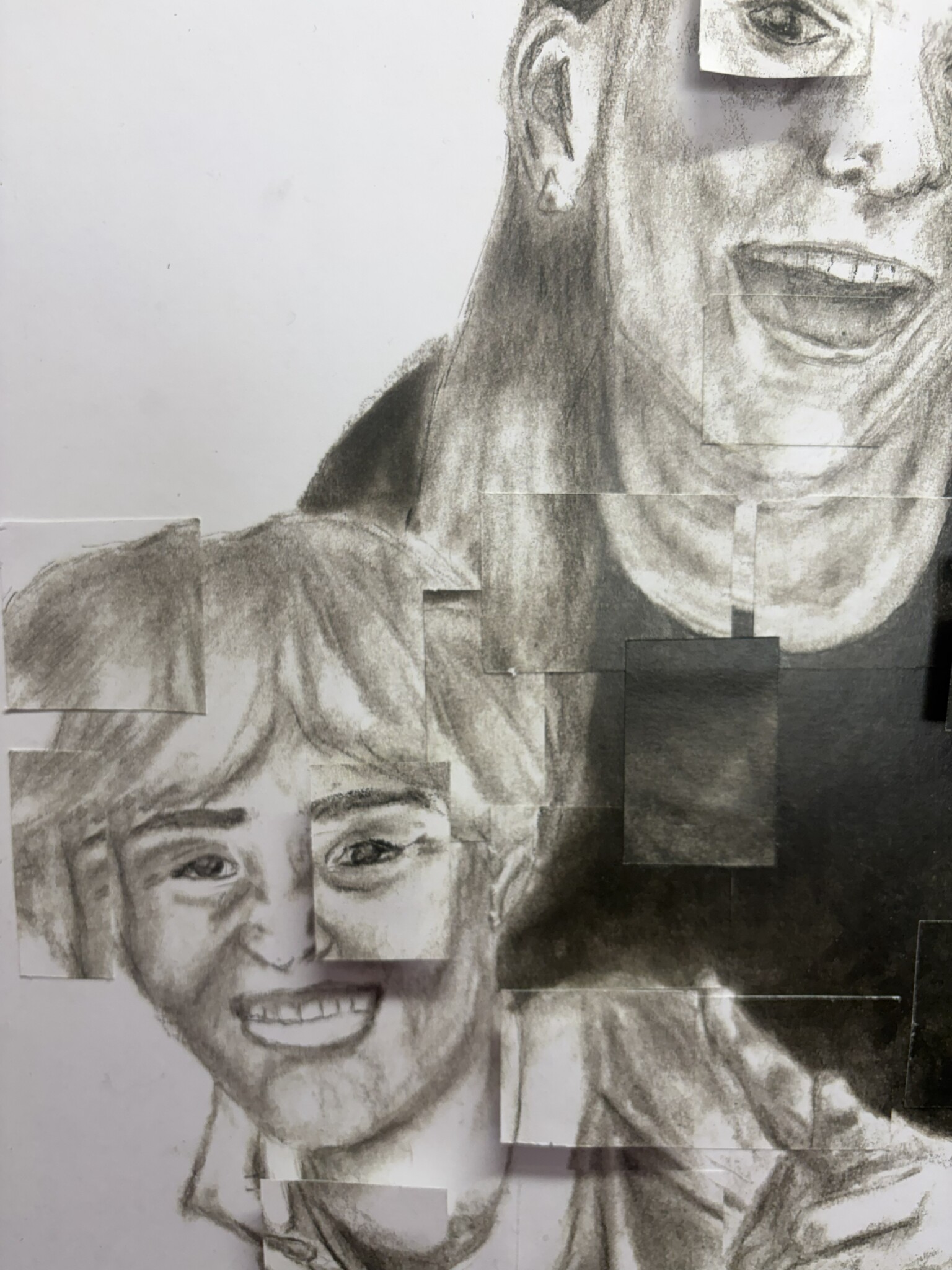
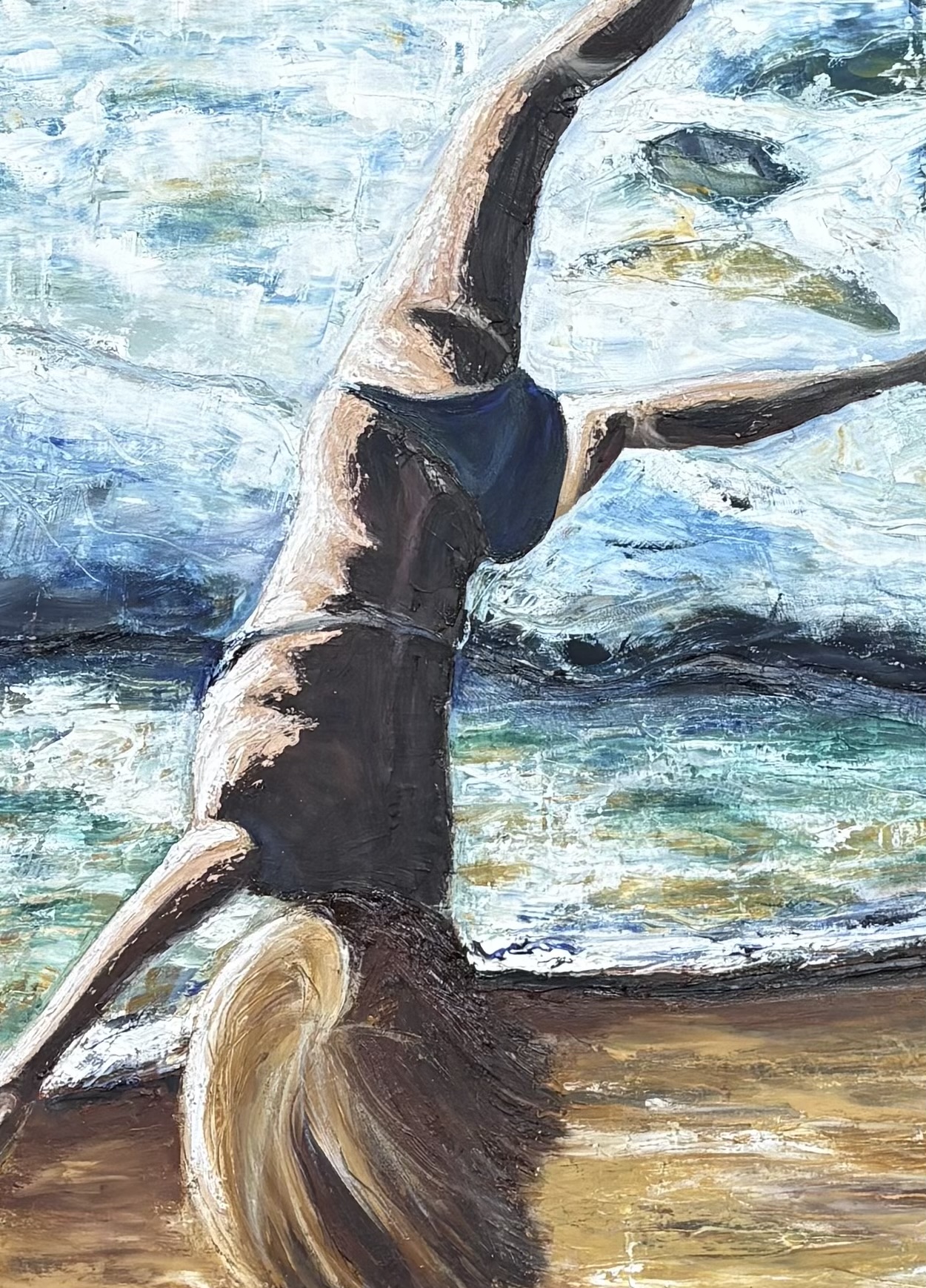
It is without a doubt that Visual Arts at Oxley College enables students with the wonderful opportunity to express their creativity, thoughts, feelings, and ideas through numerous forms of artmaking. On some occasions, these opportunities can be powerful. Art, you see, can present innumerable issues in relation to power. While power itself often is a broad concept in art, it can branch out in several different directions to tell a story, influence people’s worldviews, and provoke action. In Year 10 Visual Arts, students investigated ‘Powerplay’ and the notion of power to create one artwork (or more) that mirrored a powerful and real-world issue of concern. Some artworks explored ideas of beauty standards, whereas others provided criticism on manipulation, gender roles, and gun violence. However, all artists harnessed their creative thinking and their works to speak out about the issues that they cared about, demonstrating that art always has the power to make people stop, think, and be inspired!

By Ruby C, Year 10.

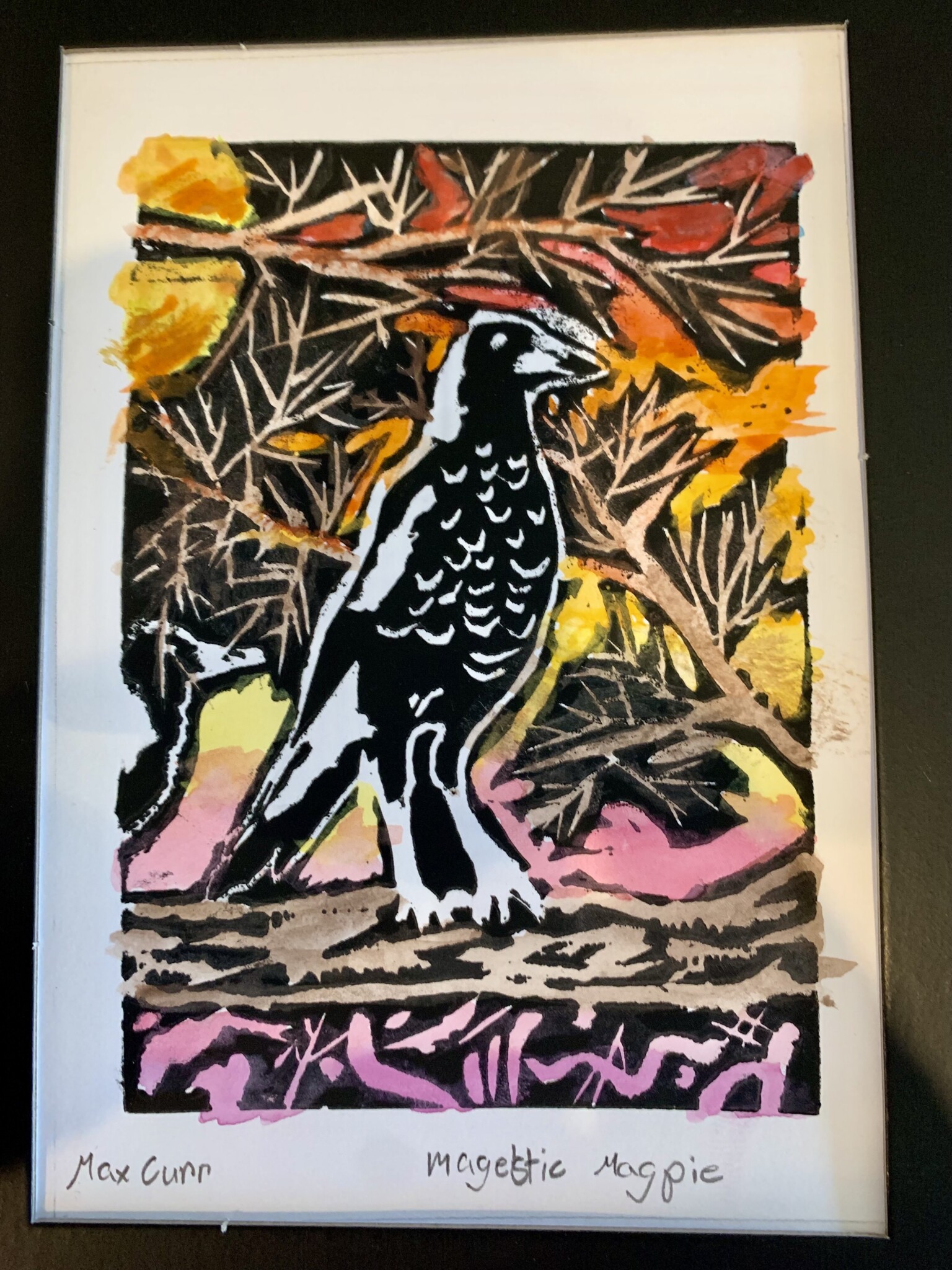
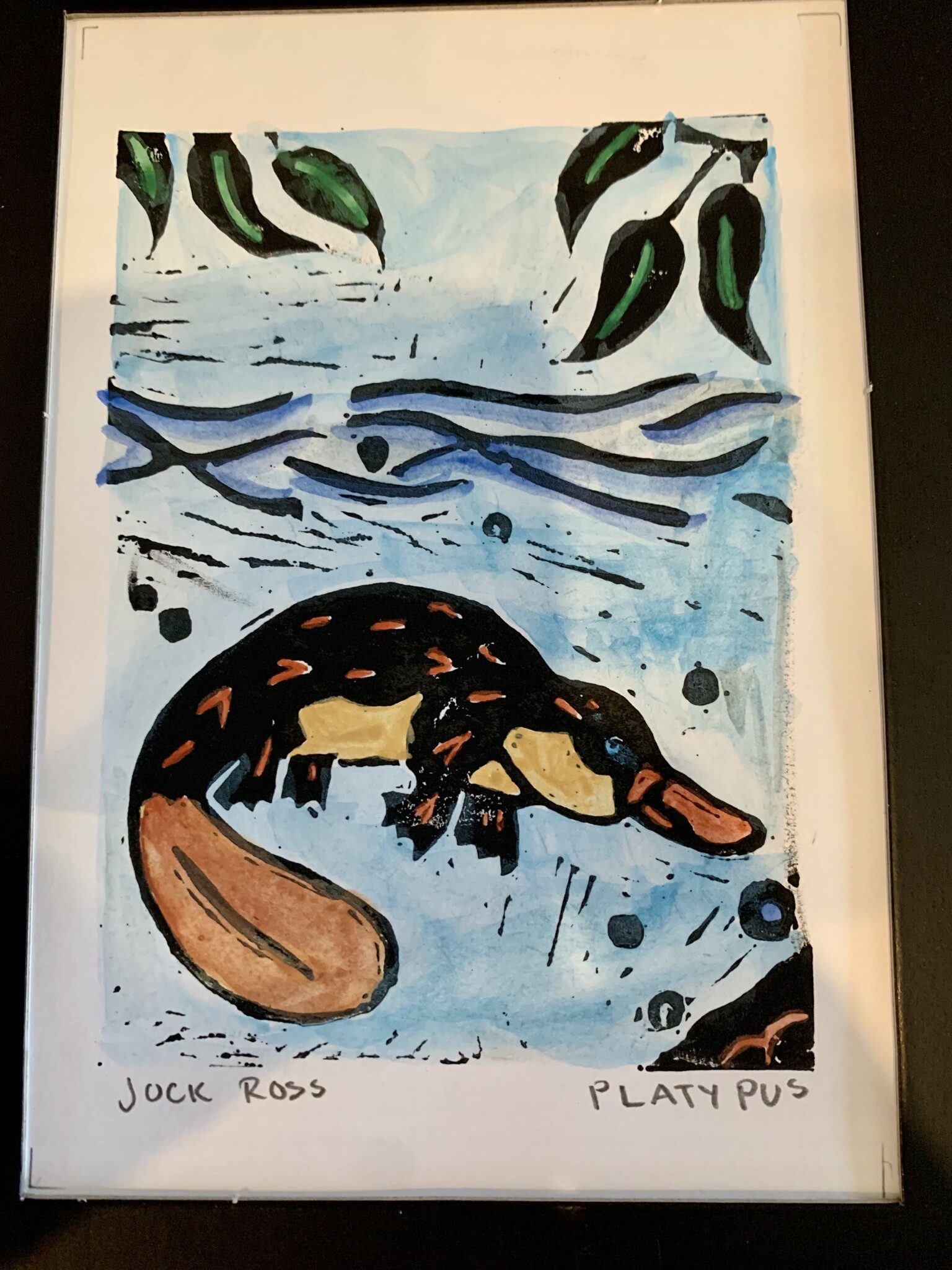
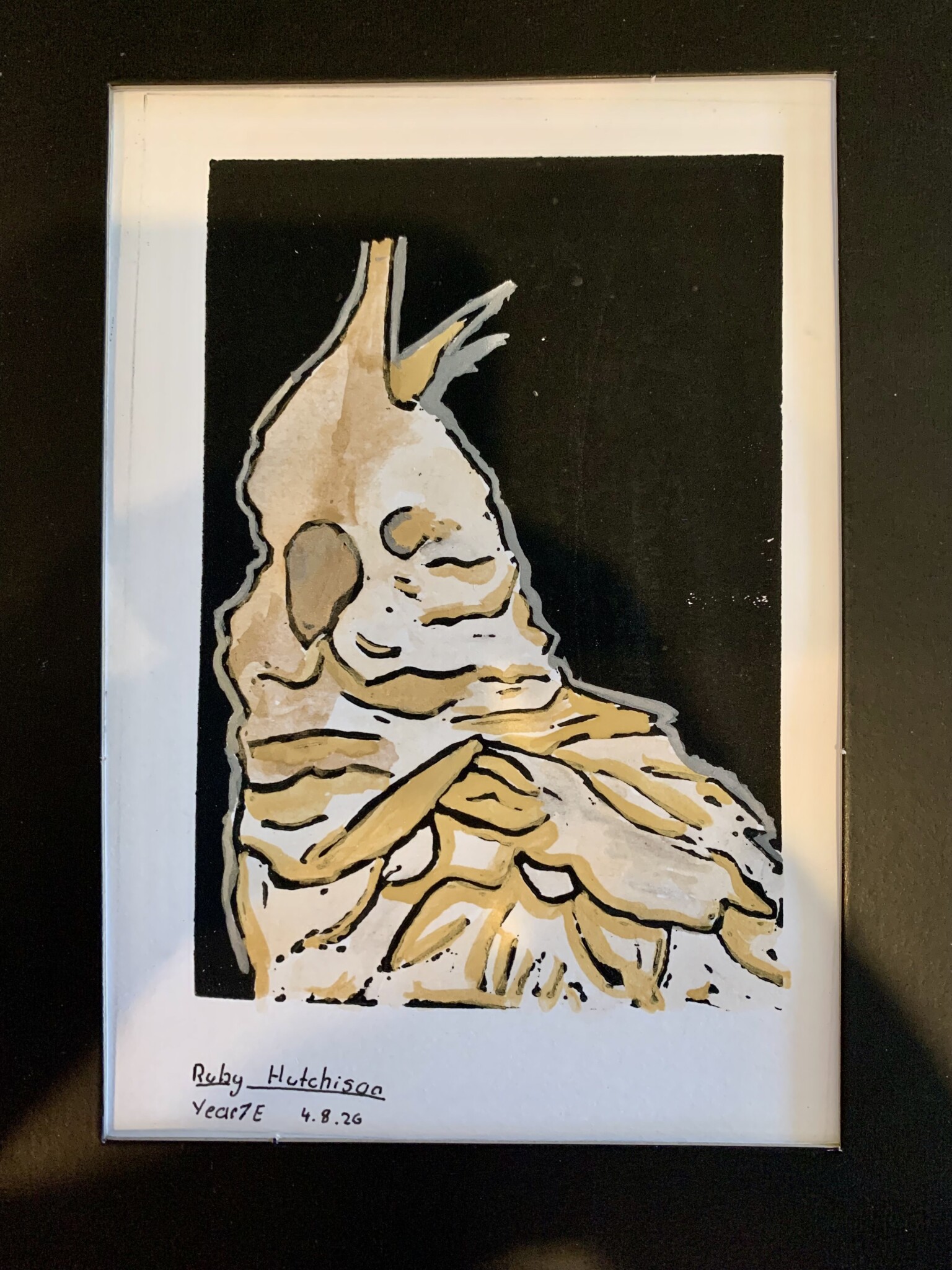
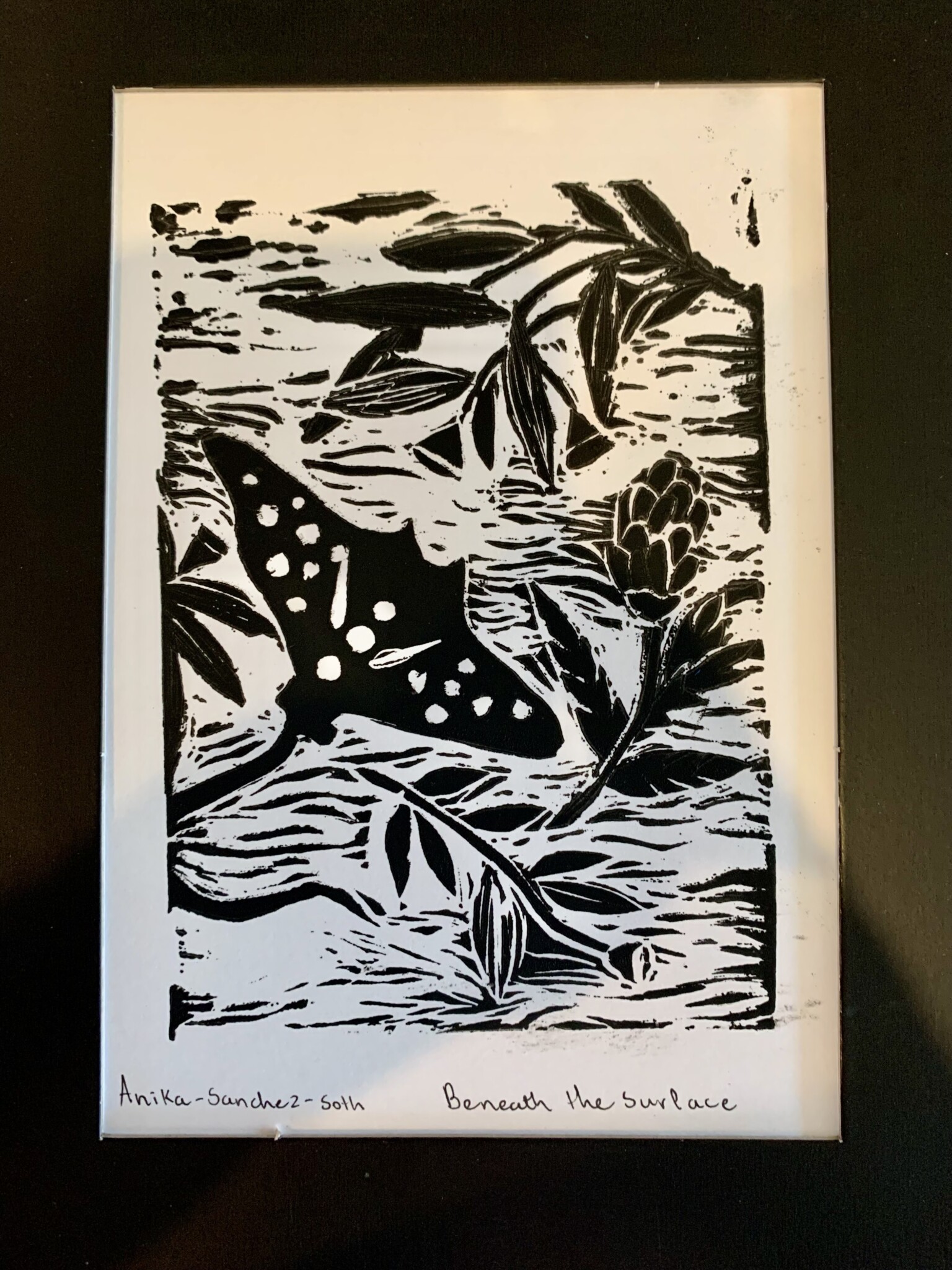
Year 7 Visual Art Students Lino Prints 2026

Year 7 Visual Art Students Lino Prints 2026

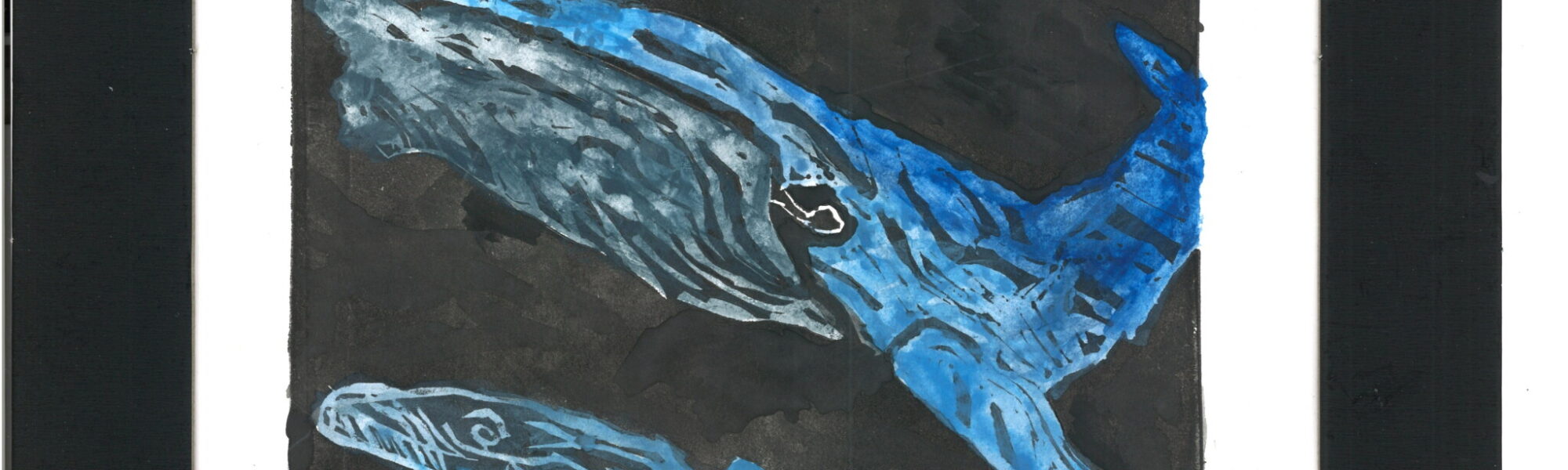
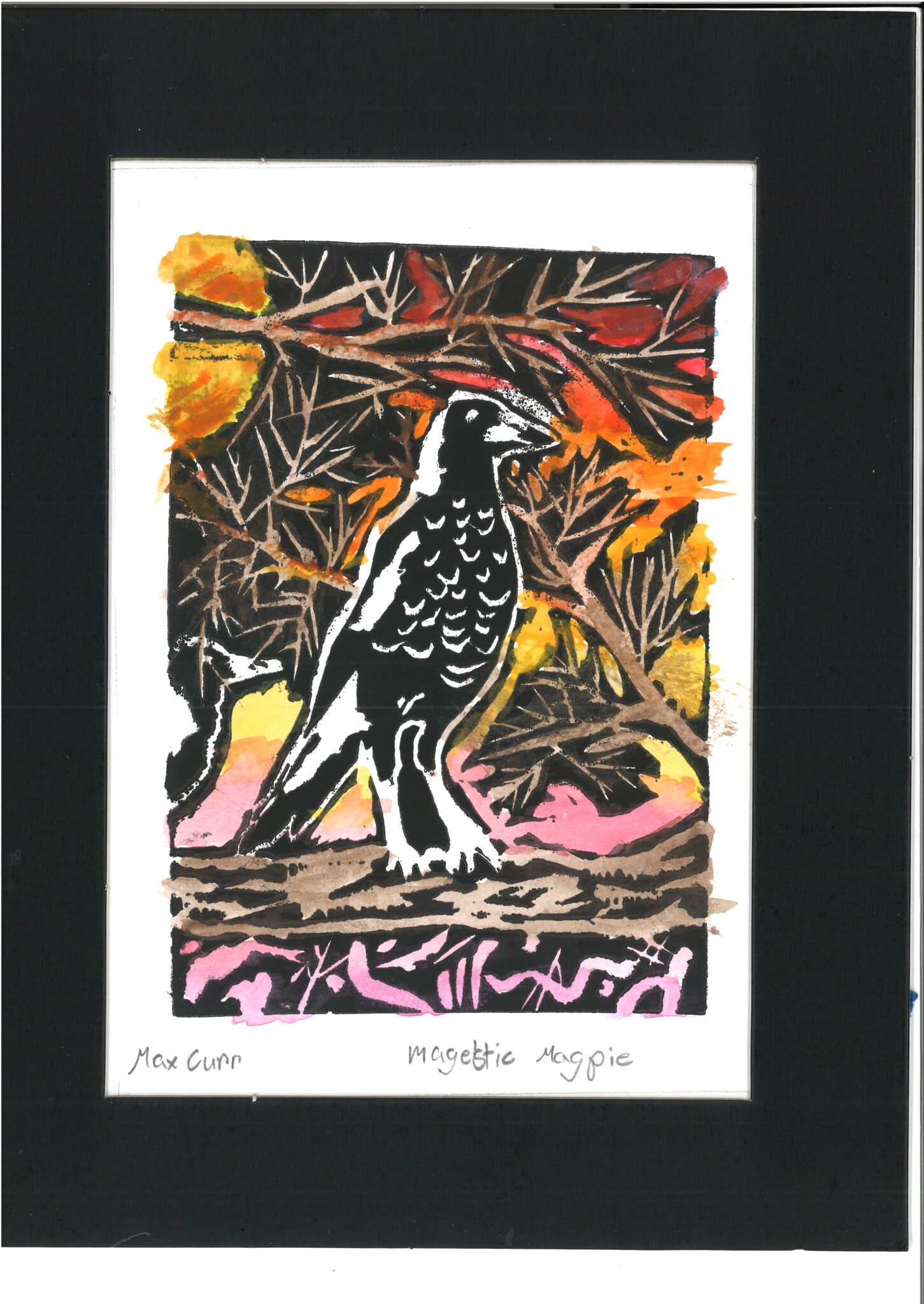
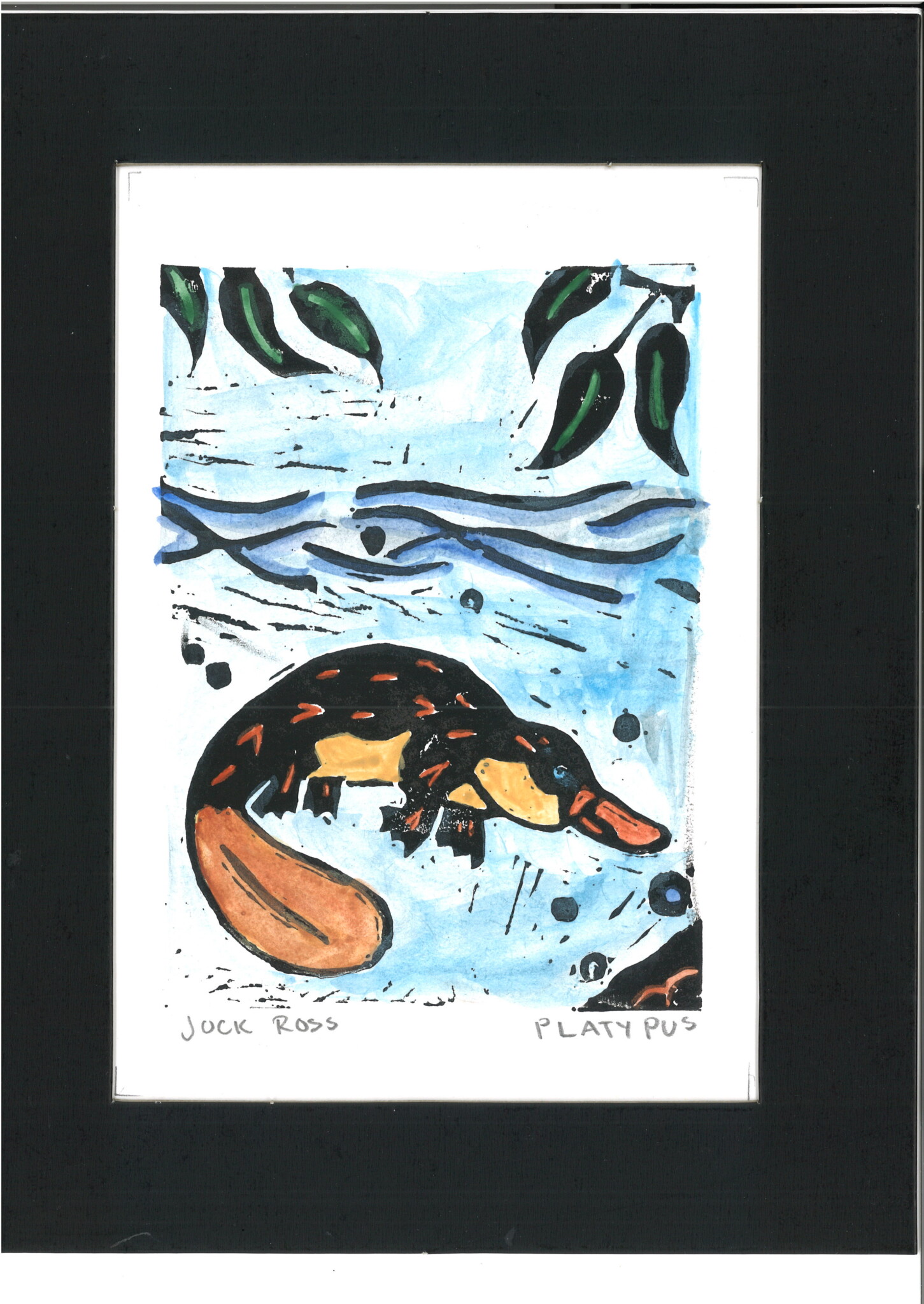
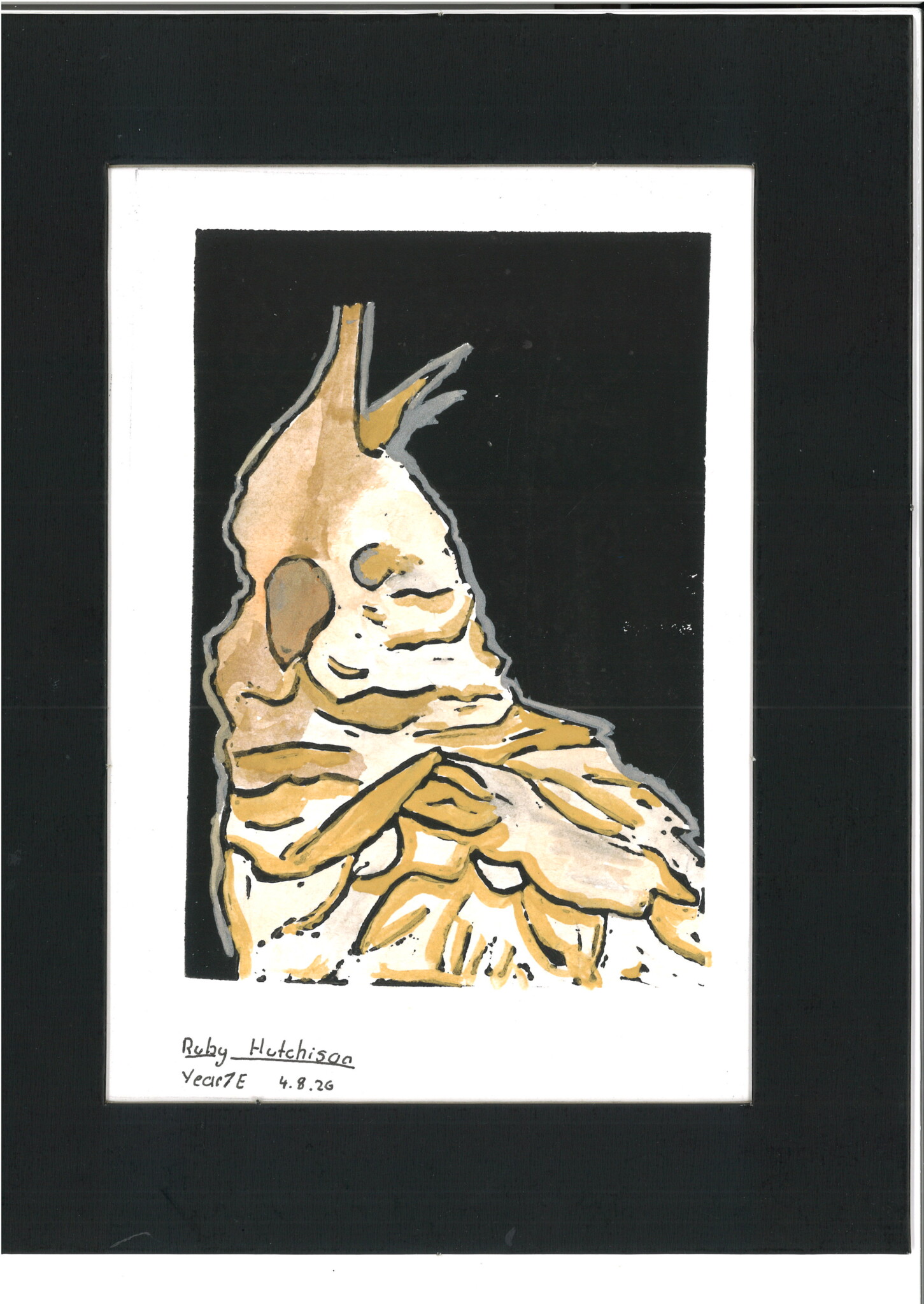
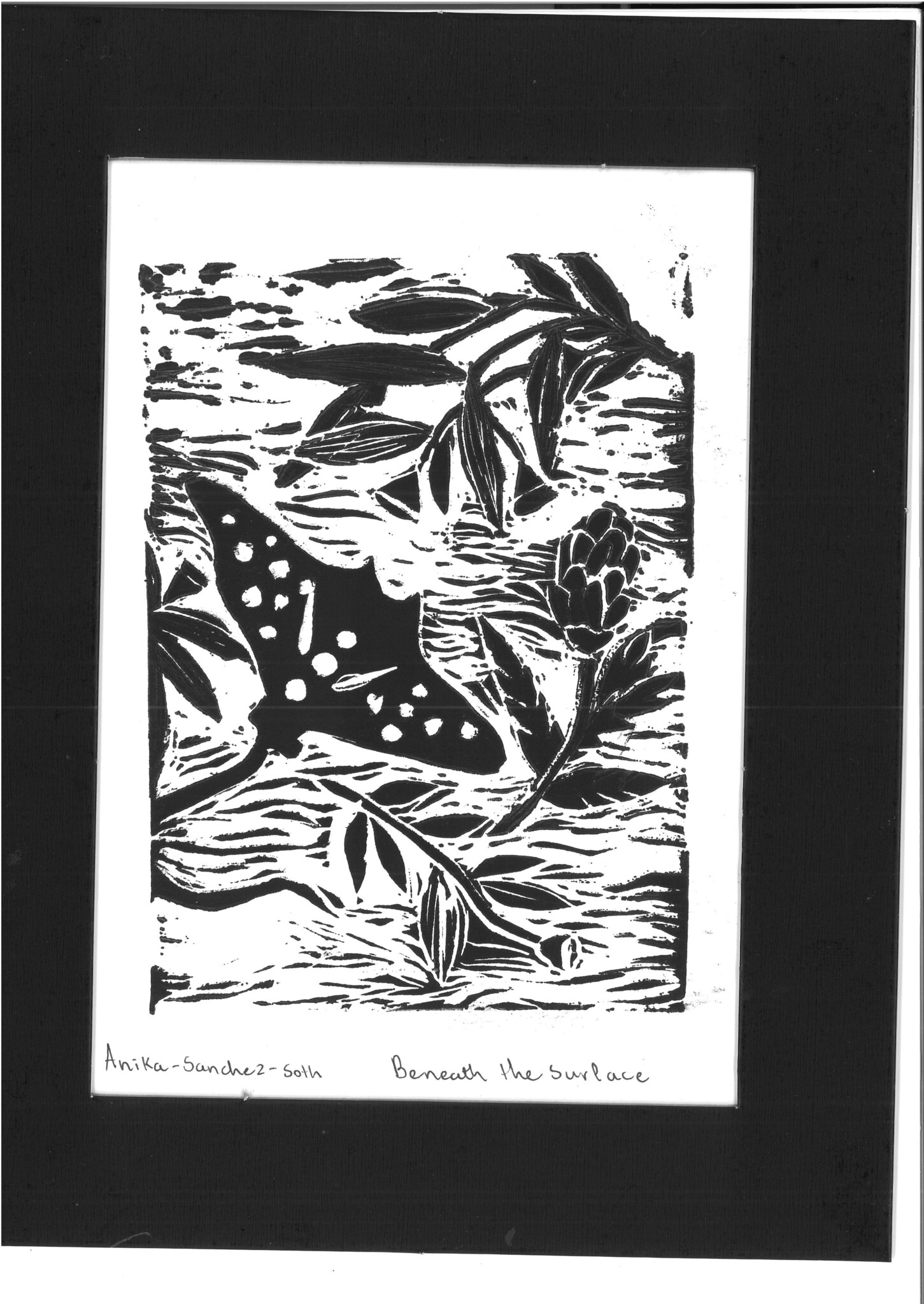
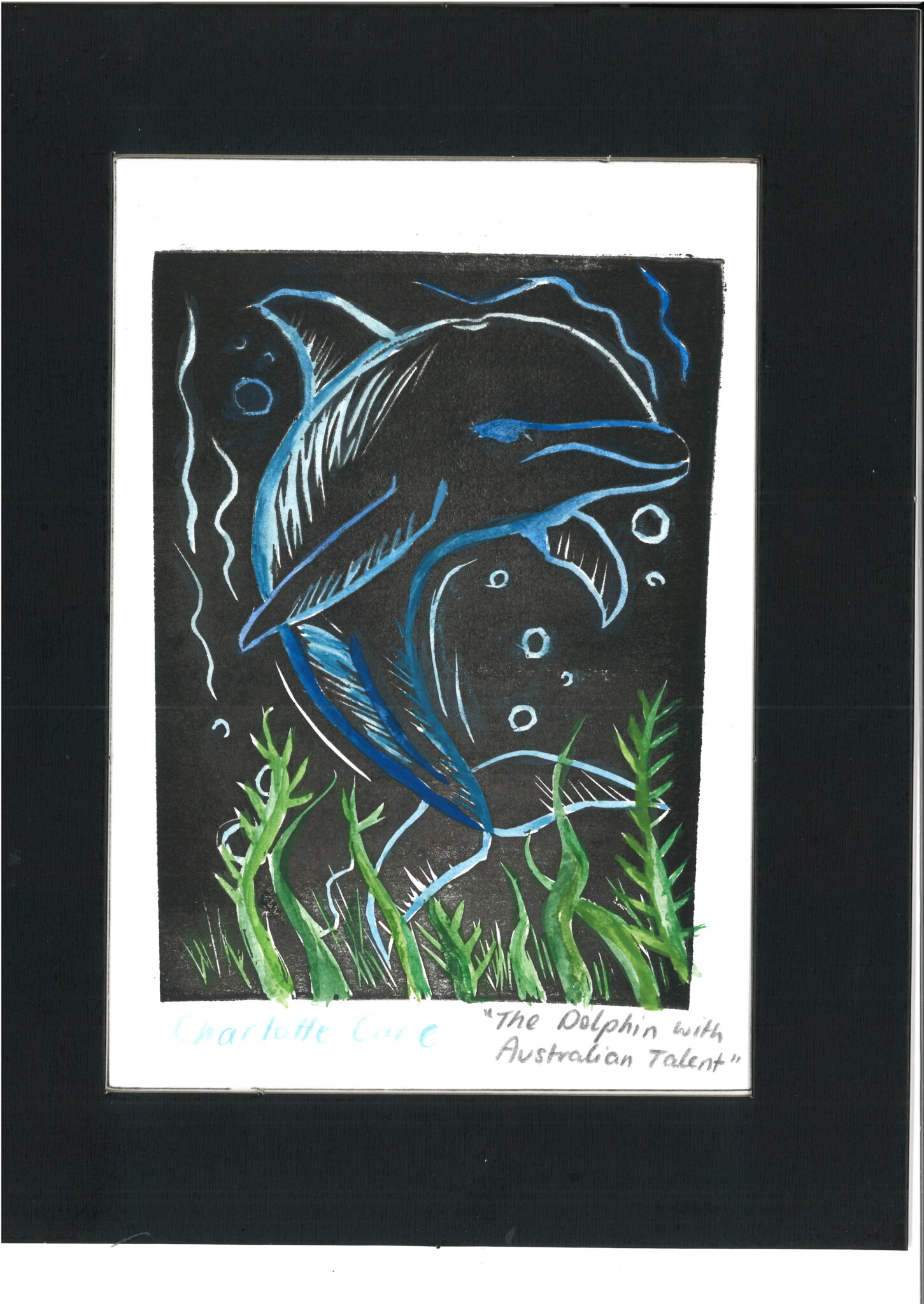
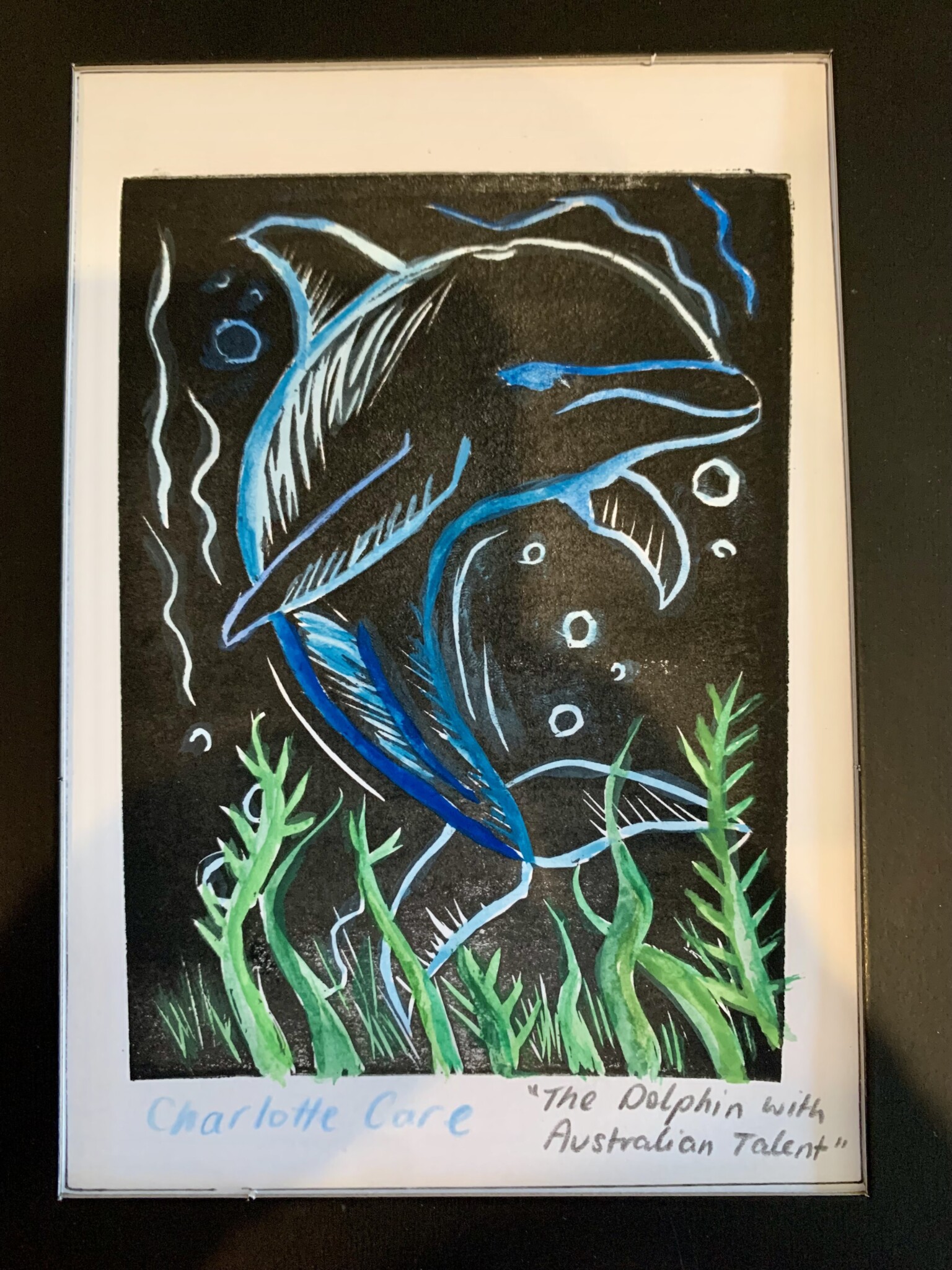
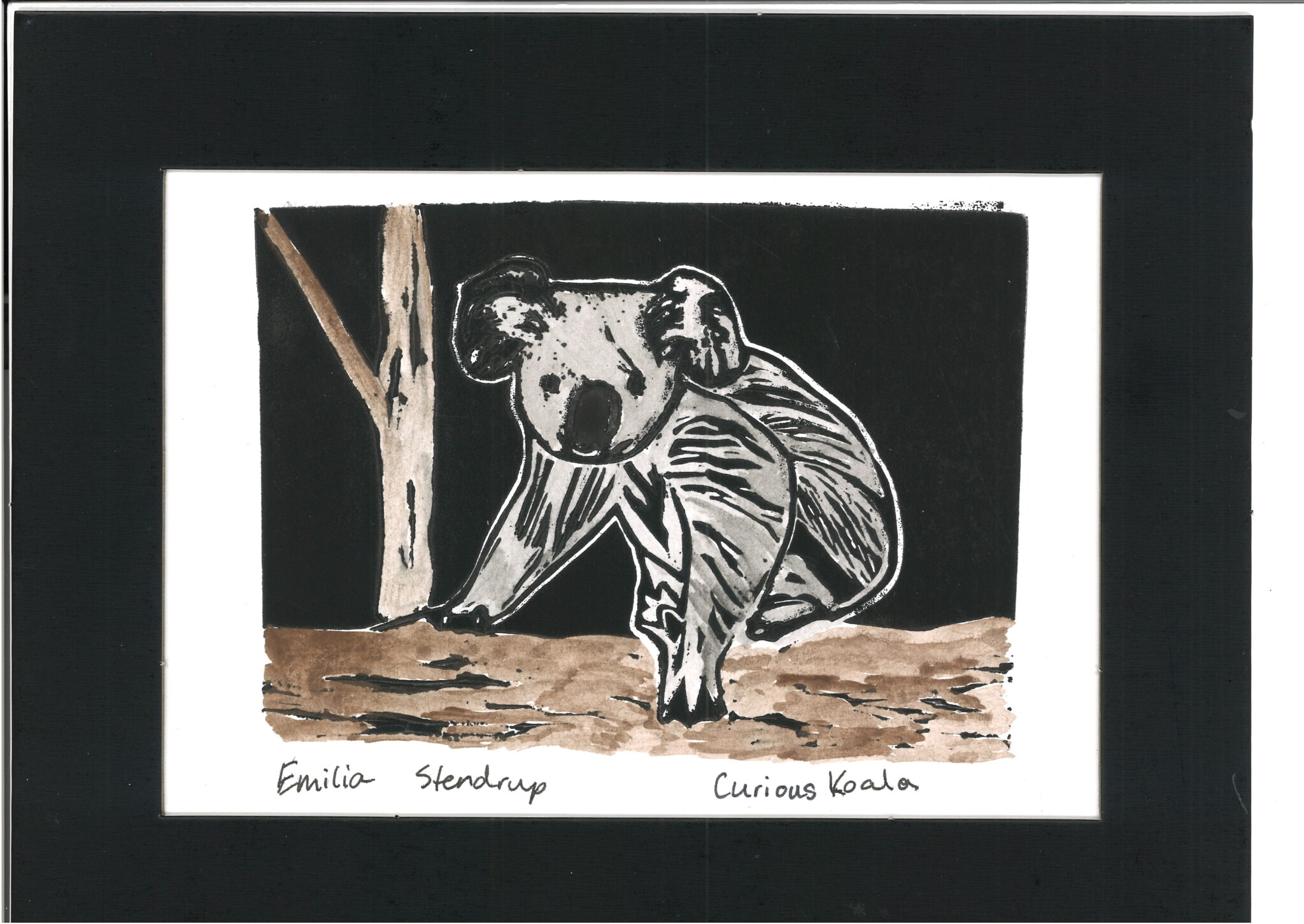
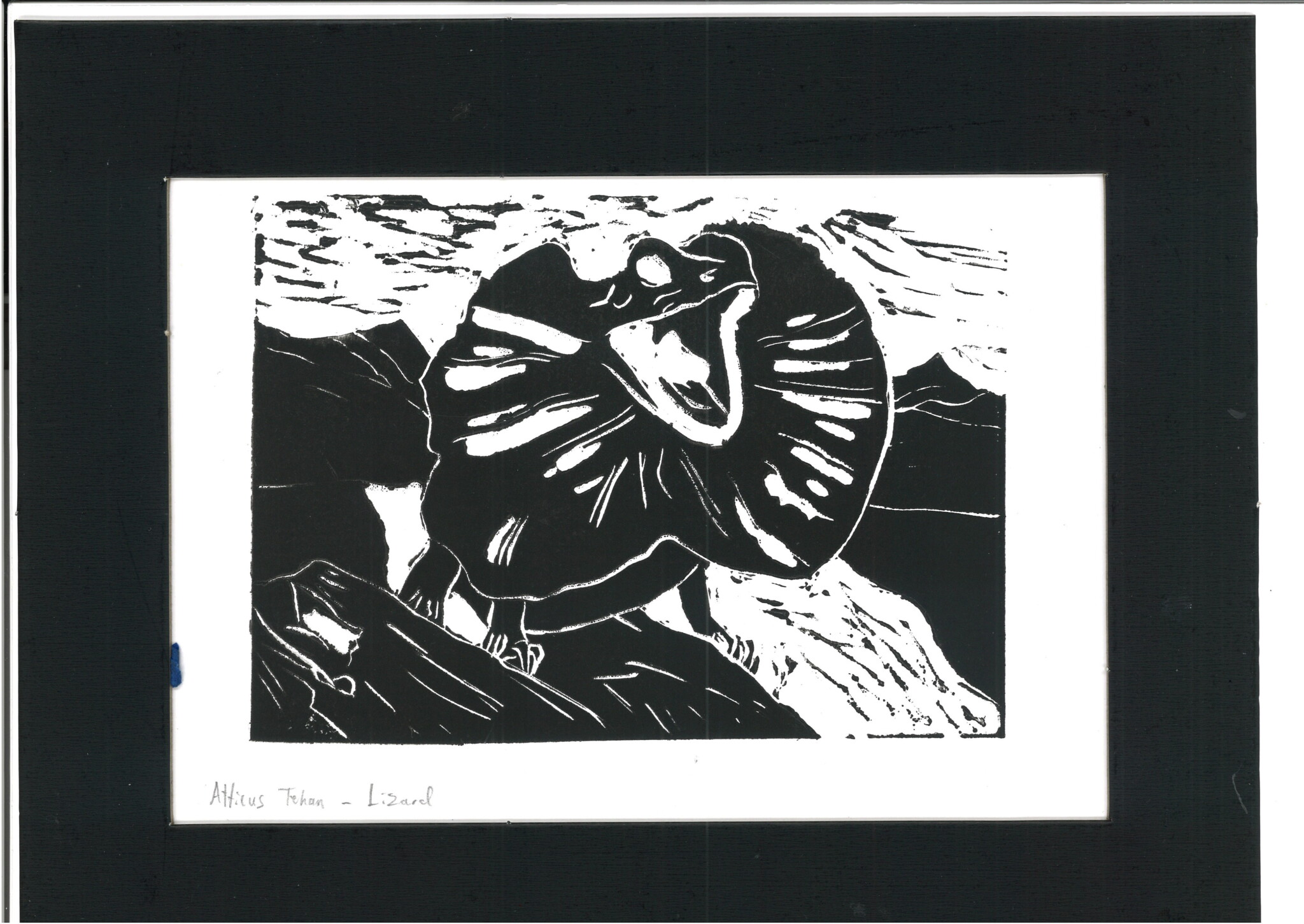
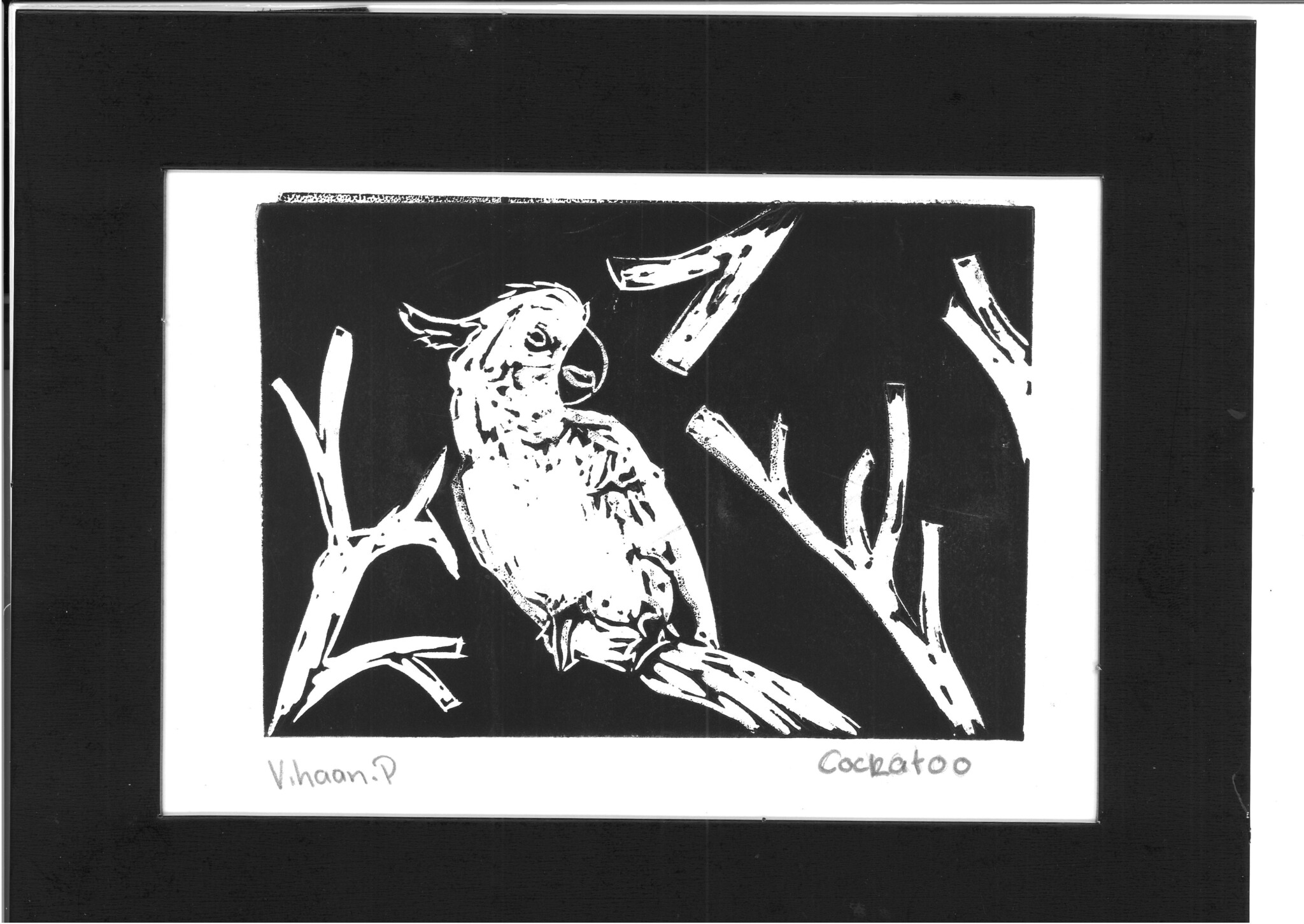
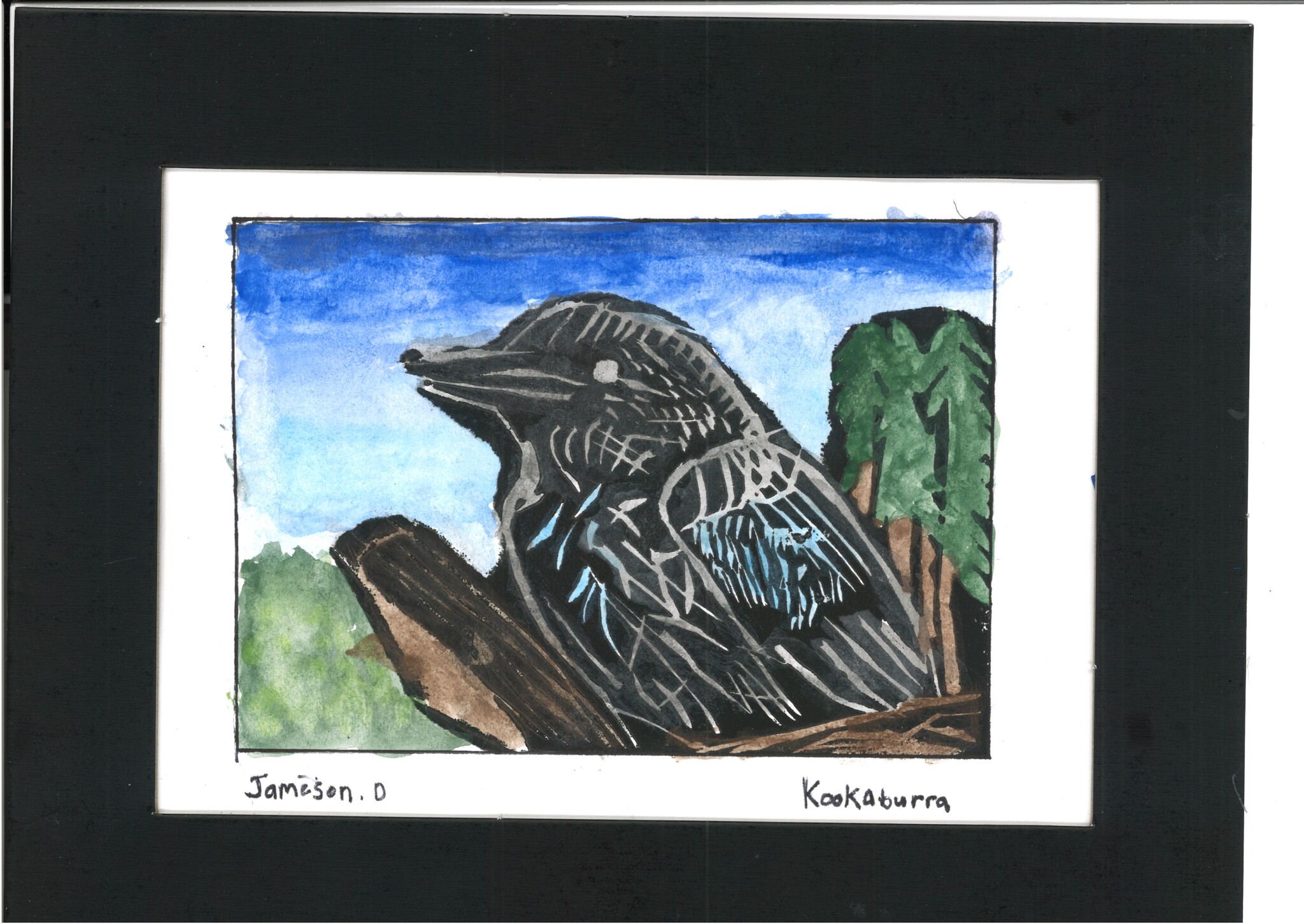
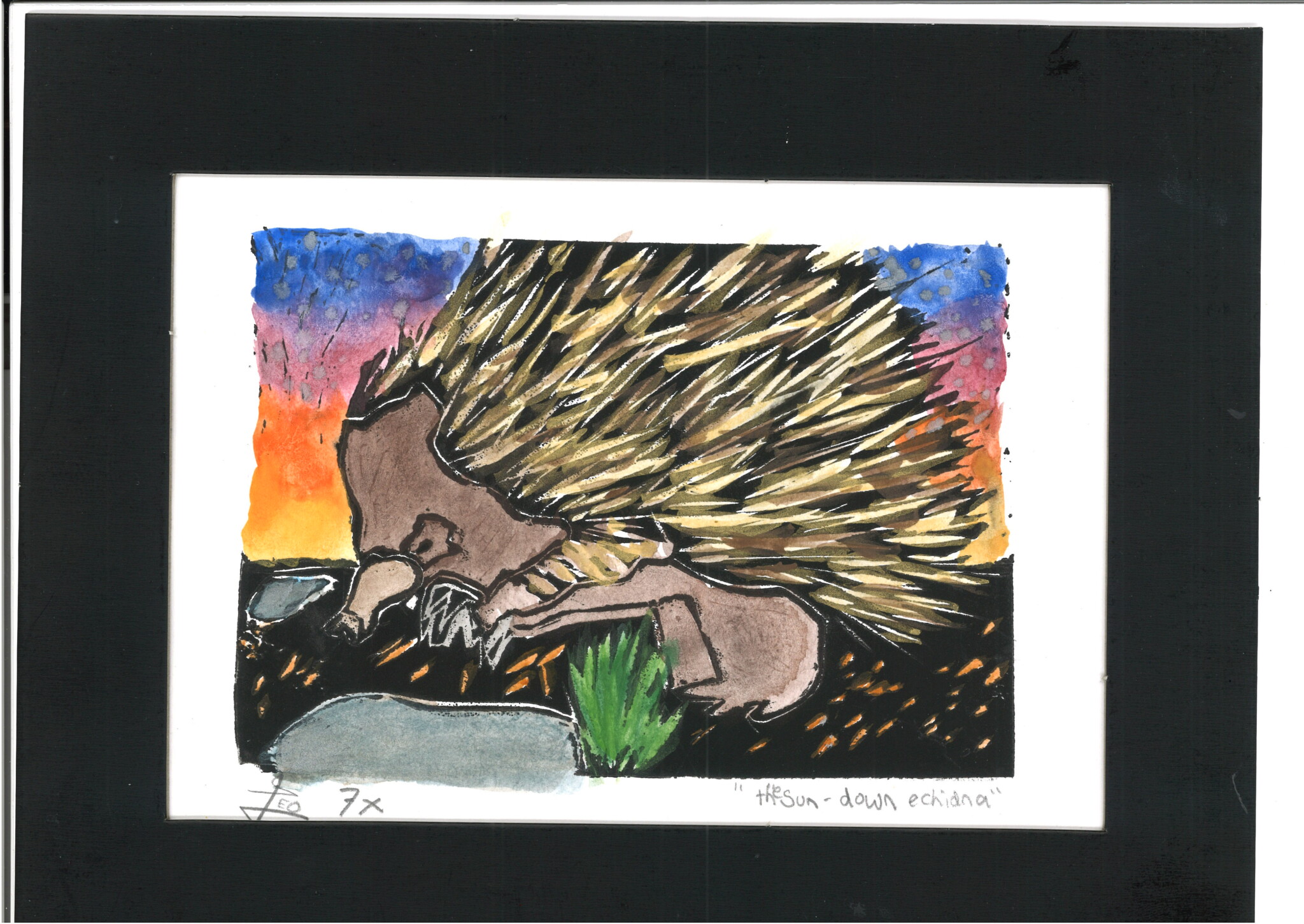
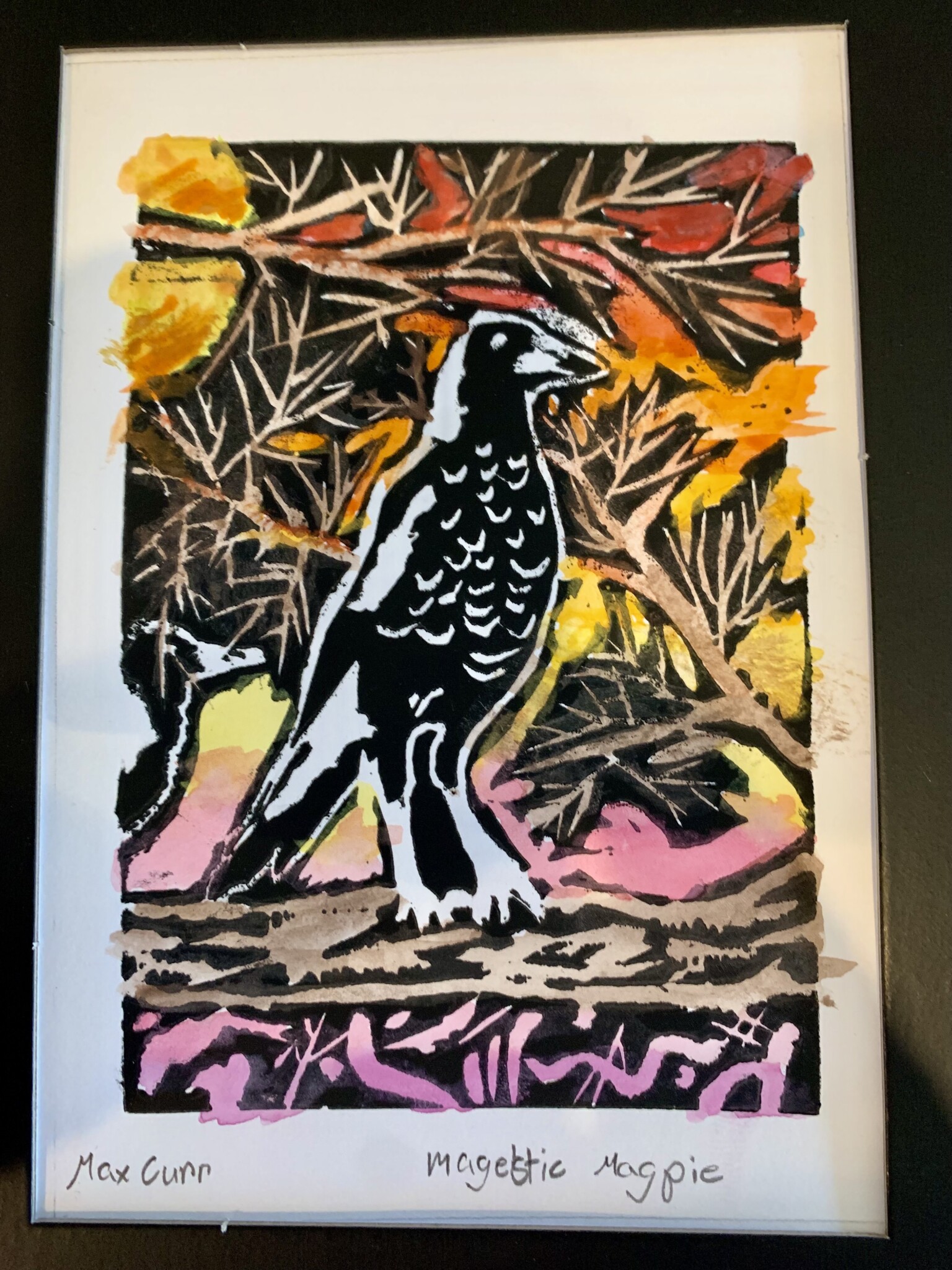
This semester, Year 7 Visual Arts students explored the exciting printmaking process of lino printing. Students designed and carved their own imagery inspired by a range of themes, carefully considering shape, pattern, and composition. They then experimented with vibrant colours and printing techniques to create bold and expressive artworks. Through this process, students developed their understanding of positive and negative space, colour relationships, and craftsmanship. The final prints showcase their creativity, technical skill, and growing confidence as young artists. We are proud of the colourful and imaginative artworks they have produced- M Bentham

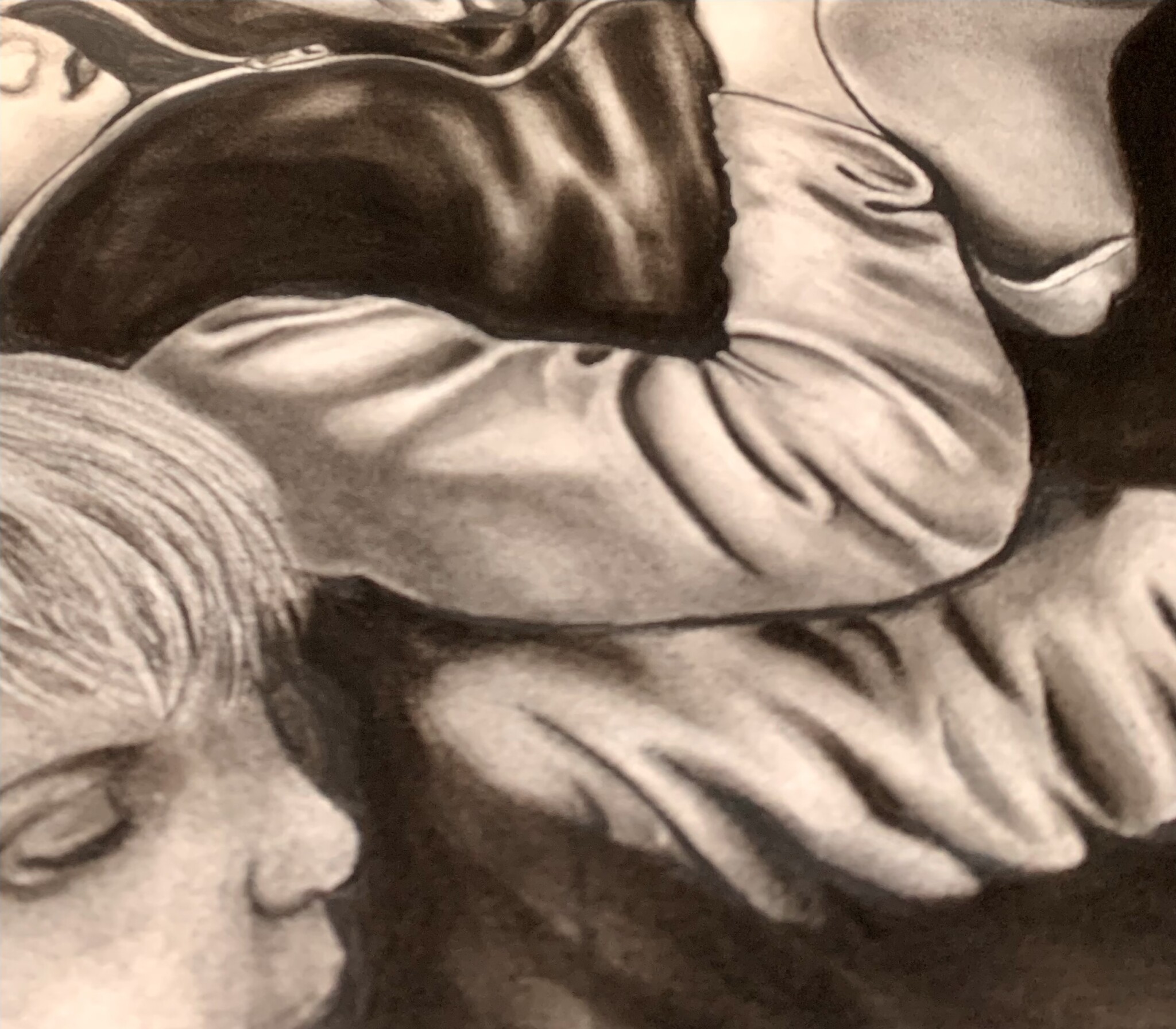
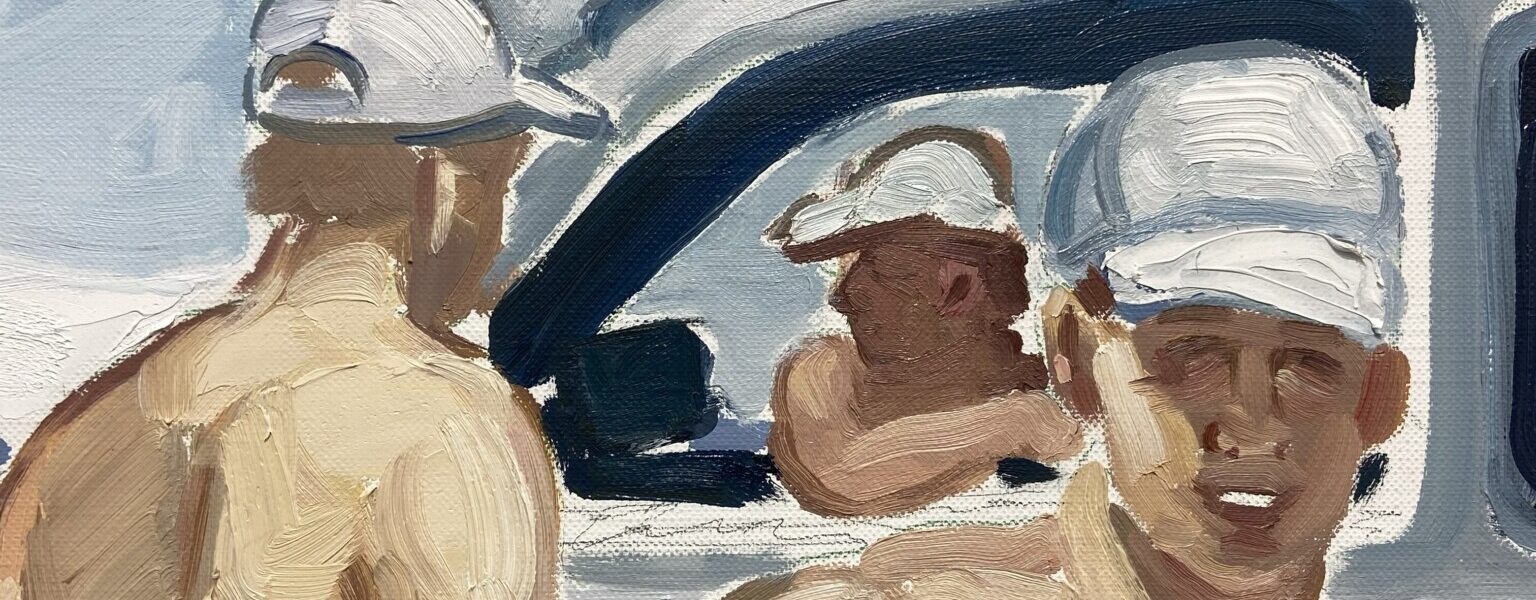
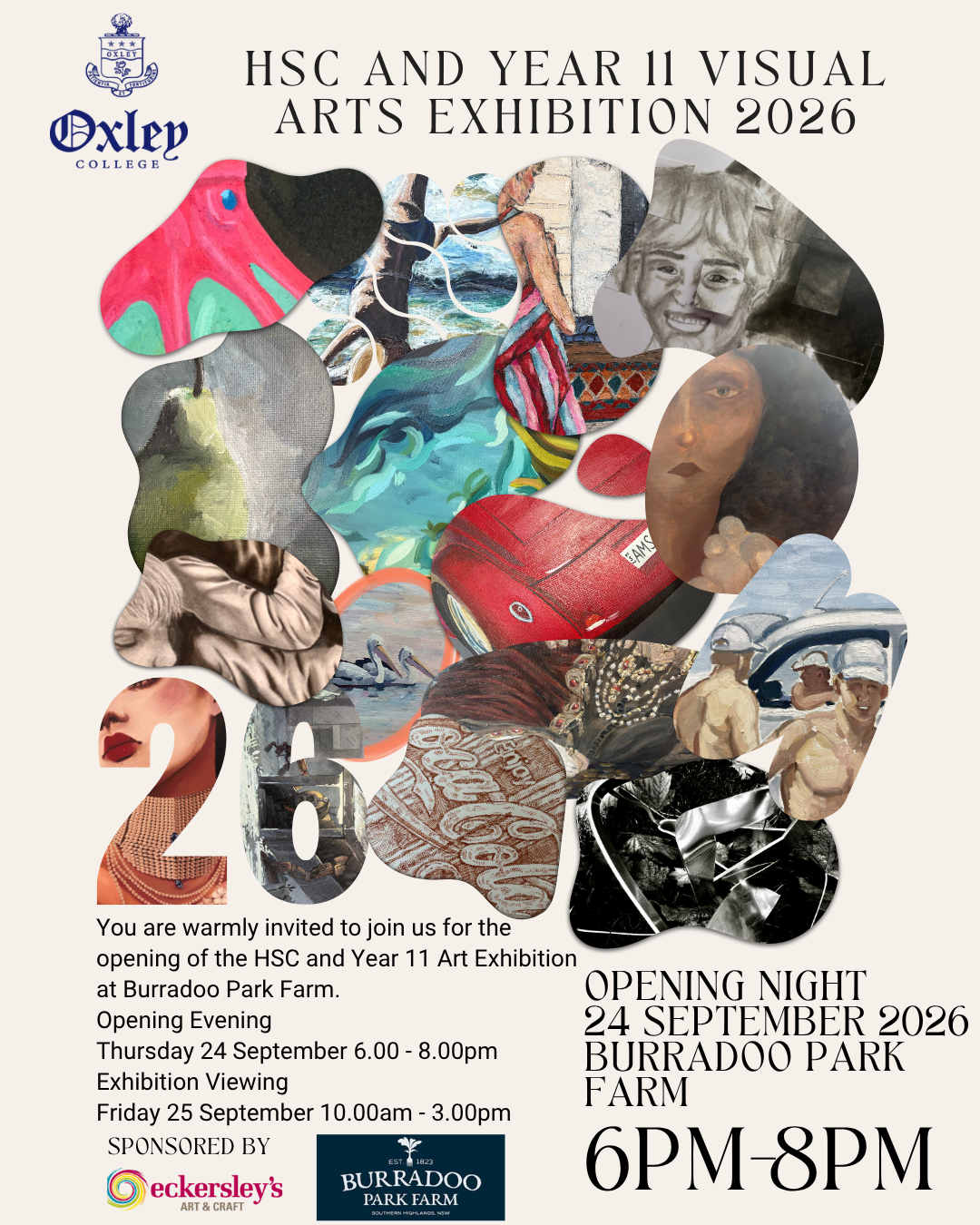
Year 12 HSC Visual Art Works 2026 Sneak Preview

Year 12 HSC Visual Art Works 2026 Sneak Preview

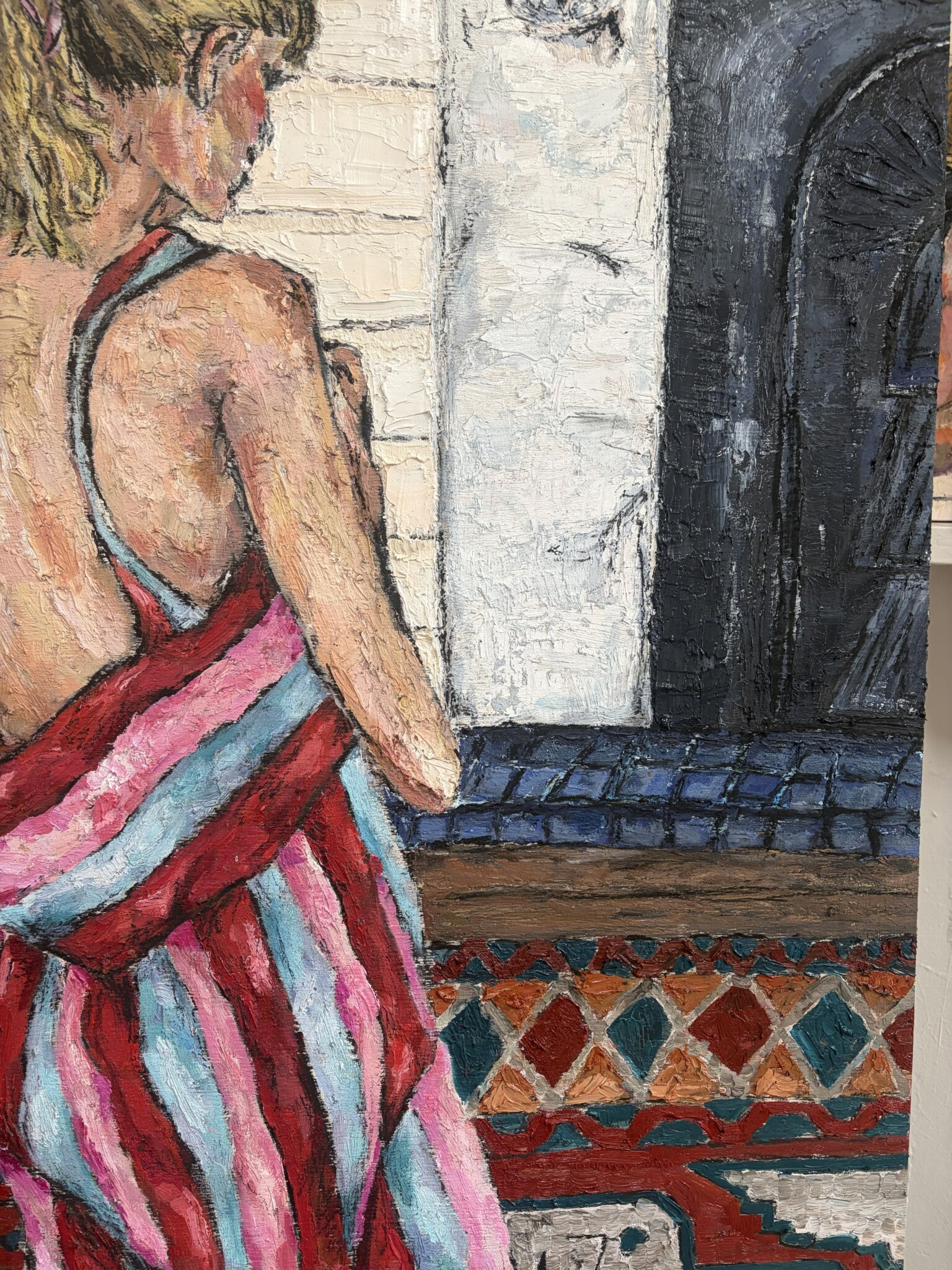
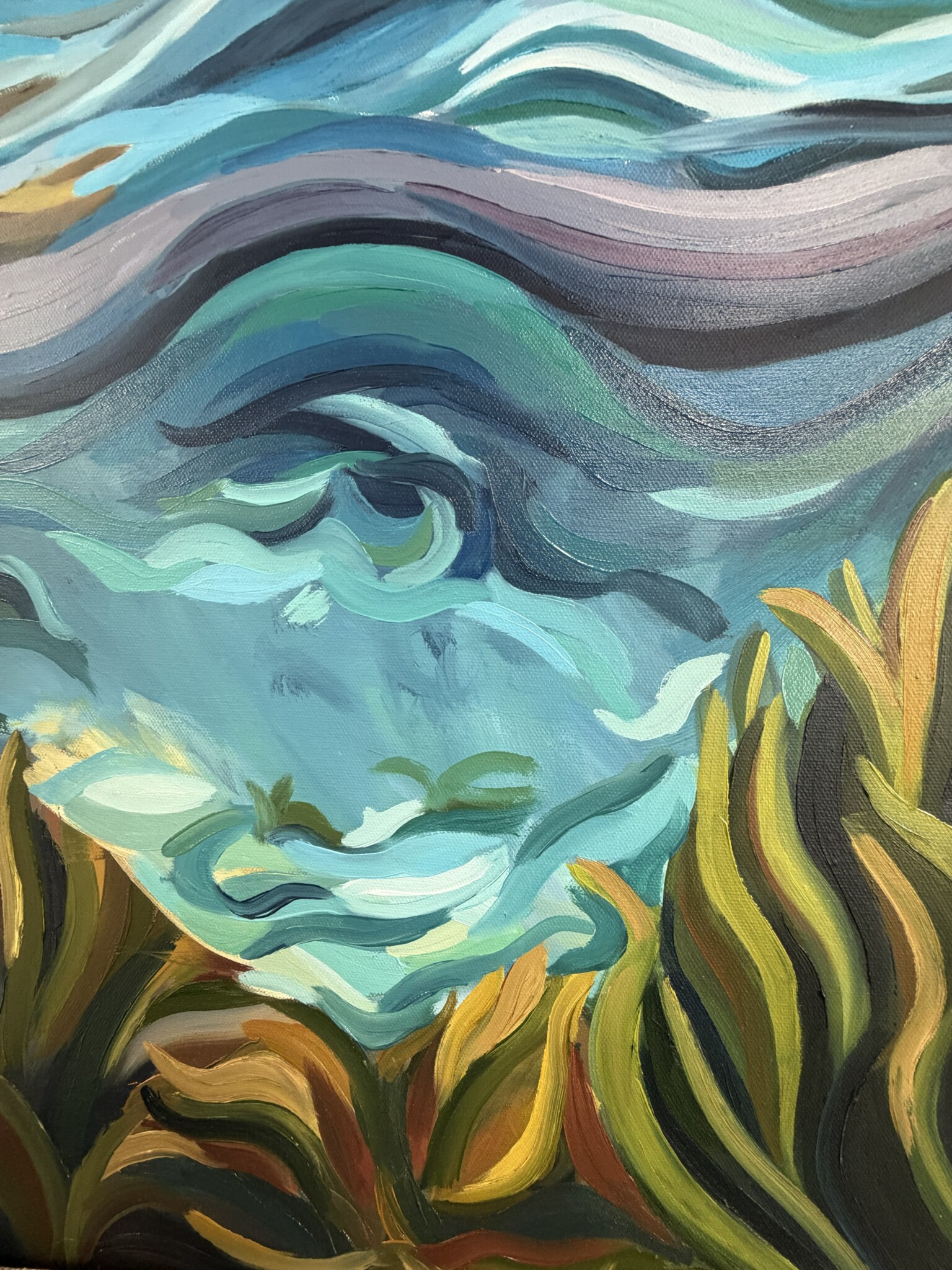
Exhibition will be Open at Burradoo Park Farm Thursday 24th of September, from 6pm until 8pm.

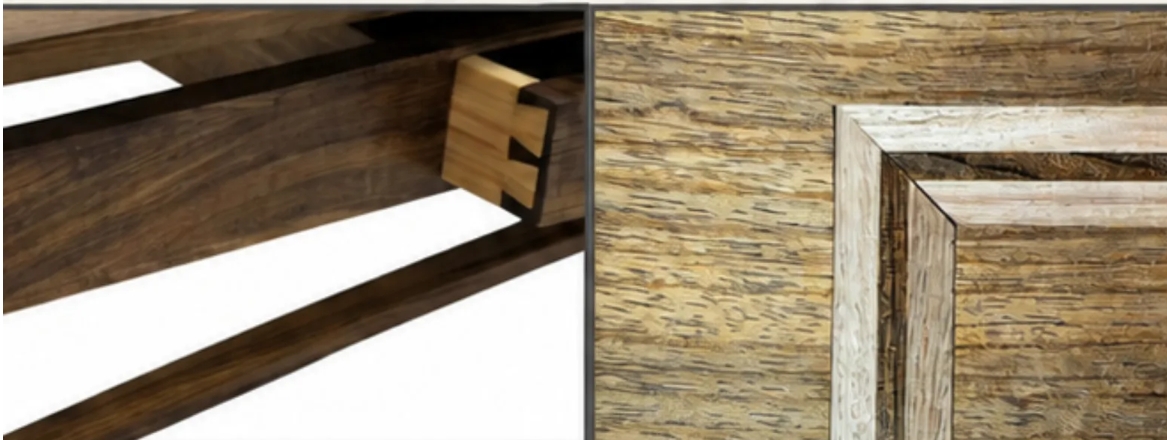
Design & Technology and Industrial Technology Timber – Major Work Exhibition

Design & Technology and Industrial Technology Timber – Major Work Exhibition

This year marks a proud milestone for Oxley College: our very first cohort of Year 12 Industrial Technology Timber students, showcasing their Major Projects alongside our talented Design and Technology students. We are delighted to invite parents and the wider community to view this exhibition of hard work, creativity, and skill.

Across both courses, students have spent the year designing, developing and refining substantial projects for their HSC, from timber furniture and fine craftsmanship to innovative design solutions across a range of materials and technologies. Each student has applied and extended their skills in design thinking, technical processes and problem-solving throughout the journey.

Behind every finished project lies an equally impressive body of work: an 80-page folio documenting the full design and development process, from initial concepts and research through to production planning, testing and evaluation.

The commitment shown by these students has been outstanding. Balancing the practical demands of the workshop with the rigour of sustained documentation, they have developed genuine industry level skills and a deep understanding of the design process.

We warmly invite you to come along, see their finished projects, and celebrate what these students have accomplished.