
“Its just bad period pain”…Or is it?- L. Anderson- Year 12
Shining a light on a misunderstood condition
Endometriosis; the silent epidemic. A chronic illness effecting 1 in 7 females and those assigned female at birth in Australia and taking an average of 6-8 years to diagnose.
Endometriosis is when tissue that is similar to the lining of the uterus occurs outside this layer and in other parts of the body. It has been found on lungs, skin, the liver and in rare cases, brain tissue.
The most common misconception of Endometriosis is that it is just bad period pain. But that’s not all. Other symptoms of endo include:
- Fatigue
- Headaches or Migraines
- Nausea
- Dizziness
- Leg cramps
These can interfere with daily life; going to school, playing sport, going to work and everything in between.
March was dedicated to raising awareness and supporting those affected by Endometriosis as part of Endometriosis Awareness Month. Endometriosis Australia’s theme for last March was ‘Every Endo Voice Matters’ – meaning that everyone affected by or connected to Endometriosis has an important voice in raising awareness and creating change. This theme encourages listening to people with lived experience, speaking up to raise awareness, and encouraging advocacy and action.
“Endometriosis is such a debilitating and painful disease”
An inspiring advocate for Endometriosis is Emma Watkins, also known as the famous Yellow Wiggle. Emma began experiencing symptoms of Endometriosis in high school but was not diagnosed until she was 27, a story not unlike many other women. In July 2018, she underwent surgery for her stage IV Endometriosis and has since rejoined touring with the Wiggles.

Emma has said: “Endometriosis is such a debilitating and painful disease, and I urge anyone suffering with the symptoms of endometriosis to put your health first and get a diagnosis so that you are in the best position to manage this crippling disease.”
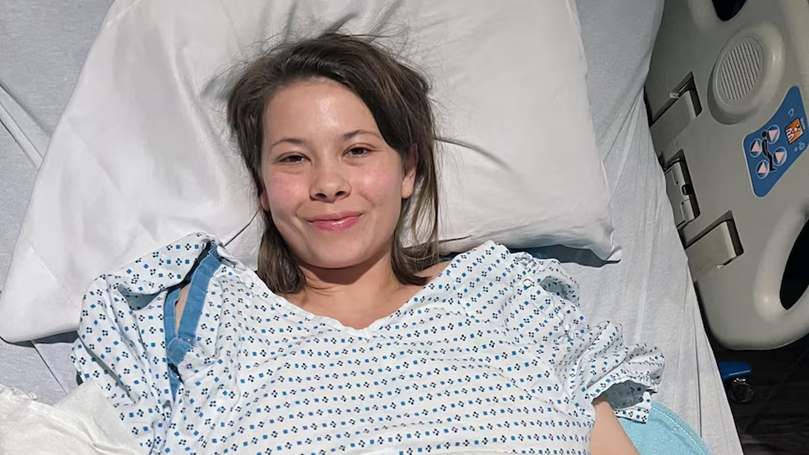
Like Emma, Bindi Erwin also has become an advocate for Endometriosis awareness in Australia. After living in pain for almost a decade, she underwent surgery in 2023 explaining that “For 10yrs I’ve struggled with insurmountable fatigue, pain & nausea. Trying to remain a positive person & hide the pain has been a very long road.”
“I felt utterly ashamed as a teenager and young adult being told that my pain was just part of being a woman.”
Bindi also details her experience as a woman with pain in the healthcare system in “A doctor told me it was simply something you deal with as a woman & I gave up entirely, trying to function through the pain.” She is now urging more women to not accept Endometriosis pain as normal as she once thought: “I felt utterly ashamed as a teenager and young adult being told that my pain was just part of being a woman.”
Monica Forlano, from Endometriosis Australia, has commented on these stories of women and has stated “It essentially just comes down to medical misogyny”.
A report by the Women and Equalities Committee (UK) conducted in 2024, found that conditions such as Endometriosis are treated with inadequate care due to “pervasive stigma and medical misogyny”. It found that symptoms are often “normalised” and it can take years for women to get a diagnosis and treatment.
So, what are we doing about this?
The Australian Government has introduced the National Action Plan for Endometriosis in 20218. It aims to improve public awareness of Endometriosis, patients’ understanding of the condition, treatment options and research programs into Endometriosis and chronic pelvic pain. The plan’s goals are improved quality of life for women living with Endometriosis, reduced burden of disease for individuals and for the nation. Additionally, from 2022-23 to 2027-28, the Government has invested a total of $37 million for 33 Endometriosis and Pelvic Pain Clinics, including one right here in the Southern Highalnds. These clinics hope to promote early access to intervention, care and treatment options for Endometriosis and enhance support available.
But what can we do as individuals to raise awareness?
Donate to Endometriosis Australia: This NGO advocates for people affected by endometriosis and are dedicated to improving lives through support programs and patient education.
Wear yellow: Yellow symbolizes Endometriosis and invisible illness awareness, providing support to those affected.
Educate yourself: Learn about Endometriosis, how it affects people and how to help support those living with the disease.
For Endometriosis awareness, some boys from year 12 volunteered to try a period pain simulator. The simulator sends electrical pulses to the abdominal muscles to imitate cramping. The goal of this was to raise awareness, reduce stigma, and encourage understanding. This video shows some of the questions we asked people about women’s health and their interesting answers along with their reactions to the simulator.
So, please support those people affected by Endometriosis and raise awareness about this disease that is too often left unspoken about.