Duke of Edinburgh Program Experience

Duke of Edinburgh Program Experience

by C. Stephen- Year 12

Over the years, I have thoroughly enjoyed participating in the Duke of Edinburgh program, The program has encouraged me to step outside my comfort zone and seek opportunities beyond the school curriculum, ultimately shaping my confidence, resilience, and sense of community. It has also taught me the importance of teamwork, adaptability, and leadership, as well as how to support others and contribute positively within a group.

As part of the Duke of Edinburgh Award level progressively becomes more challenging. Moving from Bronze to Silver and then Gold requires a greater commitment, with increased hours needed to complete each section, as well as longer and more demanding expeditions. This structure encouraged me to stay organised, remain consistent, and continually push myself beyond what I thought I was capable of.

Throughout my Duke of Ed journey, I explored a wide range of activities. For recreation, I participated in school touch football and soccer, while for skill development I joined the school choir. My service component allowed me to give back to the community in meaningful ways, including volunteering to plant trees near Bray Fields, assisting at Bowral Equestrian days, and participating in Off the Shelf. These experiences helped me build strong connections both within the community and across different year groups.

The hiking expeditions have been some of the most memorable aspects of the program. My Silver canoeing journey at Yarrunga Lake in Kangaroo Valley and through Shoalhaven Gorge was an incredible experience. The slower pace allowed us to take in the beautiful scenery, share laughs (and lollies) across canoes, and bond as a group.

My Gold practice hike in Year 10 is one I will never forget. Set in the Budawangs, the terrain was extremely challenging, and at one point we became very lost and didn’t return to camp until midnight! To make things even more memorable, My tent buddy and I discovered a rat in our tent after accidentally leaving it open. While difficult at the time, these challenges taught me perseverance and something to have a good laugh over with my peers that were on the hike.

As part of the Gold Award, I completed a residential project designed to challenge participants to meet new people and step outside their comfort zones. I spent five days at the Jindabyne Sport and Recreation Centre, where I did not know anyone beforehand. This experience pushed me to become more open-minded, independent, and confident in unfamiliar environments. Through group activities, I developed strong teamwork skills and built meaningful friendships with people, many of which I still maintain today.

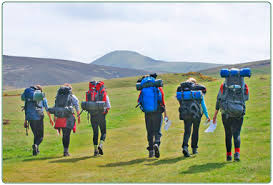
The Gold qualifying hike at Mount Kosciuszko was equally unforgettable. Over three nights, we trekked through the mountains, experienced unexpected snowball fights during breaks, and pushed through blisters and fatigue. Camping by the Snowy River and watching the sunsets each evening made it all worthwhile, while navigating in pairs strengthened our independence and trust in one another. Standing ontop of Mount Kosciuszko was such a rewarding experience.

As Outdoor Education Captain, I have enjoyed giving back to the program by running lunchtime clinics to help students log their hours and stay on track as well as helping them prepare for their hike by making sure they get the correct gear.

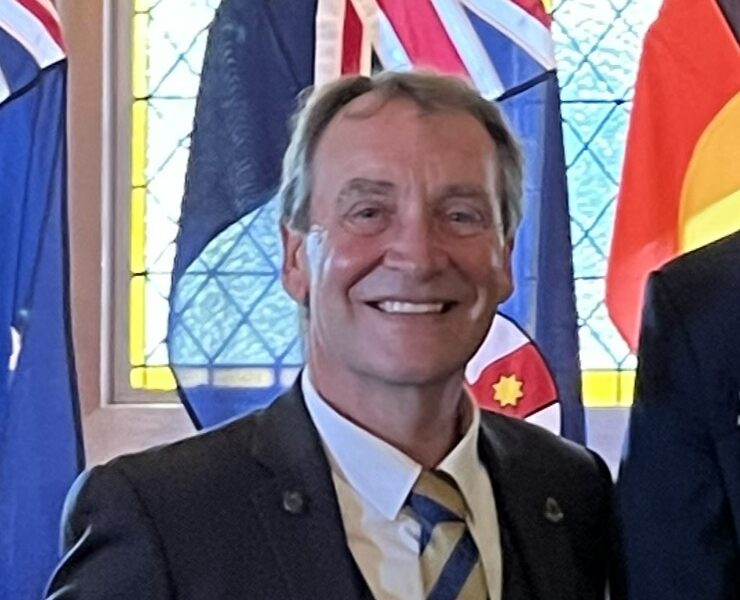
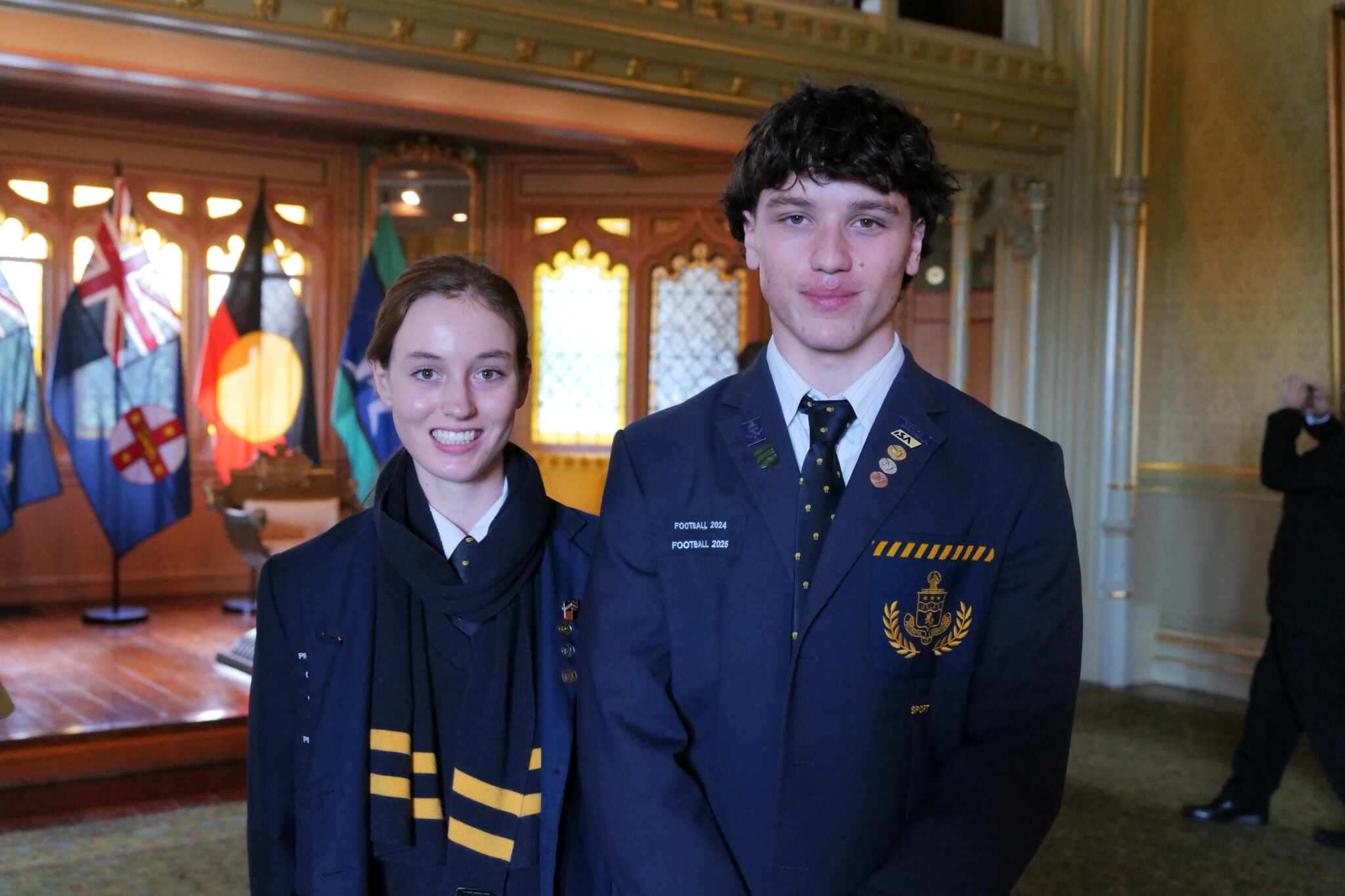
Recently, I had the privilege of attending the Achiever’s Ceremony at Government House. It was a special experience to celebrate alongside Harry Kean and other Gold participants provided the chance to reflect on the dedication required to complete the program. I also had the opportunity to reconnect with two of the people I met during my Jindabyne residential project.

During the ceremony, the Governor shared a message that has stayed with me – achieving the Gold Duke of Ed Award is not the end, but rather the beginning of applying these skills to overcome new and different challenges in life. This perspective reinforced the lasting value of the program.

I would also like to acknowledge Mr Dibdin, who is the school’s award leader. His ongoing support and passion have played a significant role in helping students, including myself, succeed in Duke of Ed.

For current and future participants, my biggest piece of advice is to stay consistent and organised. Make sure to log your hours as you go, rather than leaving it until the end, as it becomes much harder to remember your experiences. Most importantly, embrace every opportunity the program offers you will gain far more than just an award.
Year 9 and 10 Visual Arts Excursion- By Ruby C (Year 10) 

Year 9 and 10 Visual Arts Excursion- By Ruby C (Year 10) 

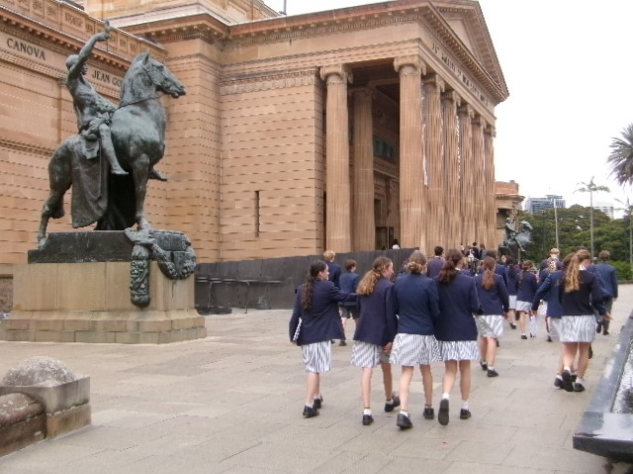
Photo by Ruby C 

It was a freezing cold Friday in March – Friday the 27th to be exact – when me and my fellow artistic peers from Year 9 and 10 Visual Arts had the tremendous opportunity to have an annual visit to the Art Gallery of NSW in Sydney! For this particular excursion, we were accompanied by Mr Bentham, Miss Aitken, Mrs Smith, and Mr Sakurat from the Royal Thai Embassy. 

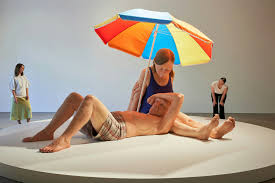
After an enjoyable bus ride and a quick (yet nutritious) snack break, our first destination on this excursion was Ron Mueck’s ‘Encounter’.  This was a dramatic exhibition presenting numerous astonishing creations that are both viscerally physical and psychologically intense, reflecting inner worlds of private feeling. His contemporary sculptures not only explored the human condition, but simultaneously reflected various themes including birth and death, and detachment and unity. In addition, all the Mueck ‘beings’ demonstrate impressive technical skill and realism through each of their life like appearances. Often at times me and my fellow peers thought that at least one of the sculptures slightly moved… 

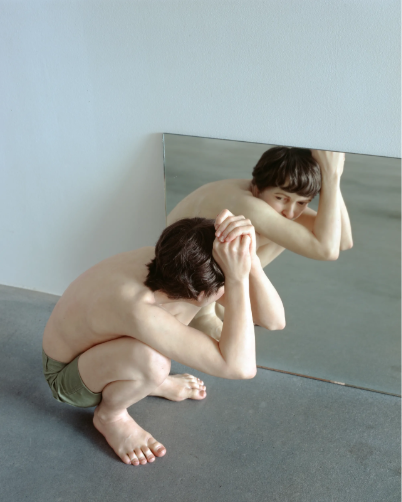
Out of all of Ron Mueck’s lifelike ‘encounters’ that I each met throughout the gallery space, there was a certain sculpture, in my opinion, that simply stood out from the rest. This was “Crouching Boy in Mirror” (1999-2002, mixed media) – an artwork that ironically, just as the title describes, depicts a young boy ‘crouching’ in front of a plain rectangular mirror, leaning against the wall. Small in scale, it presents a moment of quizzical introspection similar to our own moments of self-doubt, isolation, anxiety and vulnerability. Moreover, “Crouching Boy in Mirror” enables the audience to become a part the scene (and the artwork) by allowing them to get close and see their own reflection overlapping with his. 

Crouching Boy in Mirror – Ron Mueck | The Broad 

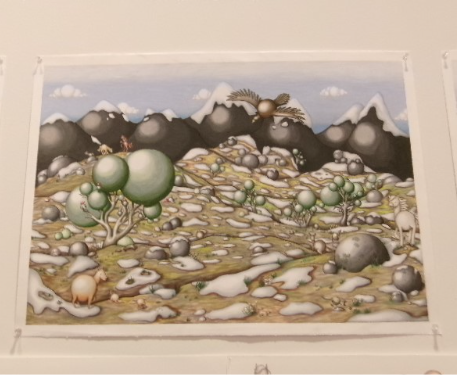
Our next stop was none other than ARTEXPRESS: an annual showcase of outstanding artworks created by HSC visual art students across NSW. In this section of the gallery, we explored and admired many creative artmaking forms, ranging from ethereal black and white photography to vibrant, amusing paintings that truly delineated creative freedom. Amongst this curated collection of Year 12 works, me, as well as many from my cohort, can agree that “The Australian Biosphere” by Daisy Donaldson was indeed a mutual favourite. These body of works evoke feelings of wonder, curiosity and nostalgia to convey the organic irregularities of the natural world, and to encourage the audience to rediscover these types of awe-inspiring landscapes through a profound child-like perspective. 

Photo by Ruby C 

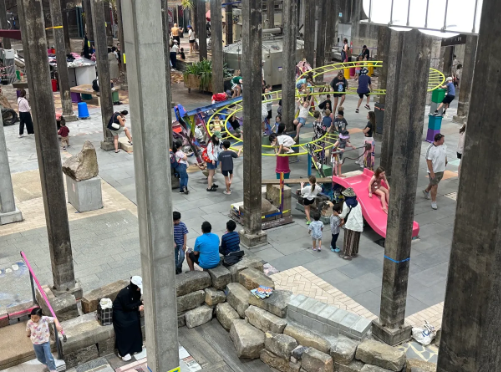
Before we headed off to the Naara Nura building, we all unexpectedly found ourselves immersed in a dramatic public art space, located in the former wartime tank underneath the building. This was Mike Hewson’s “The Key’s Under the Mat” – a unique audience-owned experience in the form of a joyous, sculptural, and surprisingly chaotic…playground! Cultivated from salvaged materials and objects, Hewson’s immersive, sculptural neighbourhood is a one-of-a-kind project in which encourages the audience to be a part of the experience, and to use the exhibition space as entirely their own! In addition, as a boundary-testing transformation of both social and modern sculpture, “The Key’s Under the Mat” is a lively and bold act of regeneration and reclamation! 

Mike Hewson’s The Key’s Under the Mat review: arty playground is joyous and chaotic 

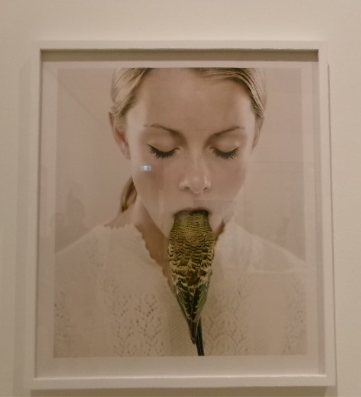
The final part of our day out at the Art Gallery of NSW involved a visit to an exquisite exhibition situated in the grand Naala Nura building called “Super Nature”. Set up across multiple spaces, this brand-new gallery exhibition conveys the interaction and intertwinement between humans and the natural world. Additionally, “Super Nature” explores rich and creative responses to peoples’ place within the environment. Amongst this collection of creative works, some were more visually…interesting than others. At first glance, Petrina Hicks’ unconventional (and simultaneously disturbing) photograph “Shenae and Jade” (2005) may provoke a flood of startling thoughts, emotions, and reactions. However, according to the artist herself, the artwork is not as alarming as it seems; it delineates and symbolises a strong bond between the subject and her pet bird. Capturing a surreal moment between the human and the animal, it indicates to broader context regarding cultural representations of women, beauty, and nature. 
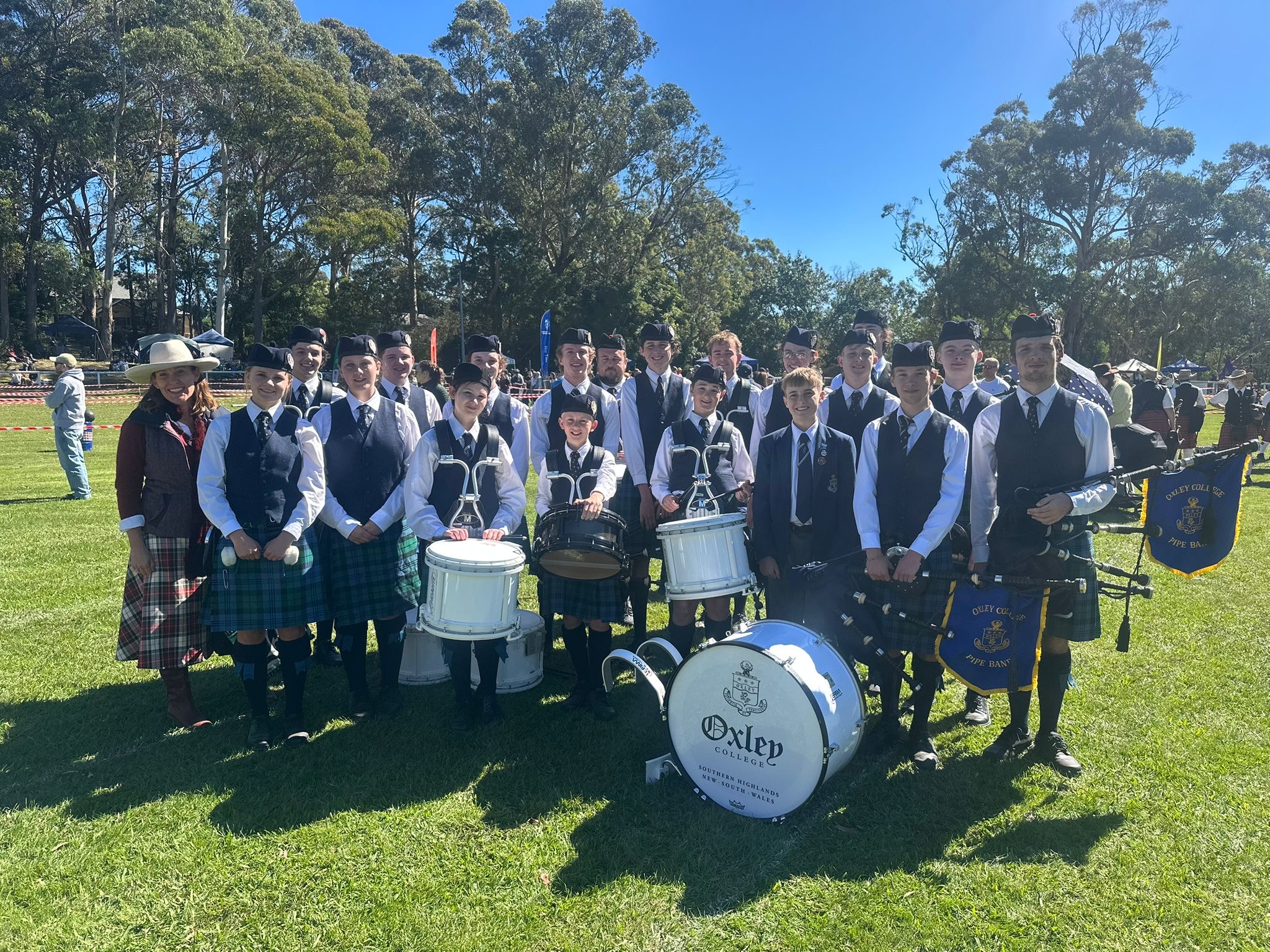
 Photo by Ruby C 

As a Year 10 Visual Arts student, I enjoyed this excursion very much, and I hope my peers have been immensely inspired by this trip for each of our own artmaking practices! I also do hope that we will have the delightful opportunity to visit the Art Gallery of NSW again next year! 

Staff Profile: Mr Tim Dibdin- by R. Cochrane- Year 10

Staff Profile: Mr Tim Dibdin- by R. Cochrane- Year 10

How many years have you been teaching at Oxley College?

I joined the teaching staff at Oxley at the beginning of 2000, so that makes it 26 years!

What ultimately inspired you to take on the profession of teaching?  

I was very much inspired by some of my own high school teachers, particularly my PE teacher and Rugby coach in the fourth form and my History teacher in the sixth form (old speak!). I was also mindful of those teachers who did not command respect in the classroom. My Dad was also a school master, with a strong interest in co-curricular sport and overseas travel. He had the ability to build a strong rapport and long-lasting acquaintance with many of his pupils. In particular, he championed those who struggled academically and discovered for them ways to succeed and thrive in their adult lives.  He taught until he was nearly 70 years old and loved it!

Specifically, what made you want to become a teacher of Social Sciences?

At school I was not very good at Mathematics or the pure Sciences, but I did develop keen interests in Geography, History and English Literature. I went on to read Geography, History and Religious Studies at university, later specialising in Human Geography. Being at university in Wales allowed me to explore the beautiful local mountains and coastlines on field trips or expeditions with the mountaineering and kayaking clubs. Hence, I also became interested in outdoor education. Meanwhile, I was developing a keen interest in Celtic history, culture and landscape, completing my teaching practice in Geography and Physical Education at schools which were bi-lingual and where colleagues and students were fiercely proud of their Welsh heritage.

What is one of your favourite topics to discuss in the classroom?

Countries – the big wall map in CTW – 7 was great for that when this was a Geography room, as well as old school atlases and Google Earth! I love Geography trivia!

What do you like most about teaching Geography and History?

I enjoy the multi-disciplinary nature of Geography, combining the sciences and arts to explain the world’s natural and built environments and the issues which evolve from this interaction. Being a storyteller in History helps students connect the past to the present, develop critical thinking skills and build empathy through role play.

Why do you believe that Geography is a crucial subject for students as part of the Oxley learning experience?

Geography is a very diverse subject which effectively synthesises science, history, economics and human culture; so acting as a useful bridging subject. As Mr Simpson often quips, “Geography is about everything, and everything is about Geography”. Geography has real-life relevance; teaching students about the world they live in today, helping them understand interconnected global systems, environmental challenges and local issues. Ultimately, the goal is to empower students to think critically, develop spatial awareness and skills in cartography, spatial technologies and decision-making, for them to then burst out of their Burradoo bubbles, explore the outside world and become responsible, active citizens who genuinely care about the future of their planet and its peoples. I can think of a number of Old Oxleyans’ who have pursued International and Environmental Studies and carved out careers in conservation, outdoor education, international law and diplomacy; all of which have a basis in Geography.

Similarly, in outdoor education and particularly through the Duke of Edinburgh’s Award framework, there are opportunities for students to experience learning in tangible ways; whether it be in a group navigating a journey through a wilderness area, serving the interests of the local community, or developing new and practical life skills.

Is there a particular memory during your time at Oxley that you are most fond of?

I have many fond memories of my time at Oxley; most of them out of the classroom. These include coaching my first – quite magnificent – U 15 Rugby team, co-managing six international cricket tours and three Gold Coast sports tours, visiting Botswana and Nepal with Year 9 and 10, exploring New Caledonia’s barrier reef aboard a sailing boat with a group of French/Geography students; accompanying Duke of Ed participants along the Main Range of the Snowy Mountains on a sparkling December day, racing students down the flanks of Mt Kosciusko on an OLE cross-country skiing camp, taking Gold award students to the 60th anniversary celebrations of the Duke of Ed in Australia with Prince Edward and Dawn Fraser at Sydney Town Hall and with the Governor of NSW at Government House.

Other favourite memories include snowball fights on the Founders’ Field during my first Highlands winter, intense games of indoor hockey in the PCC against our Dutch exchange students and when the Pipe Band combined with the school orchestra for the first time on Foundation Day, under the baton of Andrew Young and almost brought the PCC roof crashing down with their sheer volume, vigour and passion!

Oh, and from a pastoral point of view, I really enjoyed leading Mawson House for a semester, even though I am a die-hard Dobellian!  

What is something that no one else knows about you?

I was once 6’ 6’’ tall? Nah. No one needs to know or perhaps should not know!

Australian Age Swimming Championship

Australian Age Swimming Championship

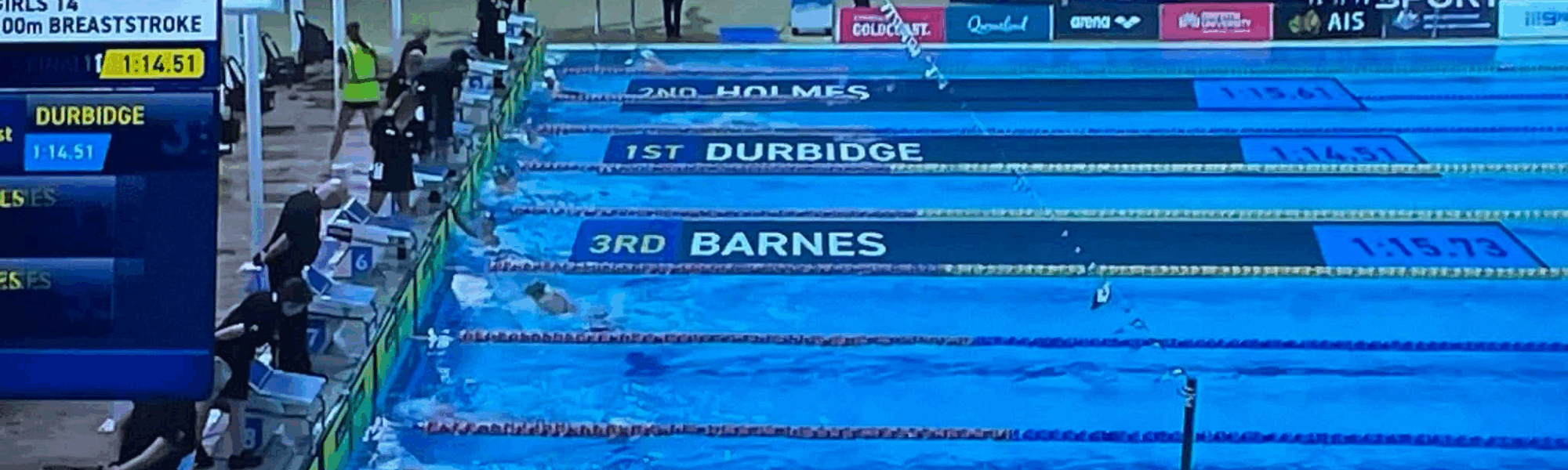
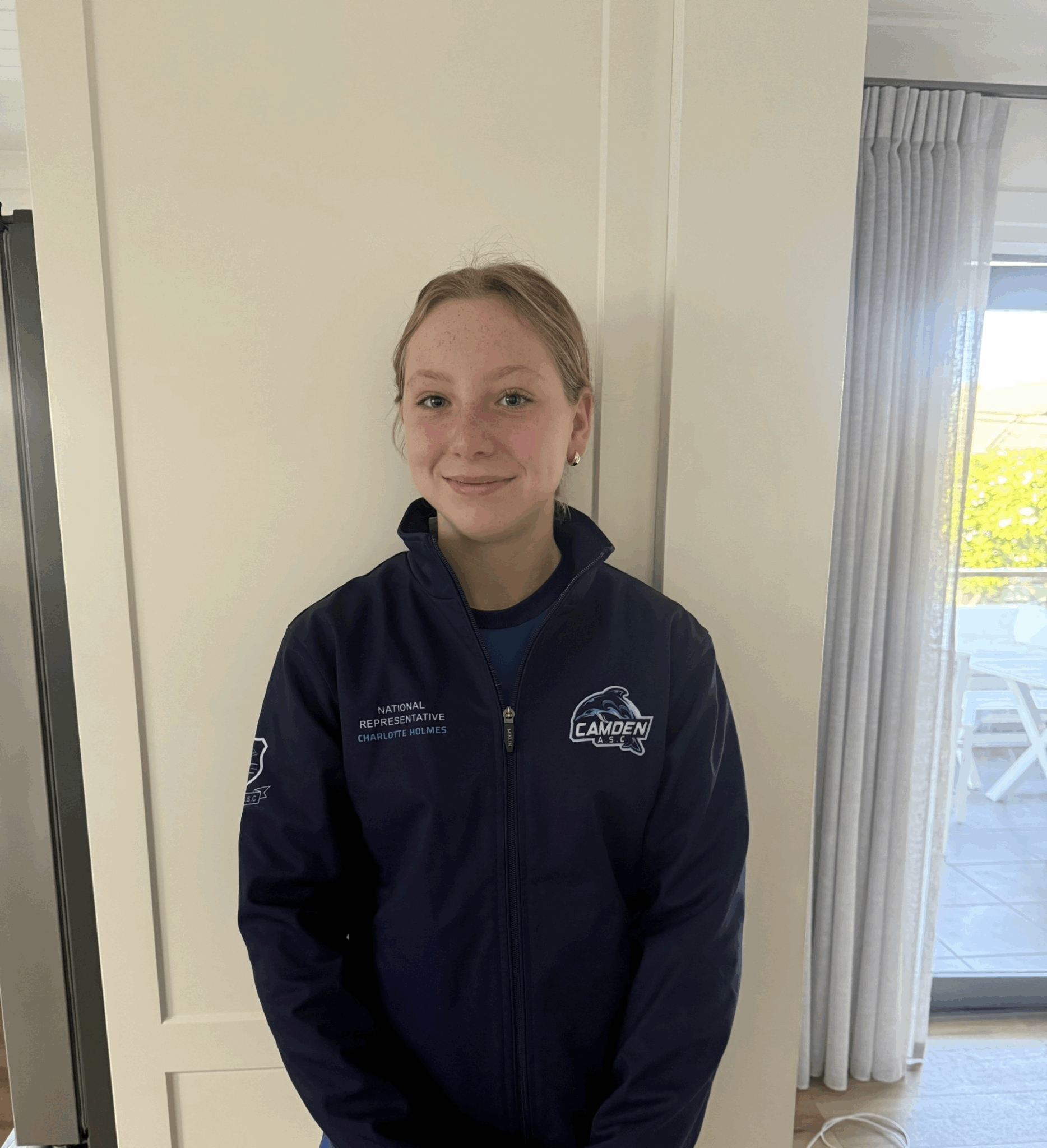
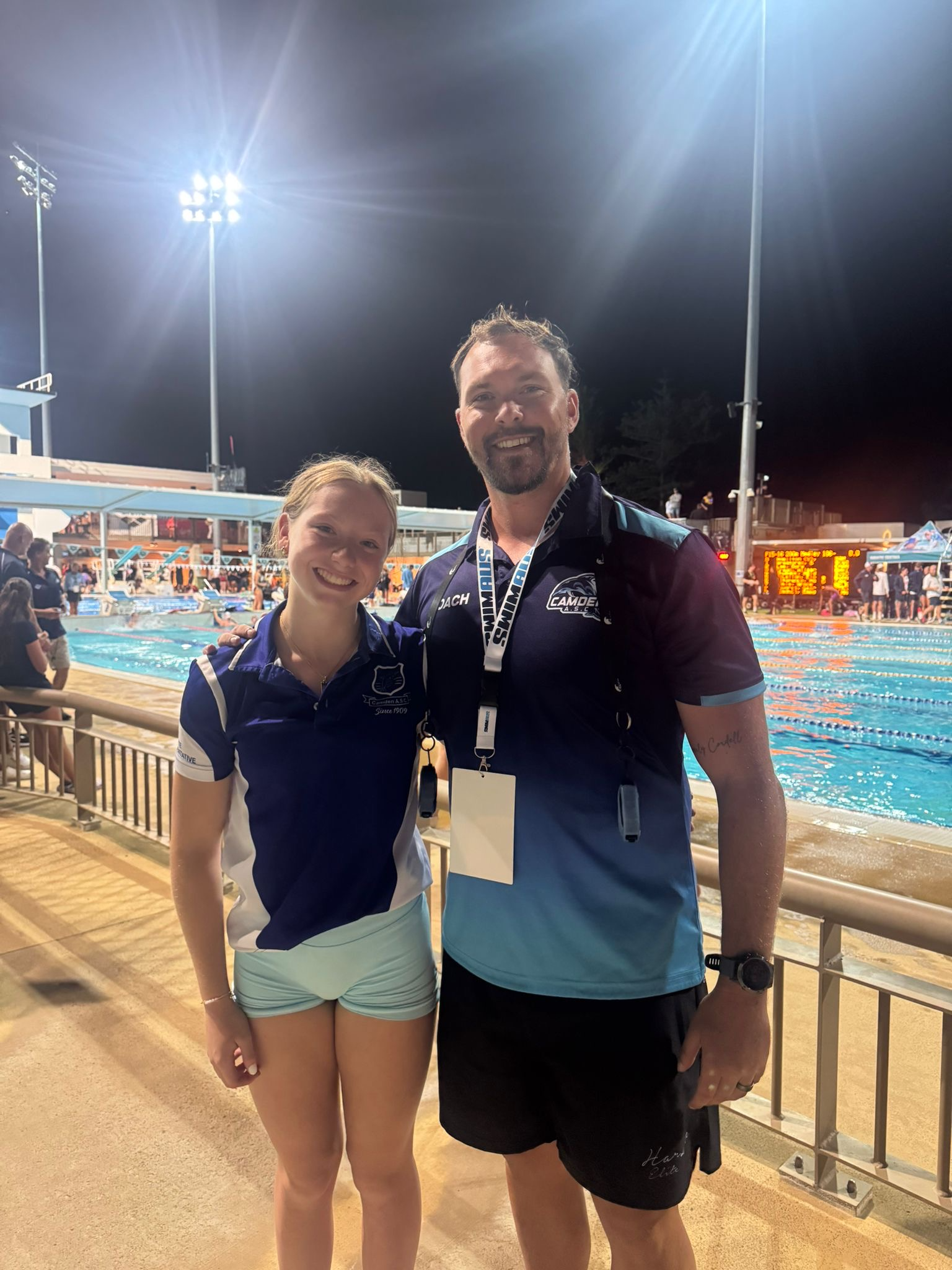
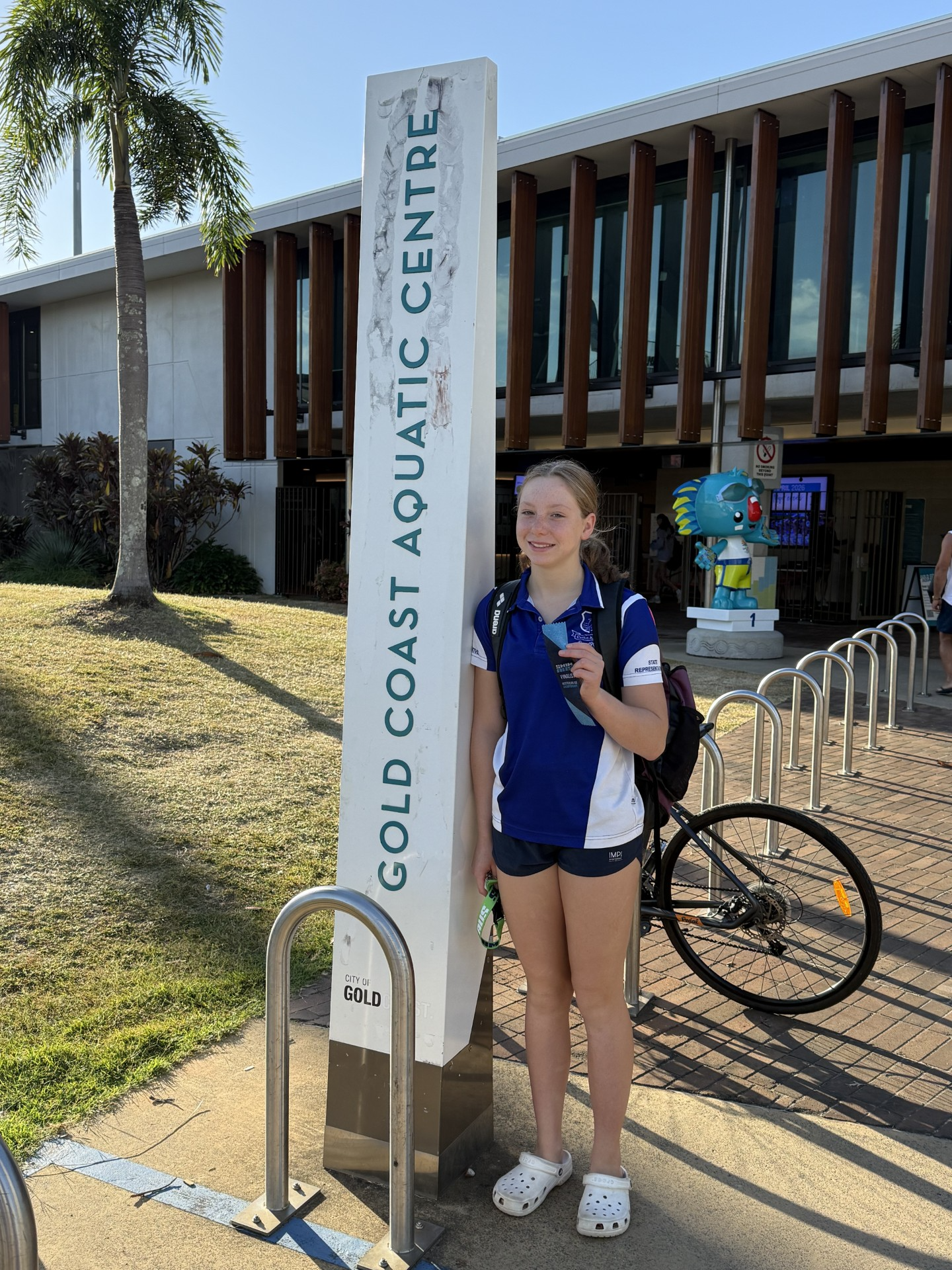
We are so proud of Charlotte H (Year 9), who has once again competed at the Australian Age Swimming Championships at the Gold Coast, achieving outstanding results. Highlights were 7th place in the final of the 14 years 50m breaststroke (33:65) and the 9th best time in the 100m breaststroke (1:15:61). It takes a huge amount of disciplined training to be able to swim at this level and it’s fantastic to see Charlotte’s hard work helping her achieve big goals. She is excited to have qualified for the Commonwealth Games trials in the 50m breaststroke in June and we wish her all the best!

“Its just bad period pain”…Or is it?- L. Anderson- Year 12

“Its just bad period pain”…Or is it?- L. Anderson- Year 12

Shining a light on a misunderstood condition

Endometriosis; the silent epidemic. A chronic illness effecting 1 in 7 females and those assigned female at birth in Australia and taking an average of 6-8 years to diagnose.

Endometriosis is when tissue that is similar to the lining of the uterus occurs outside this layer and in other parts of the body. It has been found on lungs, skin, the liver and in rare cases, brain tissue.

The most common misconception of Endometriosis is that it is just bad period pain. But that’s not all. Other symptoms of endo include:

  • Fatigue
  • Headaches or Migraines
  • Nausea
  • Dizziness
  • Leg cramps

These can interfere with daily life; going to school, playing sport, going to work and everything in between.

March was dedicated to raising awareness and supporting those affected by Endometriosis as part of Endometriosis Awareness Month. Endometriosis Australia’s theme for last March was ‘Every Endo Voice Matters’ – meaning that everyone affected by or connected to Endometriosis has an important voice in raising awareness and creating change. This theme encourages listening to people with lived experience, speaking up to raise awareness, and encouraging advocacy and action.

“Endometriosis is such a debilitating and painful disease”

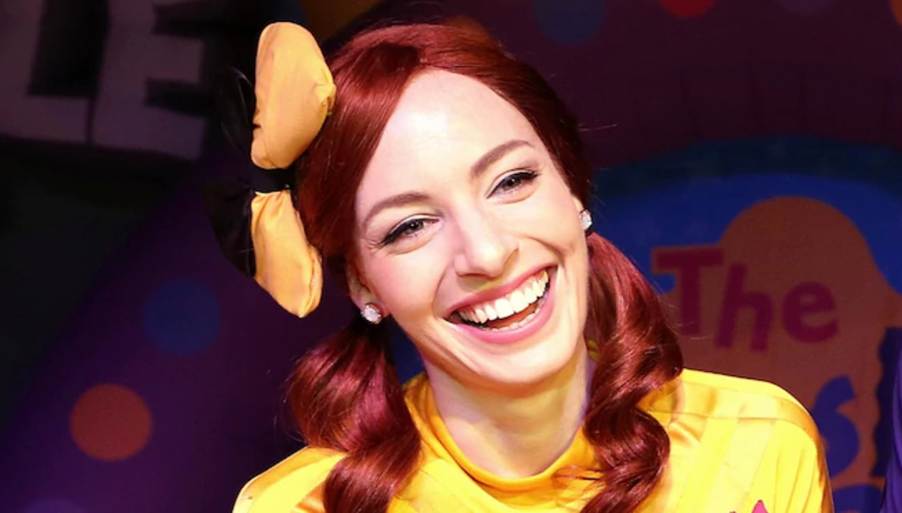
An inspiring advocate for Endometriosis is Emma Watkins, also known as the famous Yellow Wiggle. Emma began experiencing symptoms of Endometriosis in high school but was not diagnosed until she was 27, a story not unlike many other women. In July 2018, she underwent surgery for her stage IV Endometriosis and has since rejoined touring with the Wiggles.

Emma has said: “Endometriosis is such a debilitating and painful disease, and I urge anyone suffering with the symptoms of endometriosis to put your health first and get a diagnosis so that you are in the best position to manage this crippling disease.”

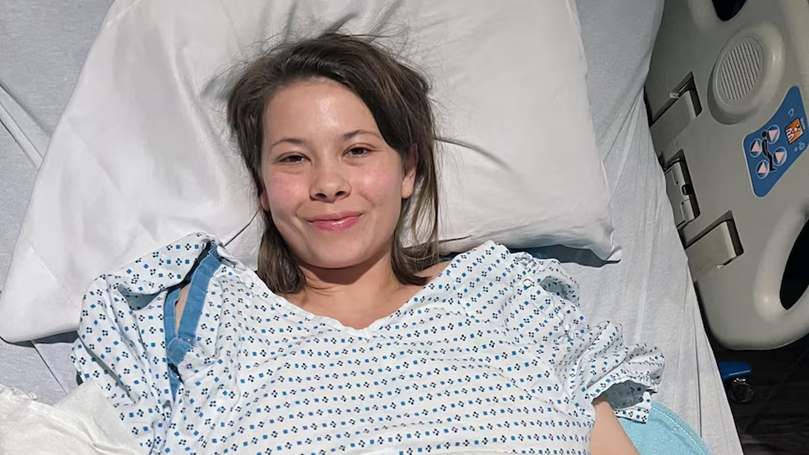
Like Emma, Bindi Erwin also has become an advocate for Endometriosis awareness in Australia. After living in pain for almost a decade, she underwent surgery in 2023 explaining that “For 10yrs I’ve struggled with insurmountable fatigue, pain & nausea. Trying to remain a positive person & hide the pain has been a very long road.”

“I felt utterly ashamed as a teenager and young adult being told that my pain was just part of being a woman.”

Bindi also details her experience as a woman with pain in the healthcare system in “A doctor told me it was simply something you deal with as a woman & I gave up entirely, trying to function through the pain.” She is now urging more women to not accept Endometriosis pain as normal as she once thought: “I felt utterly ashamed as a teenager and young adult being told that my pain was just part of being a woman.”

Monica Forlano, from Endometriosis Australia, has commented on these stories of women and has stated “It essentially just comes down to medical misogyny”.

A report by the Women and Equalities Committee (UK) conducted in 2024, found that conditions such as Endometriosis are treated with inadequate care due to “pervasive stigma and medical misogyny”. It found that symptoms are often “normalised” and it can take years for women to get a diagnosis and treatment.

So, what are we doing about this?

The Australian Government has introduced the National Action Plan for Endometriosis in 20218. It aims to improve public awareness of Endometriosis, patients’ understanding of the condition, treatment options and research programs into Endometriosis and chronic pelvic pain. The plan’s goals are improved quality of life for women living with Endometriosis, reduced burden of disease for individuals and for the nation. Additionally, from 2022-23 to 2027-28, the Government has invested a total of $37 million for 33 Endometriosis and Pelvic Pain Clinics, including one right here in the Southern Highalnds. These clinics hope to promote early access to intervention, care and treatment options for Endometriosis and enhance support available.

But what can we do as individuals to raise awareness?

Donate to Endometriosis Australia: This NGO advocates for people affected by endometriosis and are dedicated to improving lives through support programs and patient education.

Wear yellow: Yellow symbolizes Endometriosis and invisible illness awareness, providing support to those affected.
Educate yourself: Learn about Endometriosis, how it affects people and how to help support those living with the disease.
For Endometriosis awareness, some boys from year 12 volunteered to try a period pain simulator. The simulator sends electrical pulses to the abdominal muscles to imitate cramping. The goal of this was to raise awareness, reduce stigma, and encourage understanding. This video shows some of the questions we asked people about women’s health and their interesting answers along with their reactions to the simulator.

So, please support those people affected by Endometriosis and raise awareness about this disease that is too often left unspoken about.

Fractured- by H. Meyerson- Year 8

Fractured- by H. Meyerson- Year 8

The room that had been given to her felt like someone else had been living in it. Not a person, exactly. something unfinished.
Bella shifted uncomfortably in the doorway, her pinkie with a mind of its own smoothing the worn-down seam of her jeans. She did not want to enter, yet methodically followed her feet in. The room held a weight that didn’t belong. The room held its breath; the silence swallowed her whole. She adjusted her glasses up the bridge of her nose, a ritualistic gesture that usually felt familiar. Not today. Today they did not stay. 
The room was polished and orderly, like a well packaged lie. Rectangular photo frames of varying sizes adorned the wall, almost huddled in anticipation. The bookshelf, lined with near perfectly aligned stories, held a weight that didn’t belong. A fiddle-leaf fig propped itself in the corner. Its large, dark leaves curled inward as though protecting something of value. Silently mocking her incessant fiddling. 

Bella’s eyes settled on one frame, it sat slightly lower than the others, just enough to throw the symmetry to disarray. She pushed it up with the same familiarity as her glasses. Again, desperate to make it right. It didn’t. She learnt long ago that if she fixed the small things, then the bigger things wouldn’t stir. 

The blurred image sharpened under Bella’s half squint, revealing a girl standing by a river. Bella hated rivers, the way they so deceptively eroded landscapes. A quiet deterioration she recognised. The glass reflection wore a forced smile, a mirror to her strained gaze, a tic-like head nod steadied her. A familiar and grounding notion.

“You noticed.” Instead of voice in a matter-of-fact tone. Bella didn’t turn, her pinkie rhythmically smoothing her seem as though seeking the comfort of a pacifier. Her body stiffened comma trying not to betray her. “You’re still doing it” Bella caught her heavy breath, “You think if you keep fixing things…”, she inched closer to Bella, “…nothing will change.” The shadow encroached Bella, darkening the photo, Bella felt an odd familiarity standing in her shadow. Only then did she turn. 

There stood a girl, up against the freshly lacquered bookshelf. Her stare lingered with unnerving recognition, a neck twitch grounded Bella “Who are you?”  Bella asked with a crack in her voice. No reply. Just dead air. The girl followed her finger over each story, until she pulled a copy of Tolstoy’s Anna Karenina. The spine was cracked, and the corners dog eared, a strong resemblance to Bella’s own, much-loved copy, revealing a lifetime of courtship and connection. The girl instinctively opened to a heavily tabbed page, multicoloured dividers gathered in anxious flocks. Purple. Pink. Orange. Bella’s ribs collapsed into her chest. 

Bella Stared, adjusted her glasses “This one calms you”, the girls finger pointed to an ink drenched sentence, that had been circled over-and-over.  Bella’s throat tightened, goosebumps rolled over her arms. This is the page Bella would drown the noise in her head with. Love. Devotion. The belief that even the most damaged things could stay together. “You wore the pages corners down” the girl stated gently. Bella’s jaw tightened, grinding each of her teeth against each other.

Then she noticed it. The girl’s pinkie smoothed the seam of her sapphire, faded jeans. A fractured piece of music Bella half recognised from within. Her head jolted back to the photo. The girl was gone. Only her weathered silhouette remained.

Bella’s hand had not stopped moving. Slowly, she pulled her hand from the seam of her jeans

The Dangers of Conformity- A. Lynch, Year 10

The Dangers of Conformity- A. Lynch, Year 10

I will be her killer,

The Queen of all the land.

I’ll do the dirty work for her

As soon as she commands.

I will be her scout,

Who travels far and wide,

To search and stop the rebels

Wherever they may hide.

I will be her subject,

For then from her I’m safe.

Who will be her maid?

Whoever wins the race.

But when the sun is set,

And we look up at the stars,

If each sky was the same

We’d forever be apart.

There’d be no North Star to guide us,

No Southern Cross to love,

No Orion with his belt,

That we look to up above.

The sun rises soon enough,

Then my ears hear shouts and screams.

Banners, chants, signs and posters

Fill our dreary streets.

Soon she catches on,

And then they all are crushed.

But one thing I have learned,

They always seem to get back up.

So I go back to her palace,

Where I am safe from harm.

The anger in my restless mind

Settles into calm.

I look around her royal staff,

Their faces blank and clear.

They haven’t seen the outside world,

They stay here out of fear.

Someone must take her down.

That someone will be me.

I know it seems quite daunting,

But it’s easy now, you see.

She sits atop the Parthenon,

Held up by many pillars.

Without supporters she will crumble,

Then I will be her killer.

The Beaumont Mother- M. Lambie- Year 11

The Beaumont Mother- M. Lambie- Year 11

“Out with you all! I just need some quiet!”

Nancy feebly leaned down, gathering the two halves of the broken plate, fingers trembling with a subdued exhaustion.

Moments earlier, her three children had been assembling chaos around her small kitchen; now, they froze. The heat always made them infuriatingly restless. They had screamed and teased and chittered, refusing Nancy’s pleas of desperation to sit down and play nicely.

She’d never yelled at them, though. Not until today.

Jane, the eldest, hung her neck low. She’d been balancing plates to amuse Arnna and Grant when her mother’s favourite willow-patterned china inevitably slipped, tumbling towards the sweating linoleum floor and breaking with a terrible crack.

Now, she looked at her mother, and her heart sank. Her mother had lost weight recently; her eyes were permanently dulled by an aching sense of fatigue, and she appeared to move in slow-motion, gazing trance-like past the children whenever they spoke to her.

Today, Jane sensed an extra layer of depletion. So, she firmly grabbed both siblings by the arm, grasped at a stack of crisp, perfectly folded beach towels, and hurried to the front door.

“We’ll go to the beach. We’ll be back by one.”

Nancy seemed not to hear, staring listlessly at the fractured mosaic laying before her.

Jane’s guilt deepened and expanded.
“I’m sorry about the plate, Mum.”

The front door groaned and whined, shutting with a gentle click.

***

Nancy stood, still and compressed in the dry rasp of the Australian summer heat, watching the last charcoal-black wheels of the children’s bus disappear behind a squat yellow-bricked house on the corner. The searing road rippled and hissed, disturbed by the tread of tyre. Nancy felt a strange sensation, as if she, too, were the road, bending and fracturing under a pressing weight –

She carefully set both jagged halves of the plate on the countertop, and clasped together the calloused heels of each of her palms. A tight, decisive squeeze wrung out any trace of the inexplicable feeling. Nancy brushed a short, sweat-streaked curl across her forehead, contemplating her prior reprimands of Jane. Had she been too harsh? It was just a plate, after all.

It wasn’t the plate.

It was the choking heat, the noise, the endlessness of the days. It was the way the tight walls seemed to close in on her, how the dense, prickling hot air refused to move.

Habitually, she circled the dining table, assembling teetering stacks of cloudy, clinking drinking glasses and smeared dirty plates, before turning on the sink. Today, it spluttered and wheezed, sending out mouthfuls of sun-scorched pipe water and clouds of steam. Nancy struggled to scrub the crumbs off Arnna’s plate, clotted together with tacky drops of jam, because the water was just a little too hot, So, when her hands emerged from the wash water tinged fuchsia and throbbing, she set aside the remaining dishes for later.

Outside, the Hills Hoist stood, immortalised in the stagnant warmth, but whenever Nancy hung a new shirt, it seemed to bow and sag a little under the weight, as if melting in response to the torturous summer weather. The ghostlike silhouettes of the children’s clothes cast onto the decayed grass with an unnerving stillness.

She checked her wristwatch. One-thirty.

The quiet no longer provided such comfort and peace as Nancy hoped it would – instead, a nauseating unease sat at the bottom of her throat, fizzing softly.

The enthusiastic chittering of children’s voices drew her to the window. Buses filled with bronzed strangers dumped their contents on to the side of the road. Nancy searched, agonizingly, for the familiar stripe of Jane’s bathers, for Arnna’s frayed straw hat, or Grant’s emerald-green beach towel. Yet, she was merely met with the regretful sight of dismissive parents and crimson-faced strangers, weary in the heat.

Two-thirty. The doorway remained distressingly vacant.

She continued her routine, folding washing that didn’t need folding, rearranging the fruit bowl she’d only curated half an hour prior; convincing herself of certain uncertainties. Maybe they’d just gone for a longer swim. Perhaps there’d been a queue at the ice-cream parlour.

She reimagined Jane’s lively actions, her wide, eye-to-eye grin stretching across her inspired face as she took on the role of entertainer in her mother’s emotional absence. The breakage was made amidst a moment of enthusiasm – it was a simple mistake. A childish, carefree mistake.

Nancy wished she hadn’t yelled.

Three o’clock. The house felt enormous in the heaviness of the quiet. Nancy practiced her monotonous rotation. She dusted spotless side table and pedantically smoothed non-existent creases from each child’s bed, but an entrenched line of concern on her forehead continued to grow.

Her wristwatch limped through five o’clock.

The last bus of the day emerged, lumbering across a rippling mirage of suffocating heat, with viscous jet-black tar clutching to the hind wheels. It rolled to a lazy stop, and only a bitter-faced businessman, and an elderly lady desperately clutching to her groceries, stepped onto the pavement.

Nancy’s stomach contracted, churning with a perplexing cocktail of feelings as she stood, immobilised, at the doorway. Outside, cicadas crooned in the sweltering late-afternoon humidity, a mournful elegy to her worst fears. For so long, Nancy had longed for the smallest scrap of reprieve from the relentlessness, the day-in day-out of it all. But now, she felt the sickening cruelty of cosmic retribution coming to claim its due.

The fractured shards of the plate glared accusingly at Nancy from across the kitchen.

She meandered over lifelessly, and collected both pieces in her melting hands, raising them to the dim flickering kitchen light to align their scars.

Then she realised. The plate had not broken cleanly in half. There was a miniscule sliver of ceramic missing, right in the centre. The gap was tiny – insignificant, even, if you didn’t look closely – yet, the plate would never be whole again.

Glenelg beach remained bright and sunny; exposed and vast and never-ending.

Somewhere amongst the thousands of shifting footprints, three small pairs had disappeared.

Tides rolled on lazily.

Summers respired and passed.

And Nancy stood, clutching a broken plate, realising some cracks could never be mended.

The River- by M. Mollison- Year 8

The River- by M. Mollison- Year 8

The river was never somewhere I meant to go. It was just where I ended up when everything felt too loud, as if the world had turned its volume up too high and I couldn’t find a way to turn it down. The air was thick and warm as I pushed through the trees, branches brushing my arms like fingers trying to pull me back. With every step, the world grew quieter, until even the birds sounded hushed, like they were whispering words they didn’t want me to hear.

When I reached the river, I stopped. It was still. Too still. The water didn’t rush or tumble as rivers should. It just sat there. Smooth and perfect, reflecting the sky as if it were another world beneath the surface. I crouched near the edge, picking at the grass without thinking, as if they needed something to hold onto. That’s when I noticed him. A boy was sitting on the other side of the bank. I froze. He didn’t look surprised to see me. It was almost as if he had been expecting me, like I was part of something already in motion.

“You came back,” he said. My breath caught slightly in my throat. I hesitate, not knowing whether to tell the truth or not.

“I… don’t think I’ve been here before,” I replied.

He tilted his head, slow and thoughtful, and smiled. “Yes, you have,” he said simply. The way he said it sent a strange chill through me, like the air had shifted slightly. “I’m Rowan,” he added after a moment.

“Frankie,” I said quietly. He smiled faintly, like he already knew. The wind moved gently through the trees above us, making the branches sway, as if they were all talking to each other. The river rippled once, softly, like it was waking up. Rowan tapped his pencil against a notebook resting on his knees. “You draw?” I asked, before I could stop myself. He nodded. “What do you draw?”

“Things that haven’t happened yet,” he said. I let out a small breath of disbelief.

“That’s impossible.” He didn’t argue. He just looked at me, calm and certain. He then turned the notebook around. Inside were sketches – the river, the trees, and me. Sitting exactly where I was now, like I had already been captured by a moment I hadn’t fully lived yet. My stomach tightened. “That’s not real,” I said quickly. Rowan’s voice stayed steady. “Not yet.” Silence stretched between us like a thin thread, delicate, but unbroken. I turned back to the river, expecting just my reflection. But the water didn’t look normal anymore.

For a moment, it didn’t just show me… itshowed through me. Flickers of things appeared like ripples in time – Me standing alone in crowds like a shadow no one noticed, me starting to speak, but stopping halfway, me walking away before anyone had a chance to look at me twice. I pulled back slightly, my heartbeat louder now, like it was echoing in my ears.

“What is this?” Rowan looked at the water. “It shows what you don’t say out loud.”

I swallowed.

“I don’t know how to… be around people properly,” I admitted, the words slipping out like they had been waiting too long inside me.

“It feels like I’m always doing it wrong.” The river rippled gently, as if it understood. Rowan nodded once, as if he had always known. Something in my chest loosened. Not completely, but enough for me to notice it was there. For once, I didn’t look away.

The wind picked up, brushing through the trees like a slow breath. The light softened across the water, turning it silver and still. I turned back to Rowan, ready to ask him something. Anything that would make sense of all this, but the space beside the riverbank was empty. No footsteps. No sound. Just absence, like he had been erased entirely.

Only his notebook remained. I slowly picked it up, my hands slightly trembling. Inside, on the last page, was a drawing of me at the river. I was sitting alone, looking up at something like I’d finally stopped shrinking myself away from the world, like something inside me had quietly opened after being shut for too long. I closed the notebook gently. The pages felt light in my hands, like they were holding less weight than before, as if the river had somehow taken some of it away.

The water in front of me stayed still, smooth as glass, reflecting the sky like a mirror that didn’t lie. For the first time, I didn’t feel invisible. It was like I had been standing behind fog my whole life, and now it was slowly lifting, just enough for me to see the world, and for it to see me back.

Poem- G. Savianna- Year 8

Poem- G. Savianna- Year 8

My windows  

look like pools of darkness,  

In the winter – glossy night.  

Trapping and protecting me  

from the danger.  

Only a view of:  

Whispers———————————the secrets;  

Possums———————————owls.  

Often visited by their friends,  

In droplets splatting and platting.  

Cascading on a sheet of glass,  

Hardnesssoftnessroughness.  

Reflected as an almost mirror  

On the outskirts of my bedroom.  

Watching me as I scribble these words on my page  

And as I turn off my lamp.  

They shall blink into unnameable silence  

One  sec on d .. . two .  

Transform into doors to the outside  

Barrier between us.  


How strong they are, weak and dangerous when shattered.  

I seem almost similar to them:  

My windows.  

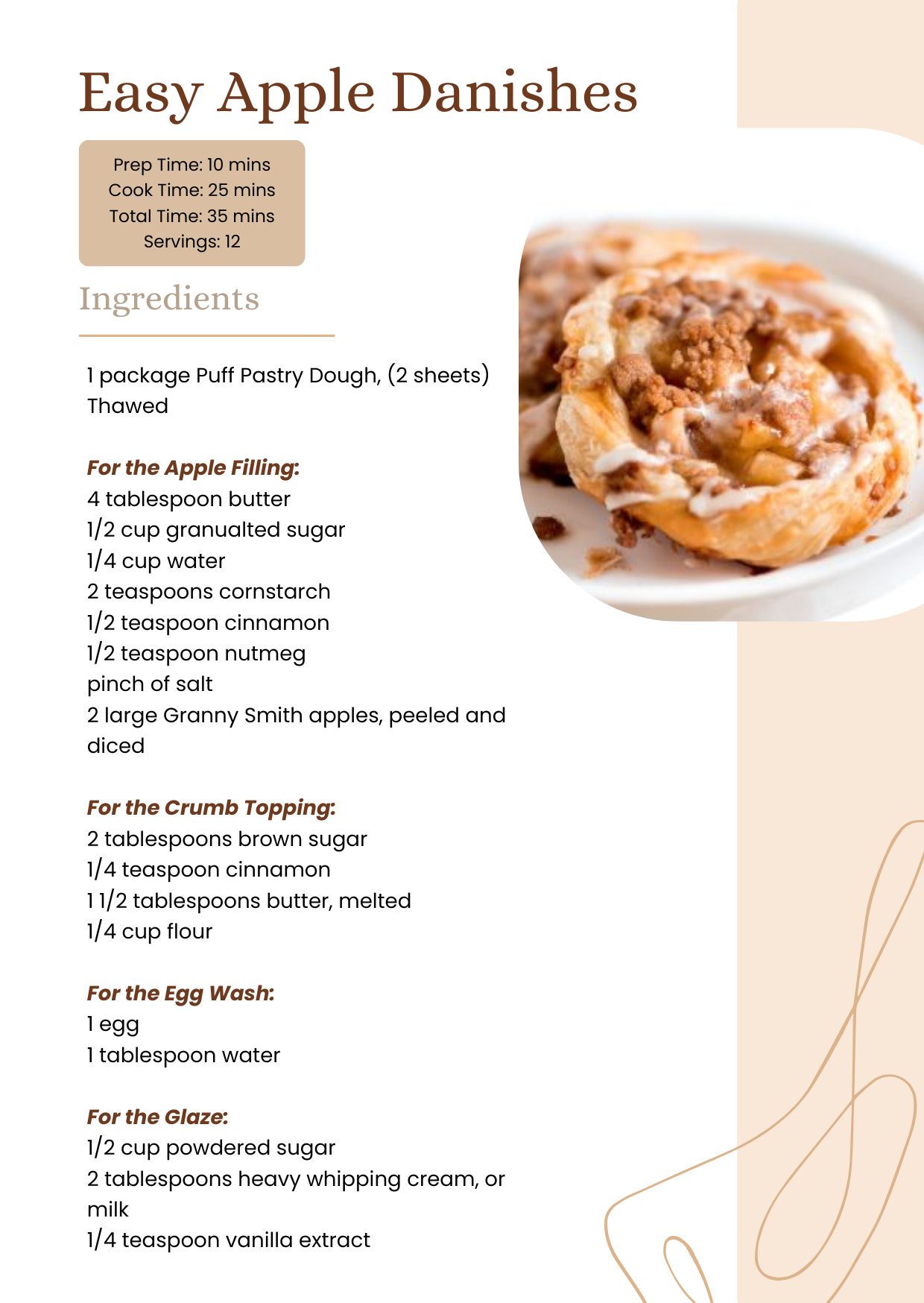
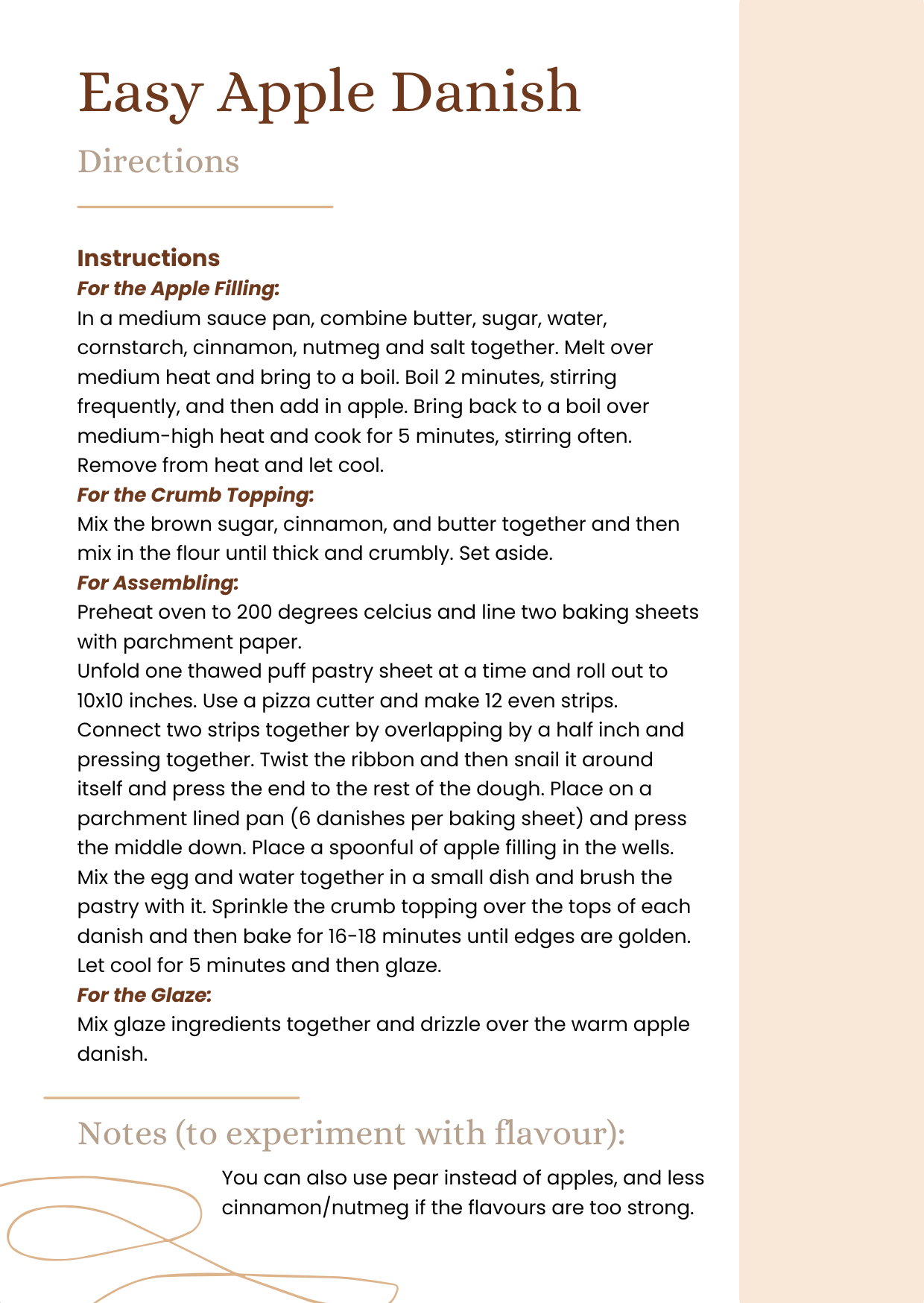
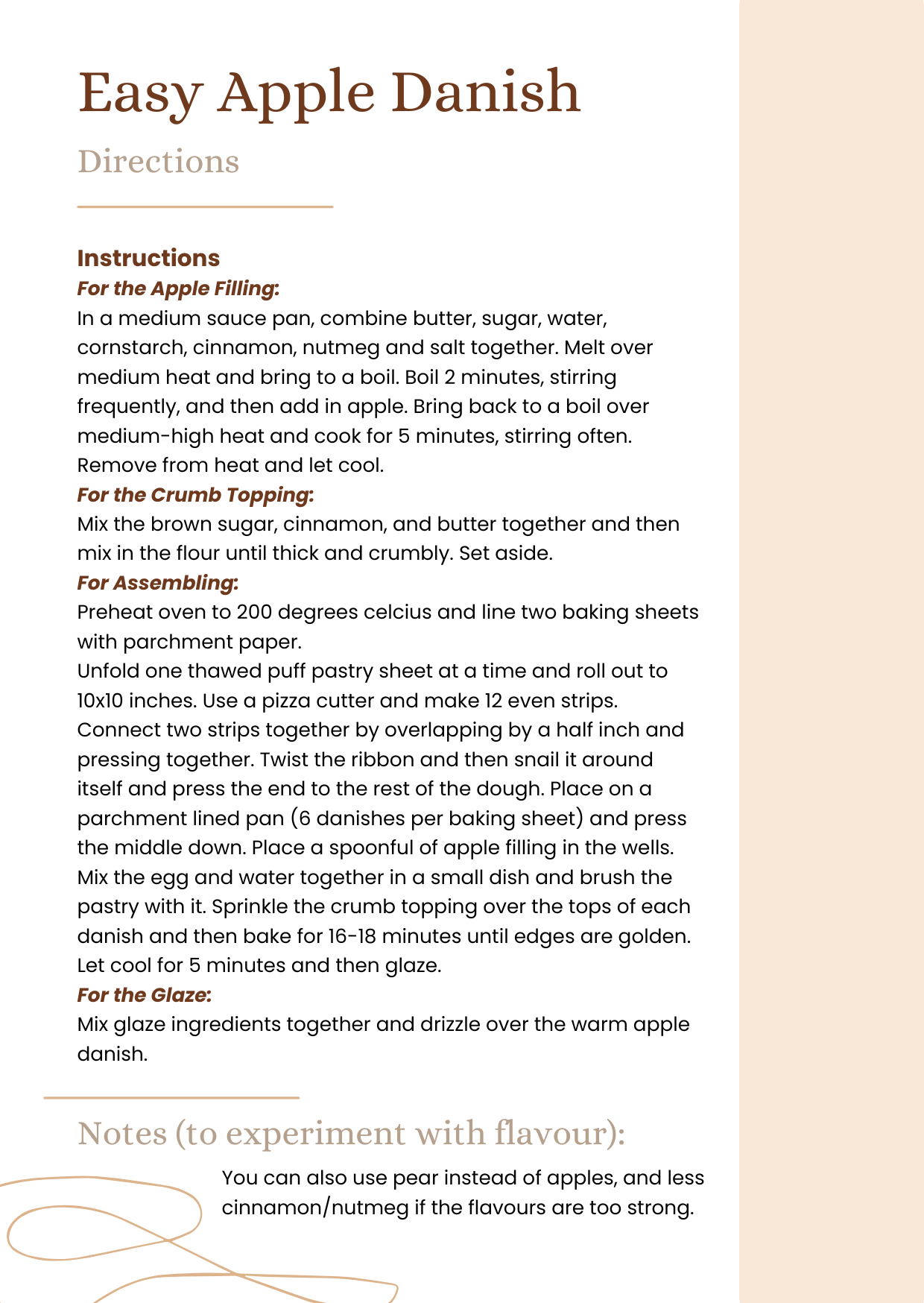
Easy Apple Danishes- A. Smith, Year 10.

Easy Apple Danishes- A. Smith, Year 10.

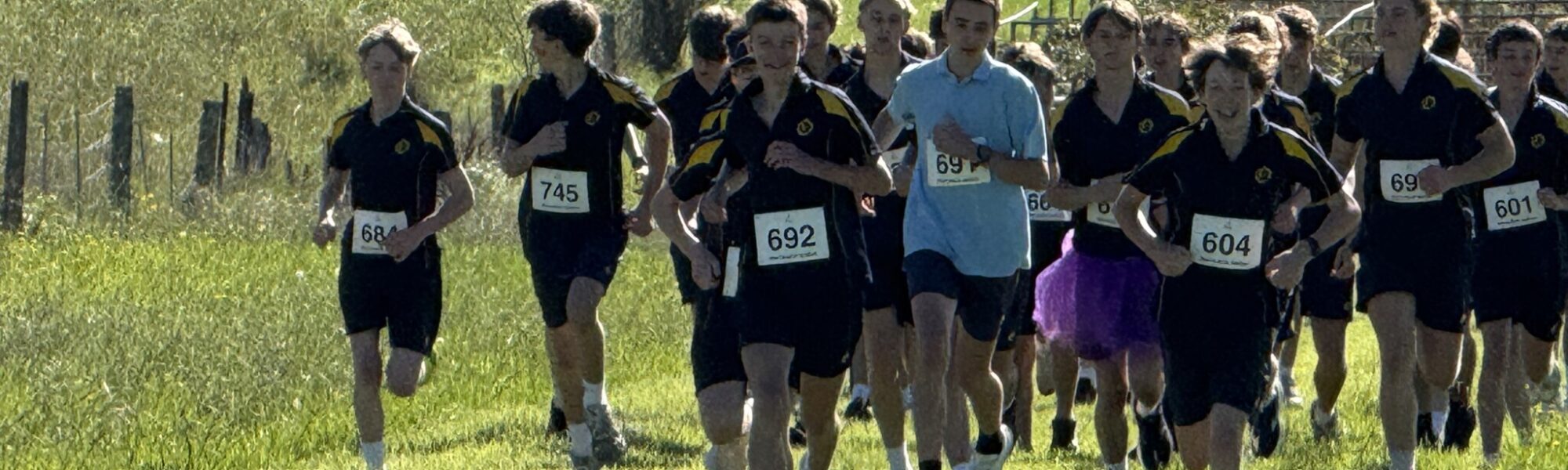
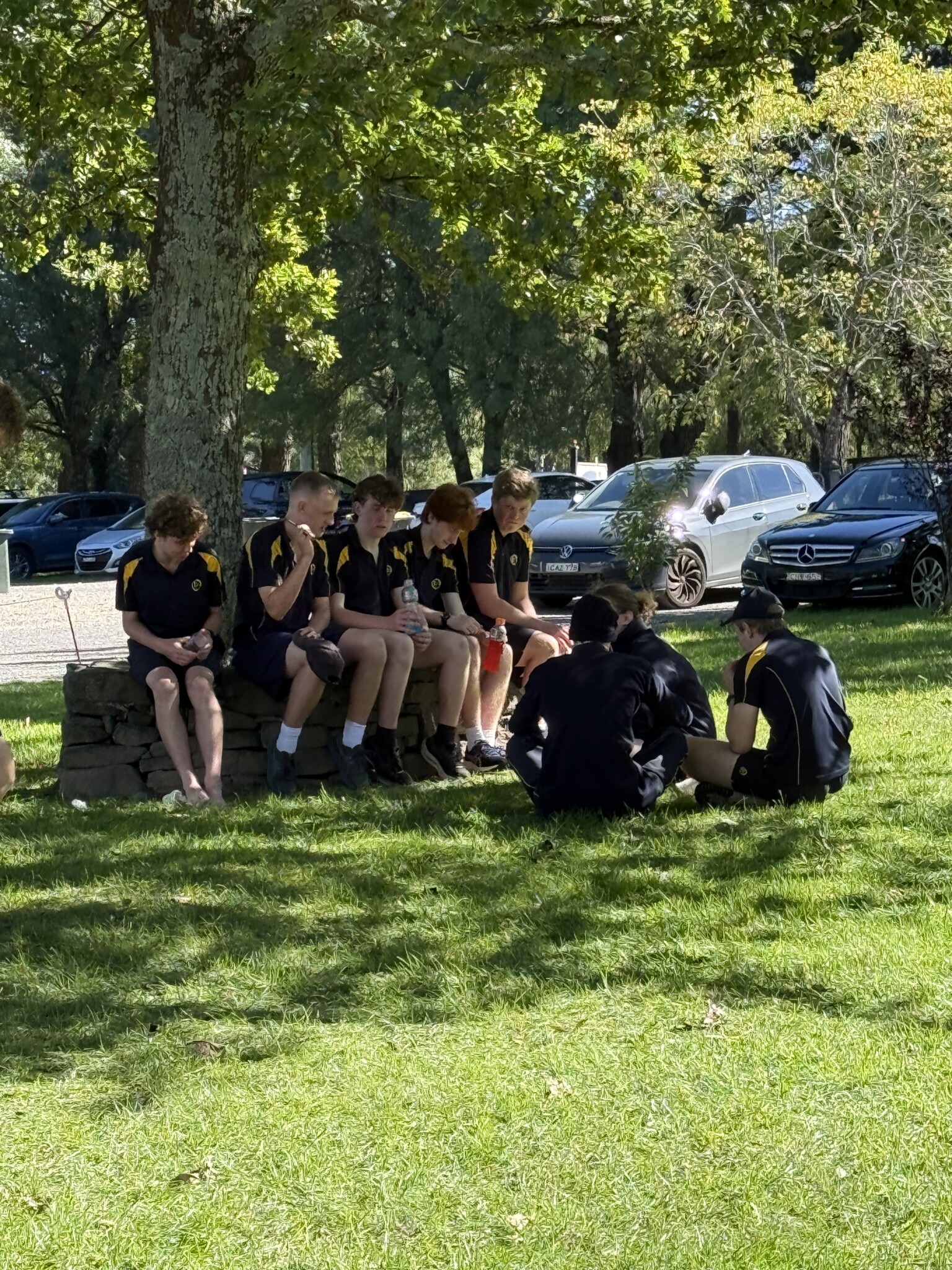
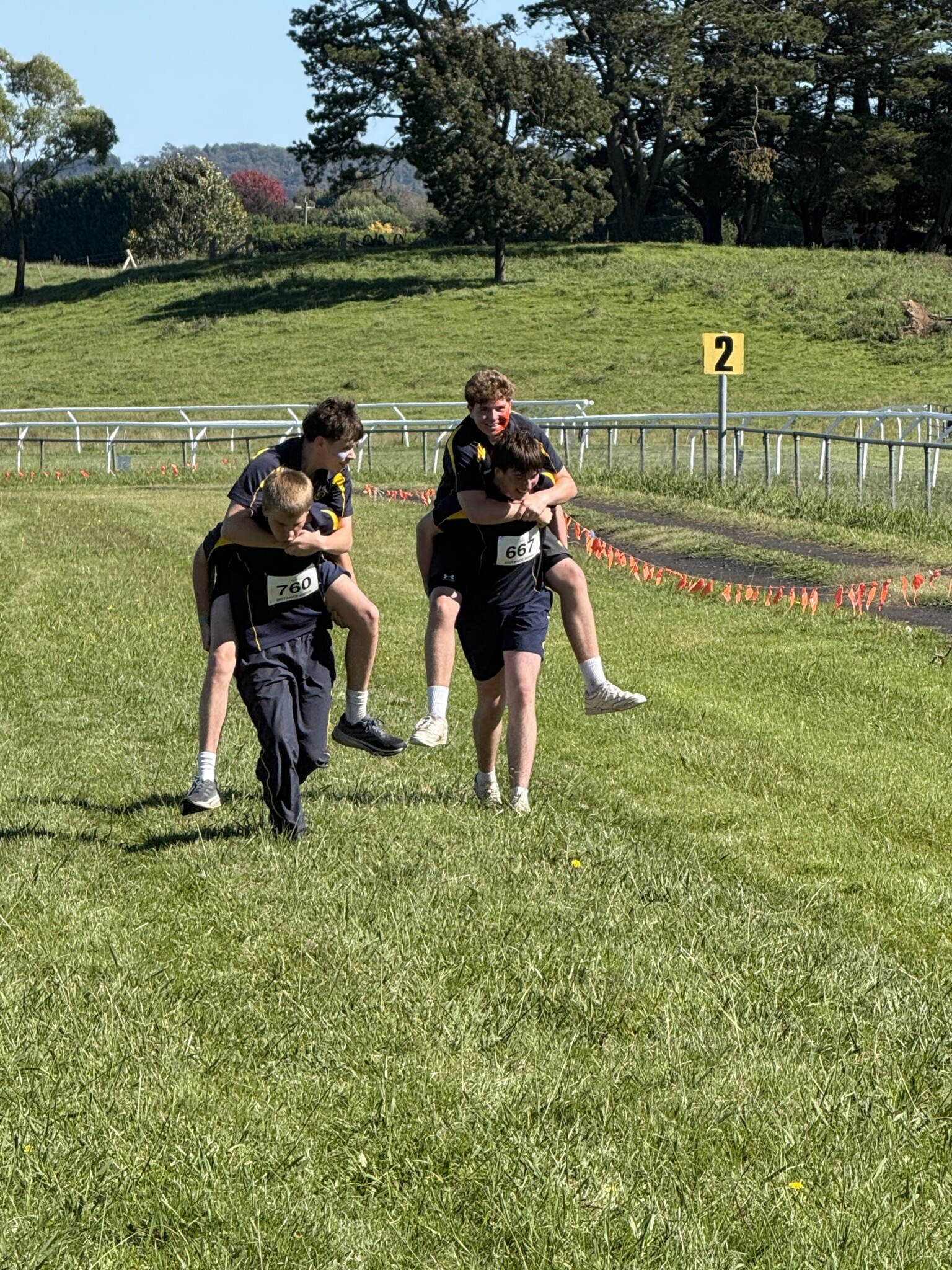
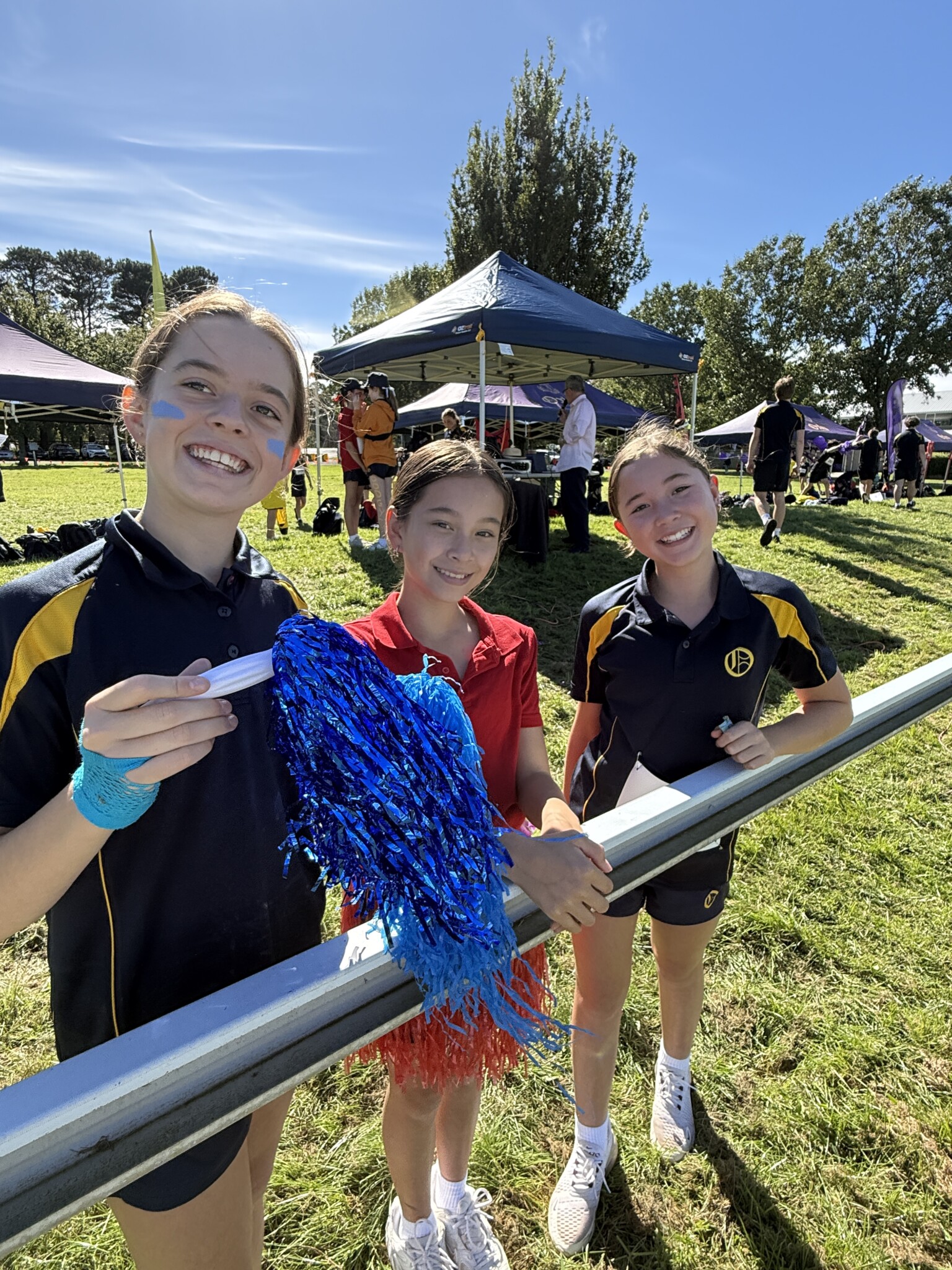
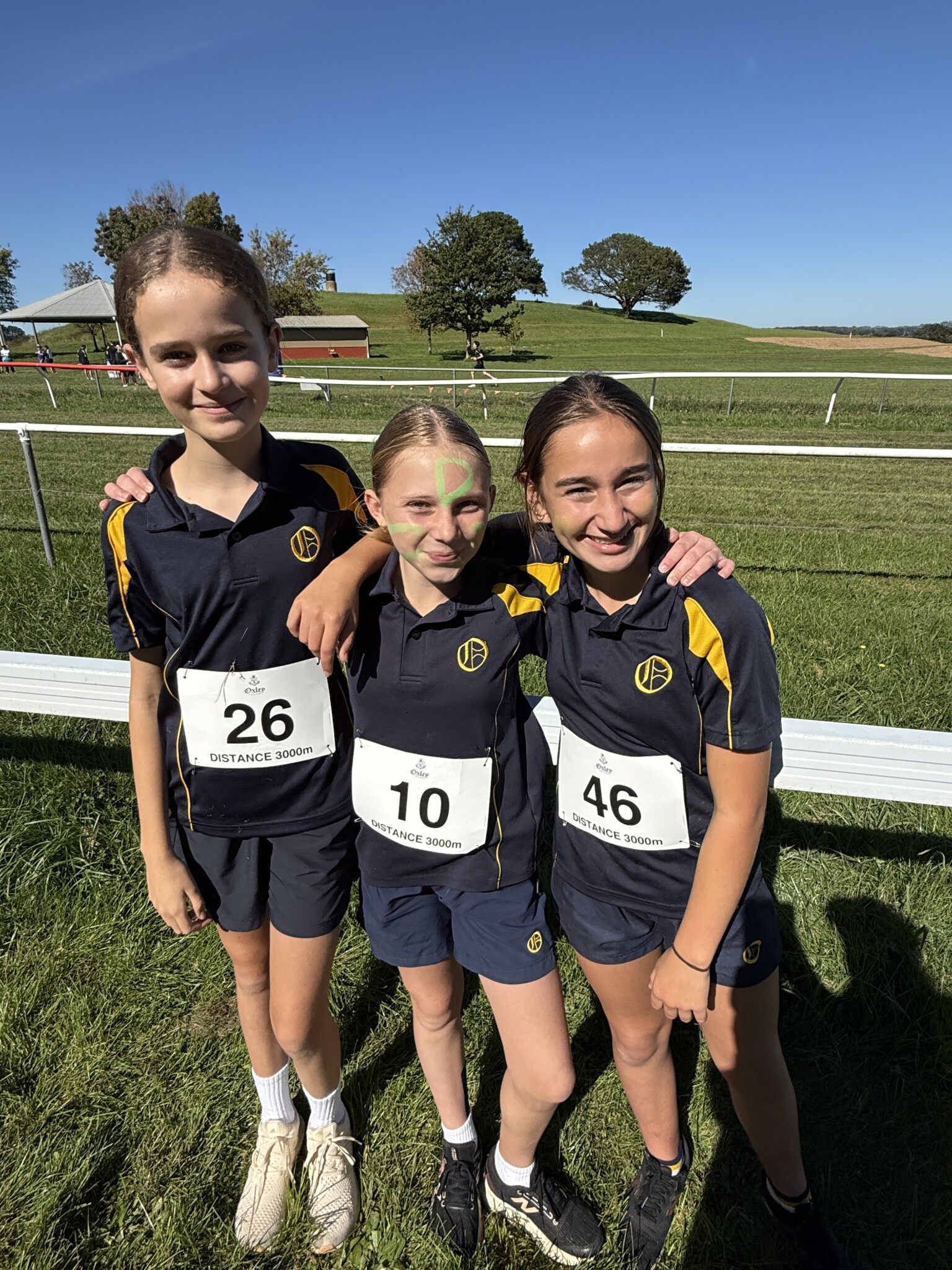
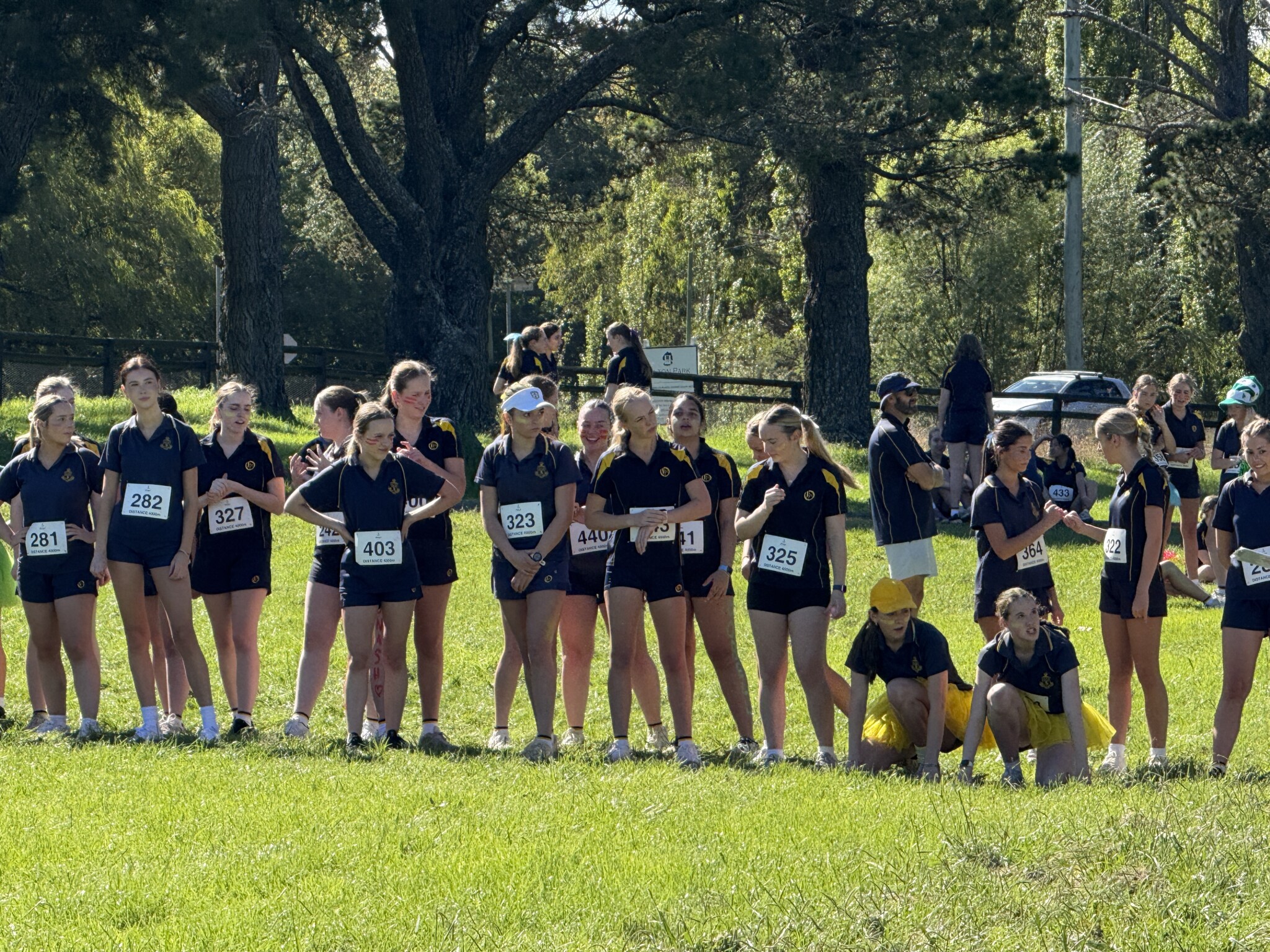
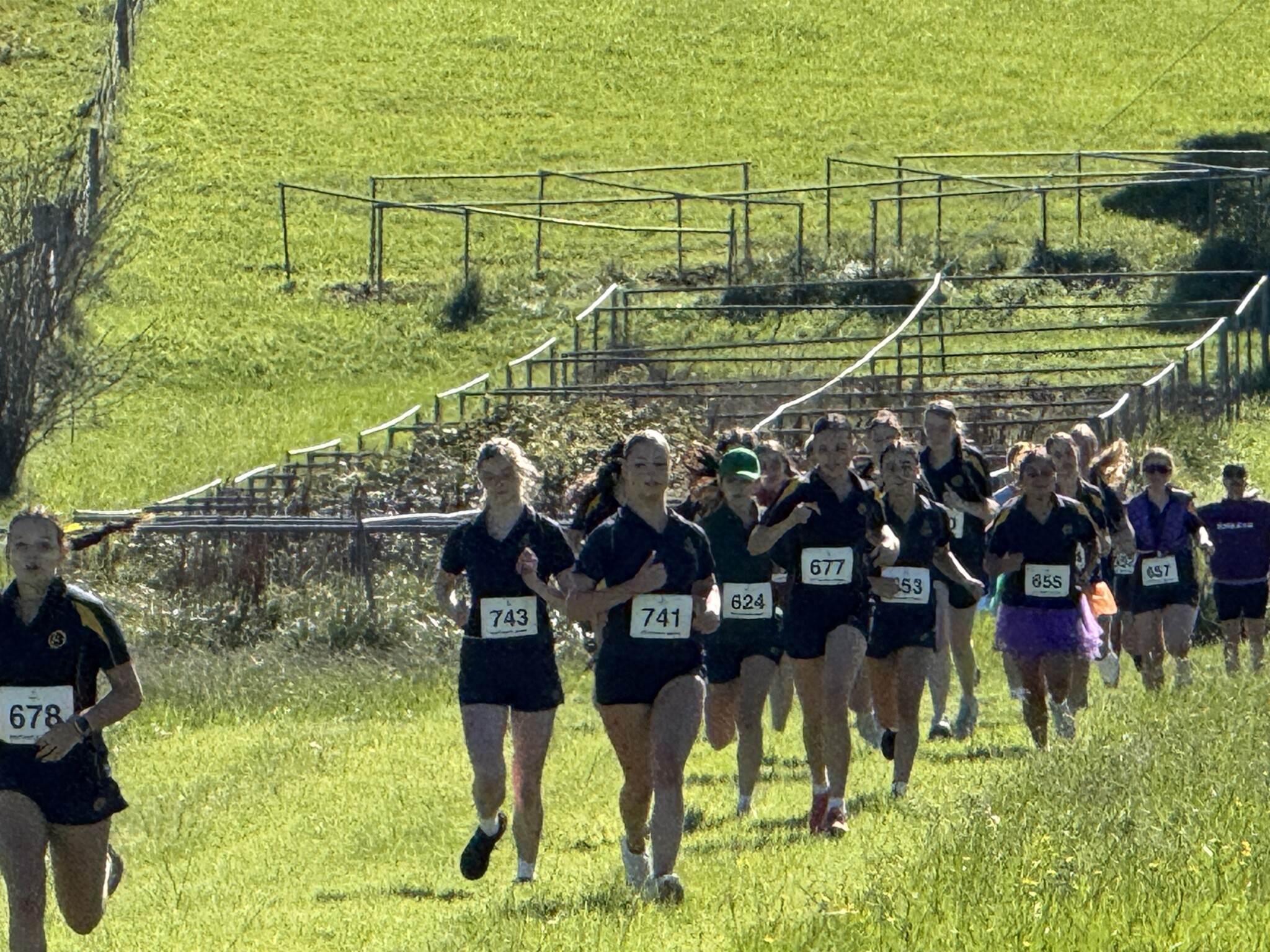
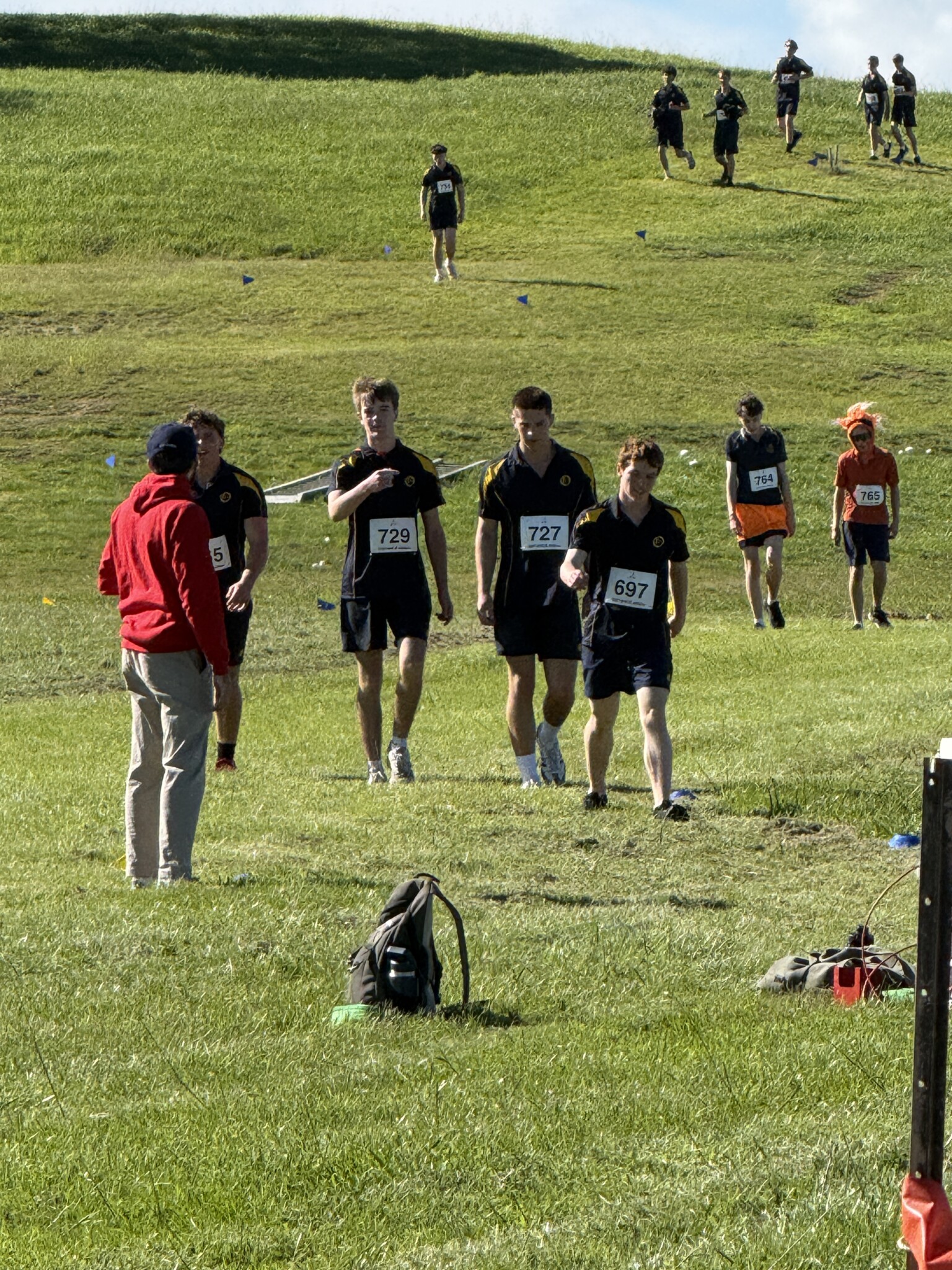
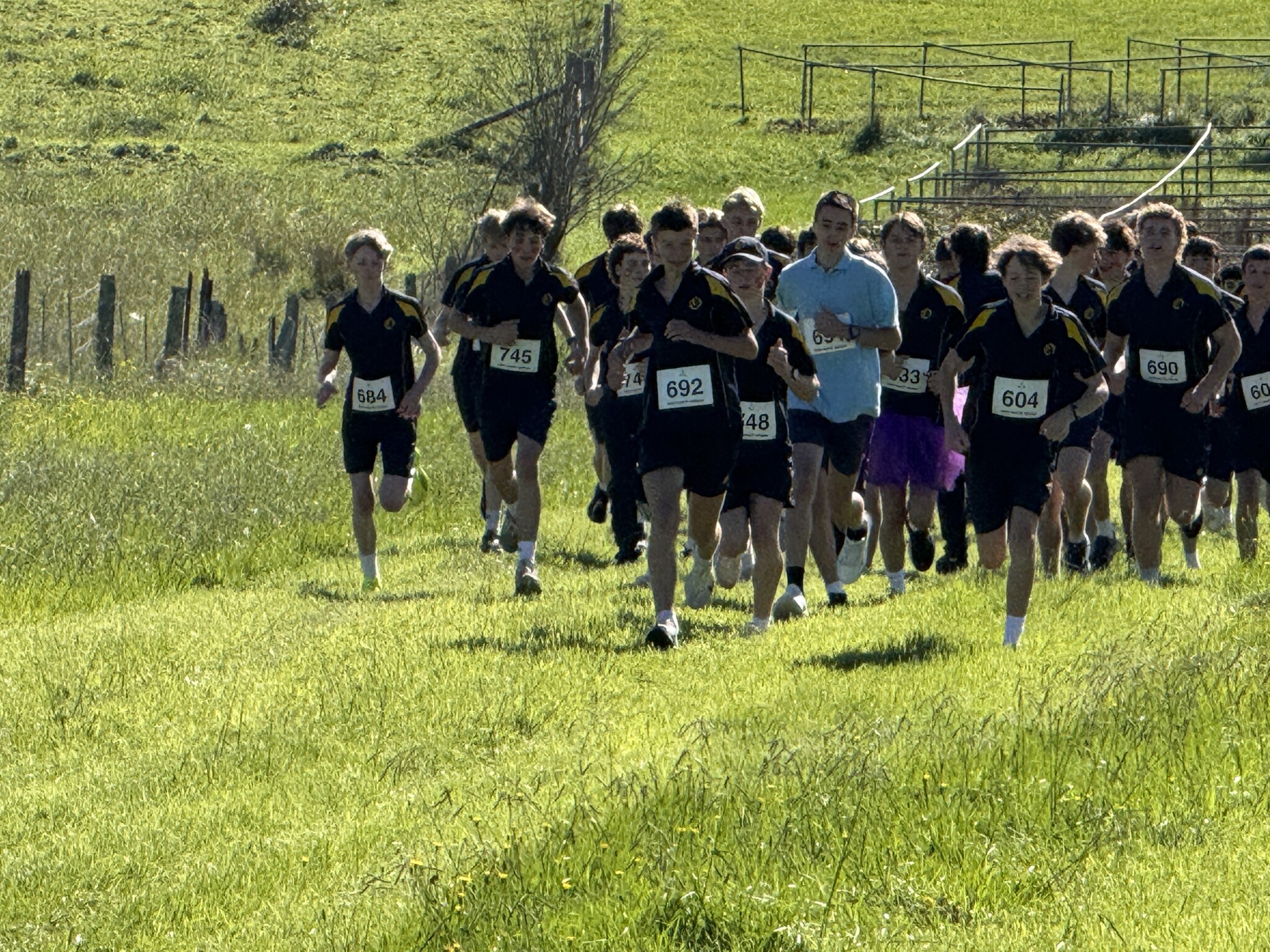
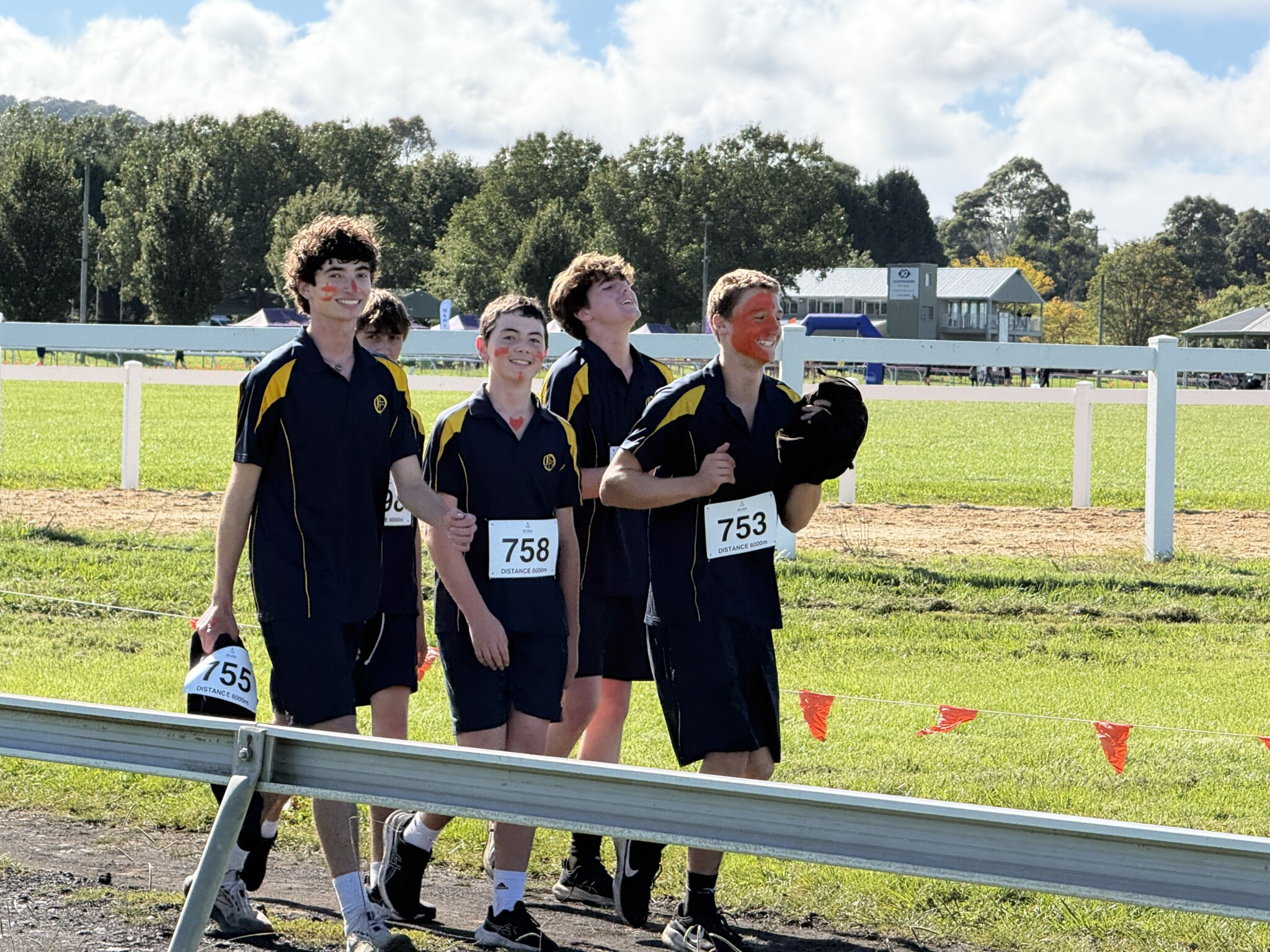
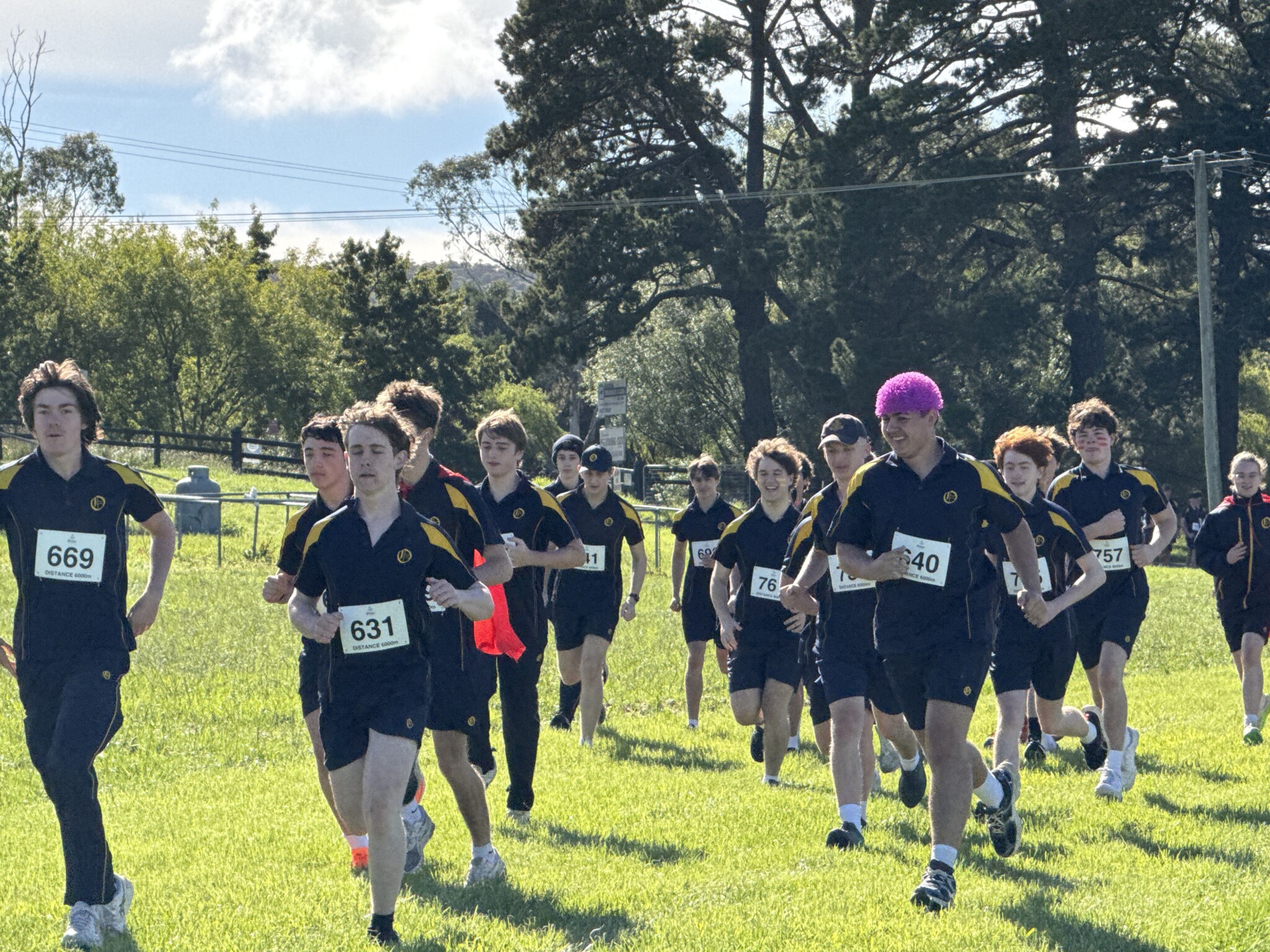
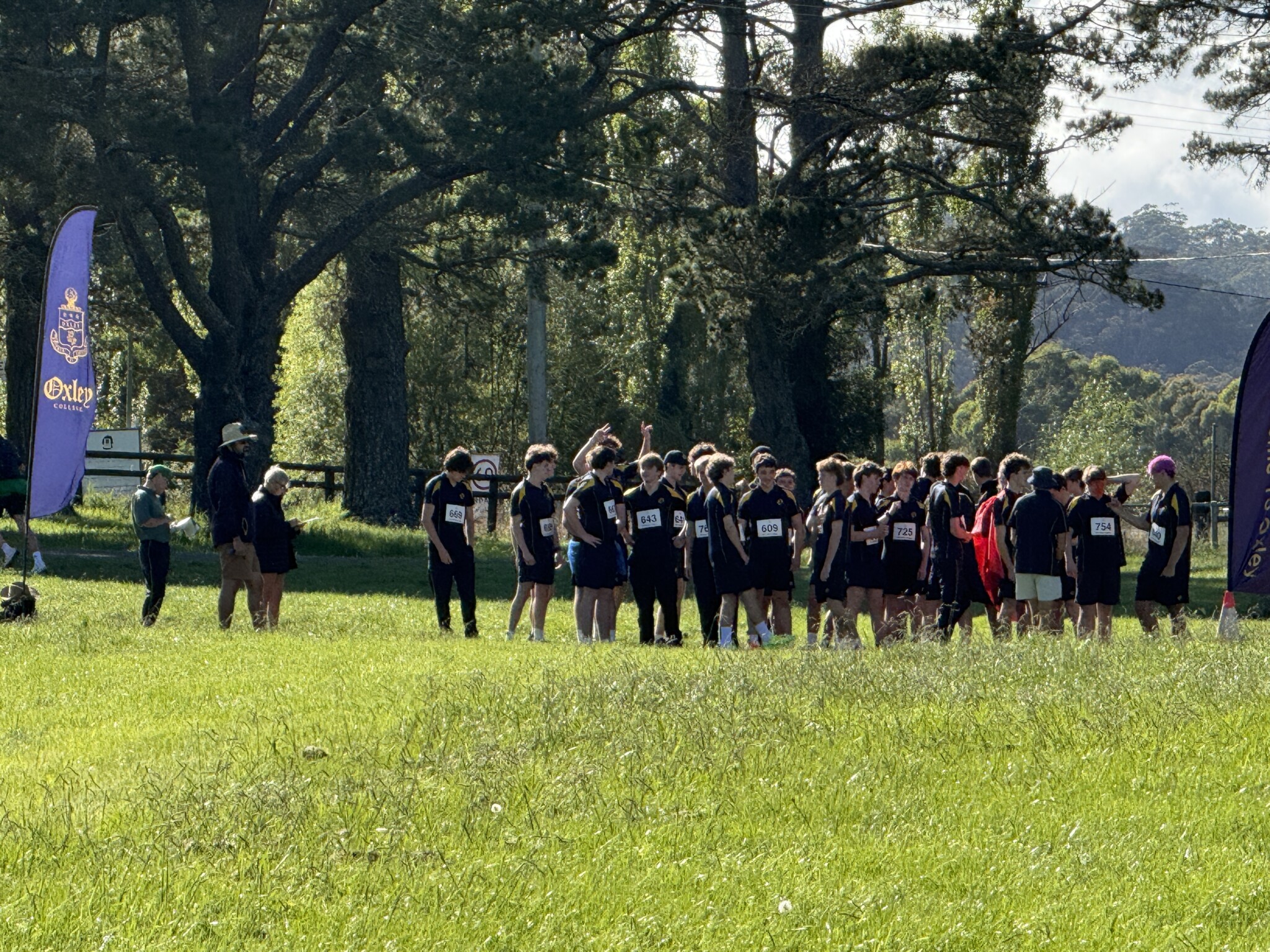
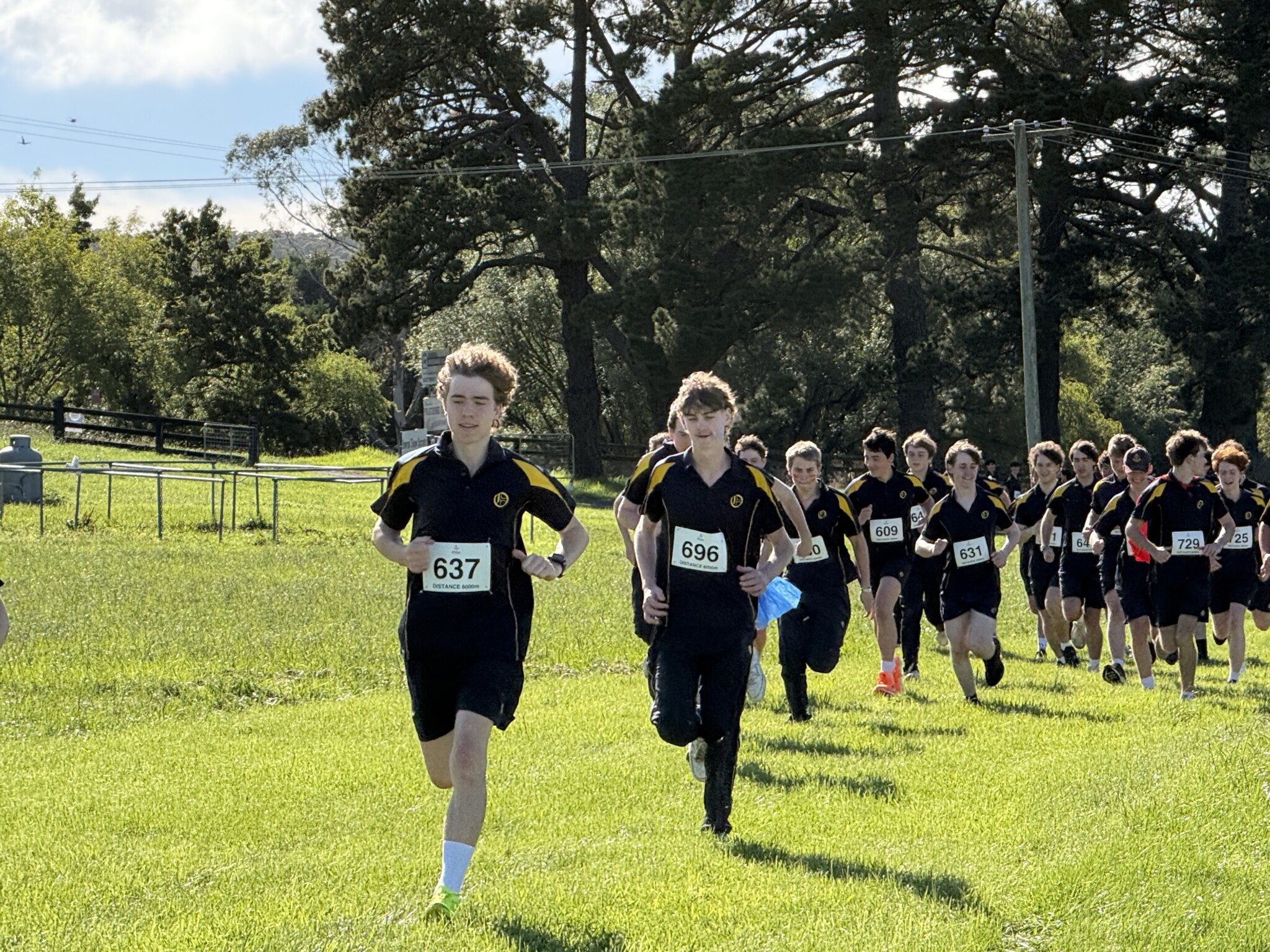
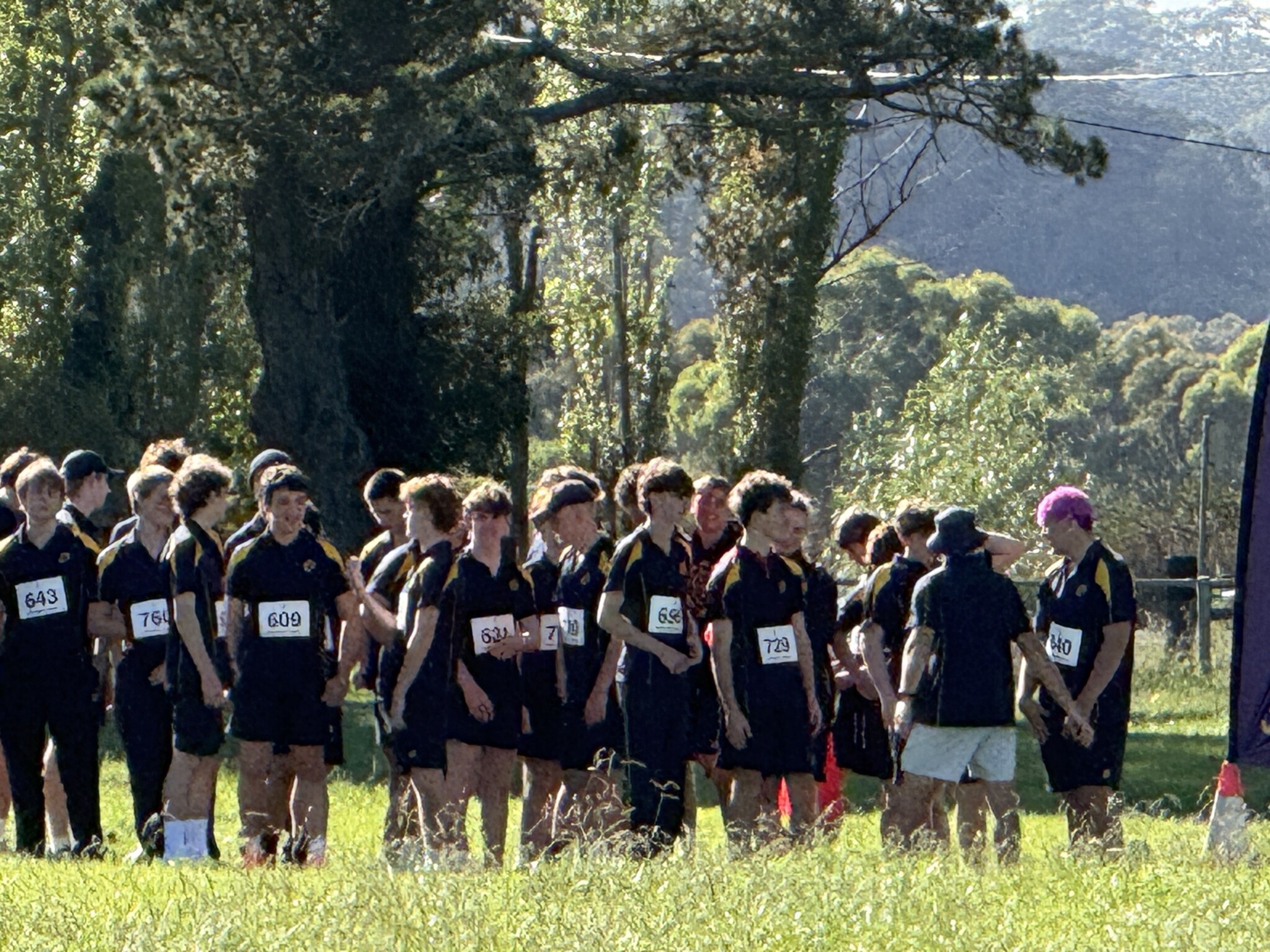
Senior School Cross Country Carnival

Senior School Cross Country Carnival

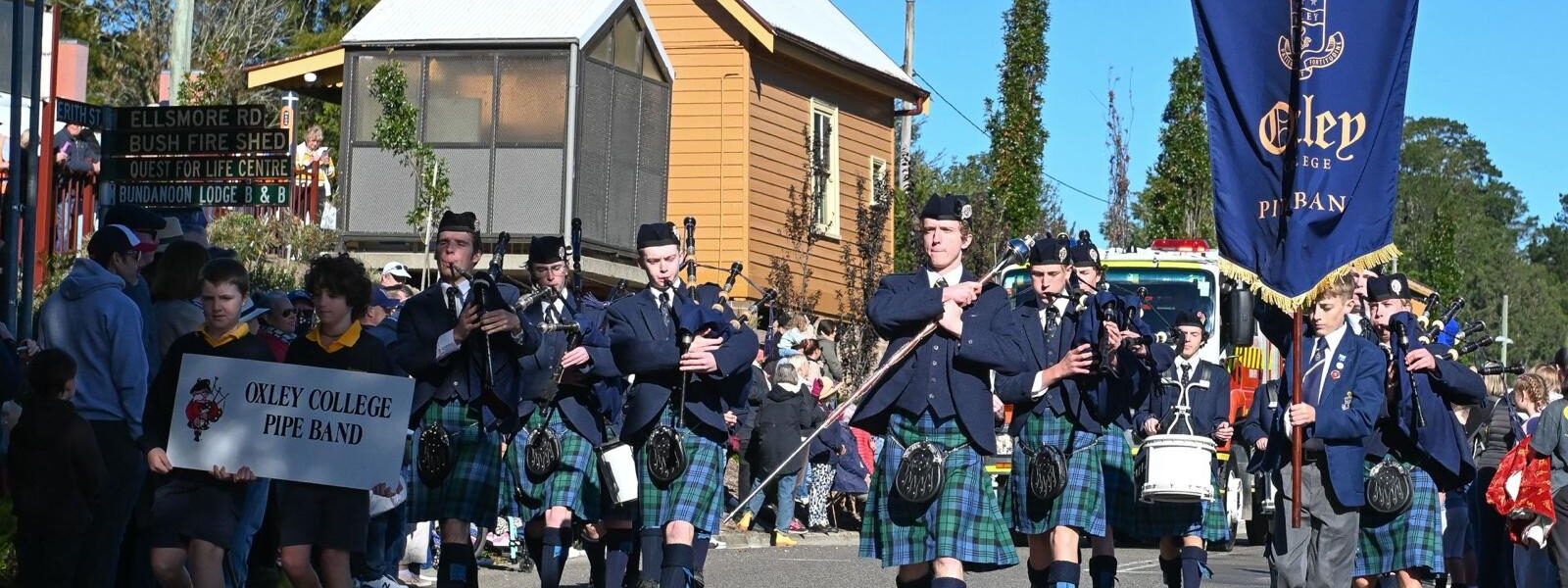
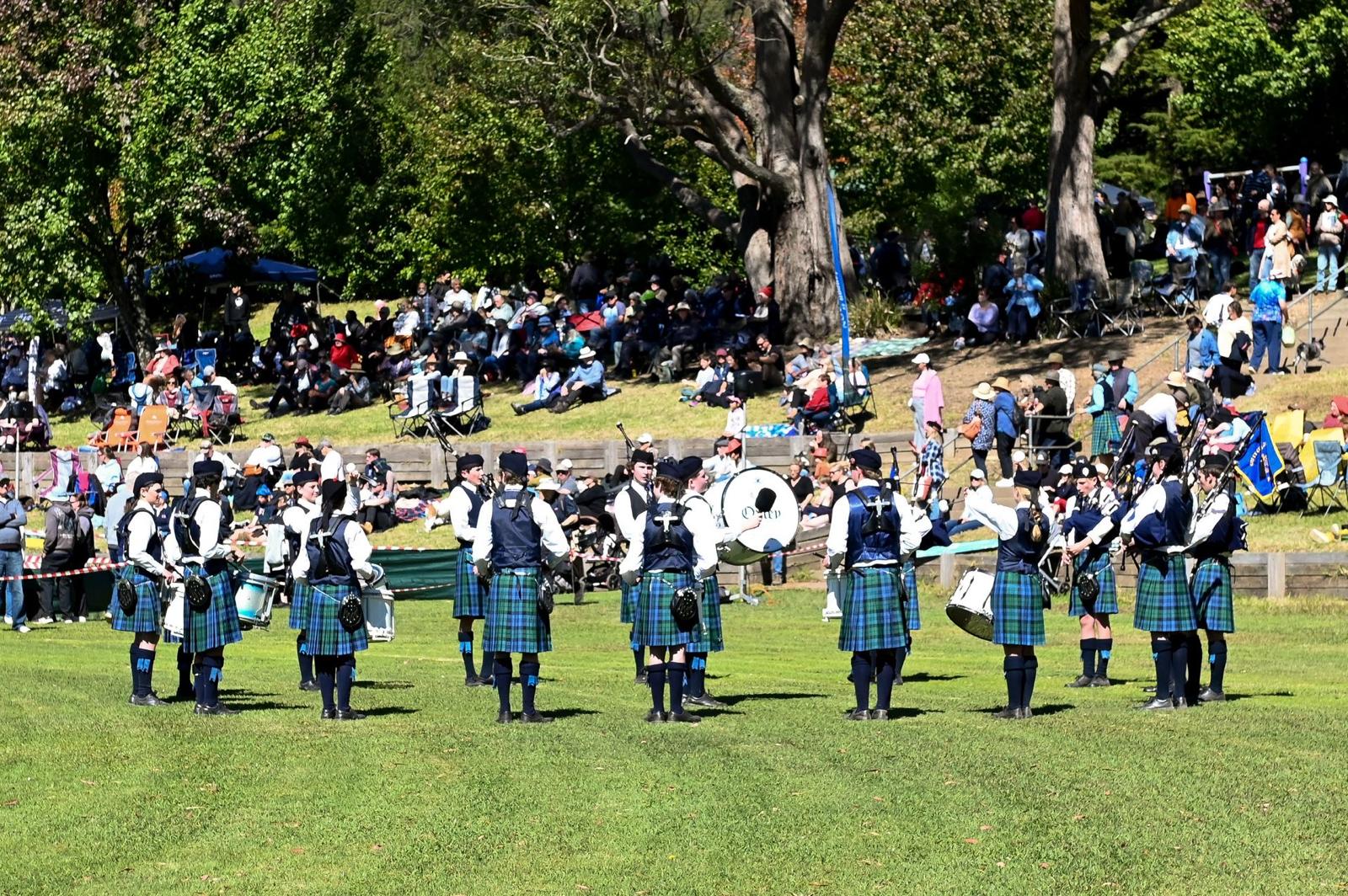
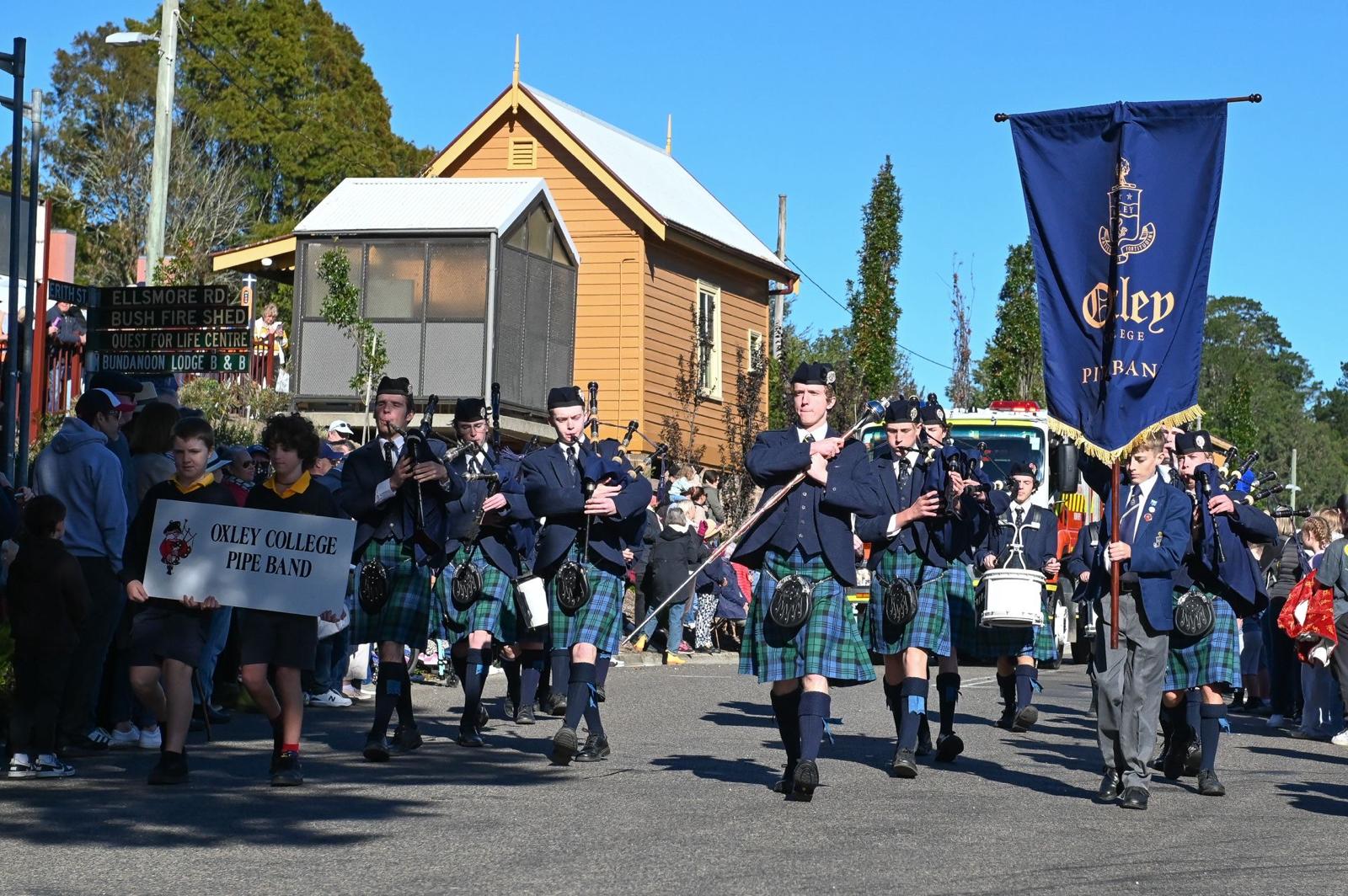
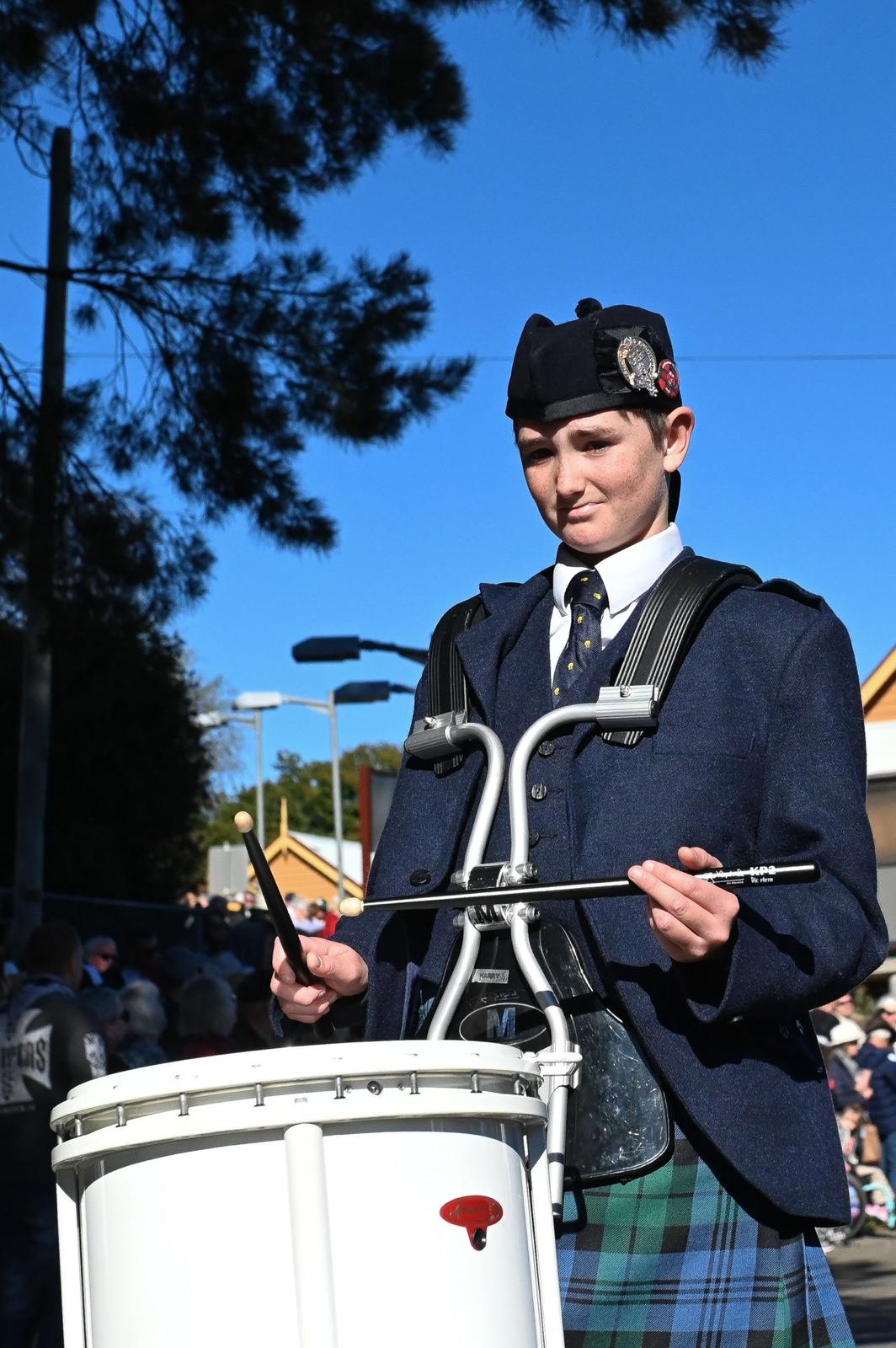
Bundanoon Highland Gathering

Bundanoon Highland Gathering

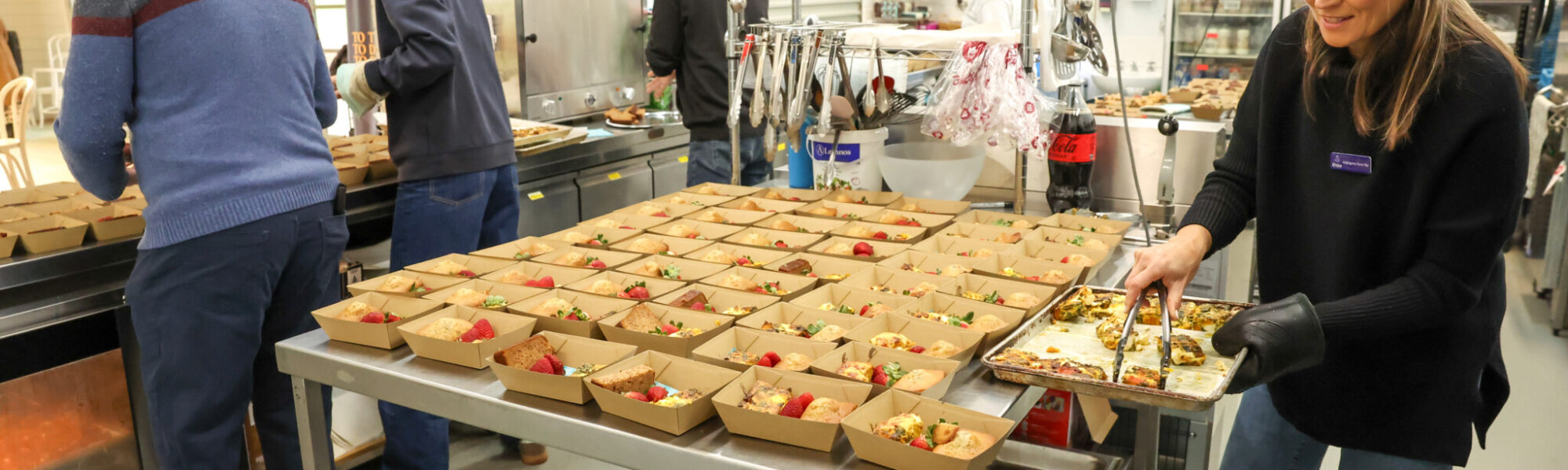
Mother’s Day Breakfast

Mother’s Day Breakfast

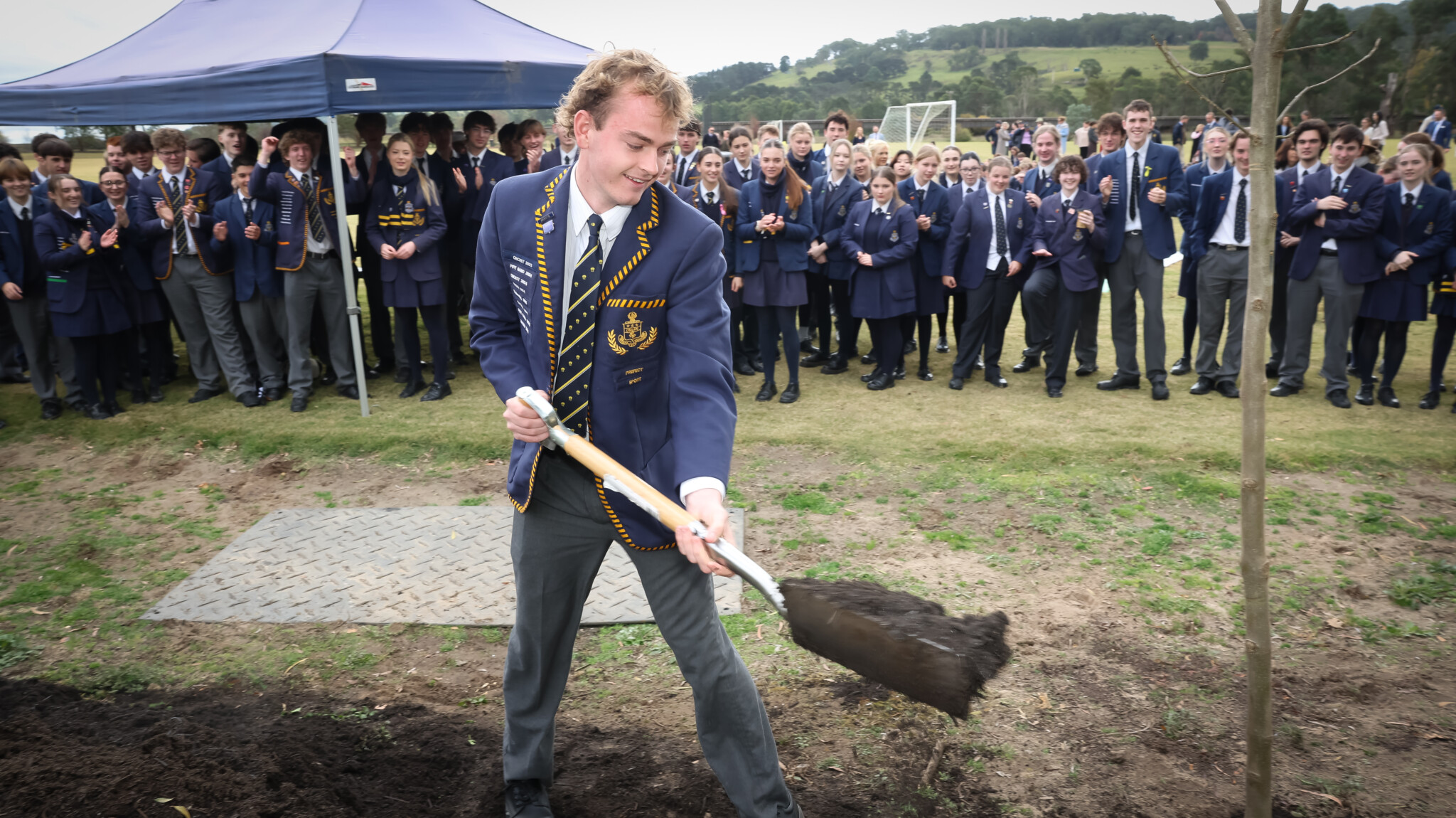
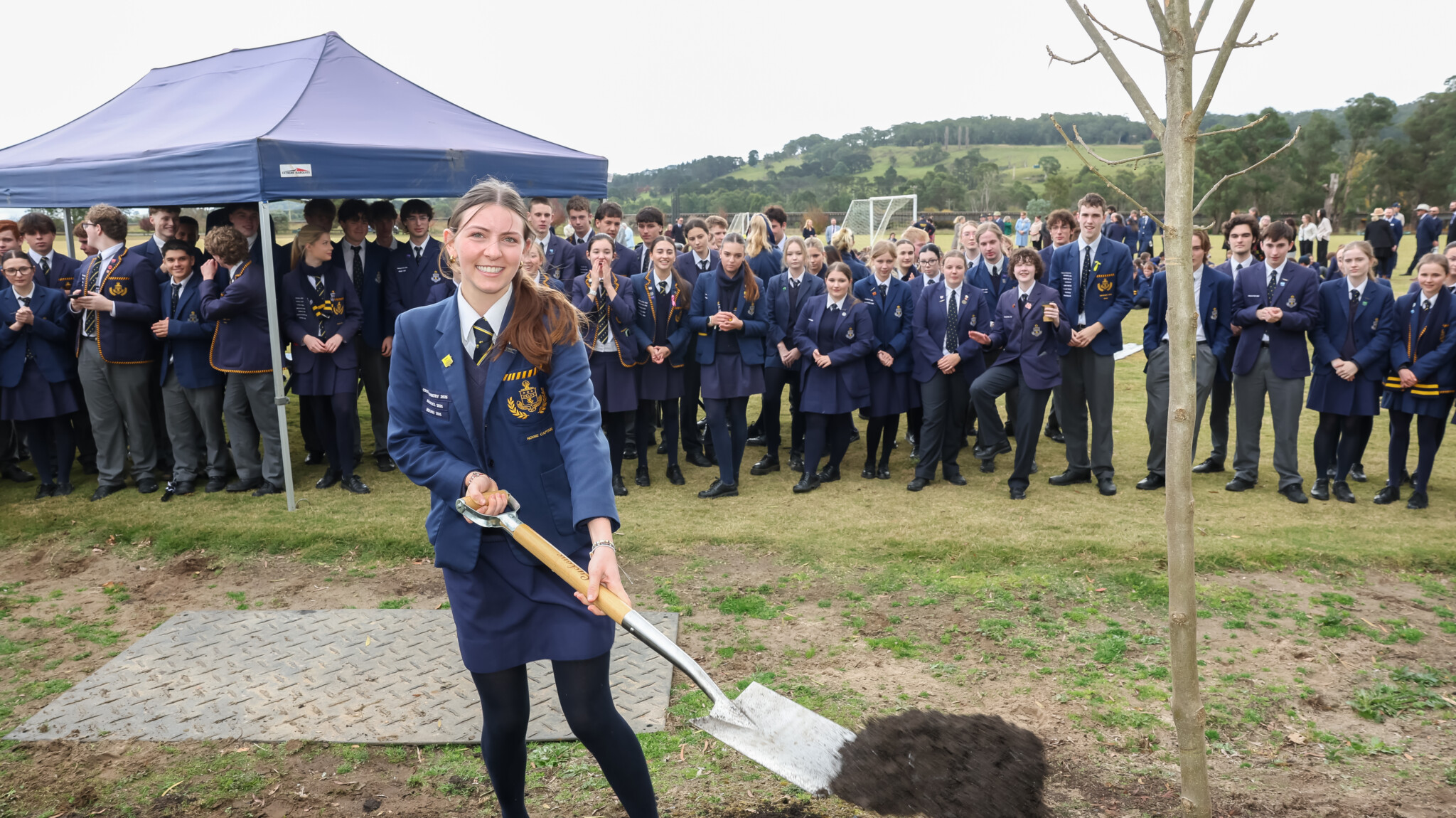
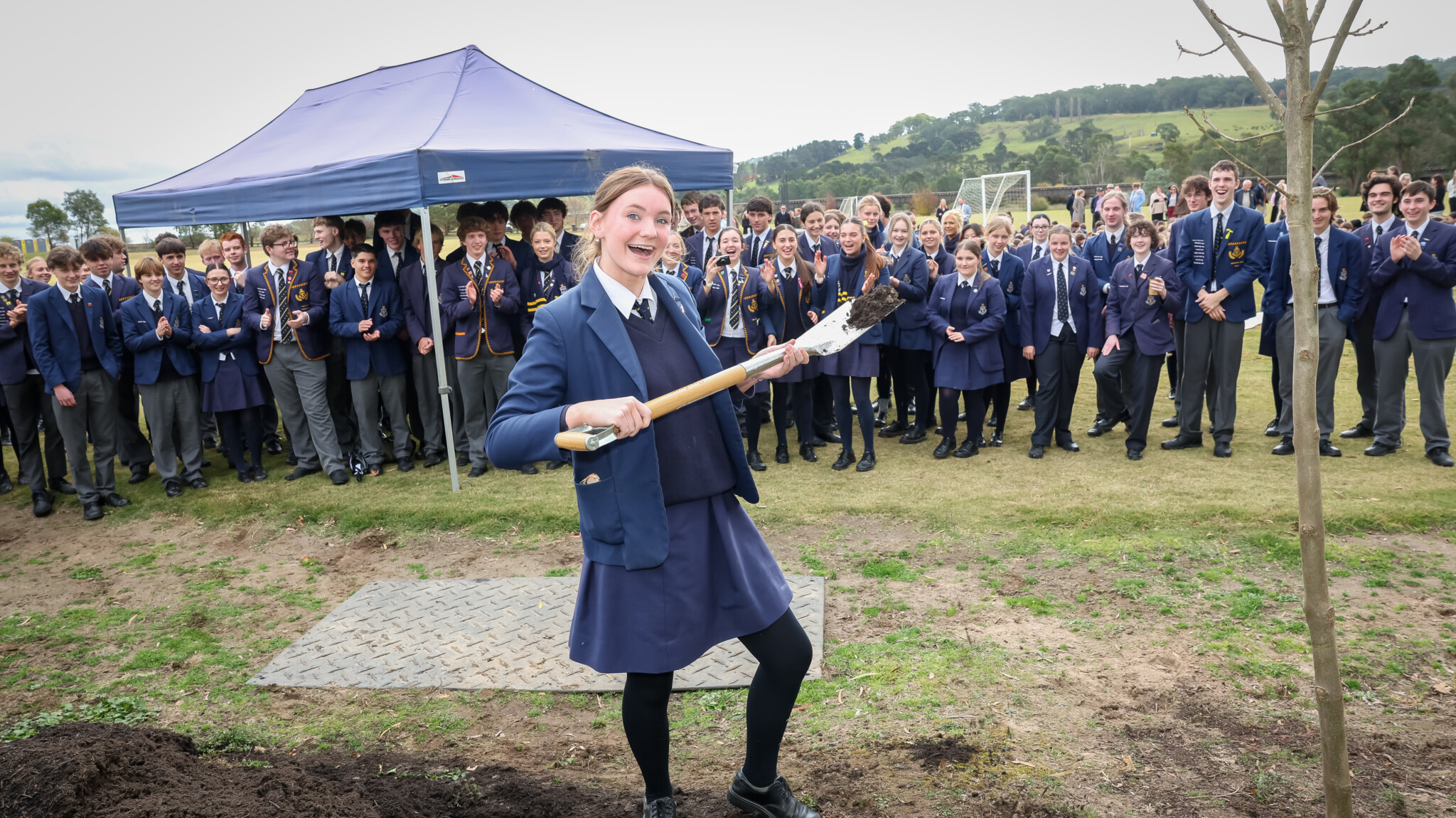
Foundation Day Tree Planting

Foundation Day Tree Planting

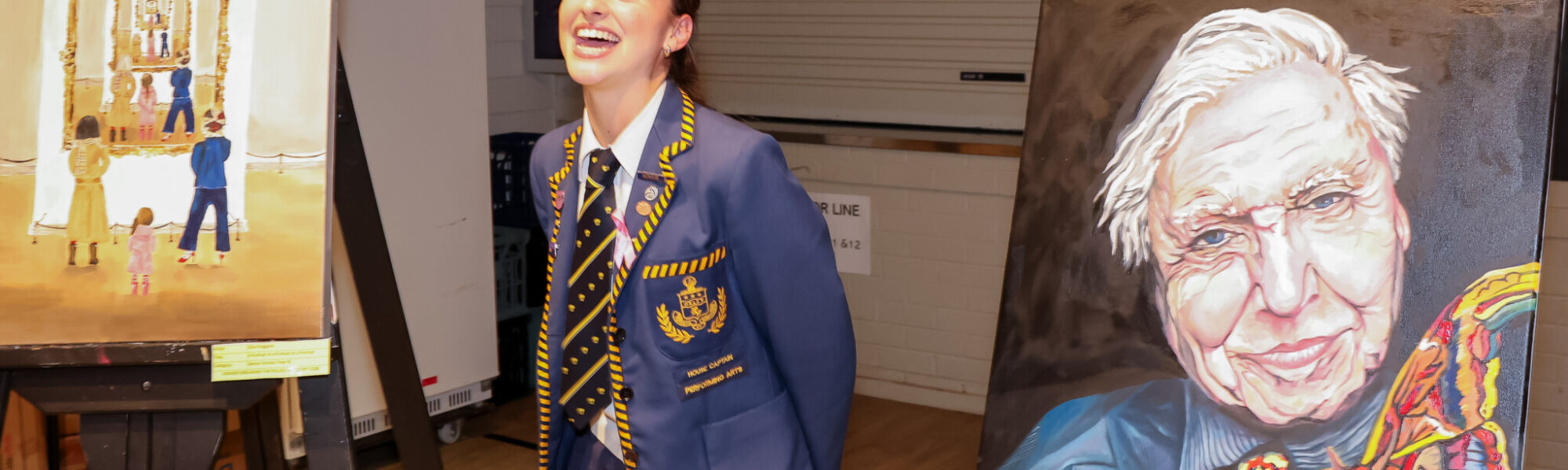
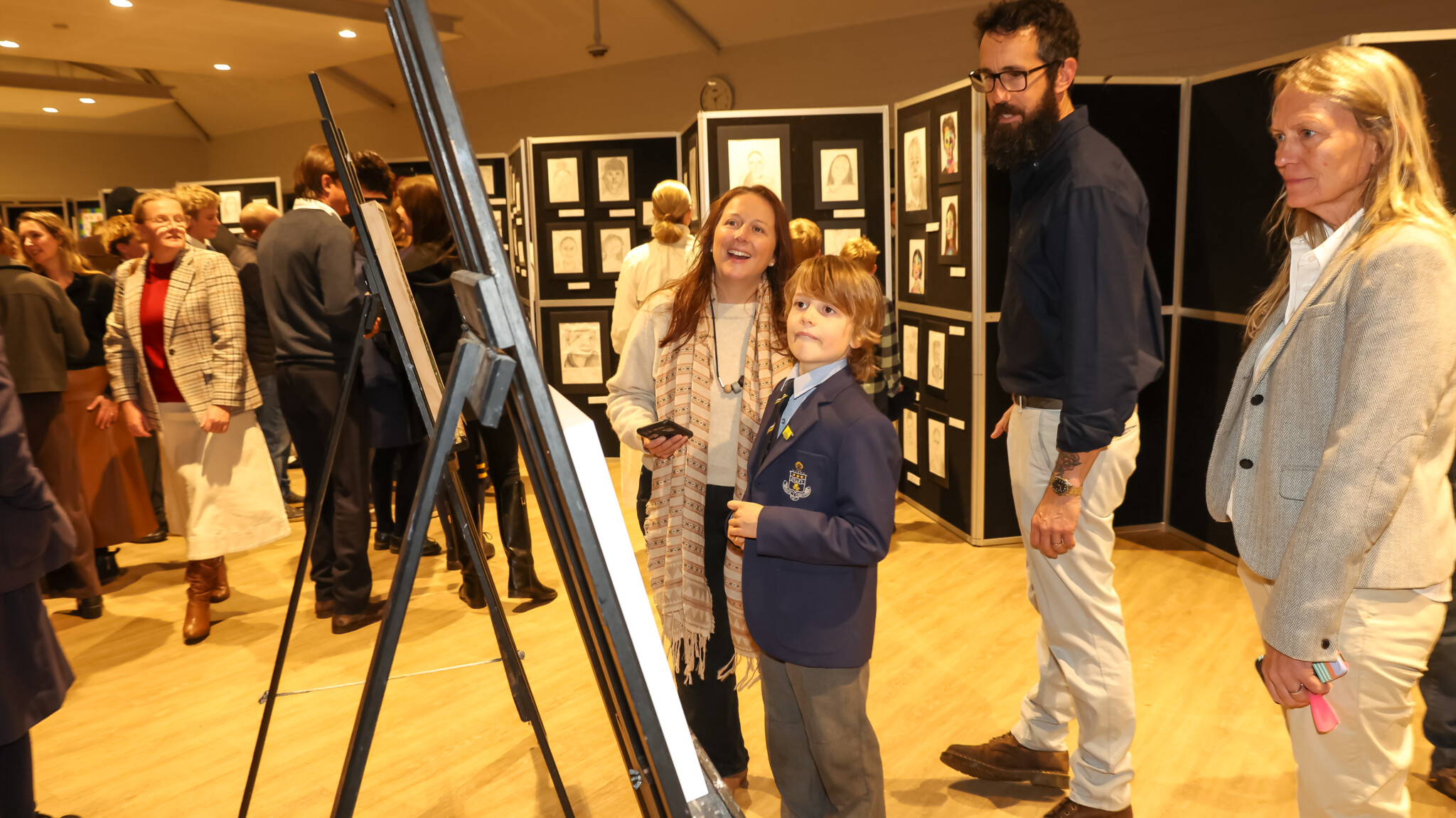
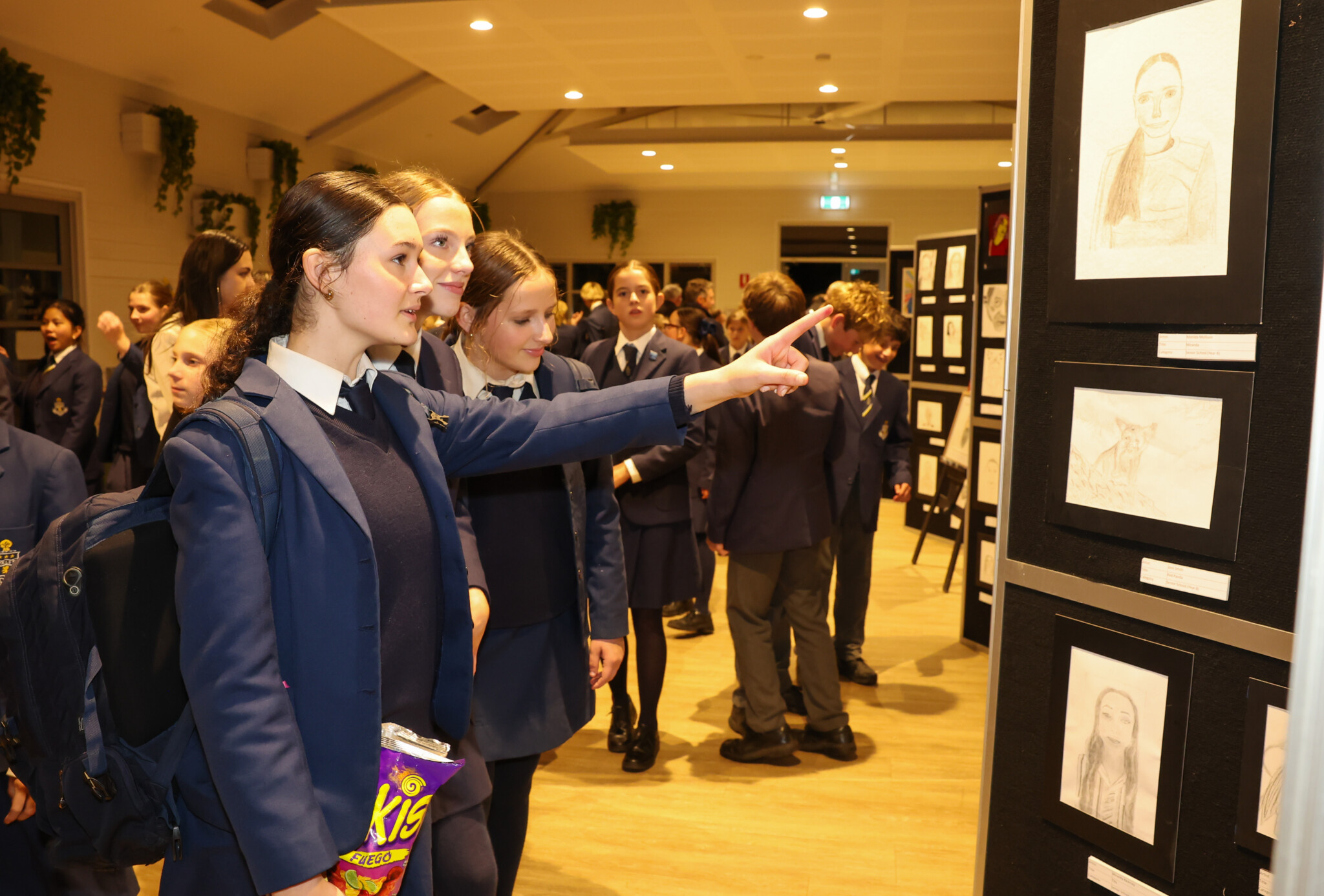
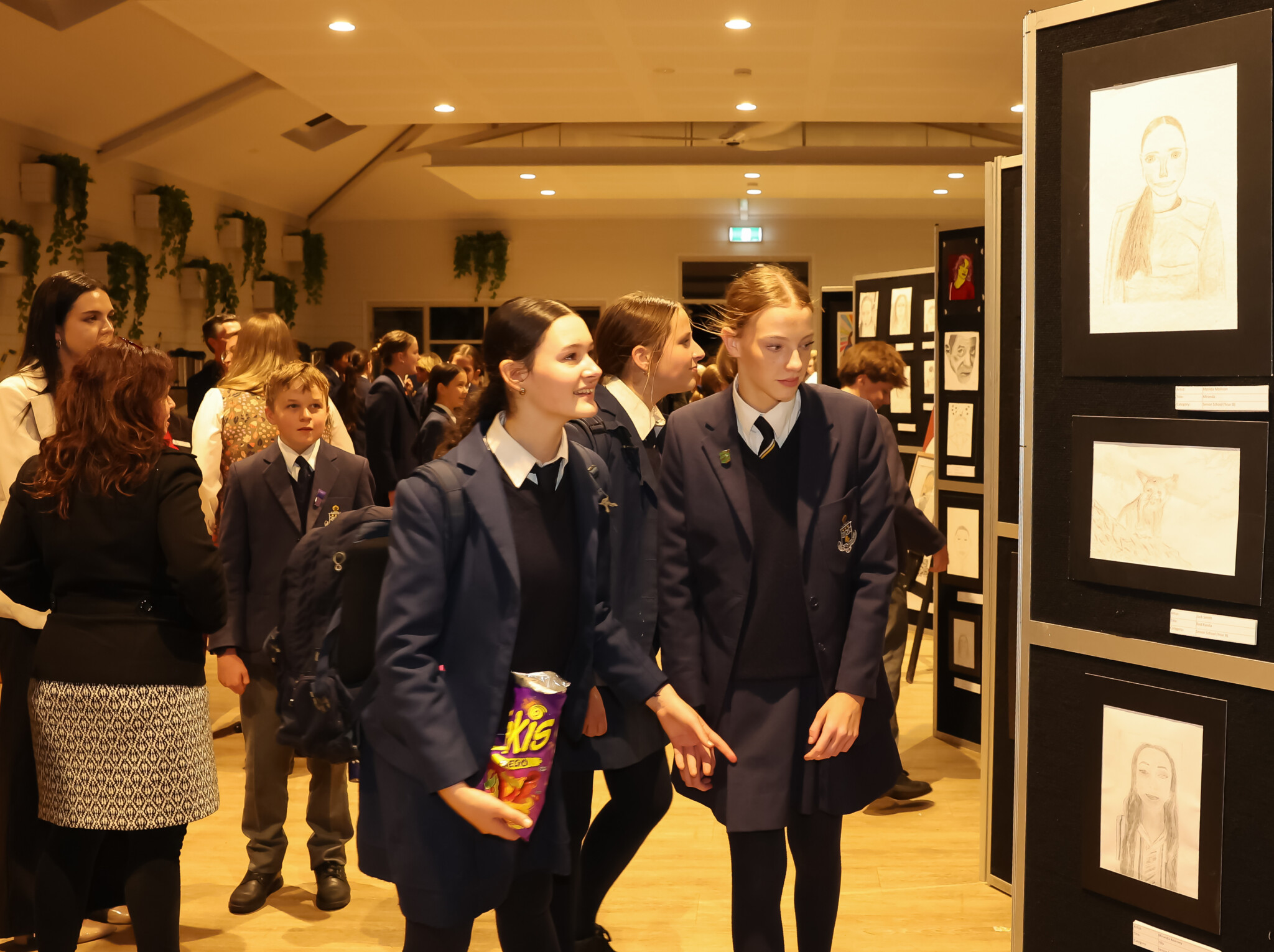
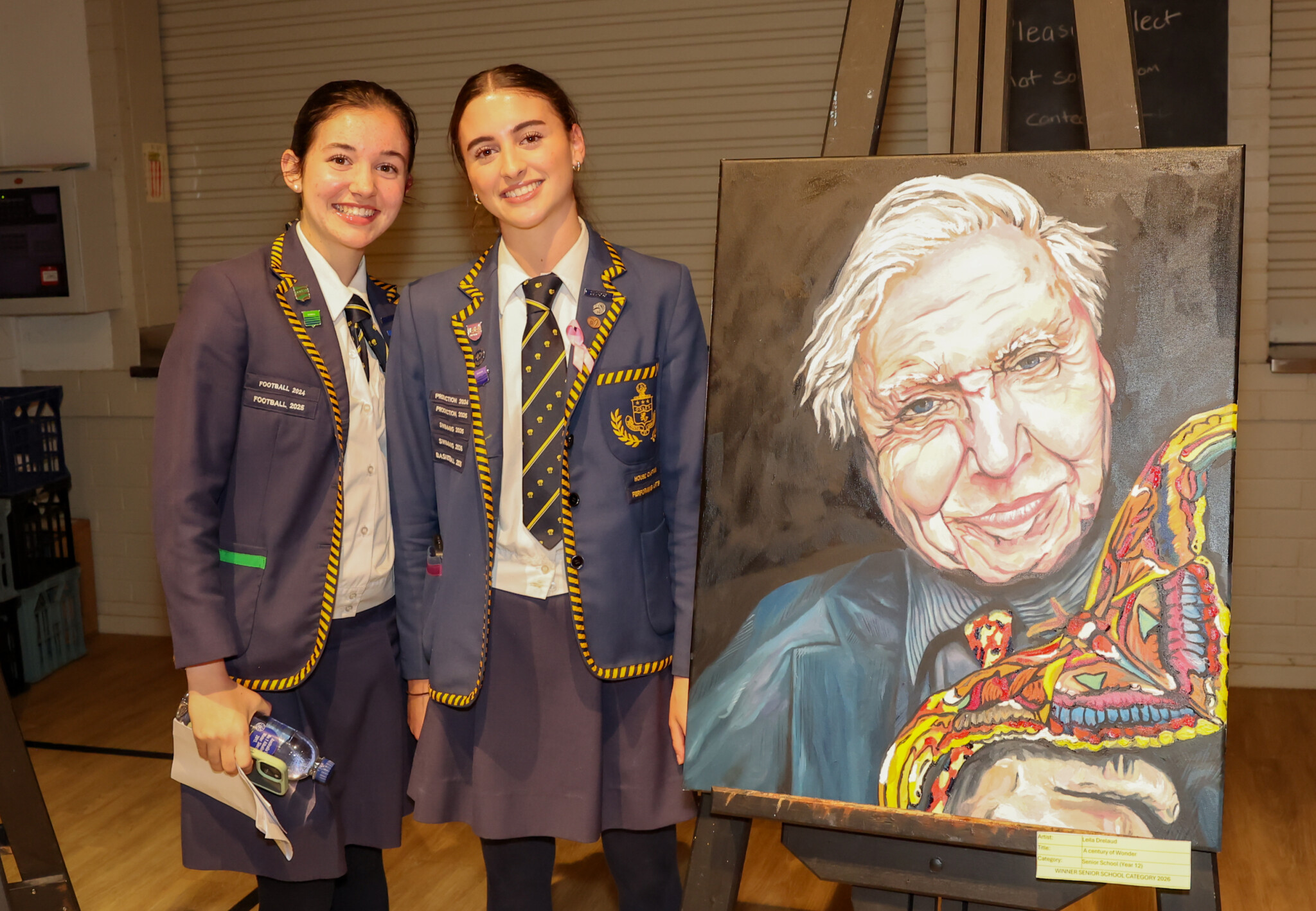
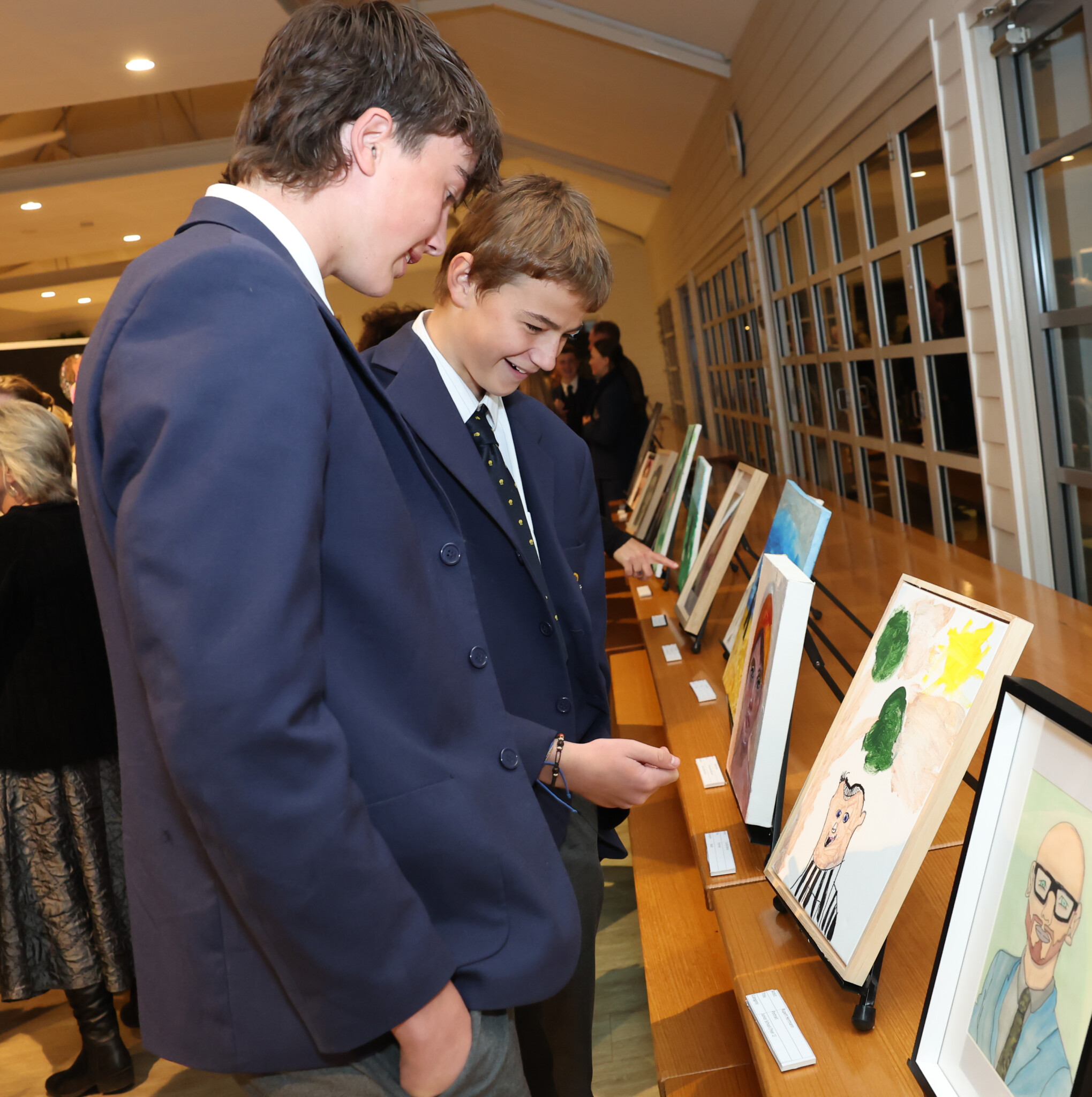
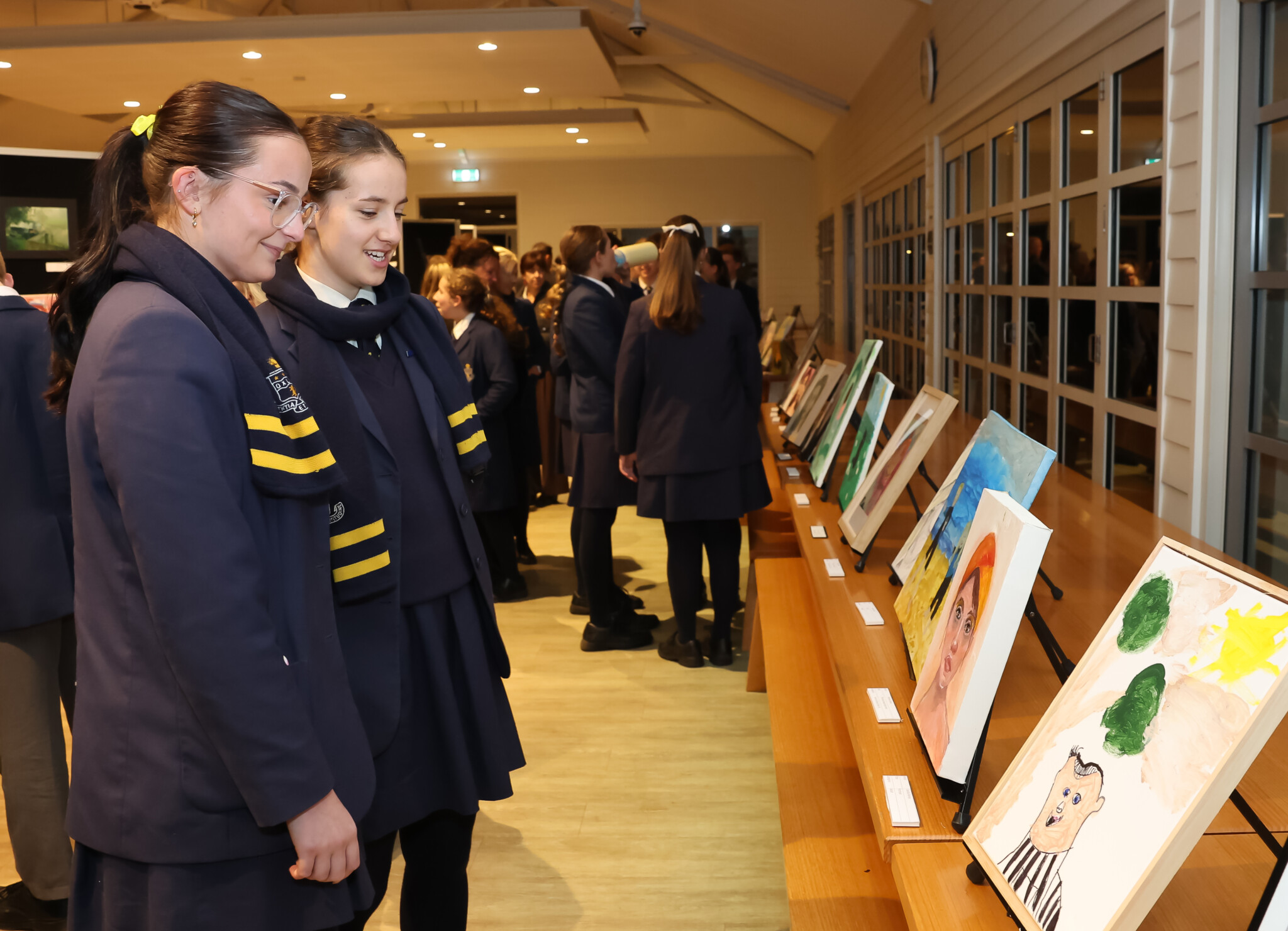
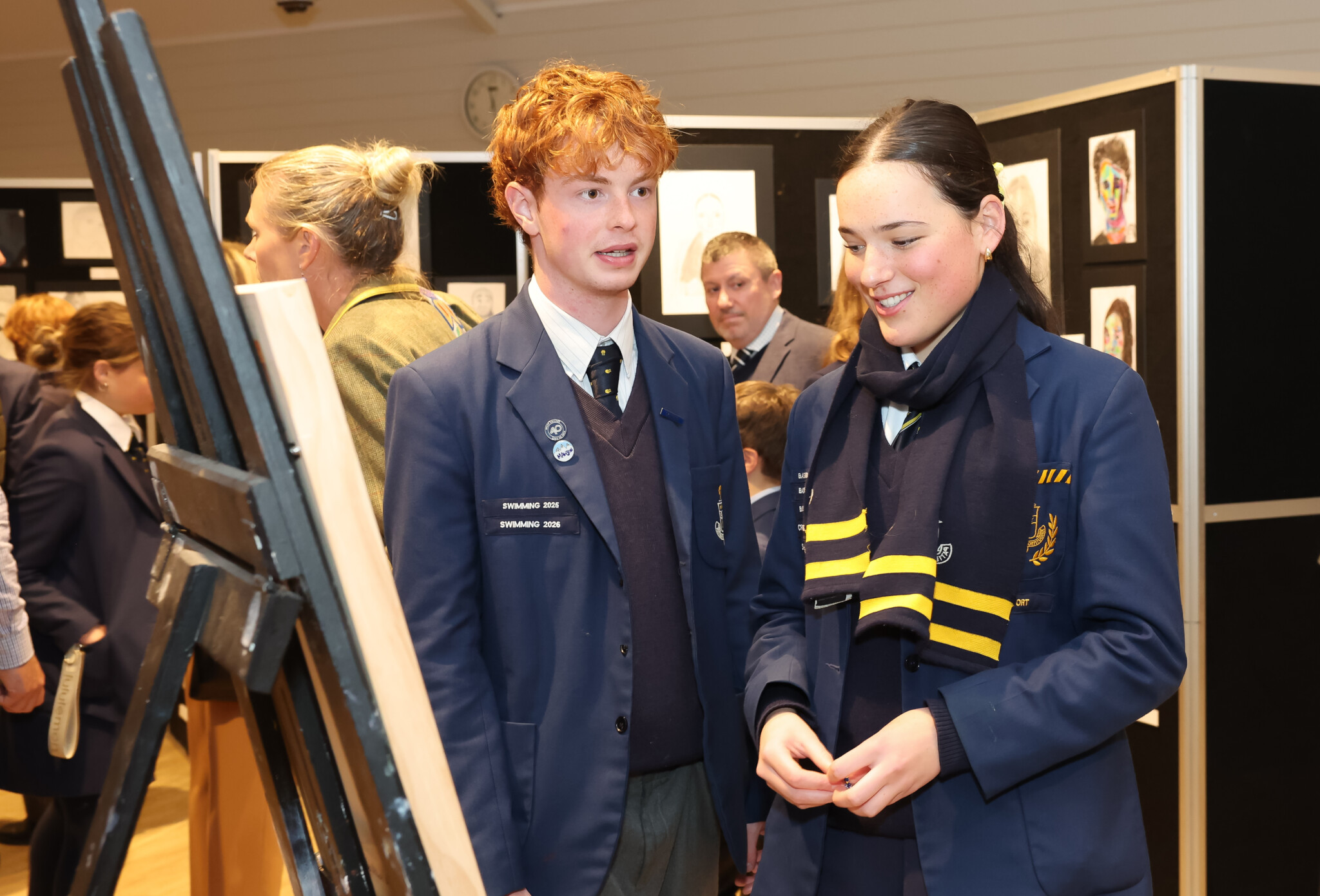
Art Prize

Art Prize

Foundation Night

Foundation Night