Year 9 Food Technology
Bubble Tea
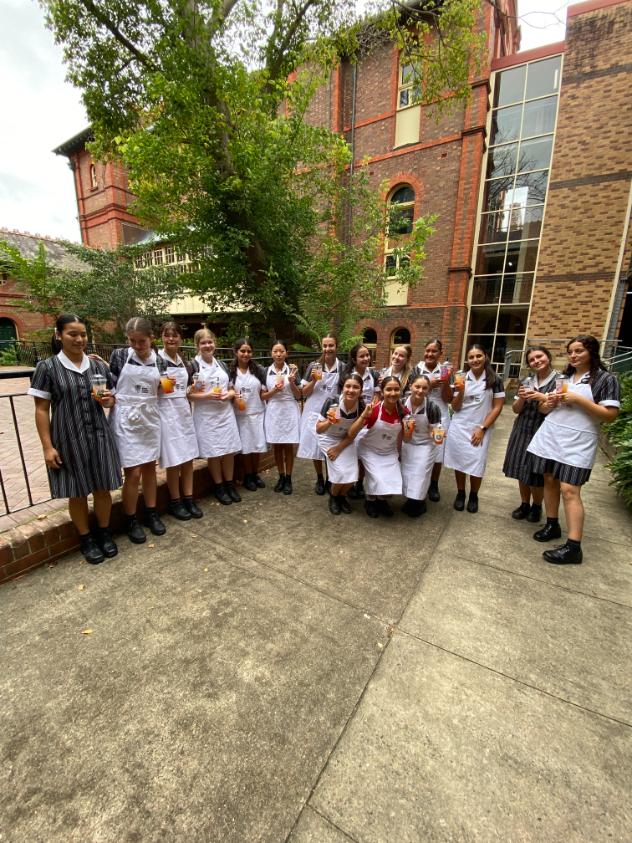
This term in Year 9 Food Technology, students have been investigating contemporary food consumption patterns in Australia and how these choices influence nutrient intake and overall health. As part of this unit, students explored the rising popularity of bubble tea among young people. They examined its nutritional impact and considered how frequent consumption can affect wellbeing.
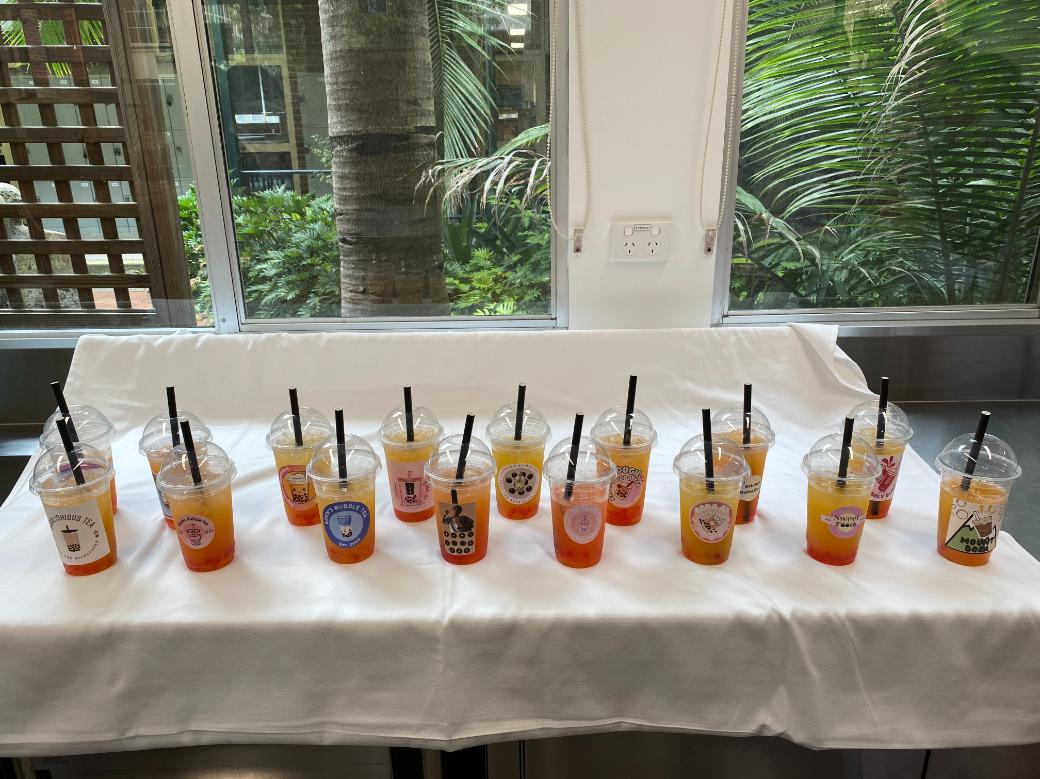
To deepen their understanding, students prepared bubble tea using a commercial packet mix and then engaged in hands‑on food chemistry to create their own mango and coffee‑flavoured popping boba. This practical experience allowed them to explore food science processes while considering the nutritional impact associated with popular beverages.
Debbie Bachmann
Head of TAS
Student reflections:
I thoroughly enjoyed the whole concept of creating my own bubble tea. I enjoyed getting the opportunity to learn the history about bubble tea for example where it originated from and the health aspect of the viral drink. I liked reflecting on why and how bubble tea became so popular world wide and has fully taken over the world. A fun fact that shocked me was that one singular bubble tea company owns more stores than McDonald’s does globally. Personally the best part of this activity was creating the logo and bubble tea. When creating the logo we were able to personalise them by making our own name and boba symbol as well as a creative slogan. Creating the bubble tea itself was overall the best part, as we used Chatime packs to create it. It turned out better than I expected and tasted very similar to the real bubble tea you would purchase at stores. After creating our bubble tea the class had the chance to create our own popping pearls, which was a great experience to show how we can create different types of popping pearls. Overall this experience was lots of fun and I very much enjoyed every aspect of the theory and practical behind the science of bubble tea.
Isabella Palermo
During our Food Technology practical lesson, we had the opportunity to make our own bubble tea drinks. To prepare for this, in class we completed a case study on bubble tea that focused on how it became a craze worldwide. We researched the history of bubble tea including its Taiwanese origins. We explored how the global phenomenon of a drink gained its popularity, especially among young people, because of its customisability and the influence from social media apps on consumers. To link our work back to our unit for this term, Food Health and Selection, we also discussed the nutritional value of the drink and the related health benefits and risks. Our key findings for health benefits was that black or green tea based bubble teas contain essential vitamins and minerals that prevent heart diseases and support bone and immune system health. We also found that most bubble teas contain a high processed sugar content and their serving sizes are large. This can lead to many health disorders such as Diabetes and Obesity. During our practical lesson we made bubble tea from a kit that included the tea mix and popping pearls. We also created our own individualised logos which which put on our cups. After making and drinking our fun and delectable bubble tea, we had the chance to experiment with and learn how to make our own bubble tea pearls as well as introducing chemical processes that occur when making them. We used ingredients such as sodium alginate and calcium lactate and a syringe to achieve the spherical shape. Overall, the practical lesson allowed us to see how the popular drink is made in an exciting and interactive way.
Madison Crisafulli