What’s happening in Year 5
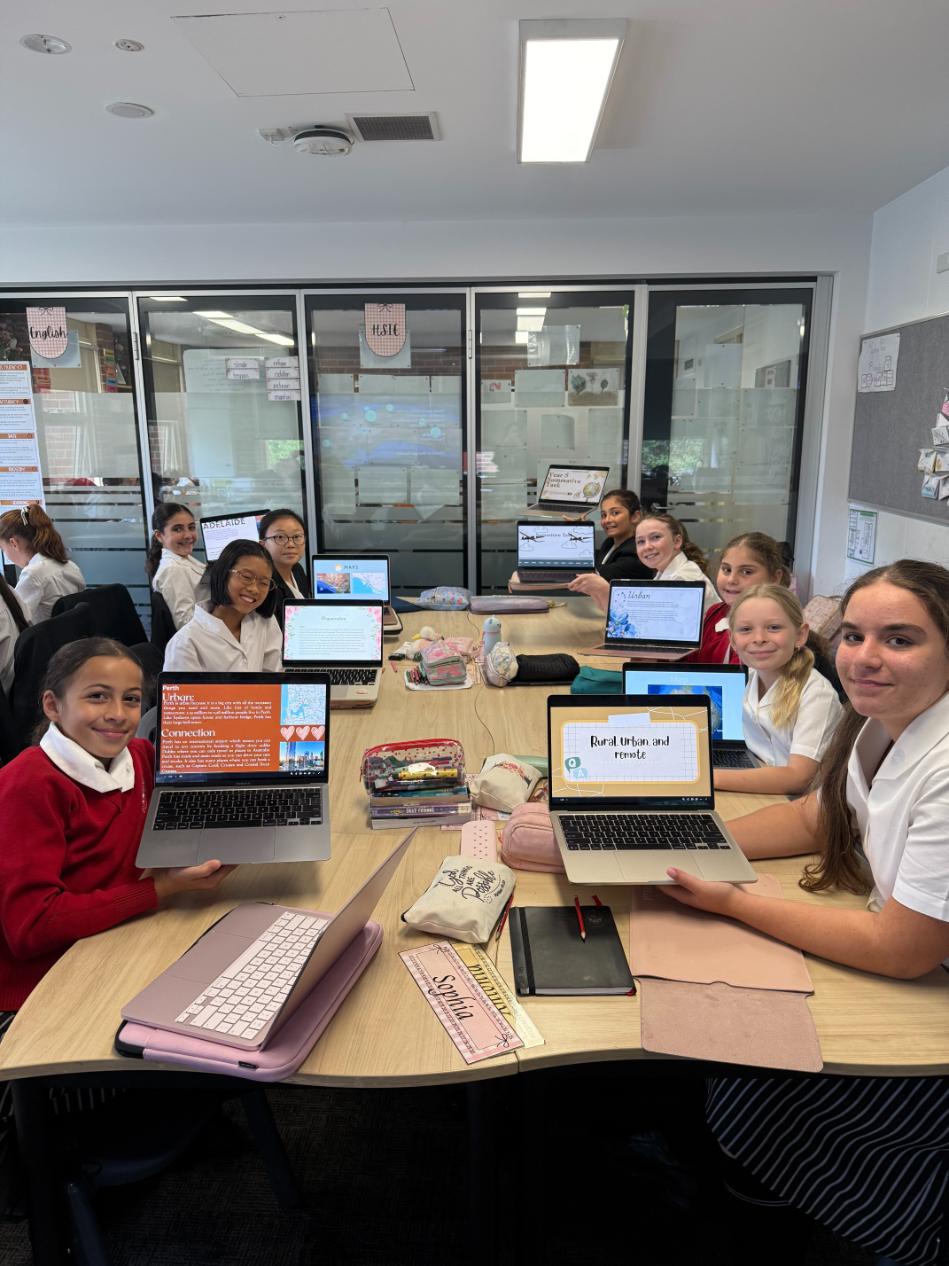
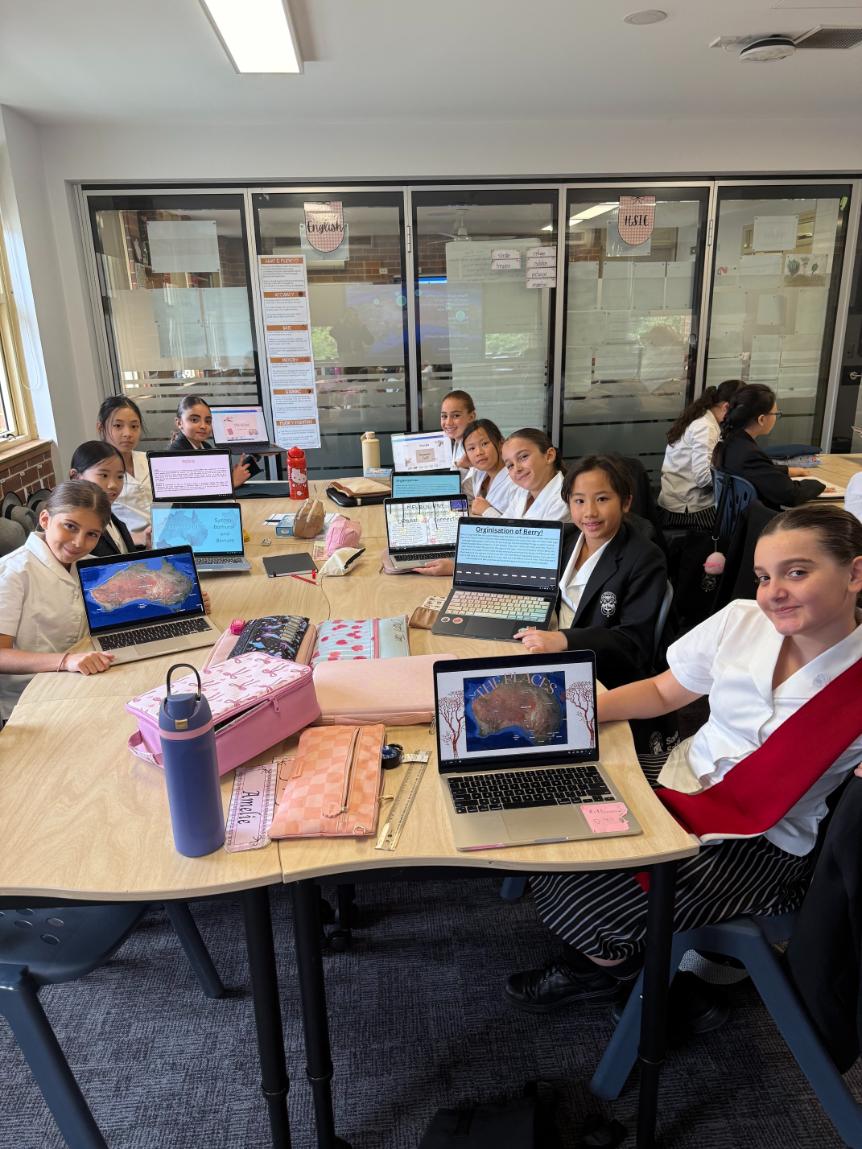
At the end of Term 1, students were working through their HSIE Summative Task by investigating three contrasting Australian locations, one urban, one rural and one remote. For each place, they analysed maps to explore buildings, landmarks, services and infrastructure. The students also explained how these places are connected through transport, roads, freight, etc. They then selected one of their locations to explore in greater depth, examining how it is organised, including its layout, services, transport networks and the ways people interact with the space.
Student Reflections:
Naracoorte is a rural area. Naracoorte has a population of 8,928. Naracoorte is almost on the coastline of South Australia and has a distance of 31.5km from Naracoorte to Binnum which is another rural area. Naracoorte only has one bus station and no train stations! Naracoorte has some services that include restaurants, hotels, museums and chemists. There are two main highways in Naracoorte: the Wimmera Highway and the Riddoch Highway. There are no freight trains in Naracoorte so they rely on road transport for their food. Naracoorte is inland so therefore there are no ports or boats. Naracoorte has one airport but it is very small. Only small airplanes can land there. Naracoorte exports most of their food to other cities and places. There are no trains or railways.
Esther Ghobrial
Perth is an urban place due to its huge population of 2.38 million people. Perth is 3950 km to Sydney. There is alot of transport available in Perth connecting Perth to other parts of Australia. There are 16 public transport stations ranging from bus stops to train stations and even tram stations and they have two main airports. They have 26 main hotels and 16 restaurants.
Perth has two main freeways (Kwinana and Mitchell) and several small highways which help people to get to and from Perth. It also has two main airports, one main commercial airport with four domestic terminals and three domestic airports. They have 10 freight lines which help get goods to other parts of Australia and the world.
Romey Dib
Stephanie Yiorkas, Wendy Anetter, Alison Di Ciaccio, Monique Taylor, Tayla Kostakis
Year 5 teachers