
Thought Leadership
The #1 block to teamwork is defensiveness. Here’s how to defuse it
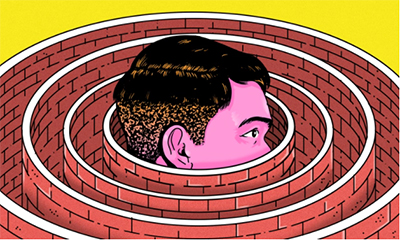
To be human is to get defensive. When we’ve been questioned or criticized at work, it’s fair to say that almost all of us — save for, perhaps, the Dalai Lama and other equanimous souls — have gotten irritated, retreated into silence, or said something cutting in response. And because it is so normal to get defensive, we tend to write it off as no big deal. Jim Tamm, however, begs to differ.
Former judge Tamm spent 25 years working through other interpersonal conflicts, including mediating more than 1,000 employment disputes, and he currently trains consultants to teach collaboration skills. So what does defensiveness have to do with collaboration? Tamm has come to believe that defensiveness is the major obstacle that prevents people from working well together. “There is nothing that will help you become more effective at building collaboration than better managing your own defensiveness,” he says in an interview.
‘How to Manage Growing Pains During Rapid Team Growth’

Your business has grown. What once was a small office of 10 people has expanded to 200, and with that comes a whole lot of adjusting. While growth is great, not everything is sunshine and roses. We call these tough adjustments “growing pains,” and they can throw your business way off its trajectory if you aren’t prepared to face them.
What Are Growing Pains In Business?
Remember going through growth spurts as a child? The too-short pant legs were embarrassing, but the achy limbs and joints made it miserable. Just like when you were 10 years old, your business can experience growing pains when it’s scaling too fast.
‘How Leaders Around the World Define Leadership’

Good leadership. Countless books, seminars, TED Talks, and articles have attempted to explain what it is and how to emulate it. But what does it really mean for us on a day-to-day basis?
Instead of interviewing another organizational psychologist or management expert, I decided to ask my inner circle of friends and colleagues what good leadership means to them.
What Does Good Leadership Consist Of?
My question-asking took me (virtually) from Zagreb to Bangkok to a tiny town in the mountains of Idaho. The respondents come from various backgrounds, from a private school principal to a nomadic artist, and even an ER nurse.
I asked them all this question: What makes someone a good leader? Here’s what they had to say.