School Archives: Designing Access for Engagement and Privacy
Article supplied by Alison Barnett, Northern Regional Manager, NZMS
Every school has stories that continue to strengthen connections across generations. A photograph from a school production, an old yearbook, a record of a major milestone or a story shared at an Alumni reunion can reconnect people with their school and with one another.
Increasingly, schools are recognising that archives are more than repositories of historical records. While previously managed by long-serving staff with deep institutional knowledge, intent on saving material before it was ‘too late’, archives are now understood as strategic assets that can support engagement, celebrate shared experiences, and bring institutional stories to life. As archives become more closely aligned with Community Engagement objectives, many schools are rethinking how archival collections are managed, shared and accessed.
This shift in thinking is evident in the work undertaken at Diocesan School for Girls in Auckland. When the school embarked on its digital archives programme, Director of Development Angela Coe already had a clear vision for the stories, themes and connections the archives would help unlock across the school community.
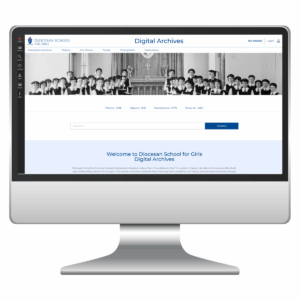 |
Consultant Ross Scrymgeour subsequently reinforced this direction, recommending that the archives function sit within Advancement and align more closely with broader engagement activities. One result of this strategy was the launch of Diocesan Digital Archives, bringing collections, stories, and institutional memory together in a searchable and sustainable digital environment.
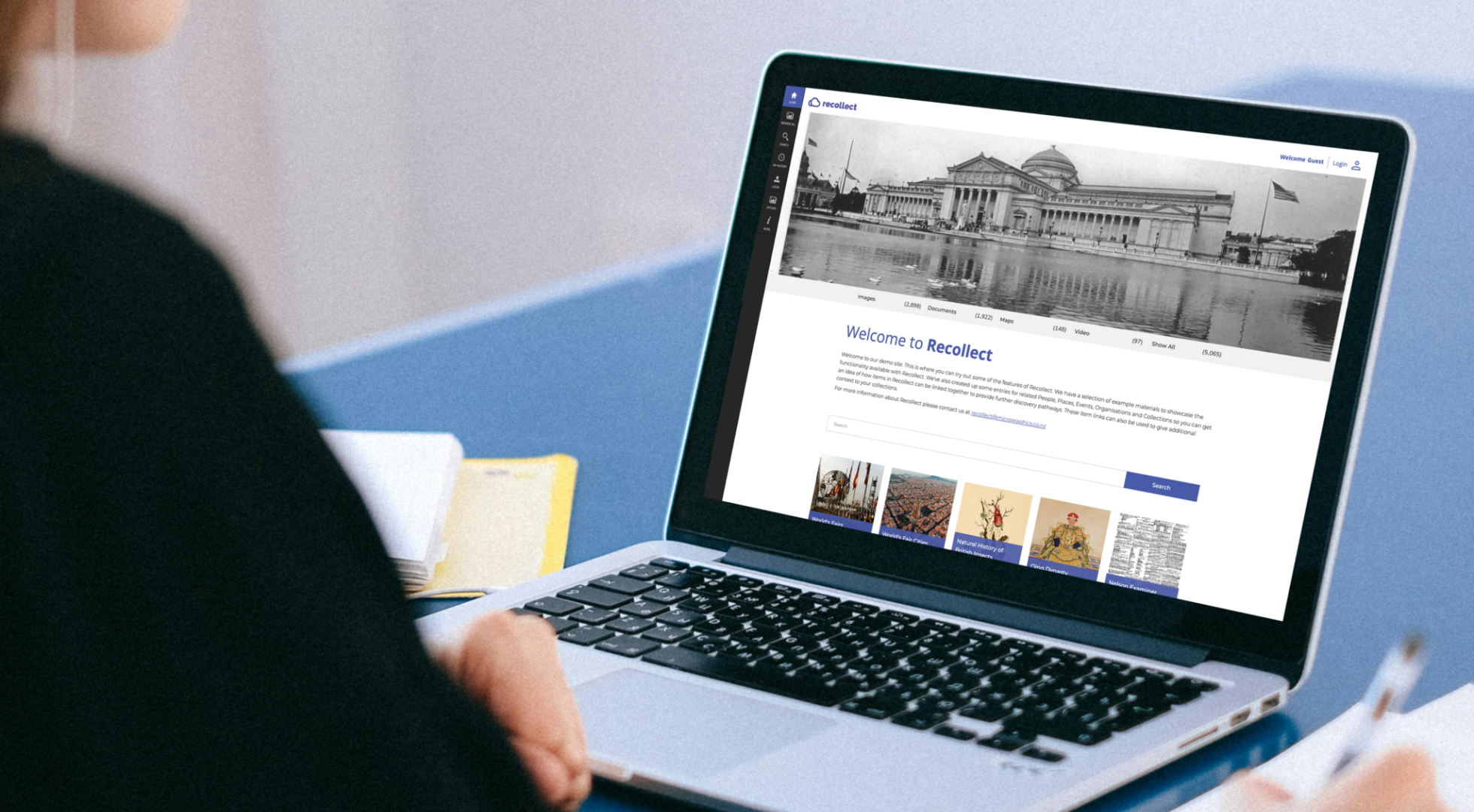
Platforms such as Recollect make historical content more discoverable, accessible, and relevant by revealing connections across people, events, collections and institutional stories. Making archival collections easier to access is only part of the equation.
Schools are also confronting important questions about privacy, governance, and the impact of AI on historical content.
Photographs, yearbooks, and historical records that were once difficult to locate can now be searched, indexed, and analysed at scale. People can discover, reuse, and interpret online content far beyond its original context. As a result, many schools are carefully reconsidering how historical collections should be shared in an increasingly digital environment.
Recognising the need to balance access with stewardship, Diocesan adopted a layered access model. While a curated selection of archival content sits in the public domain, alumni and approved users can log in to access a broader collection, supporting engagement while ensuring historical material is shared within an appropriate context.
Engagement and privacy are not competing priorities. A layered access approach recognises that archives contain both collective history and individual stories. Thoughtful access design allows alumni to participate with confidence while ensuring historical material is safeguarded and shared responsibly.
Archives do more than preserve the past. They help schools strengthen community, celebrate shared experiences and carry institutional memory into the future. As the whakataukī reminds us, kia whakatōmuri te haere whakamua – we walk into the future with our eyes on the past.

Alison Barnett
Northern Regional Manager
NZMS
NZ Recollect Reseller