Deputy Principal Teaching and Learning
NAPLAN 2026 Update
Our students have now successfully completed the main NAPLAN testing program for 2026. We are currently running catch‑up sessions for any students who were absent or missed a component of their assessment. These sessions will continue over the coming days to ensure all students have the opportunity to complete their tasks. We appreciate the calm and positive way students have approached the assessments.
Elevate Study Skills Sessions for Years 7-10
This week, students in Years 7 – 10 participated in Elevate Education’s study skills workshops, each tailored to the needs of their year group.
Year 7 students completed the Kick Start program, where they learned dynamic reading strategies to identify key ideas, practised effective note-taking, explored conceptual learning techniques and developed early independent learning habits.
Year 8 students took part in the Junior Time Management program, which helped them establish balanced study routines that allowed time for academic work, sport, and other commitments. They also learned how to work smart, managed both short- and long-term deadlines and discussed strategies to overcome procrastination.
Year 9 students took part in a seminar designed to strengthen their memory and recall skills. The only thing trickier than getting through all the work in the later years of school was remembering it, and this session introduced students to simple and practical techniques that helped them store and retrieve information more effectively. They explored the reasons why forgetting occurs and learned how an ineffective study environment, including distractions such as social media, music, television and unproductive work habits, could impact their ability to retain key content. By practising strategies that improved retention, supported more effective revision and reduced reliance on rote learning, students left the session better prepared to manage the increasing academic demands of their studies.
Year 10 students completed the Ace Your Exams program, where they examined the most effective work to undertake when preparing for exams and identified areas needing improvement based on practice papers. They also mapped out their study timelines weeks in advance and practised key exam-room strategies such as stress management, time allocation and producing succinct, focused answers. These workshops provided students with practical, research-based strategies they can continue to use to enhance their learning across all subjects.
By applying these strategies, students will be well‑equipped to approach the assessment blocks in Terms 2 and 4 with confidence and effective study habits.
Elevate’s parent webinar series
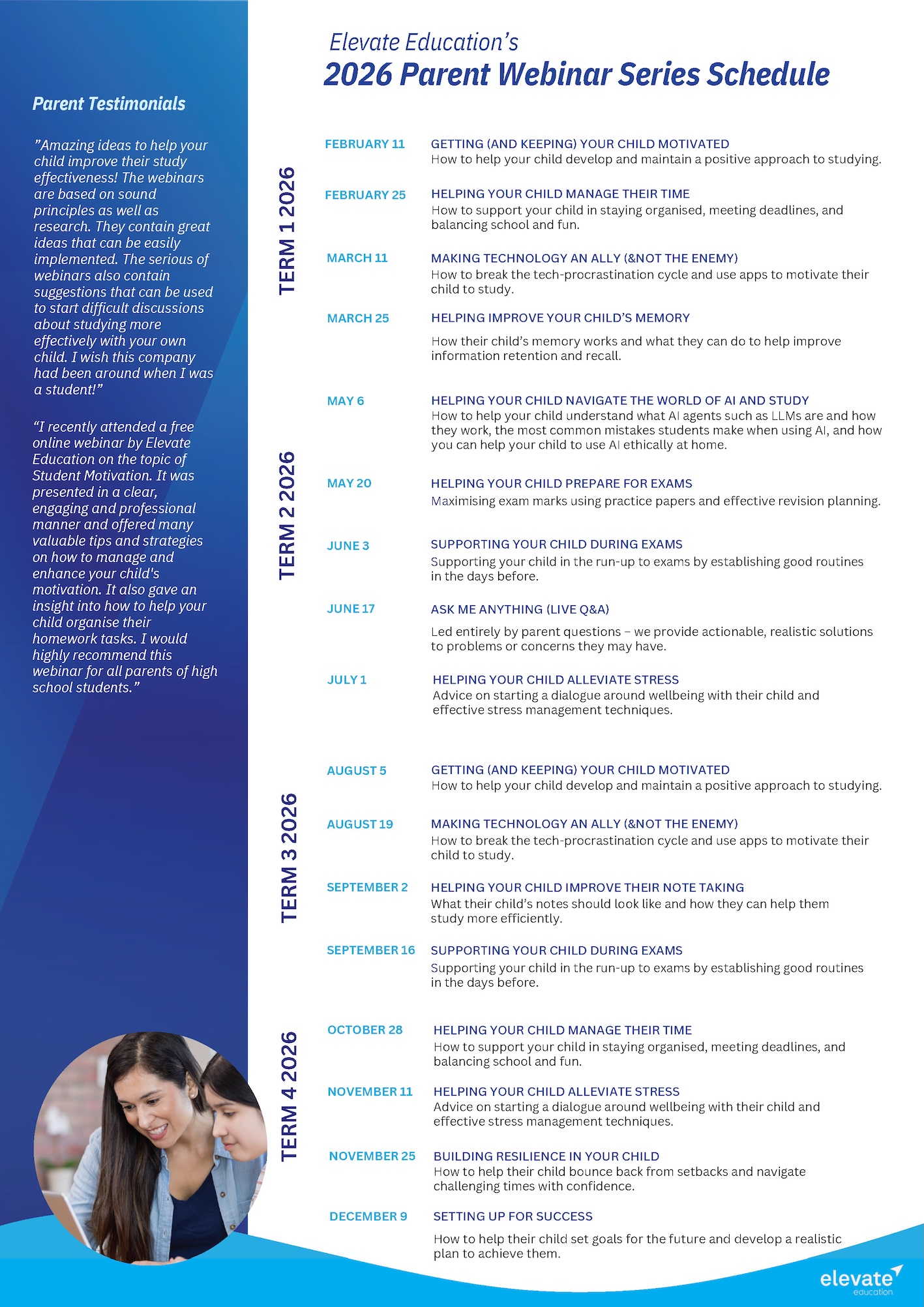
Elevate Education delivers high-impact workshops to our students that help to develop their study skills, motivation, and exam preparation. Over the next term, you’re invited to join their parent webinar series, where you can help support your child at home by reinforcing the skills they’re learning at school.

Teaching for thinking: strengthening the quality of student thinking and understanding
This term, our Teaching for Thinking Program has continued to build momentum as we work to strengthen students’ ability to develop methodical and purposeful approaches to thinking across subjects. A key focus has been helping students respond more effectively to cognitive verbs such as analyse, explain, justify and evaluate by applying the Values of Inquiry. These values, which include standards such as clarity, precision, breadth and cogency, provide both the criteria for high‑quality thinking and the shared language teachers use to give meaningful feedback on student tasks.
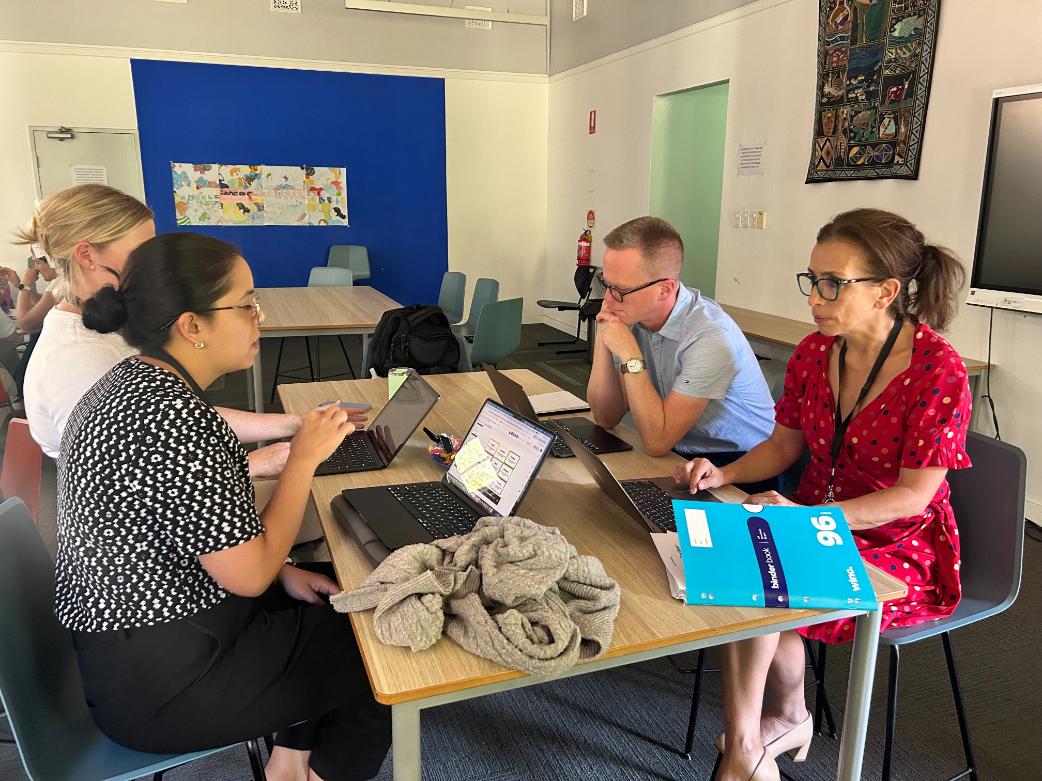
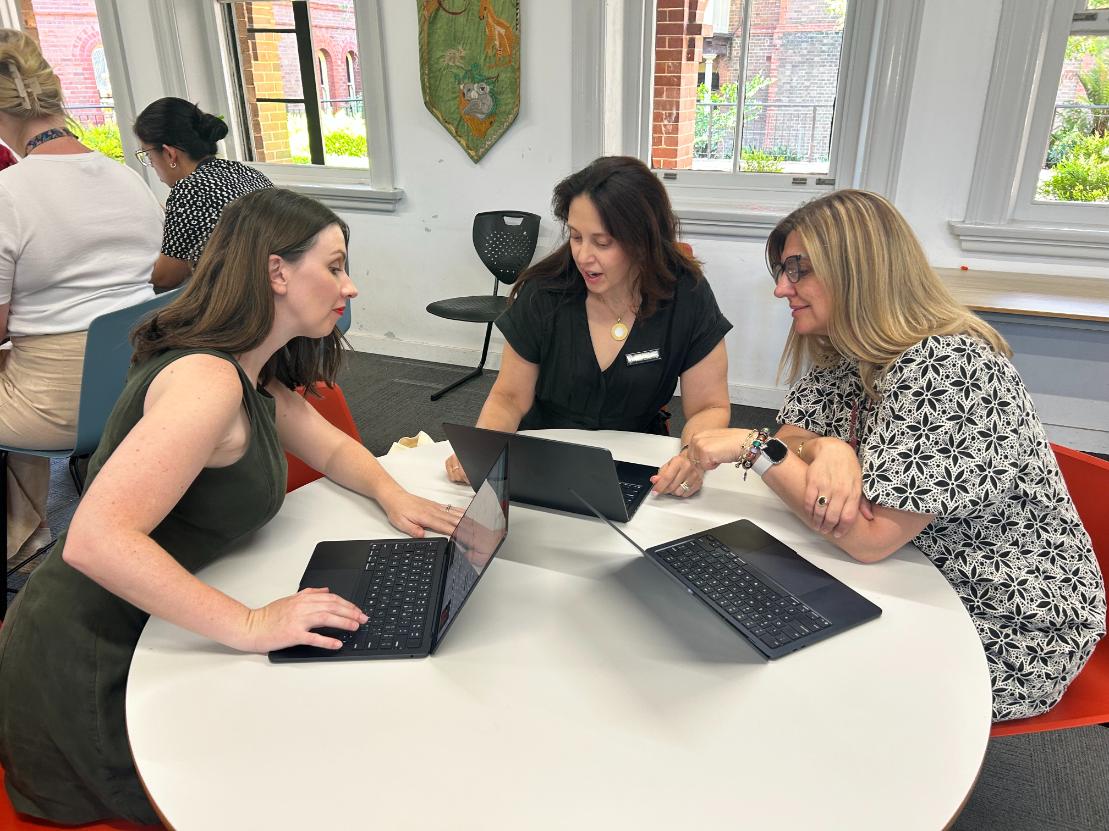
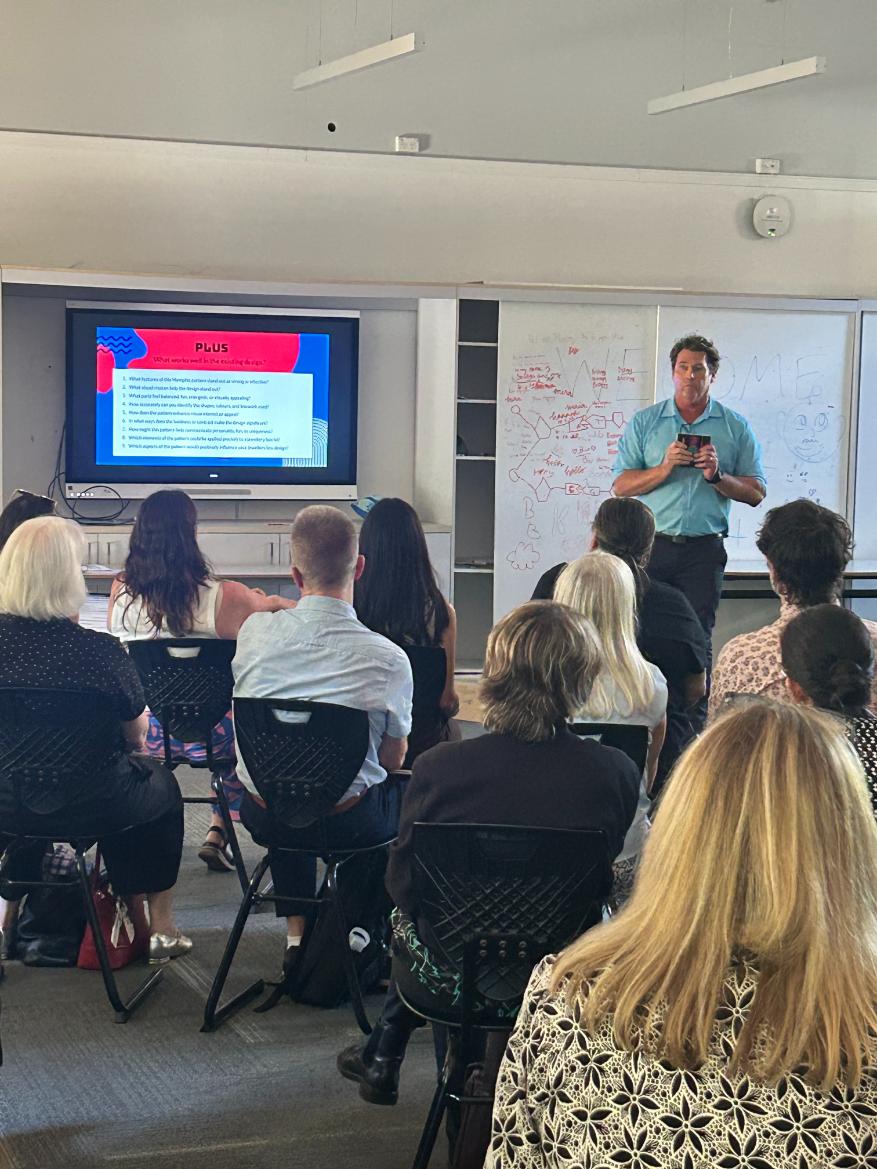
During last Thursday’s professional learning session, staff explored what this approach looks like in practice. Scott Henderson, from our TAS faculty, showcased a series of newly developed Year 8 learning activities designed to teach students how to evaluate a design using these Values of Inquiry. Following this, Kate Corcoran, our Action Research Coordinator, demonstrated how these values align with the NESA cognitive verbs and associated marking criteria that we are all familiar with. She then showed teachers how the Year 9 Geography team has embedded these values to model the analytical thinking and writing process, highlighting the program’s adaptability across disciplines.
Teachers are now working in their smaller inquiry groups to identify areas in their own programs where students often underperform and to consider how similar approaches could lift the quality of thinking as well as the communication of this thinking in those tasks. We look forward to seeing the innovative strategies that emerge as teachers continue designing ways to make the Values of Inquiry visible and actionable in every classroom.
Jacqueline Pugh
Deputy Principal Teaching and Learning