Exploring animals and their habitats at Symbio
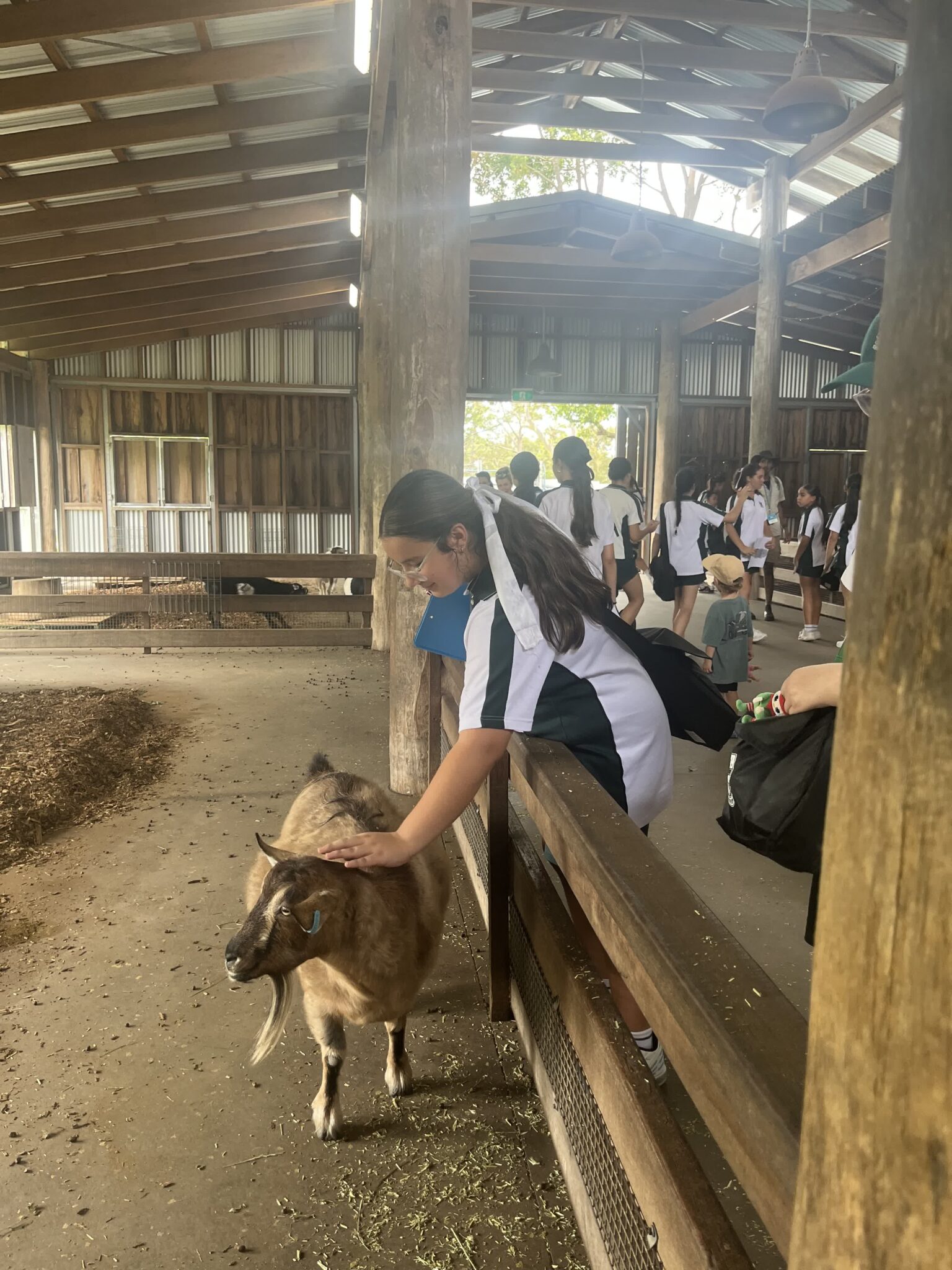
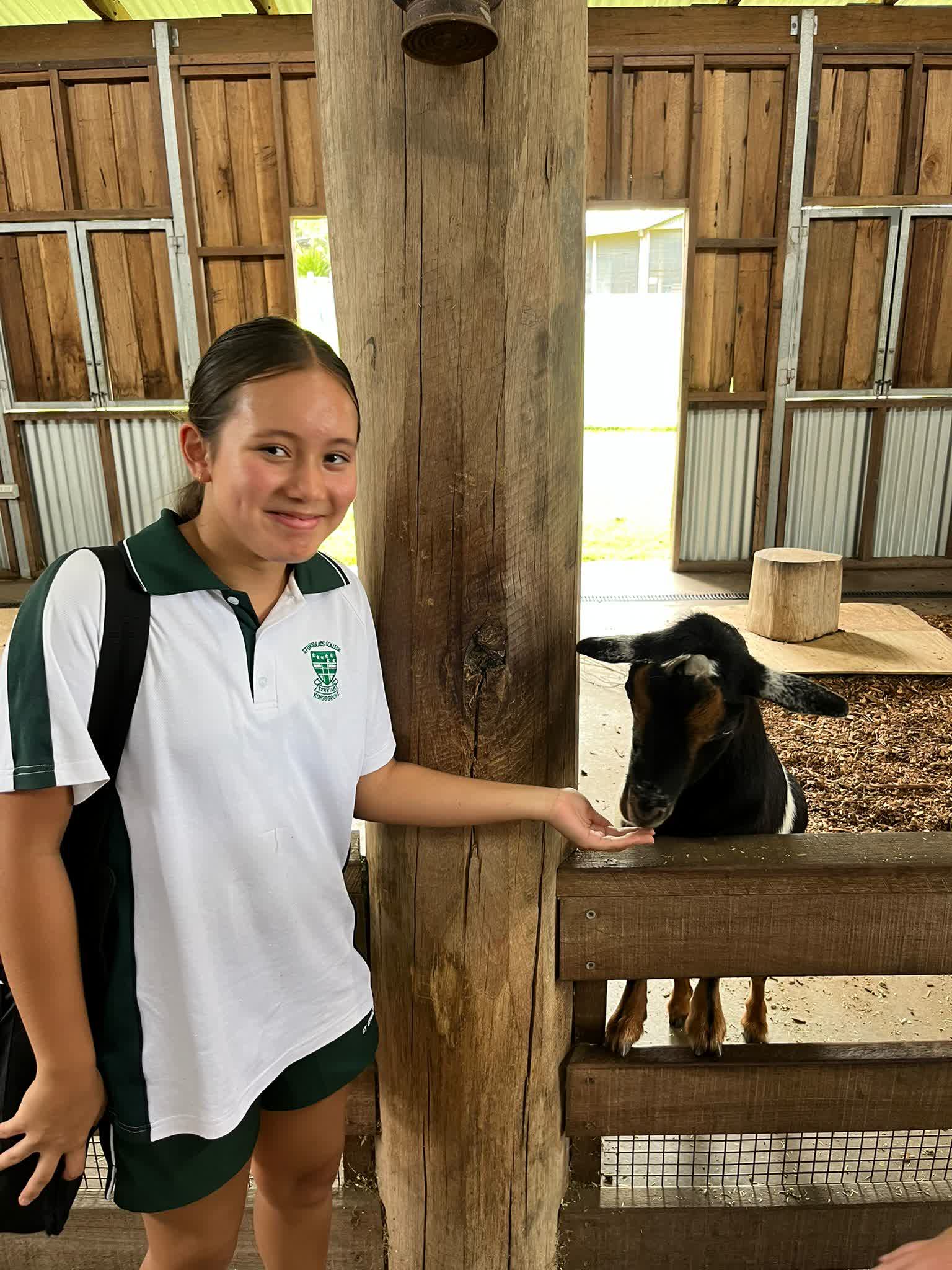
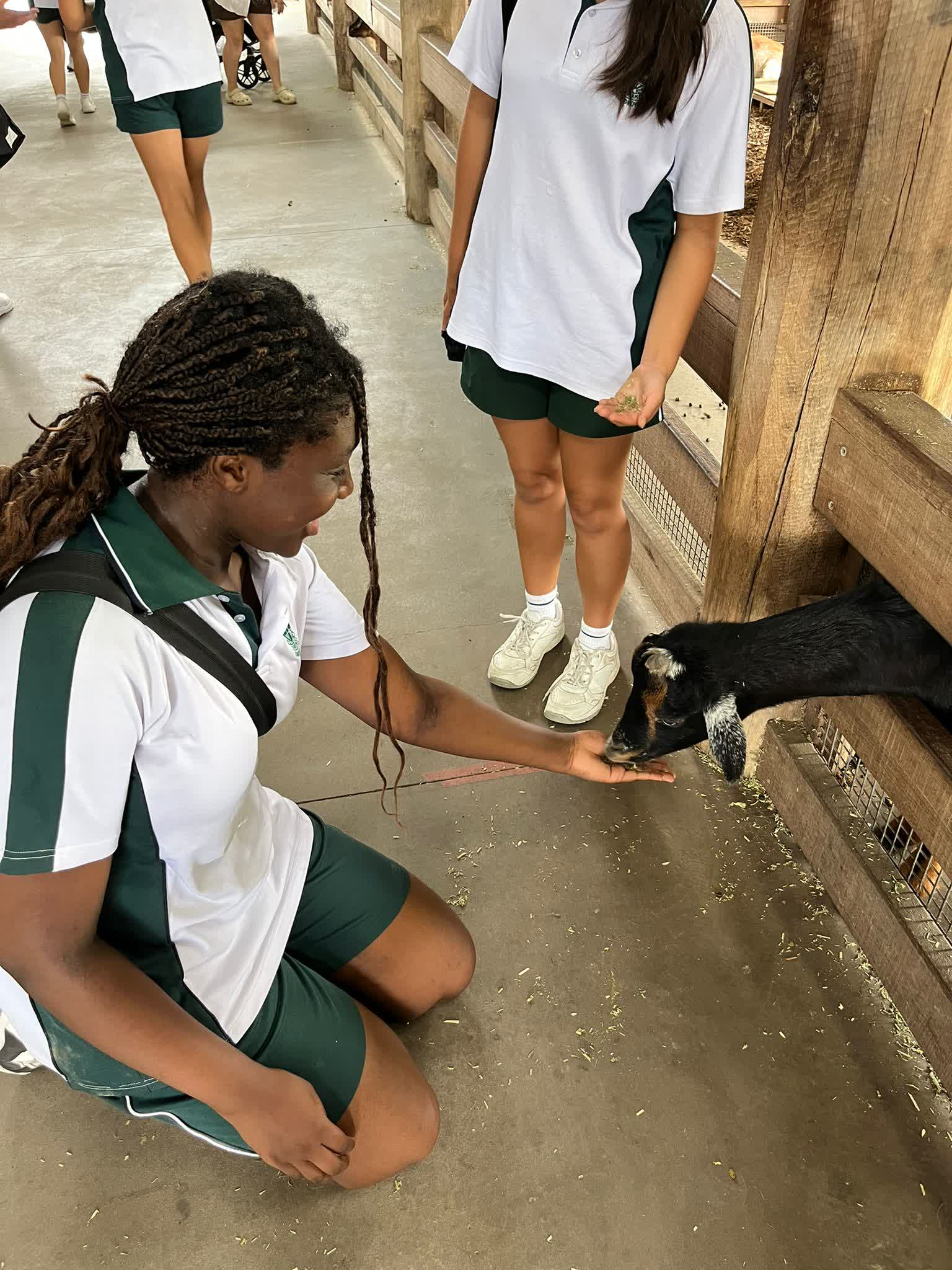
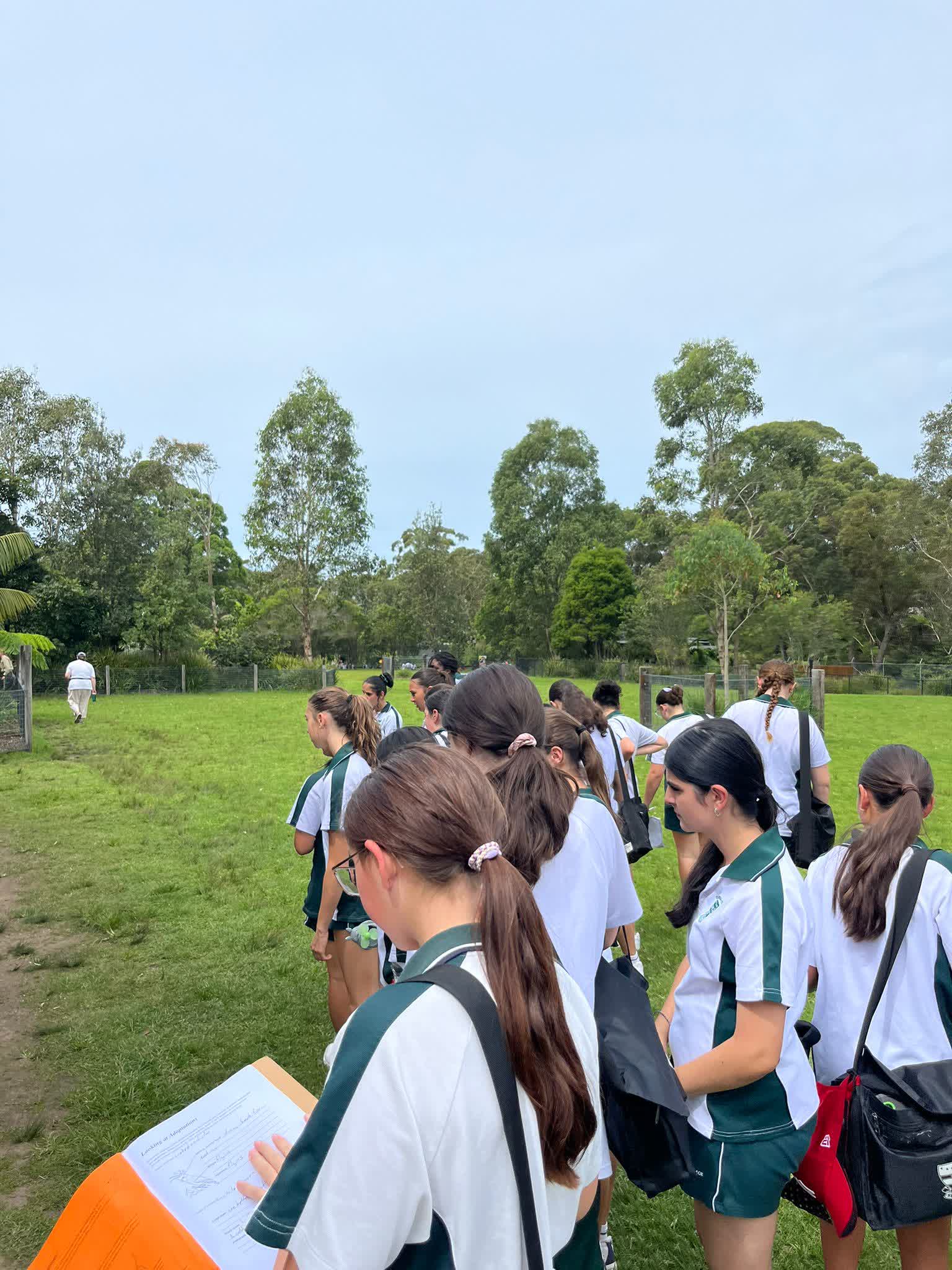
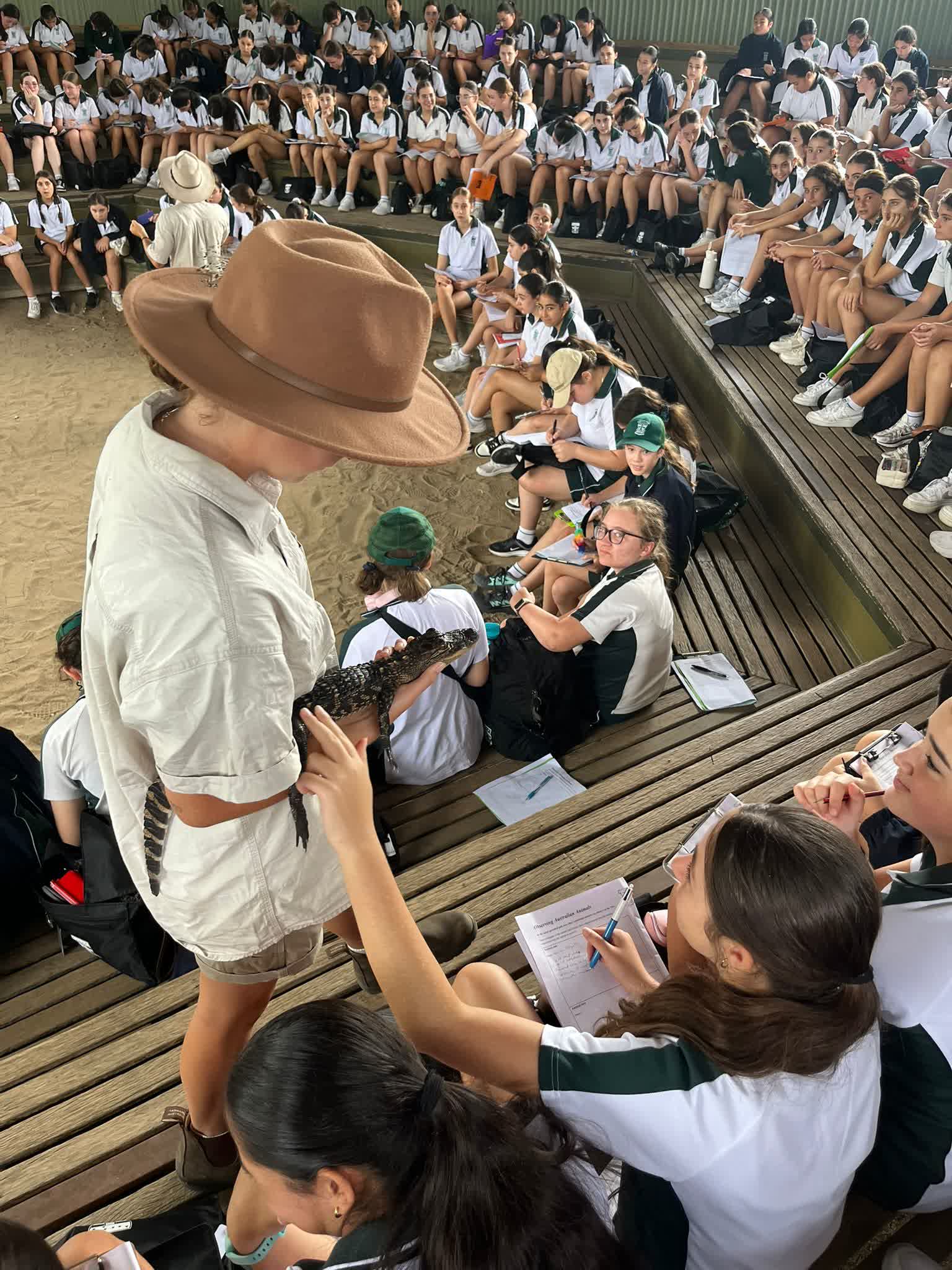
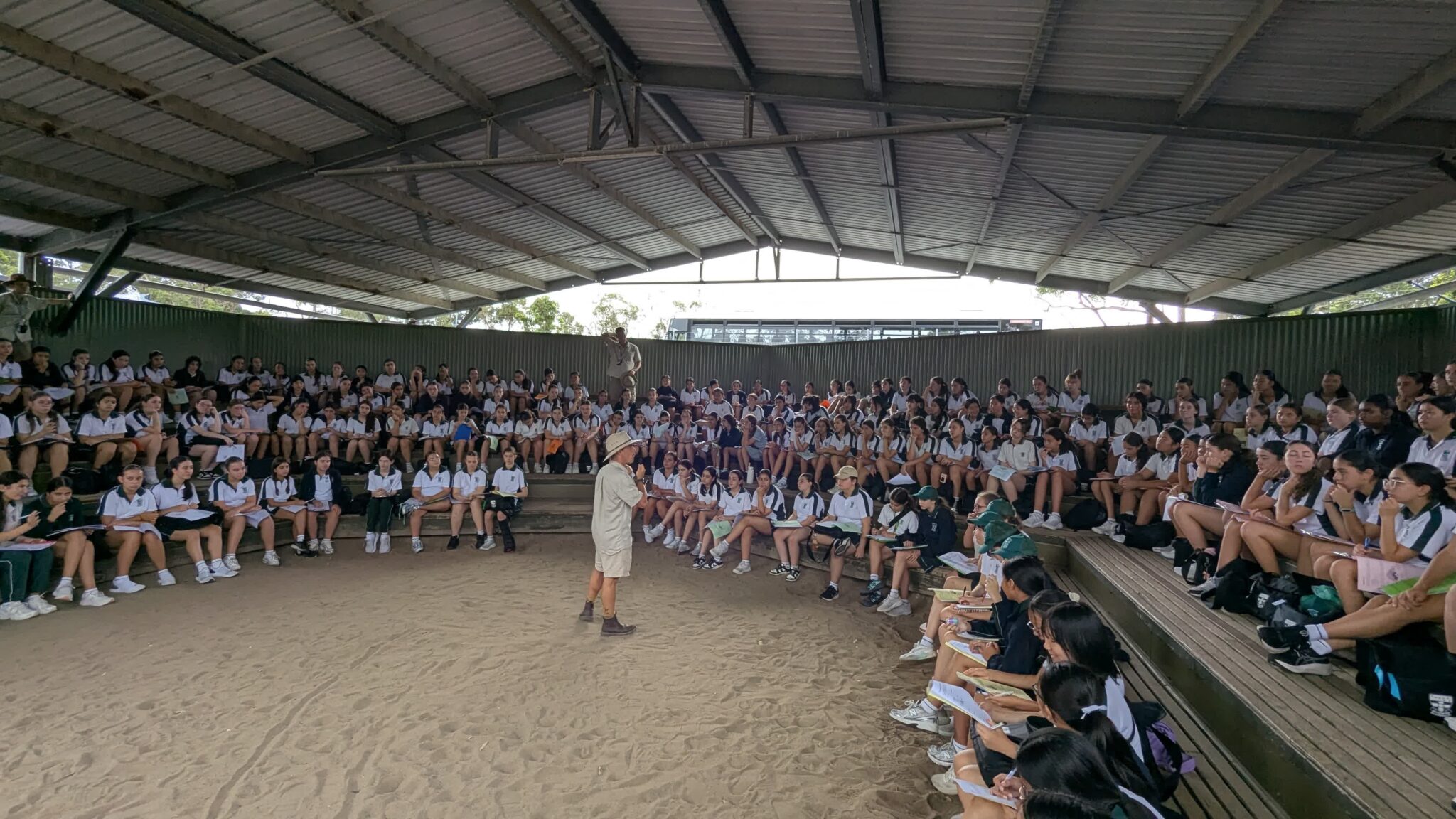
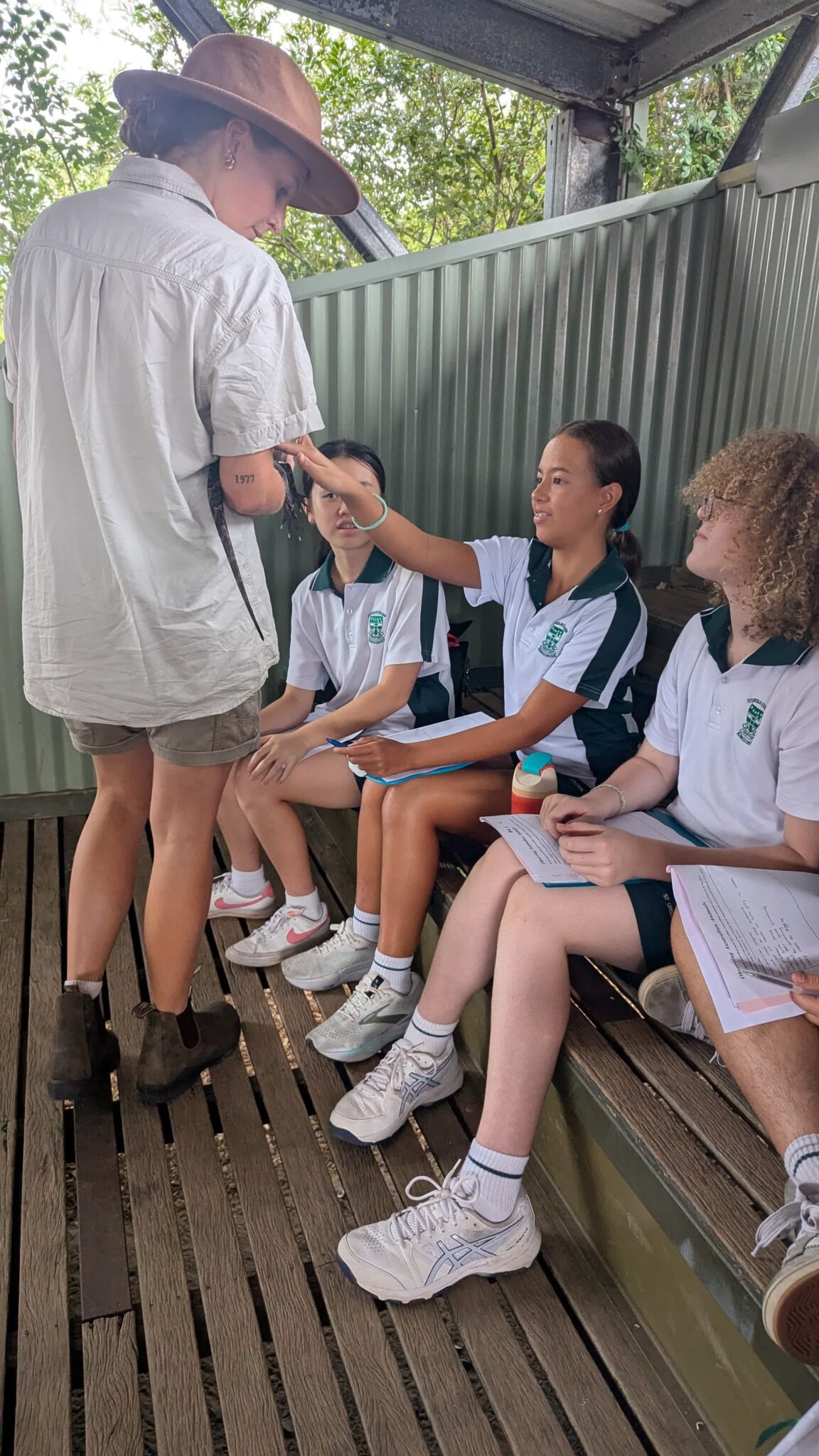
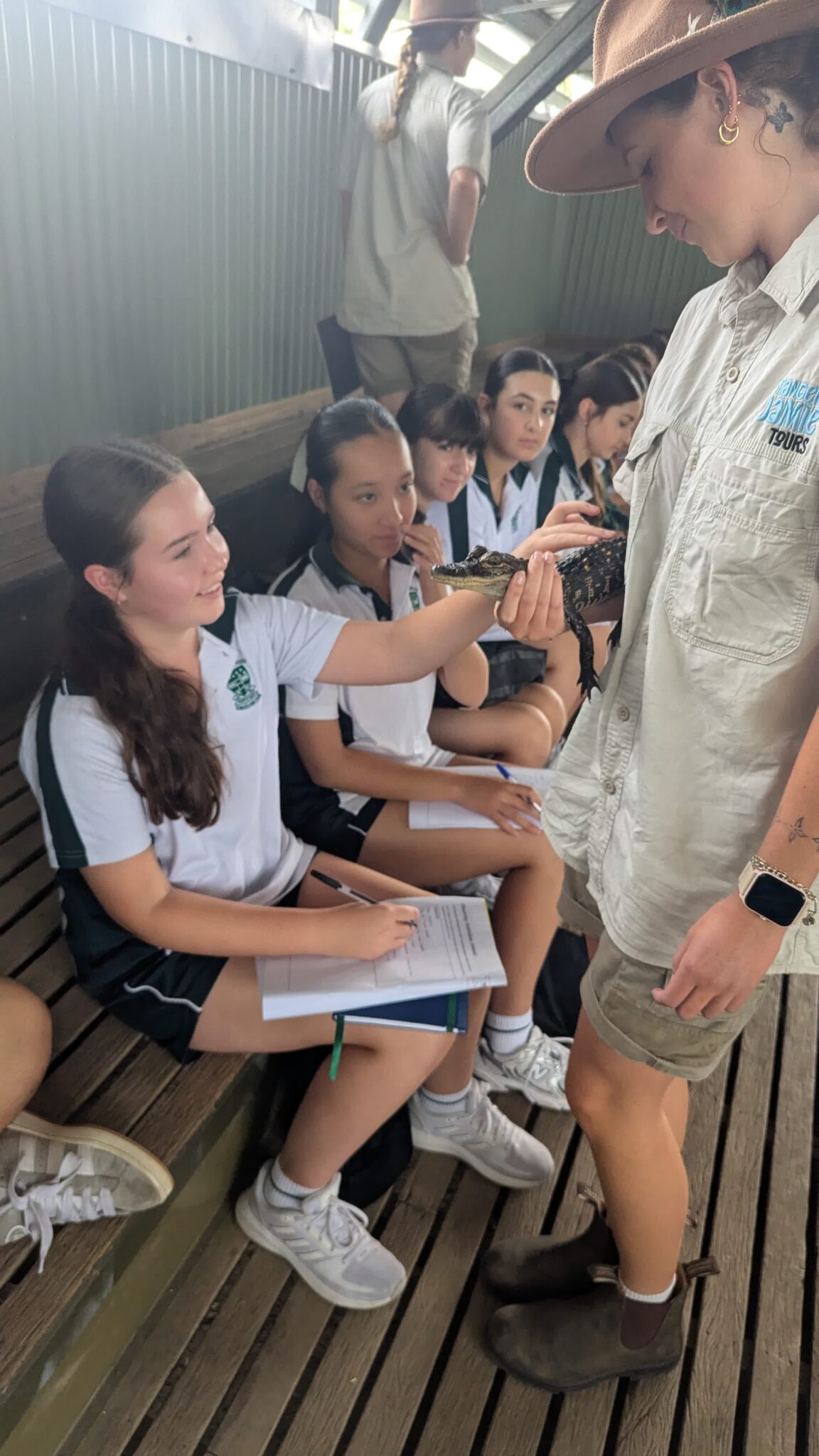
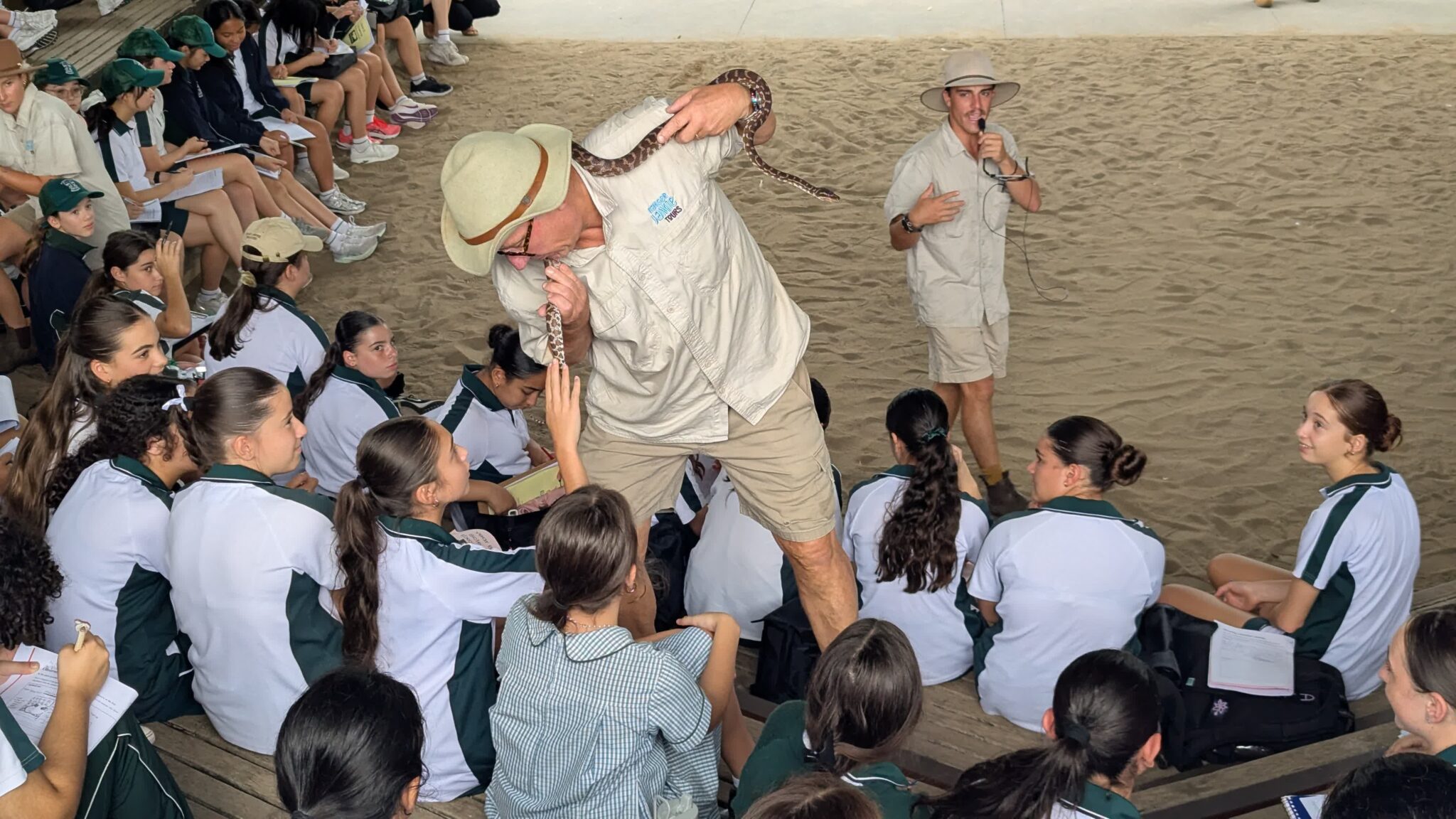
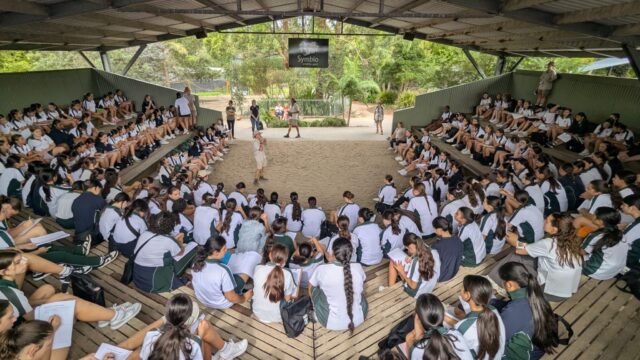
Our Year 8 scientists recently traded the labs for the enclosures of Symbio Wildlife Park, turning the bush into their classroom for the day. Guided by Rangers, our students got up close and personal with pythons, skinks, blue tongue lizards and baby crocodiles during the initial presentation. This helped the students connect the dots between an animal’s specific features and its ability to endure the Australian climate, making the science feel much more real life. The classes then went off with their specific ranger to go for a Native Animals Walk or Exotic Animals walk, whilst learning about structural, behavioural and physiological adaptations.
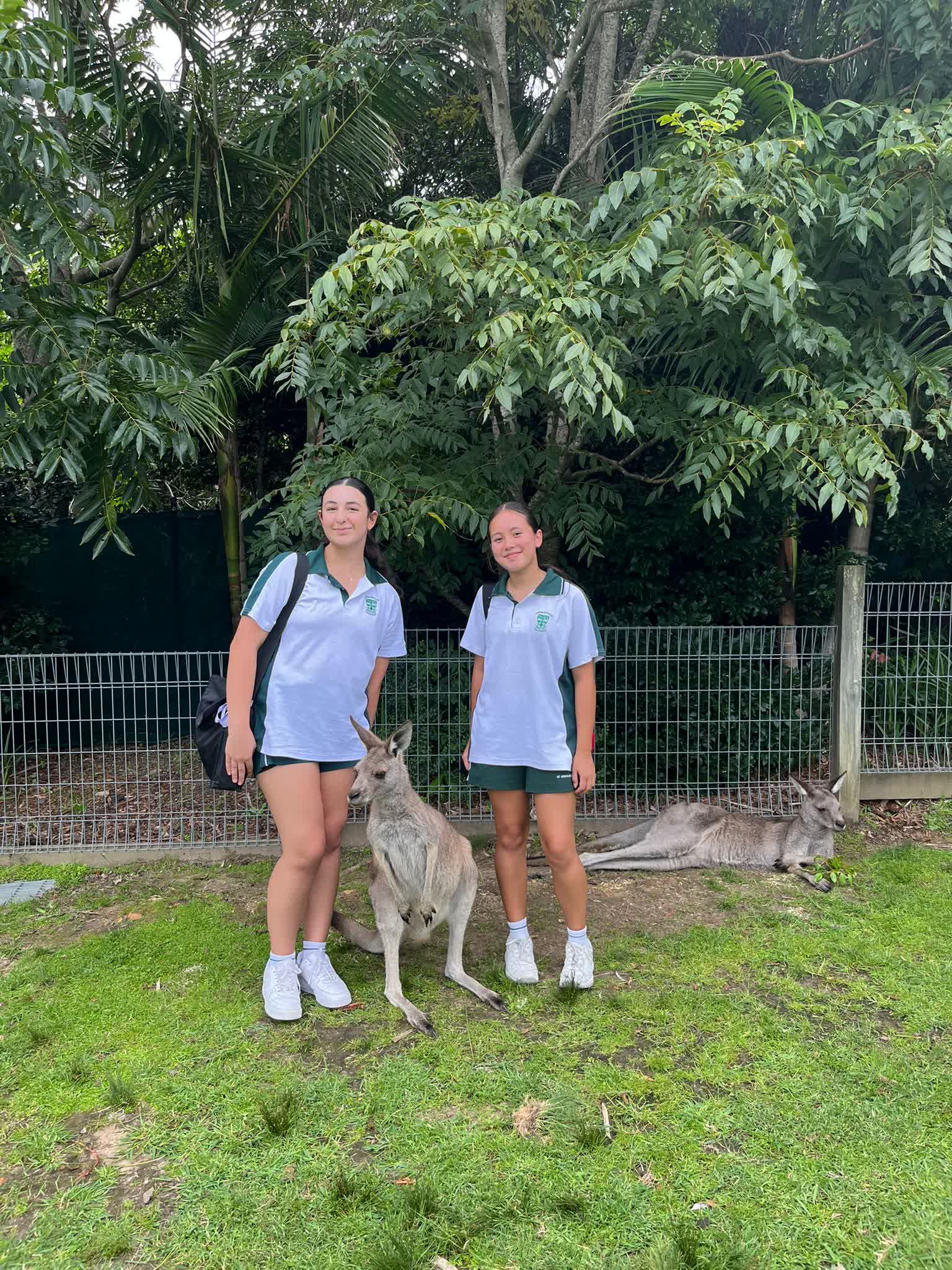
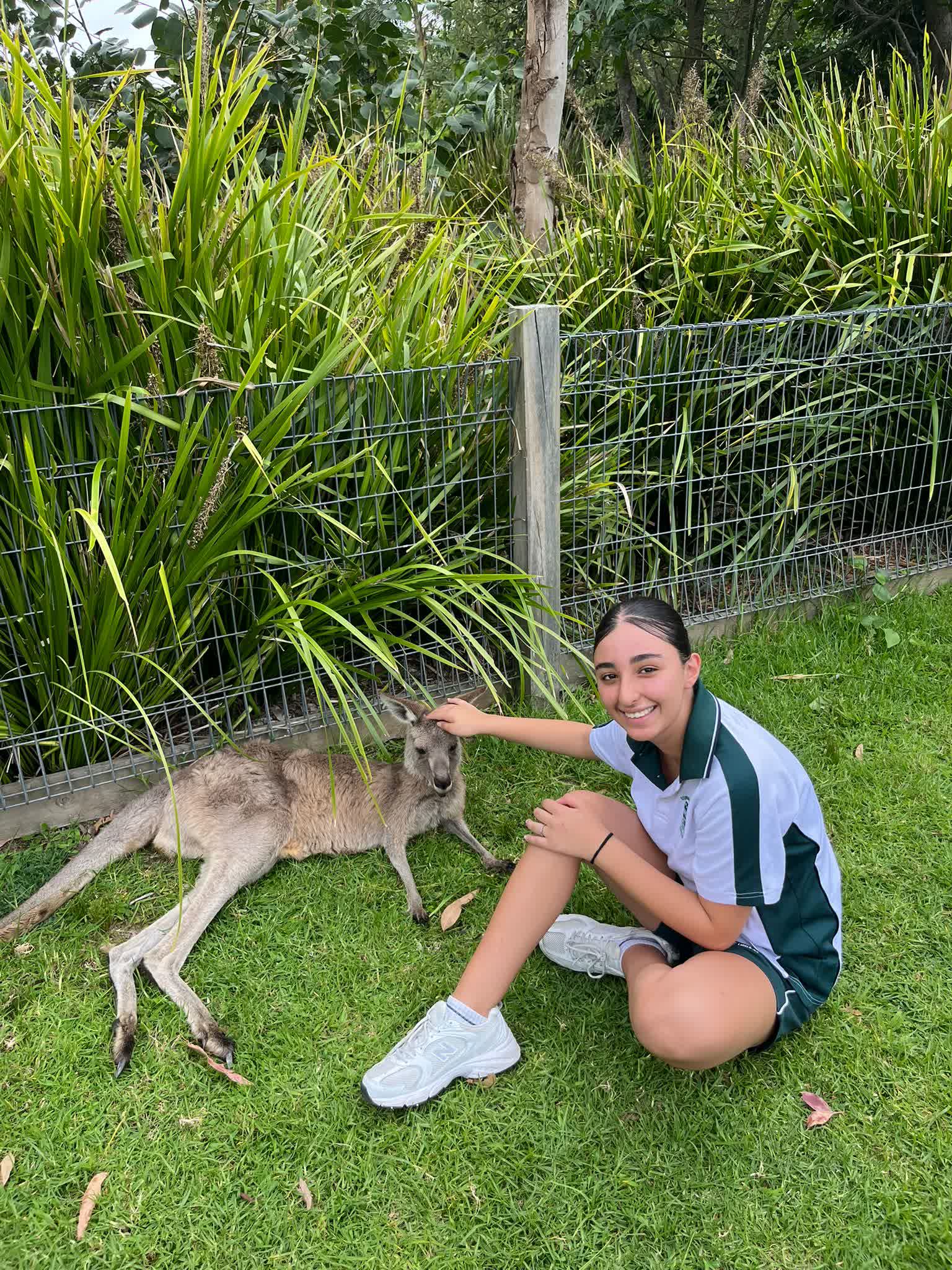
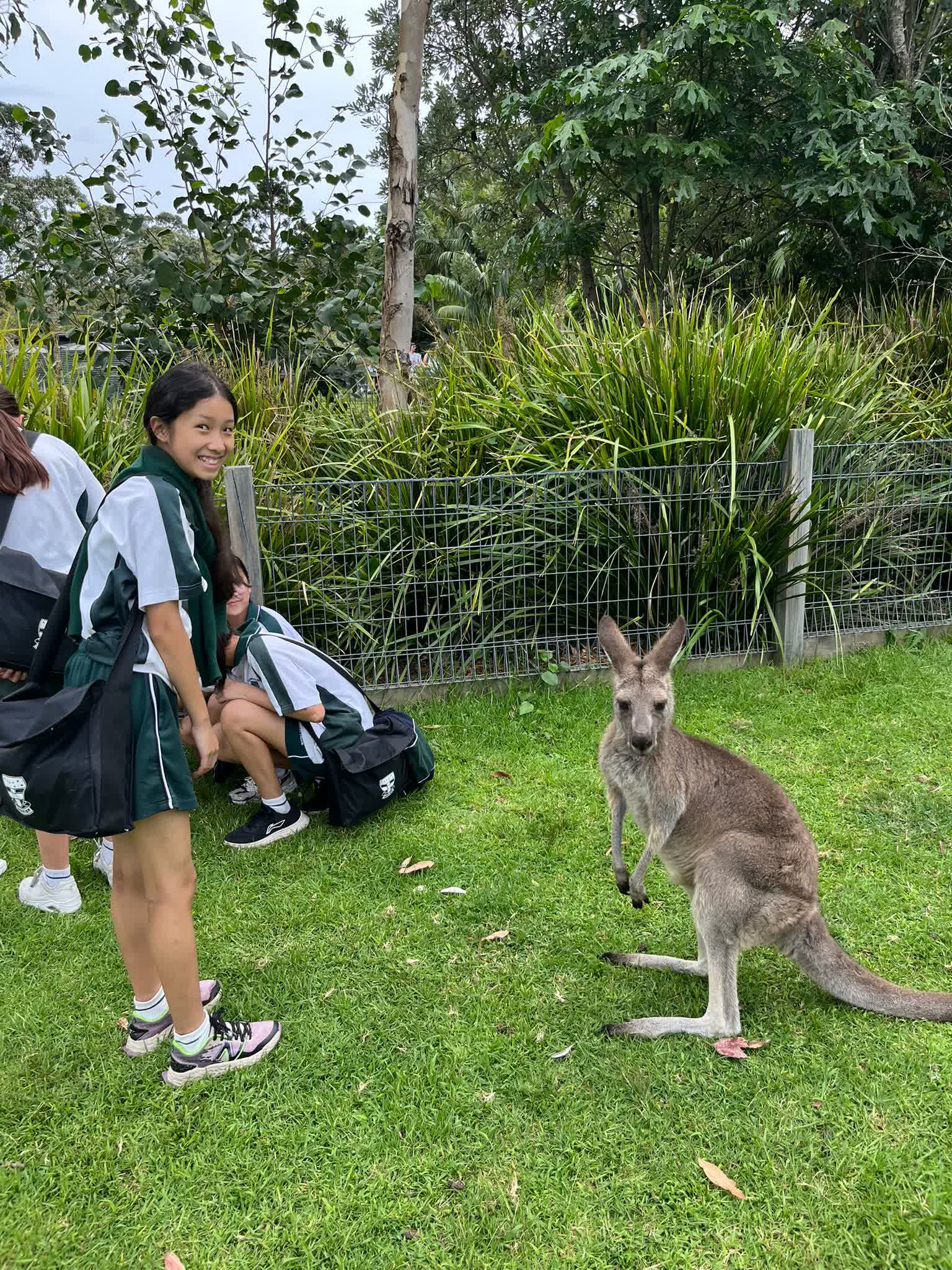
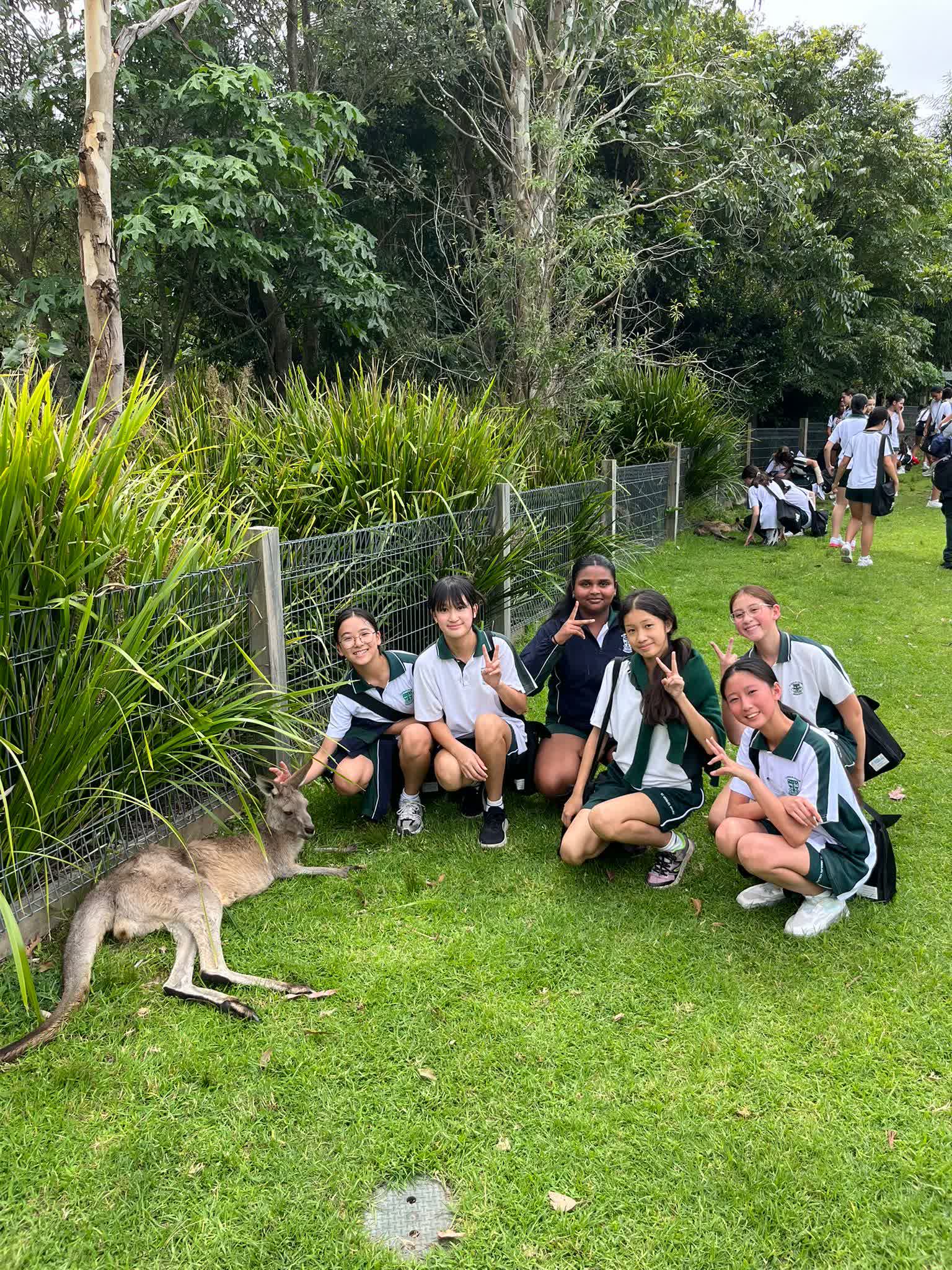
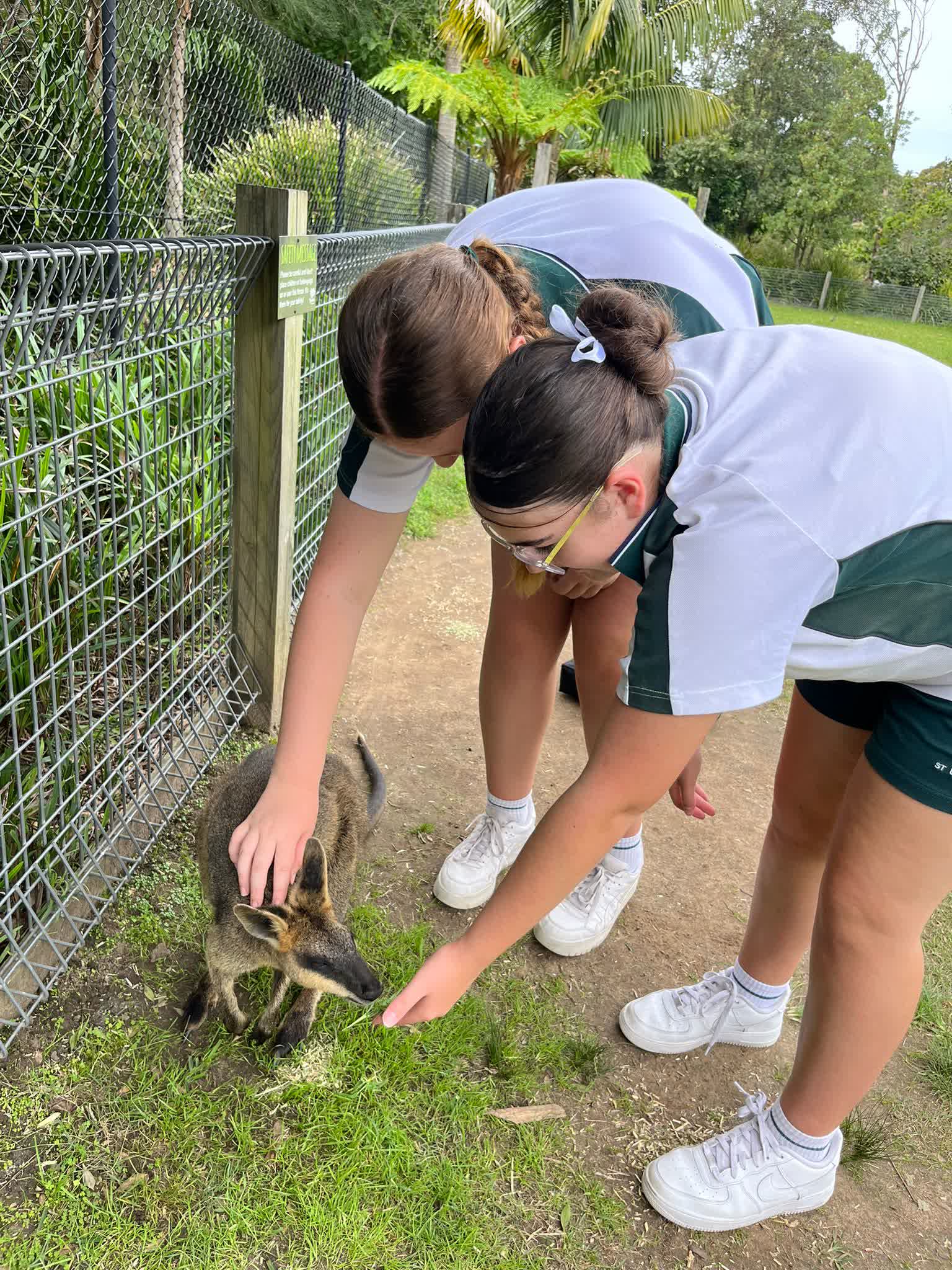
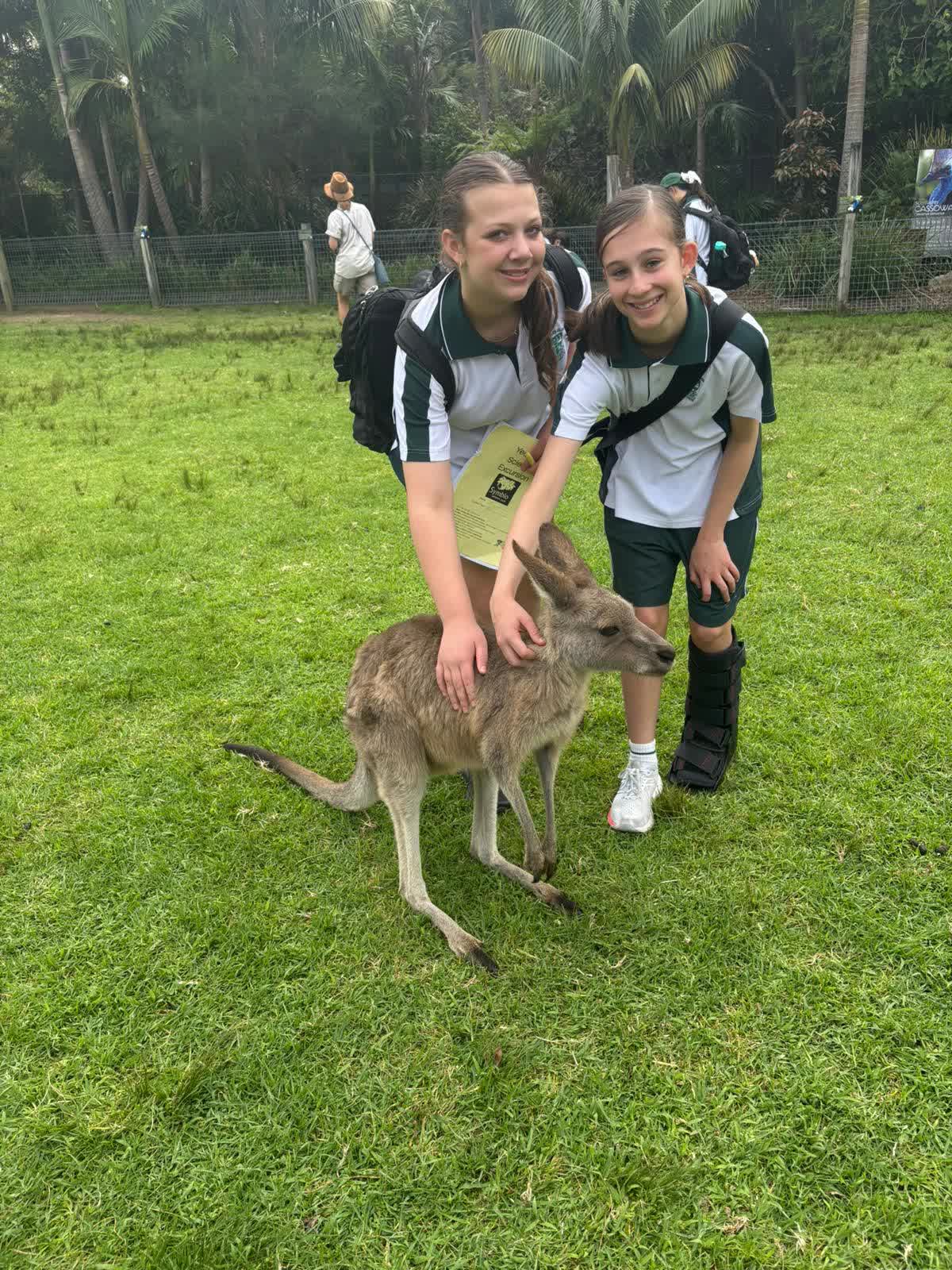
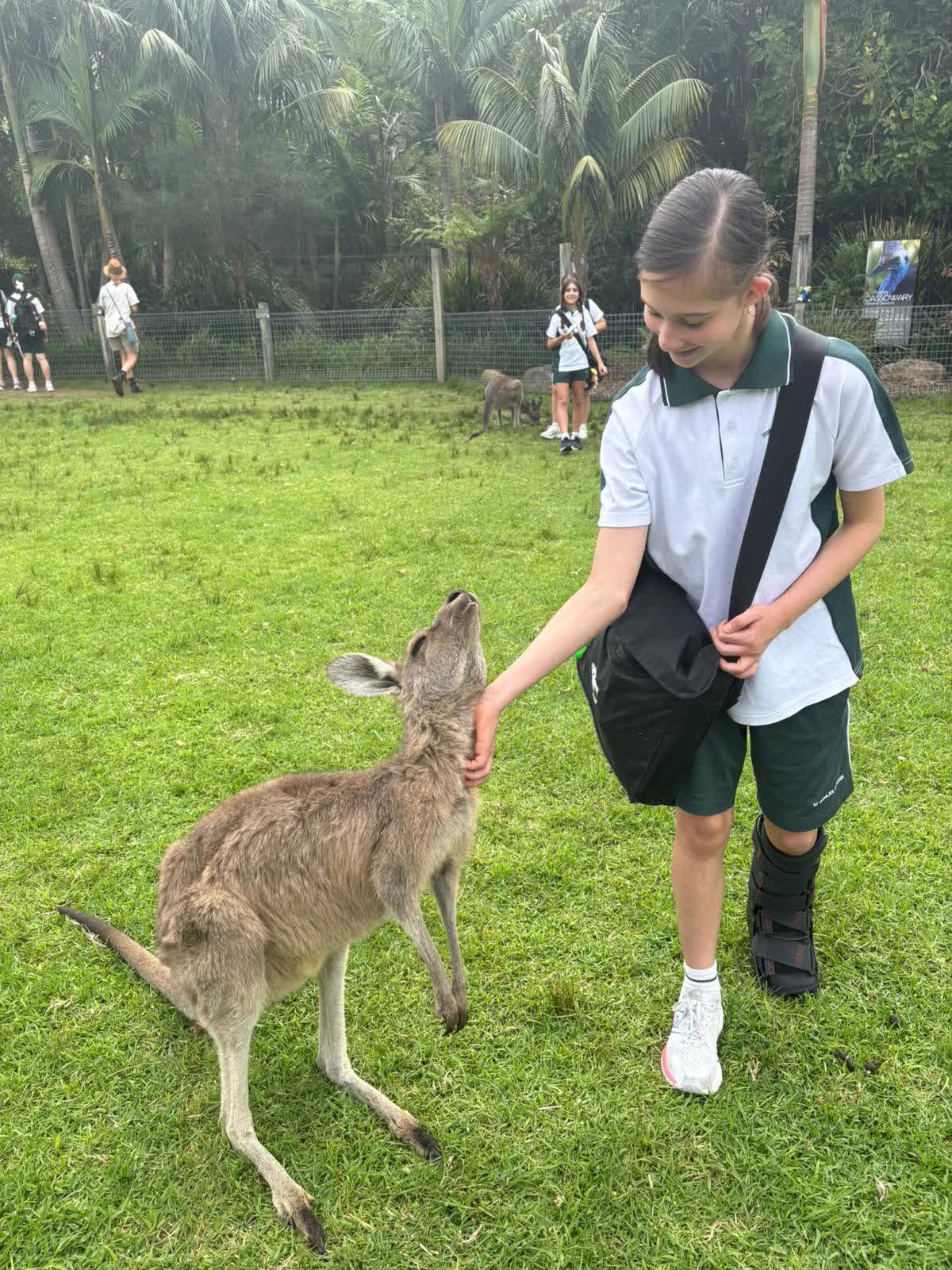
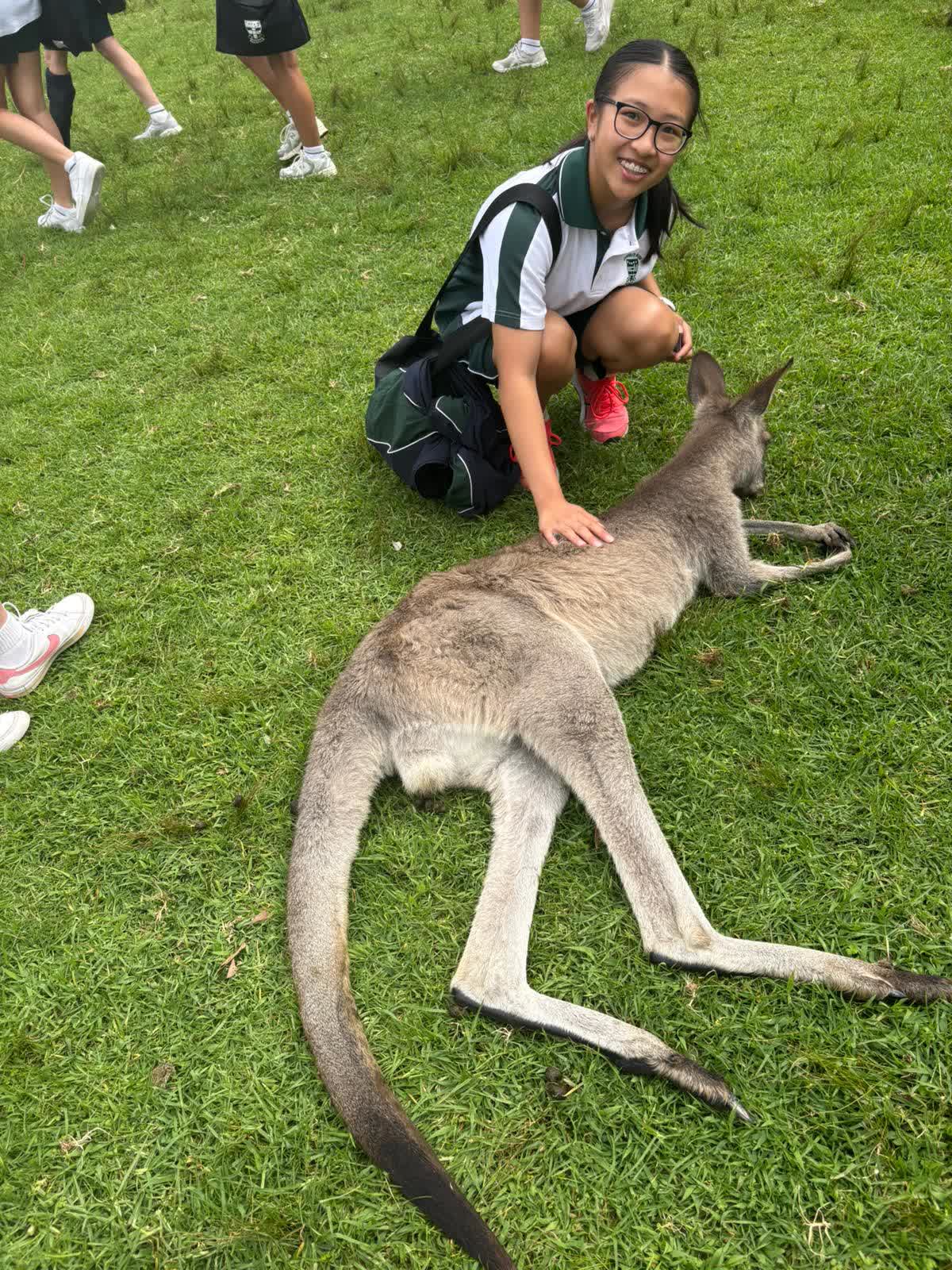
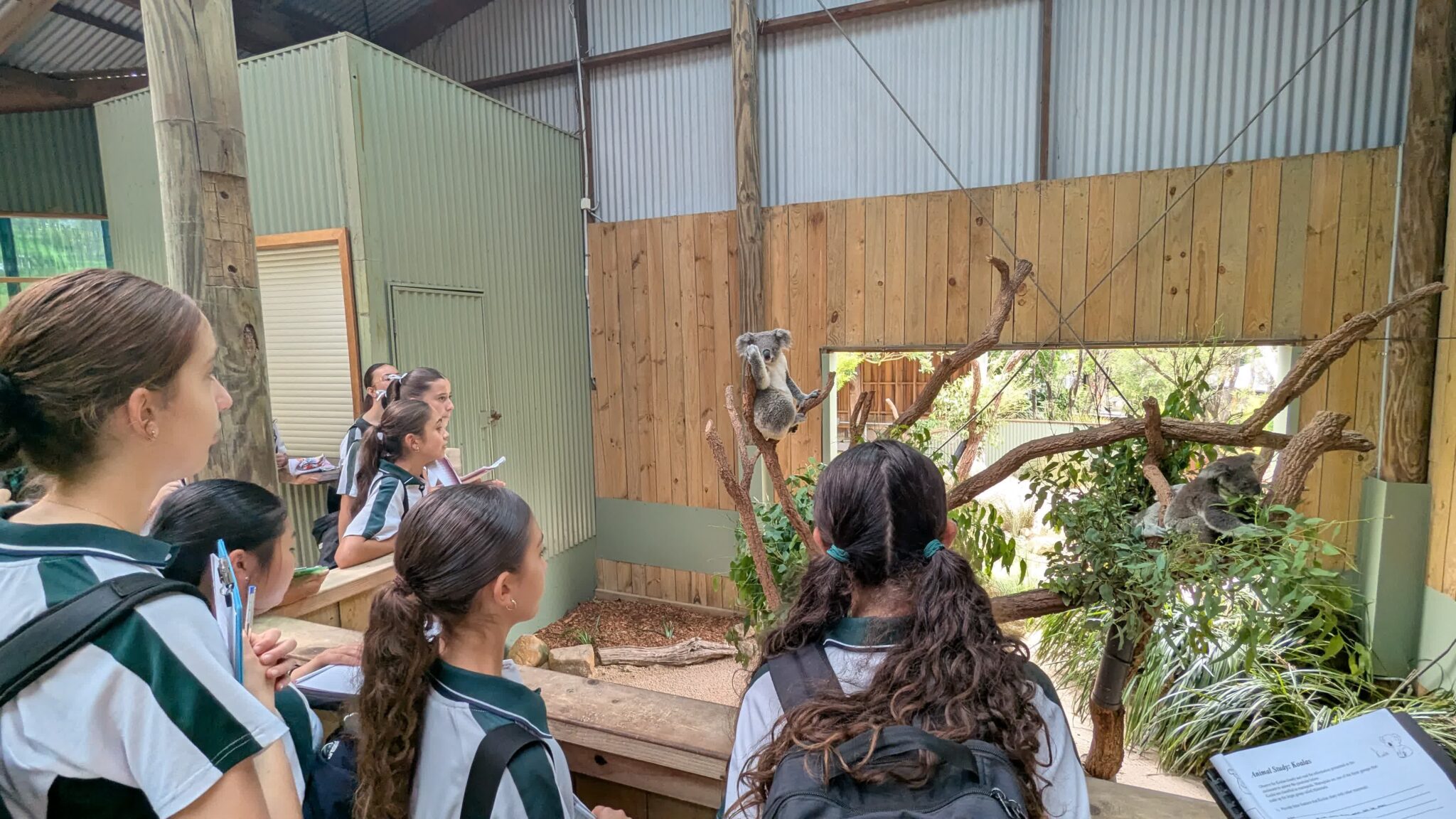
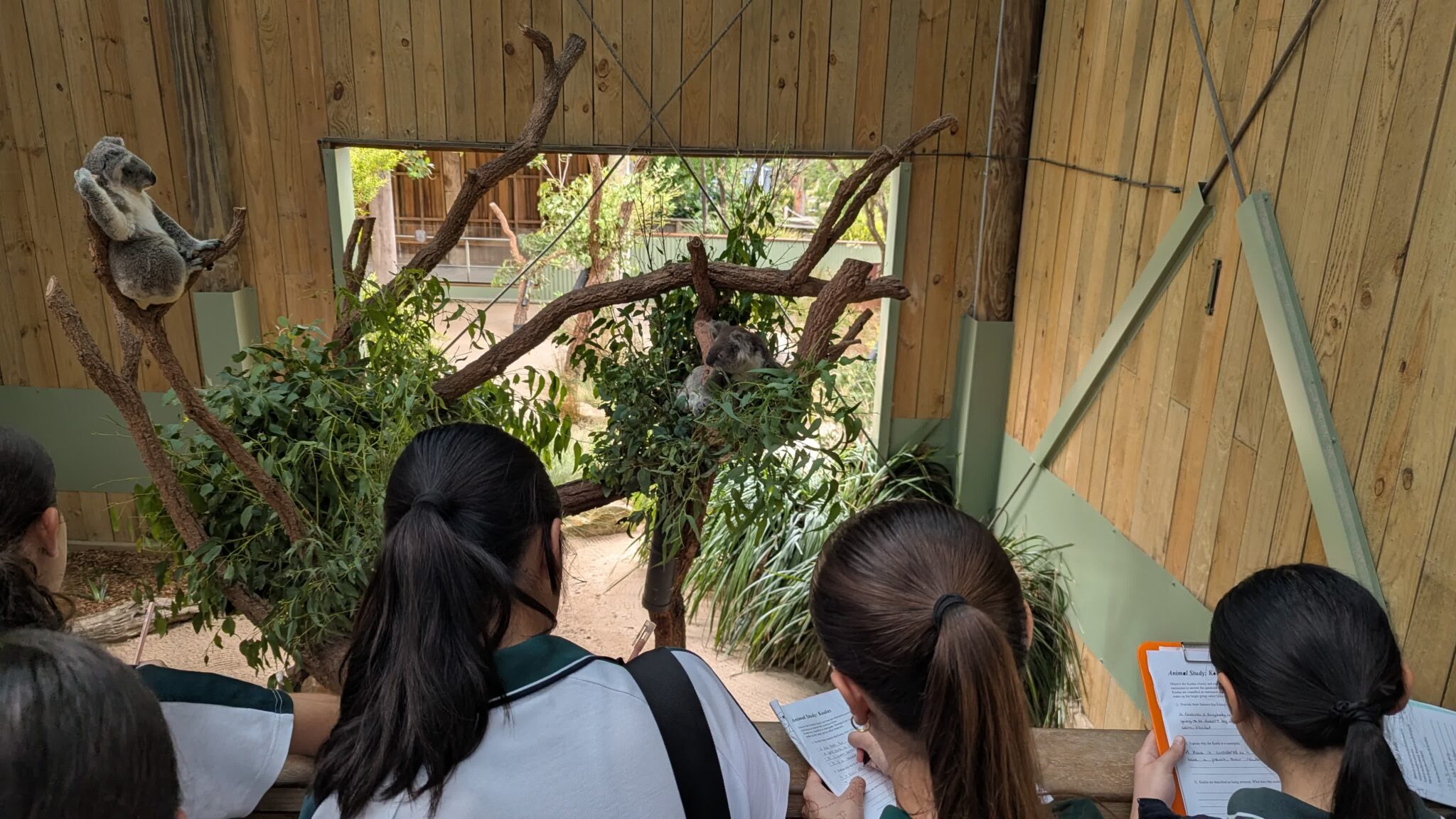
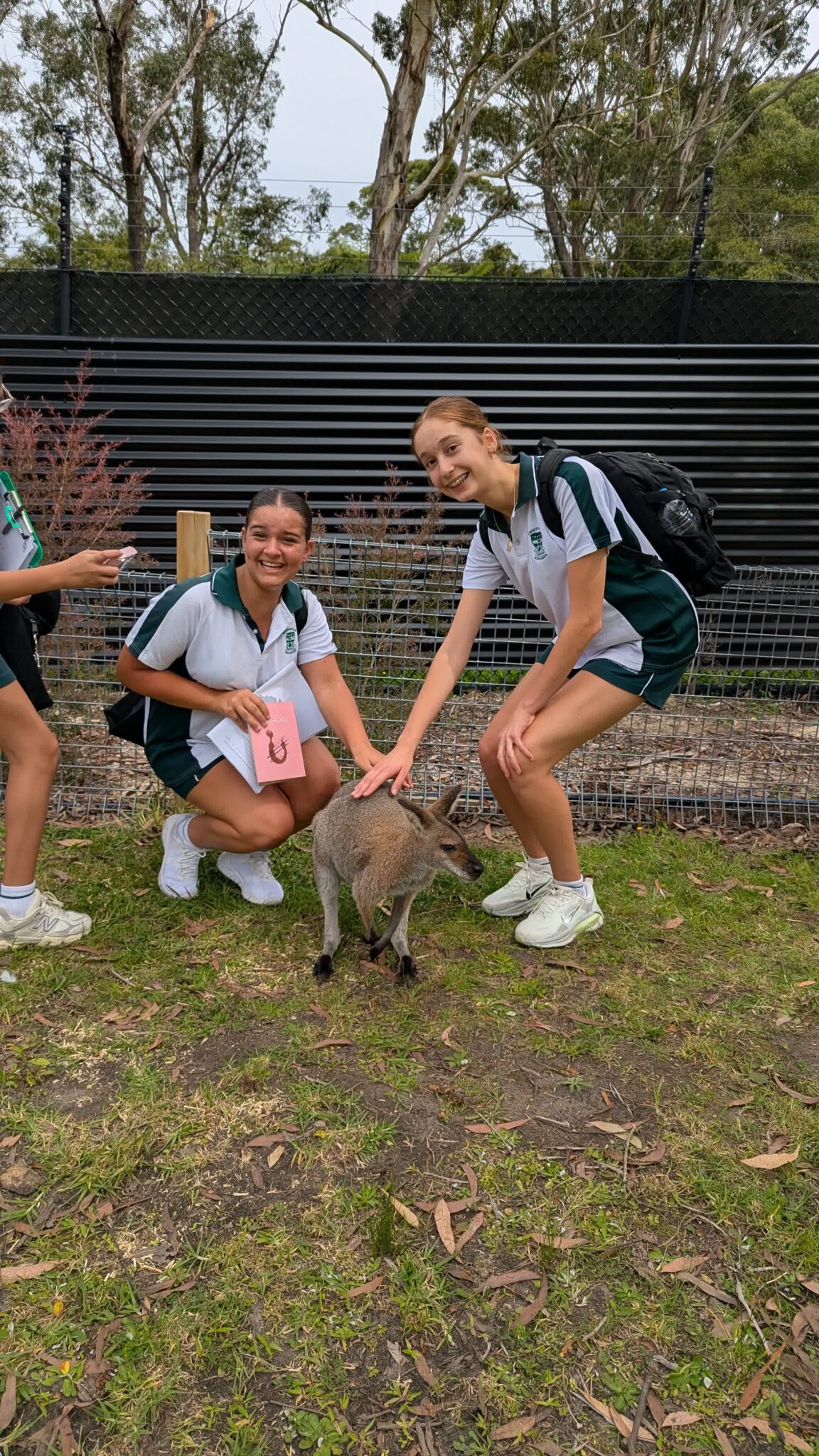
On the Native Animal Walk, students had the opportunity to interact closely with local wildlife, including Koalas, Eastern Grey Kangaroos, and Swamp Wallabies. They also explored the Tasmanian Devil enclosure and reptile house. Year 8 students gained significant insight into Symbio’s participation in ‘Breed to Release’ programs, specifically focusing on two endangered native Australian animals: the Green and Golden Bell Frog and the Bellinger River Snapping Turtle.
Overall this excursion was a great day of learning which left the students with a far deeper appreciation for biological diversity of our native ecosystems.
Joshua Cutrupi
Science Coordinator
Two Year 8 students reflect on their experience at Symbio:
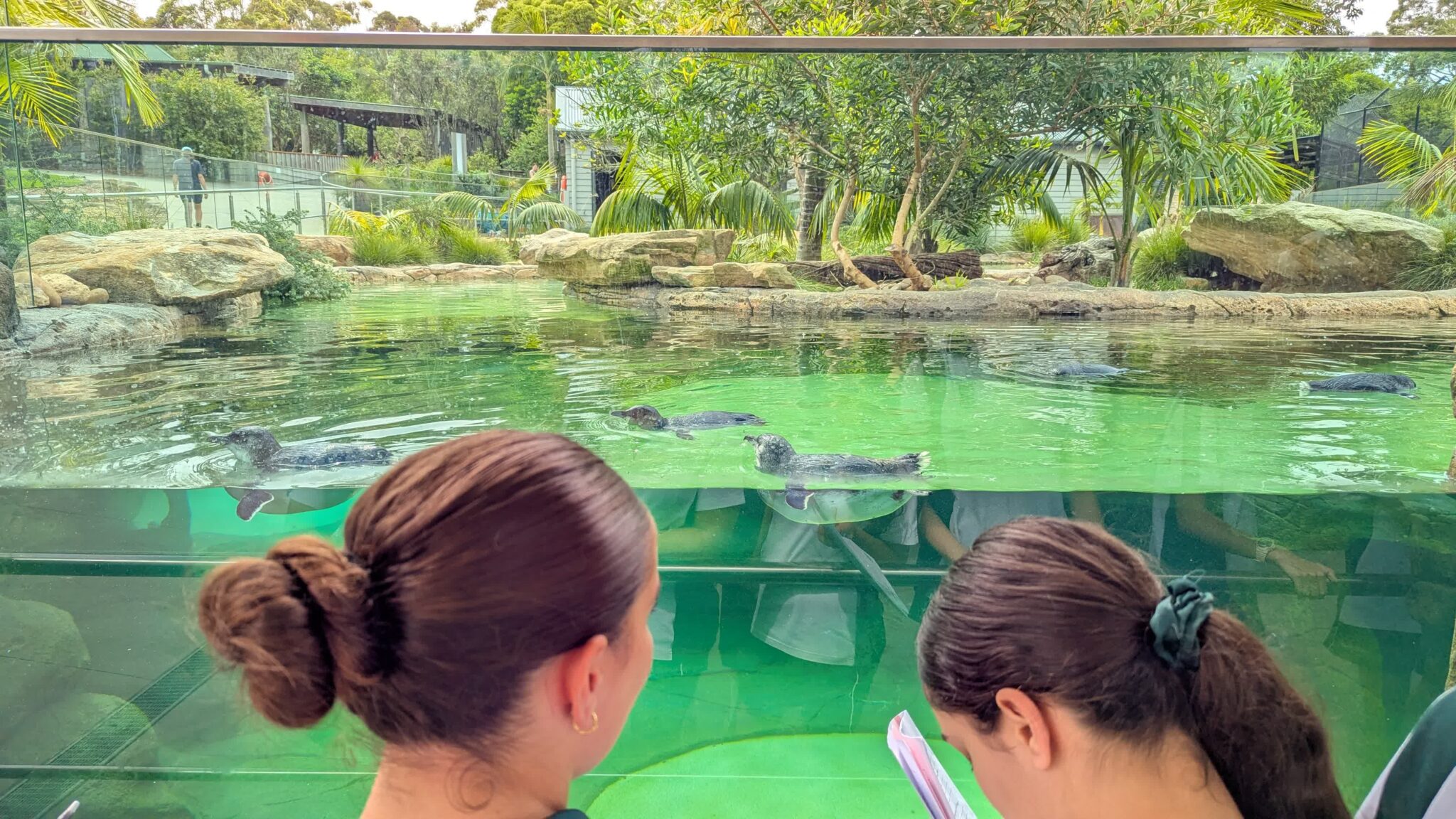
The excursion to Symbio was able to deepen our learning of animals and their adaptations. It was a very eye opening experience, learning and seeing how our own native animals learnt to survive over the generations. We got to see many animals and even pet some of them, including the red panda, kangaroos, penguins, tasmanian devils, koalas, and a whole lot more reptiles and amphibians. We learnt about how different animals live in different habitats and climates, and what adaptations they developed over generations to suit their living conditions. For example, reptiles have scaly skin to keep moisture in hot and dry climates, and baby koalas eat their mother’s poop because it has a lower concentration of toxicity than normal eucalyptus leaves. Overall, it was a very fun and informative experience and I really enjoyed learning about these animals!
Chelsea Serrano
Year 8
At the Year 8 Science excursion to Symbio Wildlife Park, we were able to immerse ourselves in the native Australian wildlife, and learn about their adaptations for survival. We were able to touch various animals, including native reptiles and kangaroos. We were led by various tour guides who taught us about the different animals we were able to observe and the programs that the wildlife park participates in to ensure the survival of endangered species. Overall, it was a unique experience that deepened our understanding of native animals and their habitats.
Amelia Faddoul
Year 8