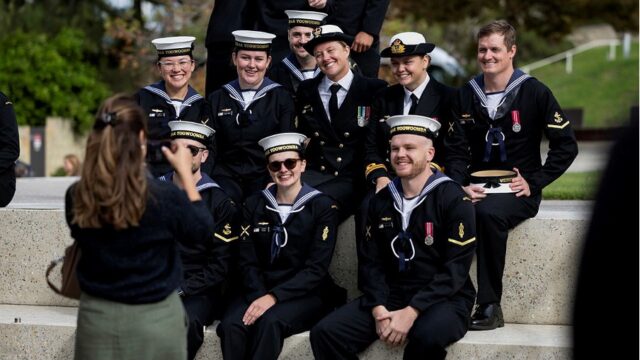
Shinead Surmon – Weapons Electrical Engineer!
Former student, Shinead Surmon from the Class of 2018 tells us her exciting story of how she discovered a wonderful career in STEM and became a Lieutenent in the process!
Can you share your study/career journey since leaving St Ursula’s?
I joined the Royal Australian Navy in January 2019 where I moved down the HMAS Creswell, in Jervis Bay to begin my military career at the Royal Australian Naval college. I spent the first 6 months completing initial officer training where there was a focus on leadership development, resilience, physical fitness, sea survivability and core military skills.
Upon completion of this course I then moved over to Perth, Western Australia, for three months where I got to work alongside the electronic technicians at the fleet support unit, before getting the opportunity to move once again to Cairns, to join my first ship HMAS Melville. I spent the last three months of 2019 onboard Melville and had some incredible opportunities including sailing across to Tonga and Fiji to assist with hydrographic training for their respective navies.
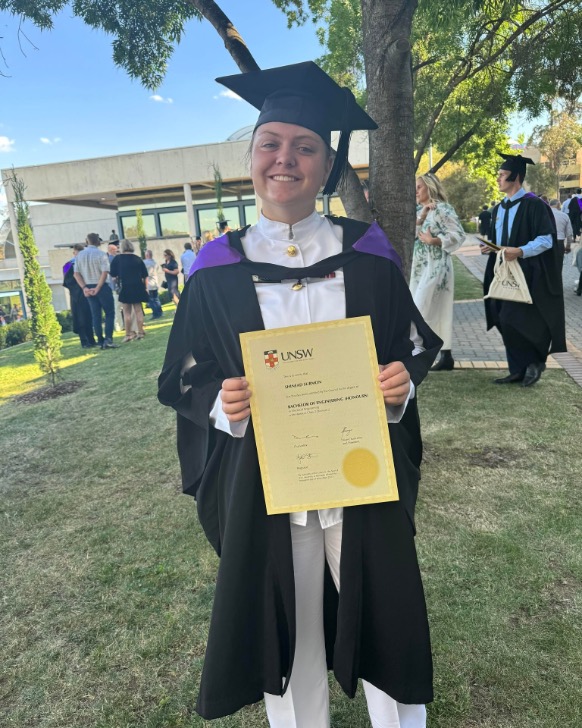
In 2020, I moved to Canberra to join the Australian Defence Force Academy (ADFA) to begin my tertiary studies. ADFA is a military tertiary education institute where members from the Navy, Army and Airforce complete a degree through the University of New South Wales, whilst continuing their military training. I undertook a Bachelor of Electrical Engineering (Honours) , completing my thesis in the comparison and design of different machine learning neural networks for electrical load forecasting. Outside of studies, ADFA offered a wide range of different sports and extracurricular activities. I had the opportunity to compete in sports such as sailing and snowboarding, representing the Navy in inter-service competitions against the Army and Air Force.
Upon graduation from university in December 2023, I moved down to HMAS Cerberus, located on the Mornington peninsular in Victoria where I completed the Engineering Officers Application Course. In this course I learnt the fundamentals of how to be a Weapons Electrical Engineer, translating what I learned through university into the naval environment.
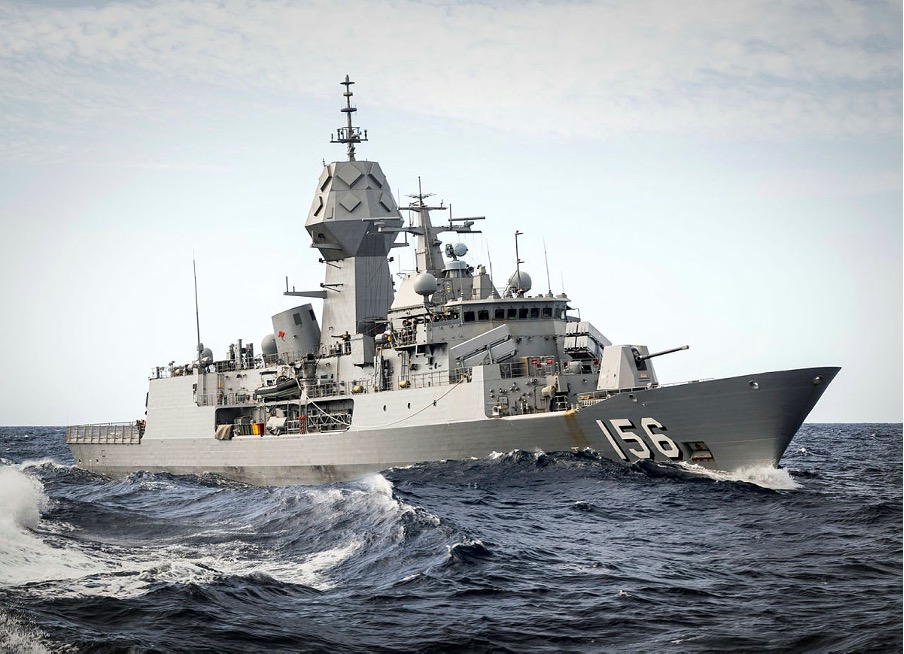
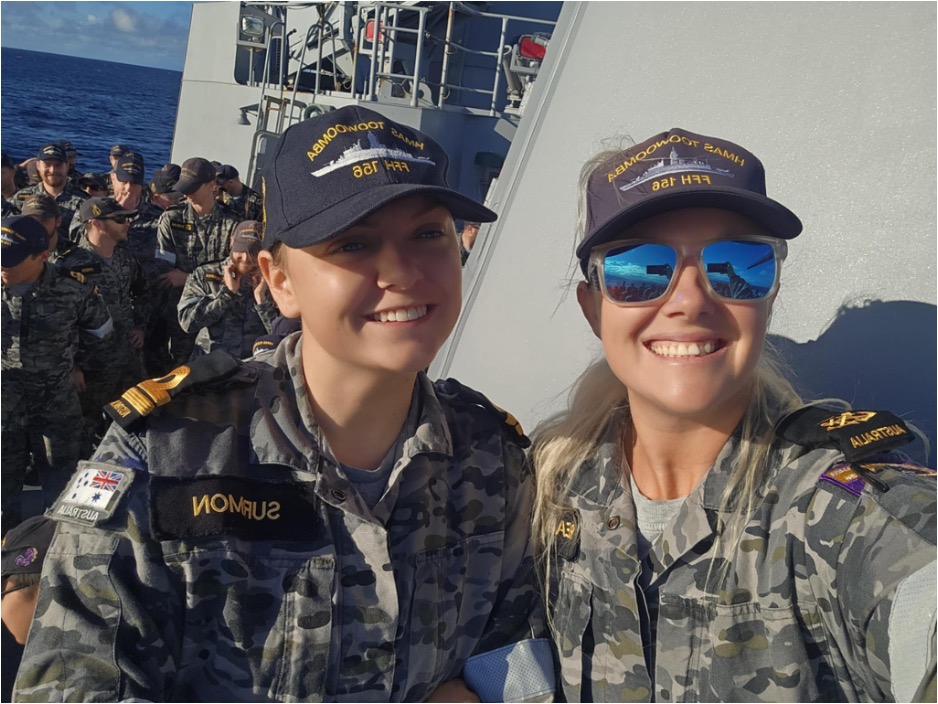
In July 2024, I moved to Perth to join the ship, HMAS Toowoomba which is where I am still posted to today.
Weapons Engineering is such a specialised field. Was this always an interest and something you aspired to do? Or is it a field that you discovered along the way? Who/What inspired you?
I never considered joining the military, let alone becoming a Weapons Electrical Engineer in the Navy—until Year 12, when I began applying for university. While exploring different scholarship opportunities, I came across the Australian Defence Force Academy (ADFA) pathway. As soon as I discovered that I could receive a fully funded university degree while being paid to travel the world and take part in incredible experiences, I applied straight away—and I’ve never looked back.
What does an average day on a Naval ship look like?
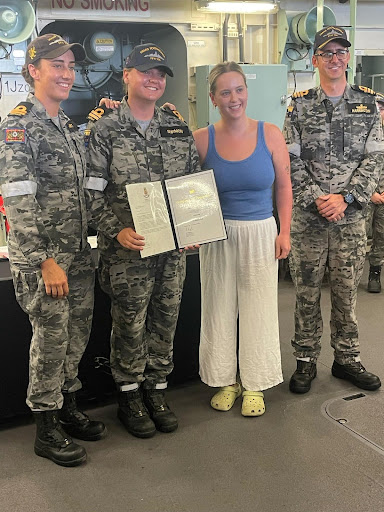
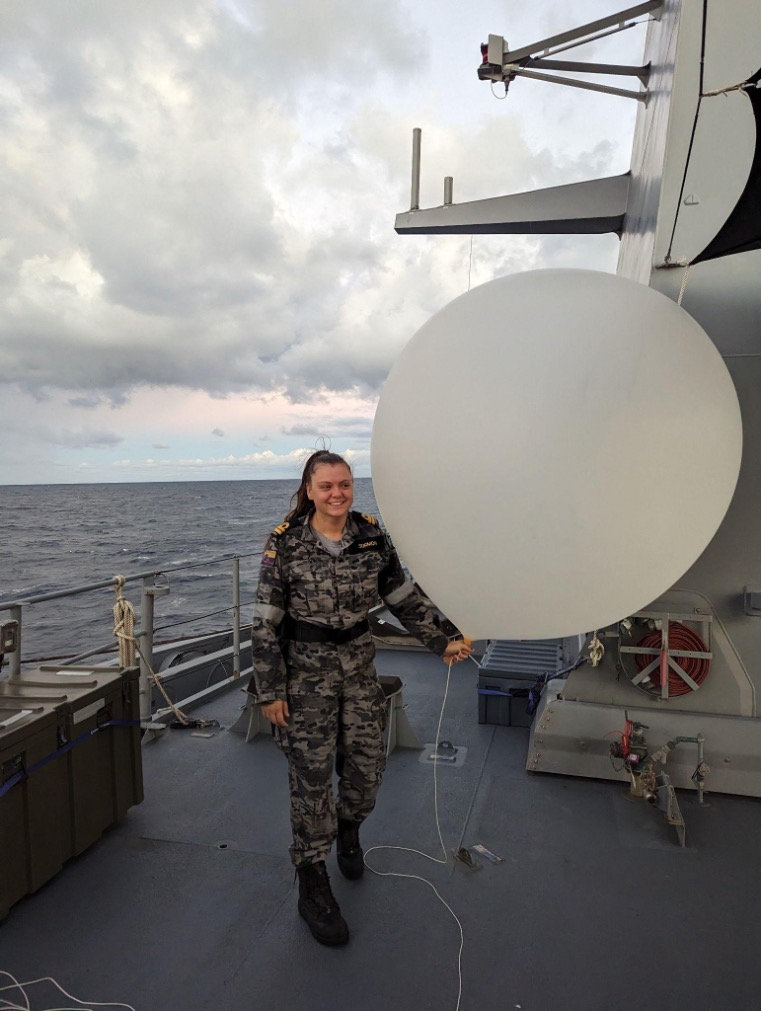
My role onboard the ship is the Assistant Weapons Electrical Engineering Officer. I am still in training so spend a lot of time studying, however my job consists of leading a department of 30 sailors to maintain the capability of the sensor systems, communication systems, combat system and weapons onboard the ship. I also manage all of the explosive ordnance onboard, and act as the radiation safety officer.
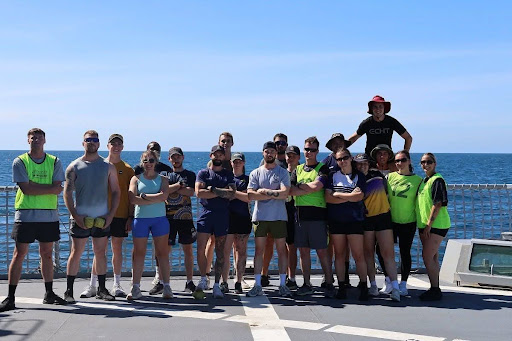
Each day at sea can look completely different. Some days we will be sailing along the coastline, with free time to play sport on the ships flight deck out in the sun. On other days the ship will conduct warfare exercises, where I will be located in the operations room, using the combat system to engage with targets by firing weapon systems.
I have spent time at sea deployed on Operation Saville, where my ship responded to the Chinese warships that circumnavigated Australia in early 2025, and also Operation Resolute which contributes to Australia’s border protection and maritime security efforts.
Are there any words of advice you would offer to students or anyone who may be interested in a similar career path, particularly in such a male dominated field?
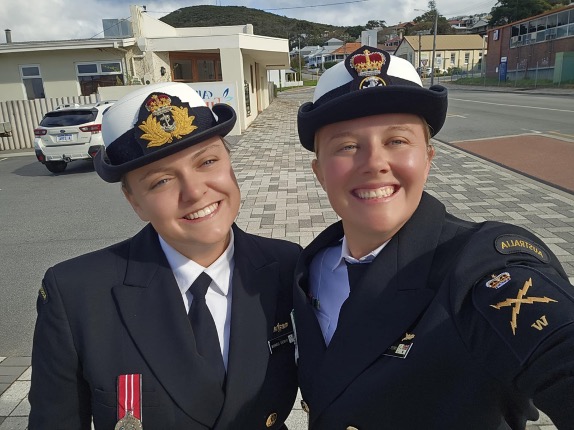
Engineering, especially in the military, is an extremely male dominated field. My course had 20 students, with only 3 of us being females. Despite the ratio, I have had an incredible experience and have been provided the same opportunities and support as my male counterparts. For any student even considering going down the STEM path I highly encourage it. There are so many unique opportunities available, and being a female should not be a barrier at all.
What has been the highlight of your career so far?
I have had so many incredible opportunities since joining the Navy. Two of the most memorable experiences include:
- Being directly involved in the firing of missiles during exercises – this provided me the opportunity to work with some of the most advanced capabilities that Australia has to support our defence’s lethality.
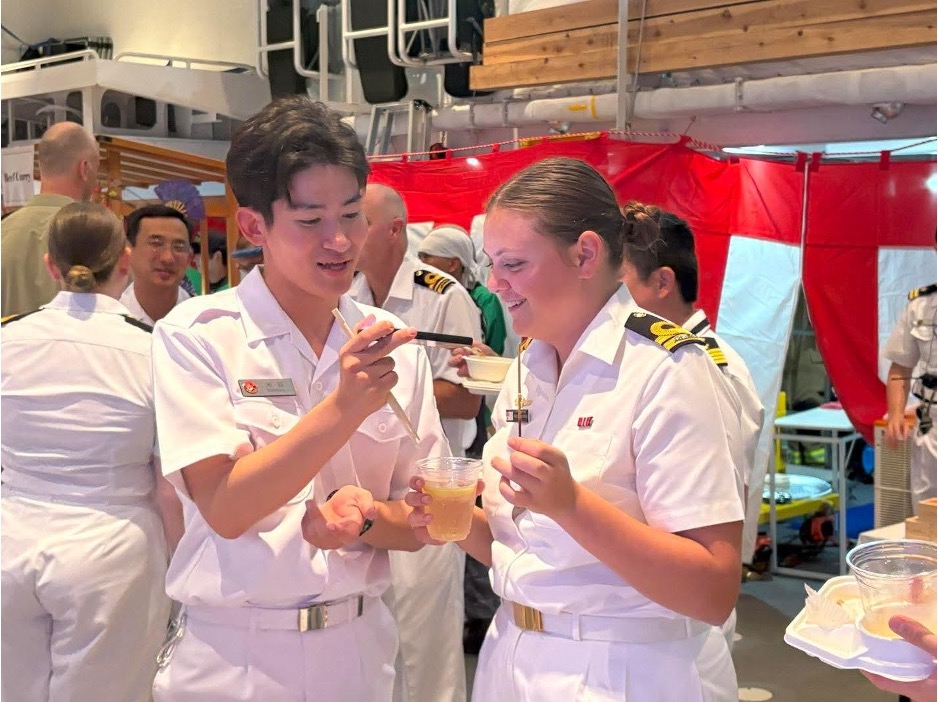
- Attending multiple international cocktail functions, where I’ve had the chance to engage with military personnel from around the world. A particular highlight was aboard a Japanese frigate, where I used the Japanese I learnt back in Year 8 to introduce myself.
What are your fondest memories of your time at St Ursula’s?
When I look back on my time at St Ursula’s, what I remember most are the people. The girls that I made friends with in 7.4 are still some of my best friends to date and every time I get an opportunity to come back to Sydney they are the first people I want to see.