Little Women: A story for many generations

Little Women: A story for many generations

Stories. Something that can reveal new ideas about a person’s life. Something that can inspire generations of readers and authors. Something that can shape our world and let it become what it is today – through several aspects of adaptations.

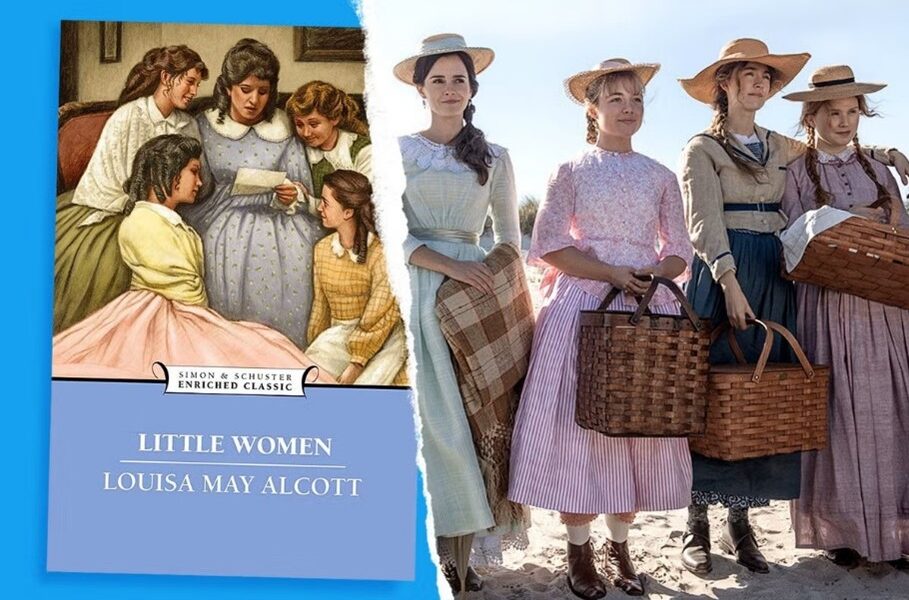
Over time, there have been many stories that have been classics for many years, decades, and even centuries – from Alice in Wonderland to The Chronicles of Narnia. One great example of a classic piece of literature is Little Women: a beloved tale that has been passed down over many generations through films, television, and theatre. However, the main and original story remains to be the best at heart. Written by Louisa May Alcott  in 1861, Little Women follows  the story of the four March sisters – Jo, Meg, Beth, and Amy – who are overcoming adversity in times of the American civil war and going childhood to womanhood. Overall, the novel discusses the main themes of feminism, poverty, gender roles, love, and what it was like to be a woman in the past centuries.

Surprisingly, this story and its characters were based on personal events and people from Alcott’s own life, since she was one of four sisters growing up in the 19th century. Through the book, the author also discussed the ideas of breaking many gender stereotypes, as Jo March – the main protagonist – experiences the hardship of being the “tomboy” and writer of the household. Back in the late 1860’s, women were not expected to write as many novels then male authors, but Louisa broke this stereotype due to the book’s success and her inspiration to other female authors.

 This one timeless novel has also inspired many adaptations in television, theatre, and film industries, ever since the 1910’s, where there was both a theatrical production and a silent film version of Little Women, highlighting a movement of women’s acting roles. Following this was a major Little Women movie in 1933, which was nominated for multiple film awards and became a box office hit of its time. Then, there was the 1949 film, which was in full colour and featured many big stars such as Elizabeth Taylor and Janet Leigh. After this adaptation was the BBC and NBC mini-series versions, displaying a high passion for adapting the beloved story.

Later, Japanese ‘anime’ also had a spin off on Little Women, too! In the 1980’s, Japan’s Fugi network released a 48-episode series of the story, which was soon translated to English. Following this came the 1994 movie, which captured more of the warmth of the original story and features mahor movie stars including Winona Rider, Christian Bale, Kristen Dunst and Clair Danes. And lastly, in recent times, there has been the Little Women feature film from 2019. This was directed by Barbie’s Greta Gerwig featured Emma Watson, Saoirse Ronan, Timothee Chalamet, and many more brilliant actors. This version of Little Women has been nominated for many awards – as well as having many fantastic reviews by film critics. In my subjective opinion, this movie is indeed a must watch!

Little Women is only one of many classic novels and stories that have been passed down from generation to generation through books, movies, and other forms of adaptations. And through these adaptations, Little Women remains to be an inspiring story for everyone to enjoy. It remains to be a story for many generations.

Ruby C, Year 10
Year 5’s Trip To Bathurst

Year 5’s Trip To Bathurst

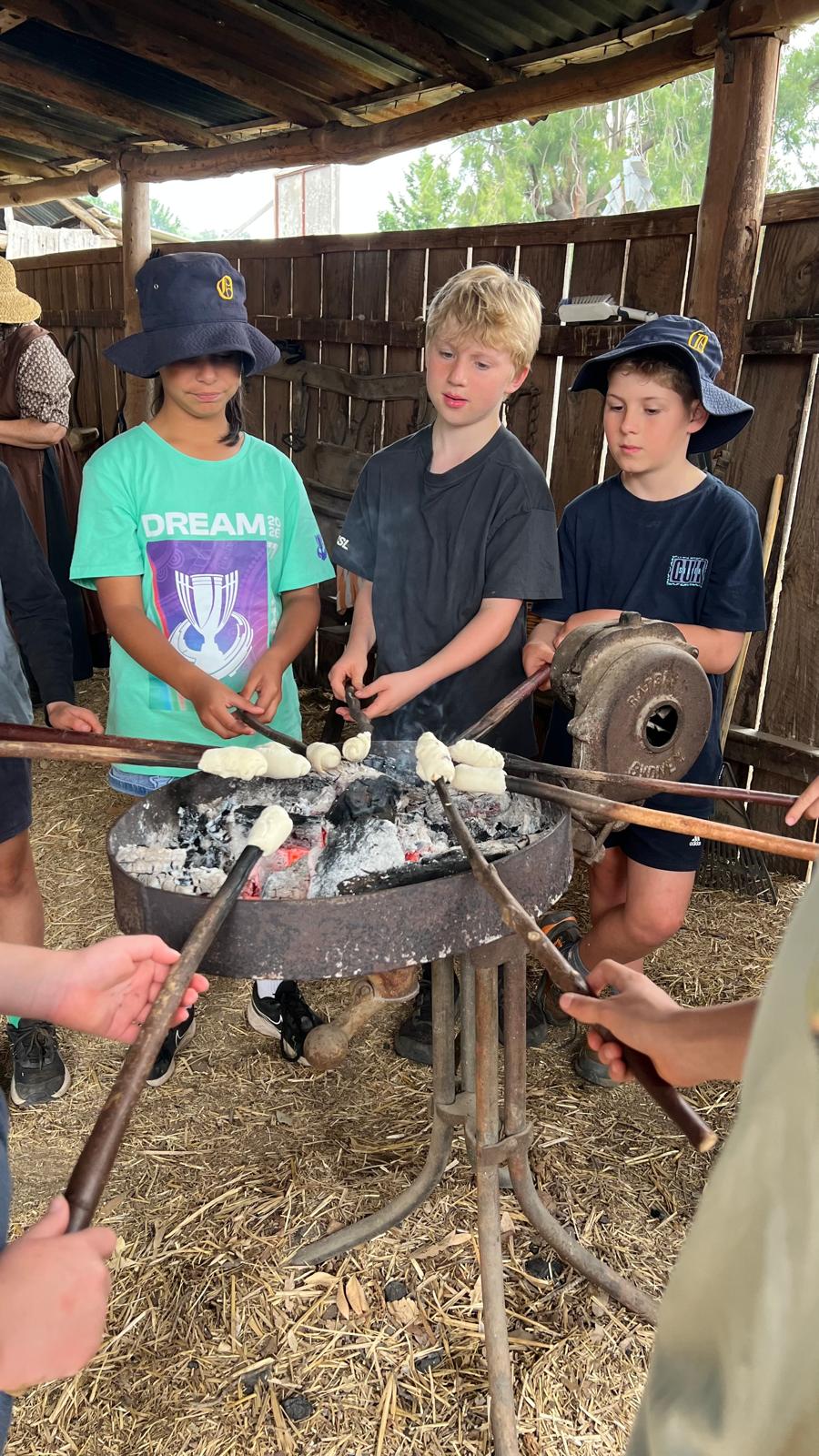
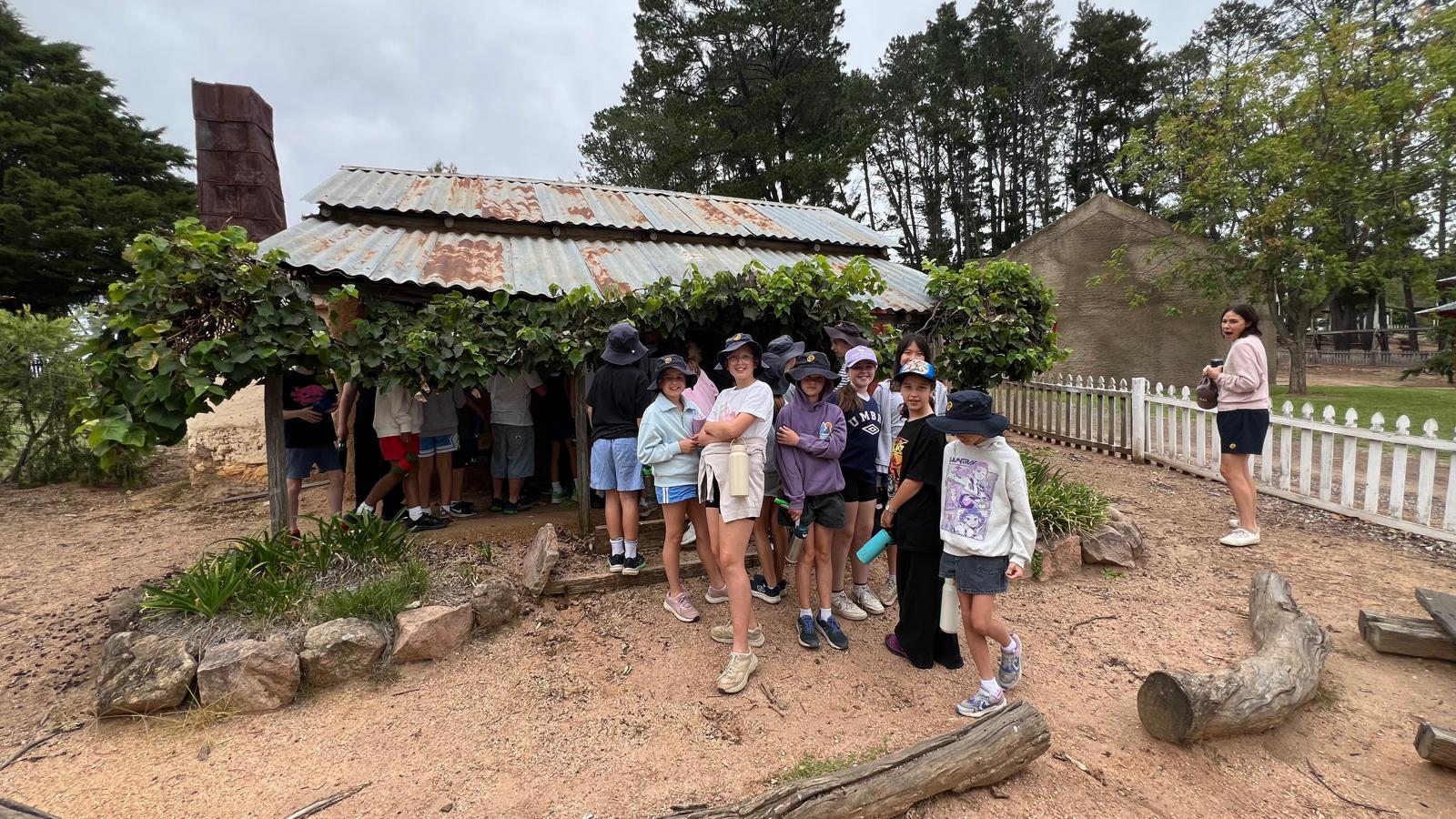
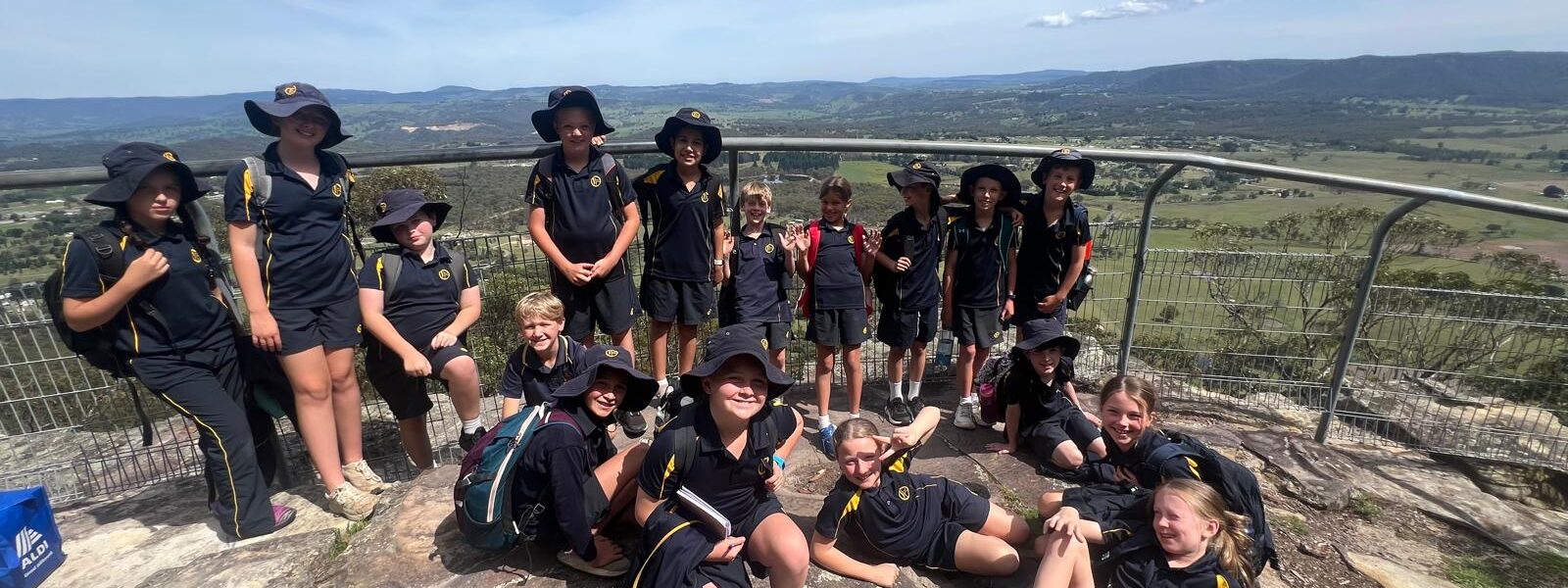
The Year 5 camp to Bathurst is an enjoyable experience that you will reflect on and cherish for many years to come. The entire camp is of the utmost fun, but in this passage, I’ll just go over the highlights.

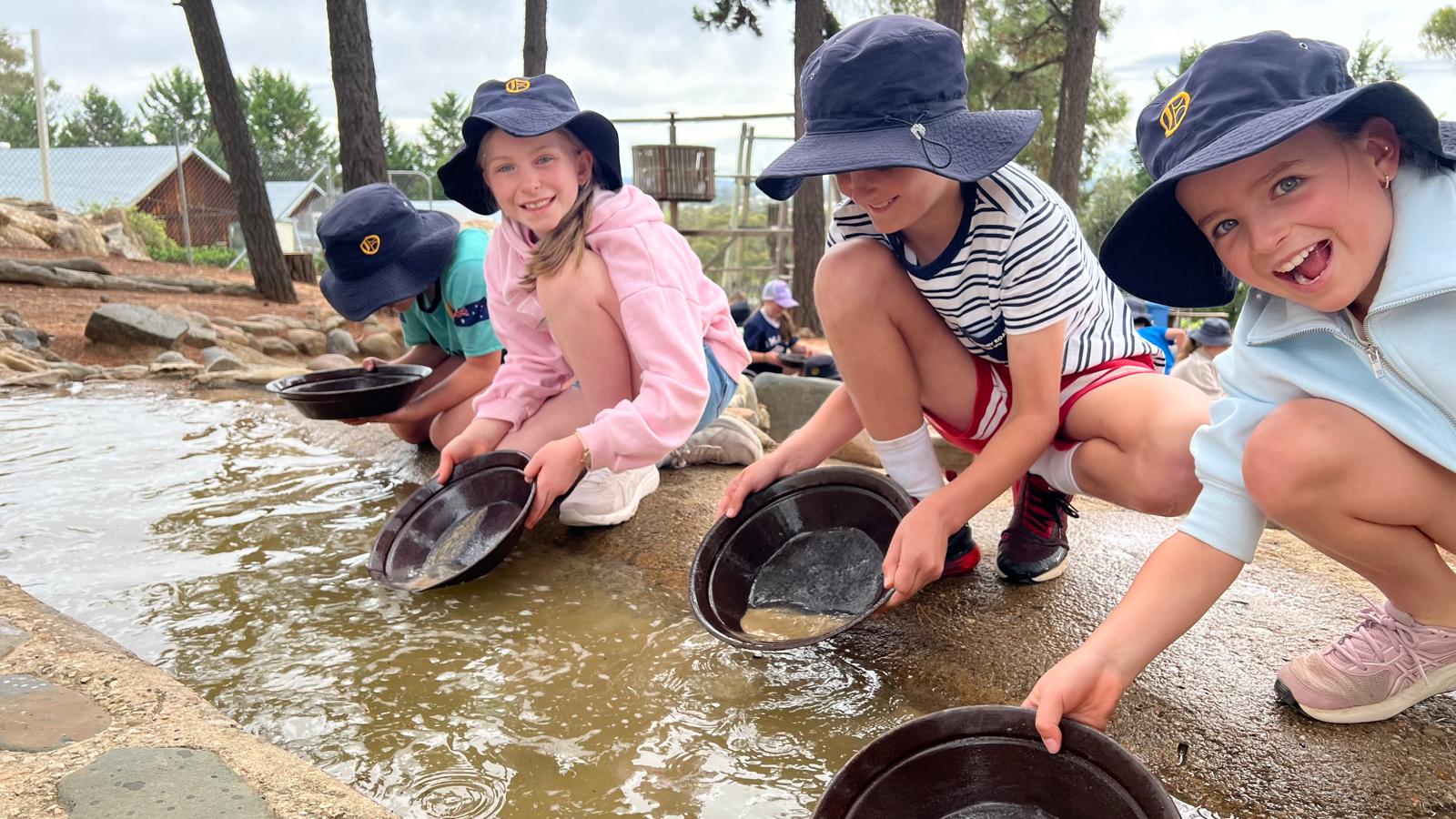
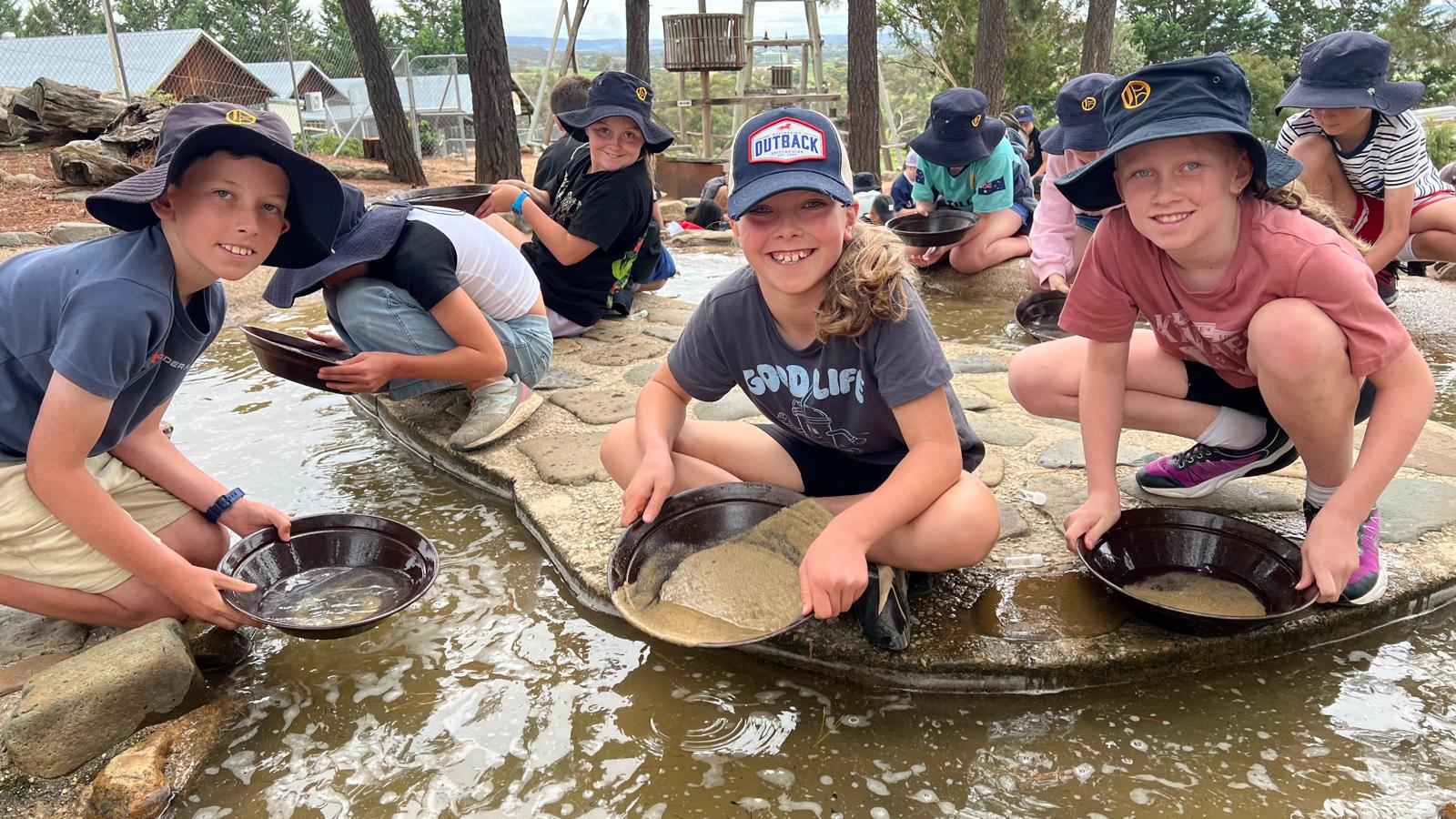
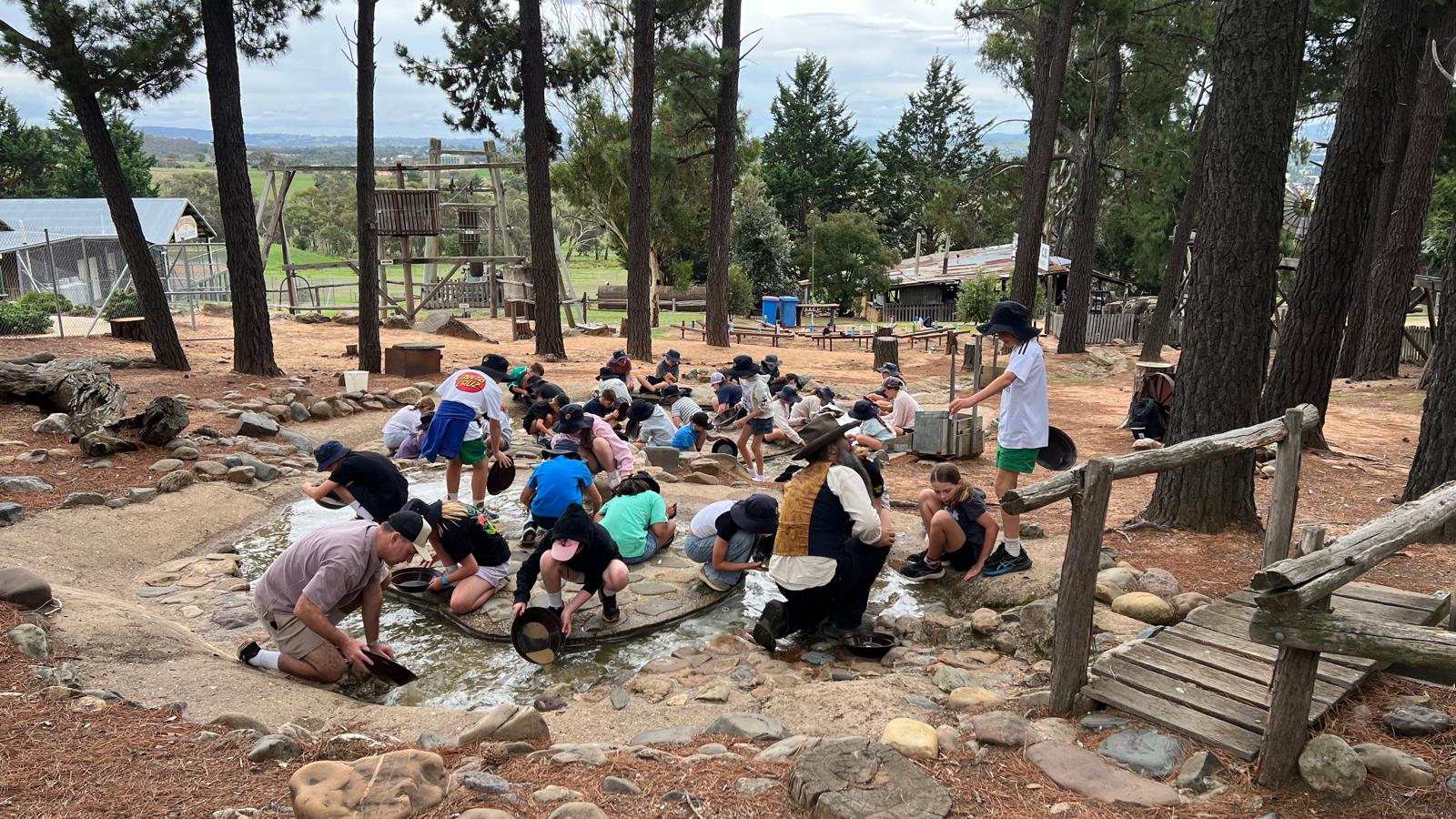
On the second day of camp, we went gold panning in pools. The shiny contents were sand, gold and assorted minerals. Everyone received a pan and a special little bottle for your findings. All the students in my grade found at least one fleck of gold or a mineral to put in their vial. Don’t worry if you’ve never panned before, your awesome guide, Anthony, will show you the technique.

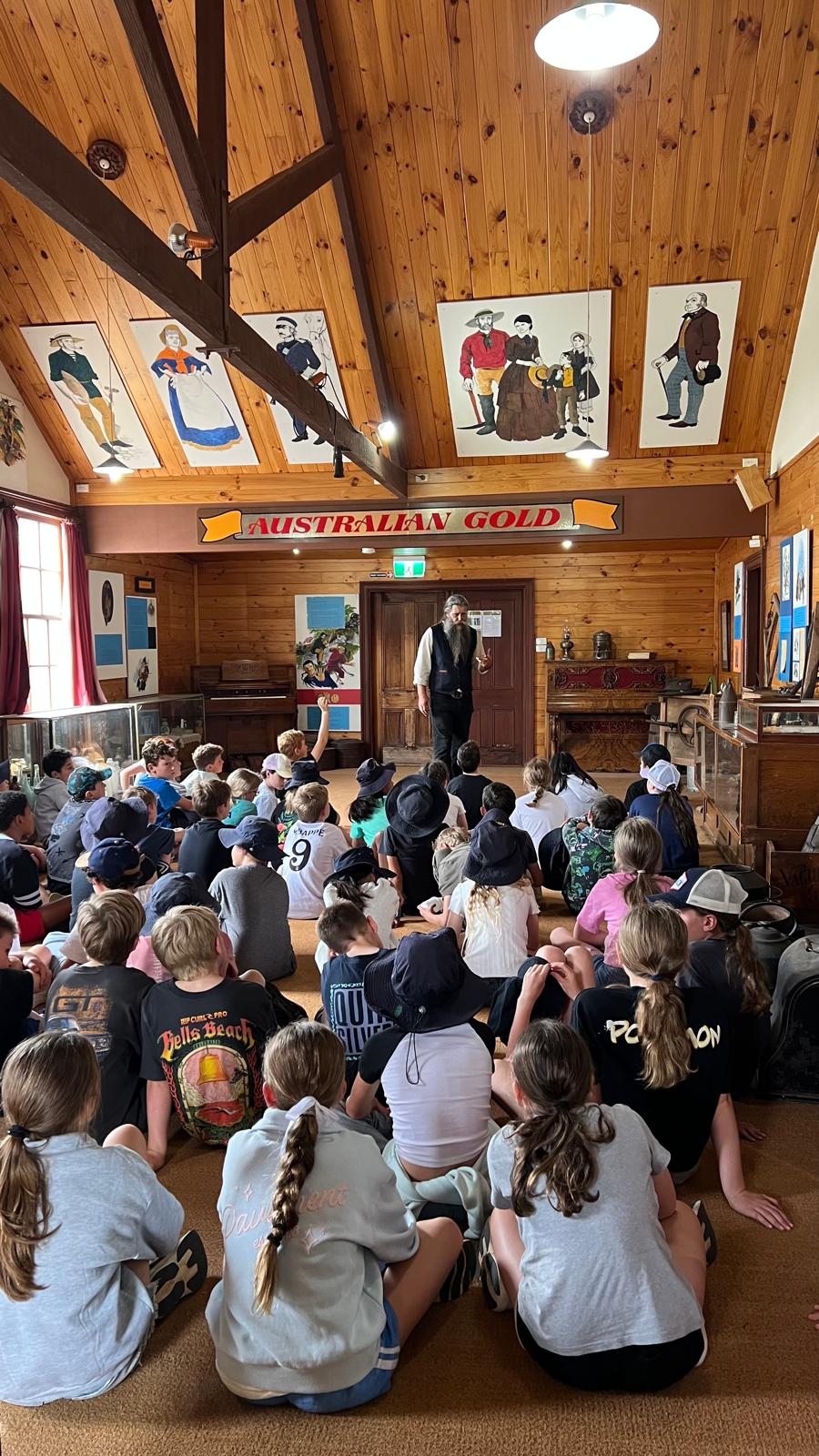
Anthony was encouraging and extremely knowledgeable. His insight into history is unparalleled and unrivalled. He’s also an accomplished blacksmith. Watching him at work was a truly amazing experience and it was so interesting to see all the meticulous care that goes into sculpting a piece of metal. He’s recognisable by the silver beard that flows down his chest. Finding objects in the sand was very fun and they look amazing. The purple amethysts reflect the light beautifully and the quartz look like priceless diamonds!

Another great thing we did was laser tag. It was located in an unassuming warehouse. However, upon entry you’re transported into a haven of free video games and children wearing camouflage hats, military vests and smiles displayed on their joyful faces. The cohort was split into four teams, with each accompanying teacher assigned a team. Two teams enter the labyrinth at a time. One team’s red and the other is blue. The grand arena was filled with tall black walls, tents and a broken-down jeep. Outside was a grassy area with collapsing structures and barrels to hide behind.

In conclusion, camp’s highlights were gold panning and laser tag. Just like every other part of the experience, these activities were extremely fun and a memory we’ll have forever. Year 5 camp was a thrilling adventure that leaves you with enthusiasm for the rest of the year!

Evan C, Year 5

Interesting Tracks

Interesting Tracks

“Where do these tracks lead?”, Bob yelled over the crazy wind. The wind felt like he was standing centimetres away from a fan at full blast.

Bob is a curious boy, but he’s spotted some dangerous looking tracks.

“Should I follow these tracks, or no?”, Bob wondered. But a a tune was playing in his mind, over and over again. It was just tugging him, like an invisible string.

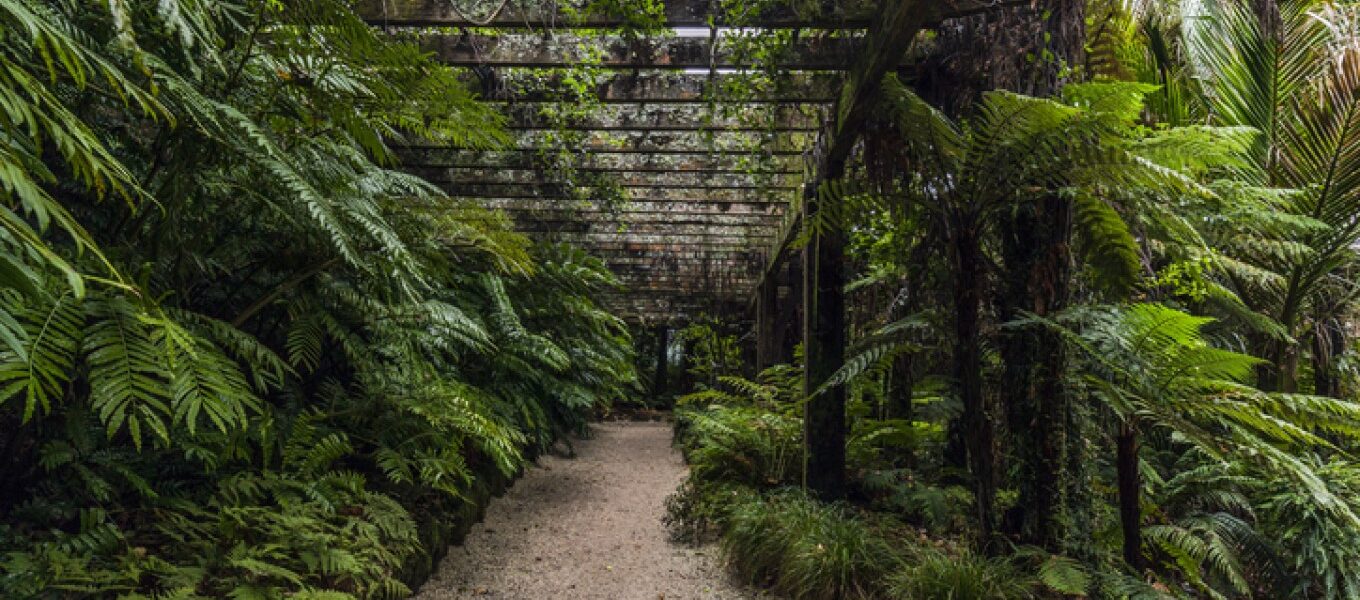
As soon as he decided to follow the tracks, he regretted his decision. His feet were almost rooted to the route he was following. The big, heavy footsteps led him into … A HUGE FOREST!

Bob instantly wanted to know what type of footsteps they were, but he just couldn’t recognise them. Then it hit him – a death adder! The deadly ‘hissssss’ was attracting him. When he saw the red, hypnotising eyes, he just couldn’t look away.

Until, something … but what?… blocked his way. His gaze was broken.

He ran halfway home, until he was well away from the dangerous black adder. He walked the rest of the way home and had his lunch. Bob swore to himself that he would never forget the day he met an adder.

By Edward C, Year 3

WWIII? Not Quite… – The US-Israel-Iran 2026 War 

WWIII? Not Quite… – The US-Israel-Iran 2026 War 

With the recent US-Israel-Iran war, one question has been on everyone’s mind – Is this the beginning of World War III? Our last World War was in the 1940s, and while many outbreaks between countries have happened, this latest one seemed to have struck a particular fear for many.  

War 

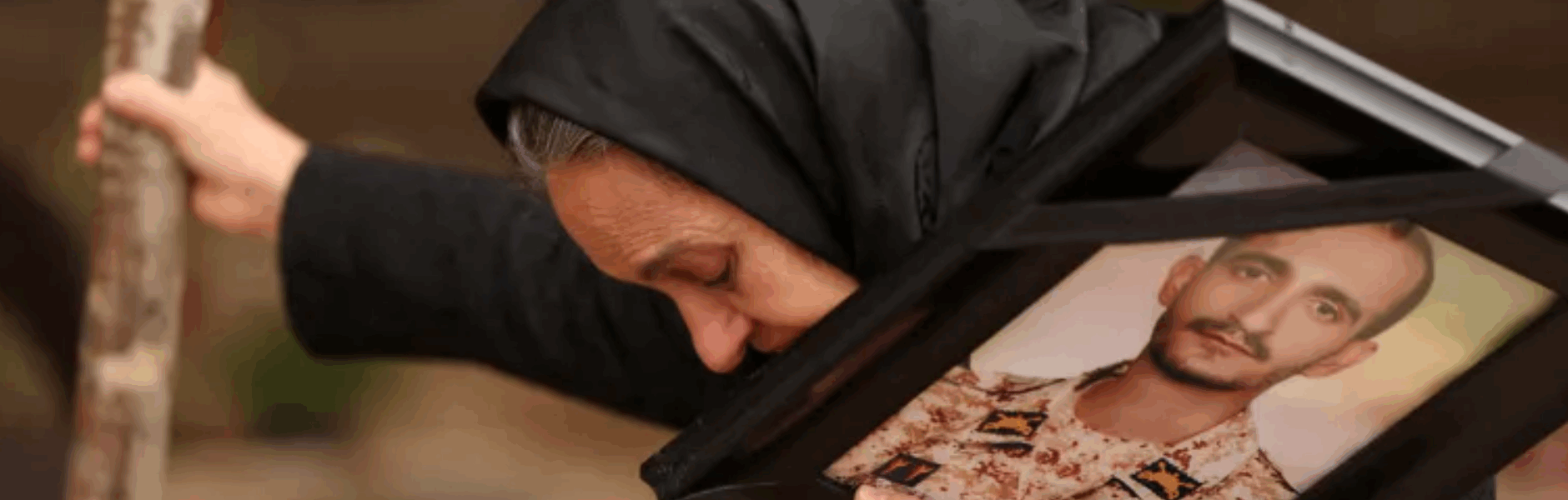
On the 28th of February 2026, the US and Israel launched joint strikes on Iran, reportedly called ‘Operation Epic Fury’ by the US and “Operation Roaring Lion” by Israel, due to concerns over Iran’s nuclear programs and growing political tensions. These attacks focused on Iran’s military sites and allegedly killed Supreme Leader Ayatollah Ali Khamenei. Since then, there have been strikes all across the Middle East from both sides. As of 12th of March 1,858 people have been killed in Iran.  

Effects 

This war not only affects countries directly involved, but Australia and the rest of the world too. The Strait of Hormuz, a popular oil transit point, has been disrupted, and many airline and shipping paths have been affected as well. The Australian government has issued a Do Not Travel statement for many countries in the Middle East, including Iran, Israel, Qatar, Iraq, Syria, the UAE, and more.  

World War 3 

Experts say World War 3 is not likely to approach anytime soon, but this ongoing conflict is serious and has global consequences. While this could lead to a bigger war, World War requires powerful countries such as China, Russia, and military alliances such as NATO to participate. Today, countries are heavily reliant on others for global trade, so governments would try to avoid a conflict that would lead to their economic collapse. Another factor is the addition of nuclear weapons in modern times, which would make any global war far more destructive, and could implode both sides, a factor many countries are aware of and wary towards. Also, The United Nations would try for negotiations and try to prevent conflicts. So, a World War would be far too chaotic and destructive in this century for the world to handle and is very unlikely to happen. 

What would happen to Australia in a potential World War III? 

If World War III did occur, Australia would fight alongside the United States and New Zealand to hold up their role in the ANZUS Treaty. This would give us a more powerful role in the conflict but also pose us as a threat to countries such as China. This would face us with the possibility of attacks from China, who has strong military capability and would put us under big risk. Australia is relatively safe and politically stable, and according to International Business Times UK, Australia and New Zealand are the two countries that would survive in a nuclear war due to our isolation.  

To sum up, while the recent war has raised global concern, World War III is not necessarily looming. This is however a serious situation and will likely have a big effect on the world due to how interconnected we are. Countries will continue to monitor this conflict, and attempt to prevent escalation, but don’t start stocking up your bunker yet! 

By E. Clarke- Year 8

The psychology behind seating plans.

The psychology behind seating plans.

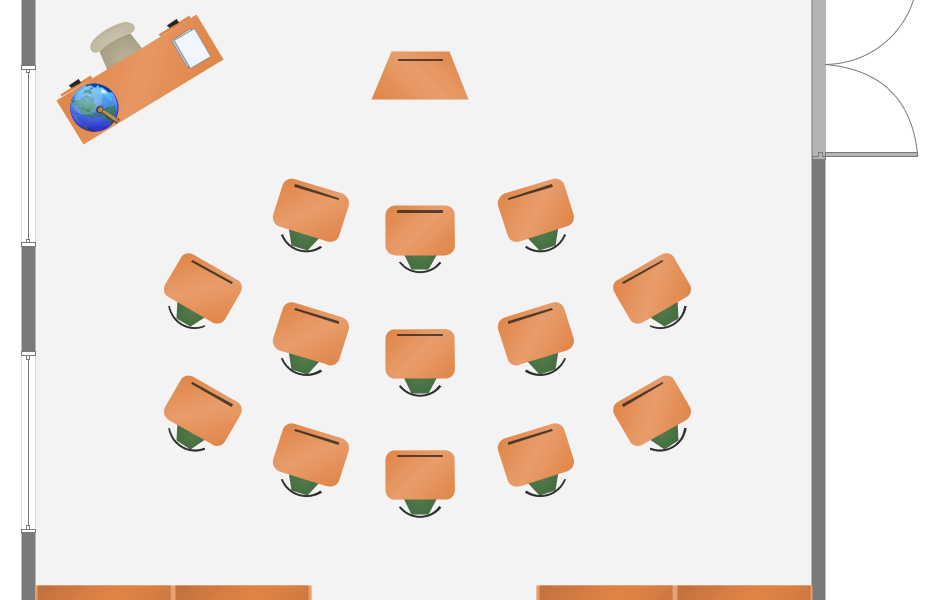
Walking into class to see a new seating plan up on the board may be the worst fear of most students. Although the dreaded seating plan brings a frown to most faces, having a designated seat provides comfort and a sense of familiarity to our minds. Have you ever walked into a classroom and drifted towards “your usual spot” without even thinking? Do you take the same seats even when your class doesn’t have a seating plan? This unique human behaviour pattern is an example of “territoriality”.

Picking the same seats repeatedly allows humans to set up a temporary territory, which provides our minds with something familiar and secure that we automatically come back to over and over. Humans typically look for safe and comfortable situations, which impacts our seating choices as we tend to find our own secure and familiar place that we return to as we subconsciously recognise it as a safe place. This is due to evolutionary reasons, as overtime humans have evolved to trust familiar situations that they know are safe. In addition to this, humans are naturally habit forming as our repeated behaviour becomes imprinted into our neural pathways after only being completed a few times in a row. This shows why, even when a seating plan is altered or removed completely, students tend to settle back into their set seats as we instinctively repeat habits in order to feel comfortable and safe.

Assigned or not assigned, seating plans will almost always form by the pure nature of human behaviour. Seating patterns provide humans with comfort and familiarity, which helps our subconscious feel safe in the classroom. This allows people to feel calm wherever they are as having something repetivive and familiar can provide a sense of comfort and safety wherever you go.

Next time you walk into class and feel the dreaded feeling of having a new seating plan, think about the new behavioural habits forming in your head as you drag yourself hesitantly over to the seat you will always subconsciously remember as “your usual spot”.

Annabel B, Year 8

Rain.

Rain.

I love the rain. 

It comes down and parades, 

Then fades for a while. 

And I know how it feels, 

It’s just like your smile. 

Then it hovers in mists. 

Or occasionally spits, 

In a magical way. 

It glimmers, wanders and lifts, 

Encasing us in an all whimsical bliss. 

Or on one of those crying days: 

It hails from above, 

Chucking stones, rag tag ice made of sea. 

And I know you could rage like this, 

But it never meets me. 

When it kidnaps the sun, 

And separates her rays. 

That glisten, this after-shine always stays, 

It shimmers, it moves like your eyes. 

This memory lingers with me, 

Like frost on the grass in the morn. 

I savour each storm. 

I praise the thunder, 

I marvel at the presence, 

At the dark stallion galloping away, 

Leaving footprints on my windows, 

He whispers to me. 

He whispers secrets. 

And he is gone the next day. 

I would stray through the sun for you, 

For rain to shine on my life. 

The thunder’s beauty is a strange 

Phenomenon to behold. 

So I dance through the tears, 

Of joy and of sadness. 

And leap over the puddles, 

Because I crave this: 

I ache for the rain. 

By Greta S, Year 8

Quick & Easy French Toast – Family Recipe

Quick & Easy French Toast – Family Recipe

If you feel like a tasty, quick, and simple breakfast meal, then this is my family’s go-to breakfast for a lazy Sunday morning. Hope you enjoy!

Serves: 3-4

Prep time: 5-10 mins

Cook time: 5 mins

Ingredients:

  • Aprrox. 1 cup milk (quite flexible on how much, it depends on how eggy you like your toast, but can be more or less), can also use lactose free milk as a dietary alternative.
  • 2 medium sized eggs
  • 8 thin slices of white bread (note: better if slightly aerated or stale because it will absorb more of the egg mixture)
  • 50g unsalted butter

Method:

Preparation:

  1. Egg Mixture – In a medium bowl, whisk together eggs in a bowl with a fork until mostly combined, while slowly mixing in the milk. (Note: Test the thickness of the mixture by dunking fork and lifting it out of the mixture, it should be milky enough to go through the slots in the fork, if not it needs more milk until it becomes less thick.)
  2. Bread – On a chopping board, cut all slices of bread in half lengthways until you have 16 rectangular pieces.

Cooking:

  1. Over low heat, melt a small sliver of butter in a large frying pan.
  2. With a fork, dunk rectangular piece of bread into the egg mixture, making sure to flip each piece over to ensure it gets fully coated.
  3. Place as many rectangles as possible into the pan to speed up cooking time, (usually, 4-5 in a medium to large frying pan).
  4. Increase heat to medium and let the slices to cook on one side for around 1-2 minutes (sometimes less time depending on stovetop, so I suggest checking frequently.)
  5. Once cooked on one side (should look like a deep golden-brown colour), flip over each piece and repeat the same process for the other side.
  6. Once cooked, remove off the pan and onto a plate. (If other slices still needing to be cooked, turn heat back to low or off to prevent the butter from burning on the pan.)
  7. Repeat all steps (1-6) until all slices have been cooked.
  8. Serve on separate plates and enjoy!

(Optional: top with fresh fruits, Greek yoghurt, and drizzle of maple syrup to add an extra bit of flavour.)

Anna S, Year 10

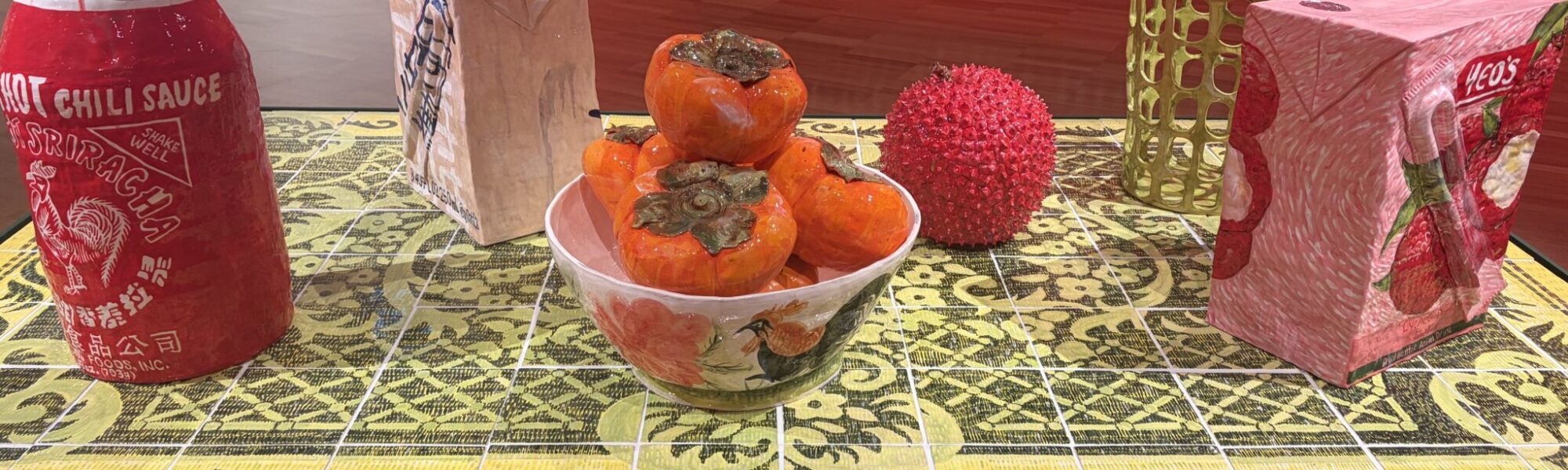
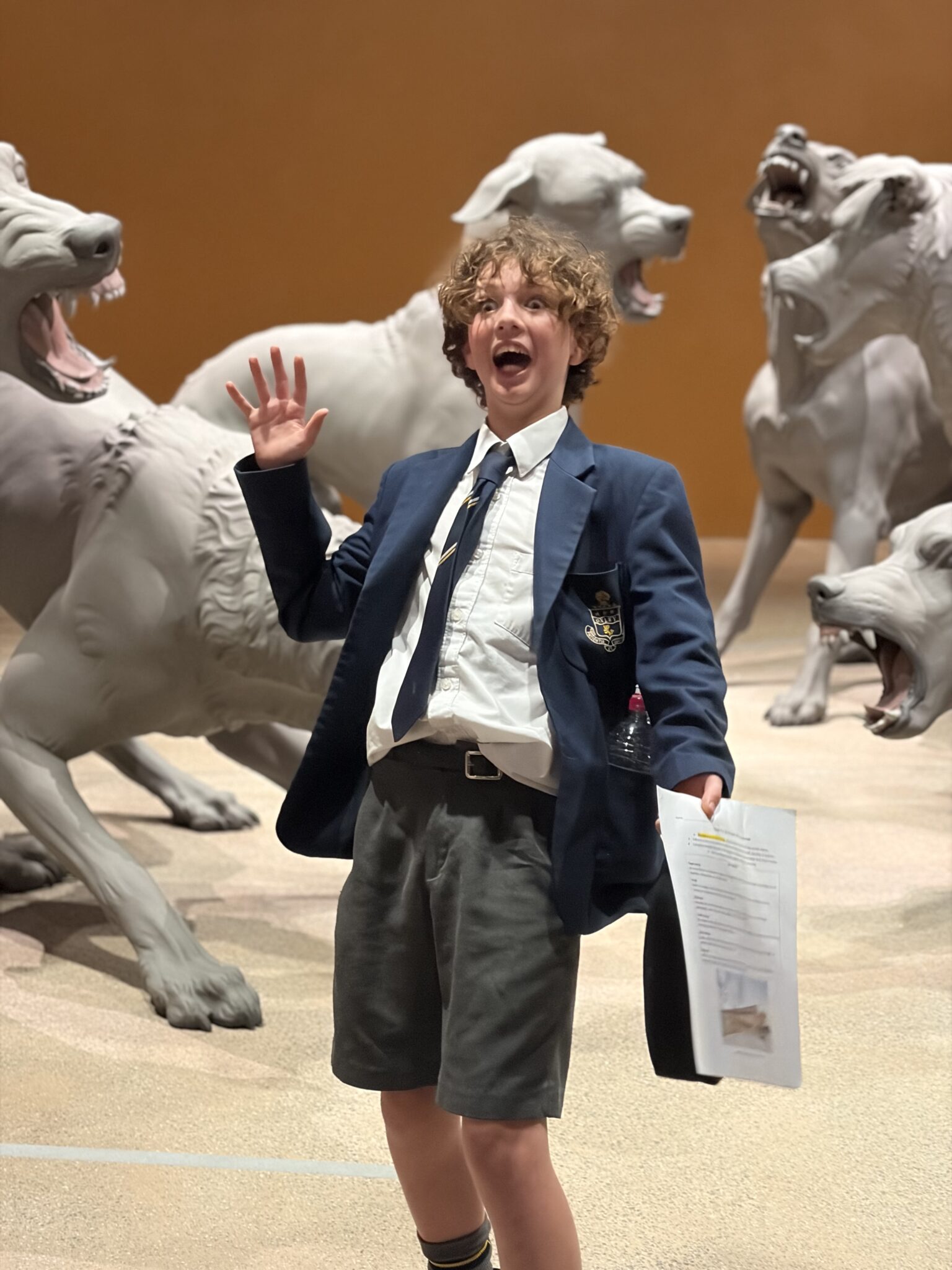
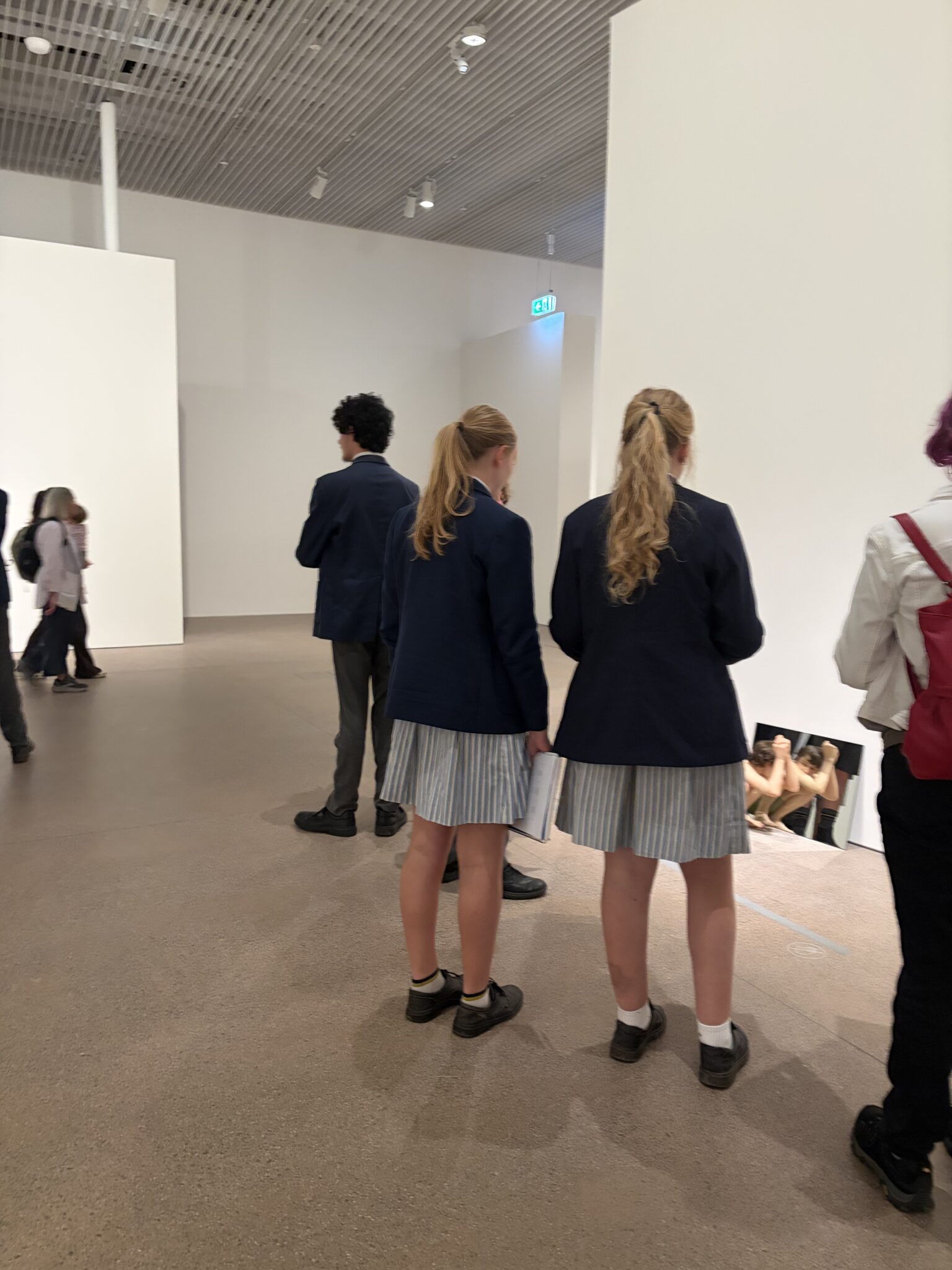
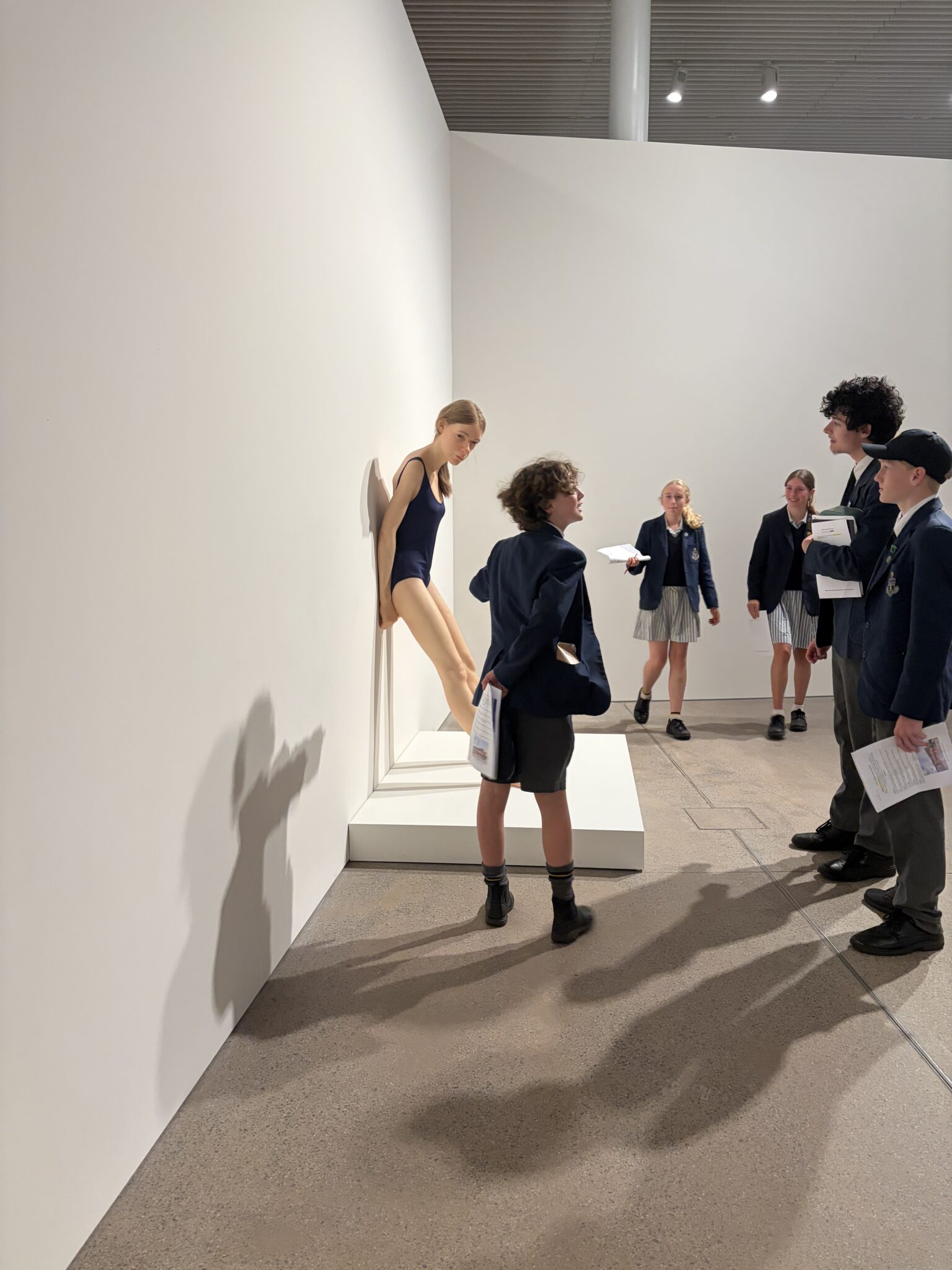
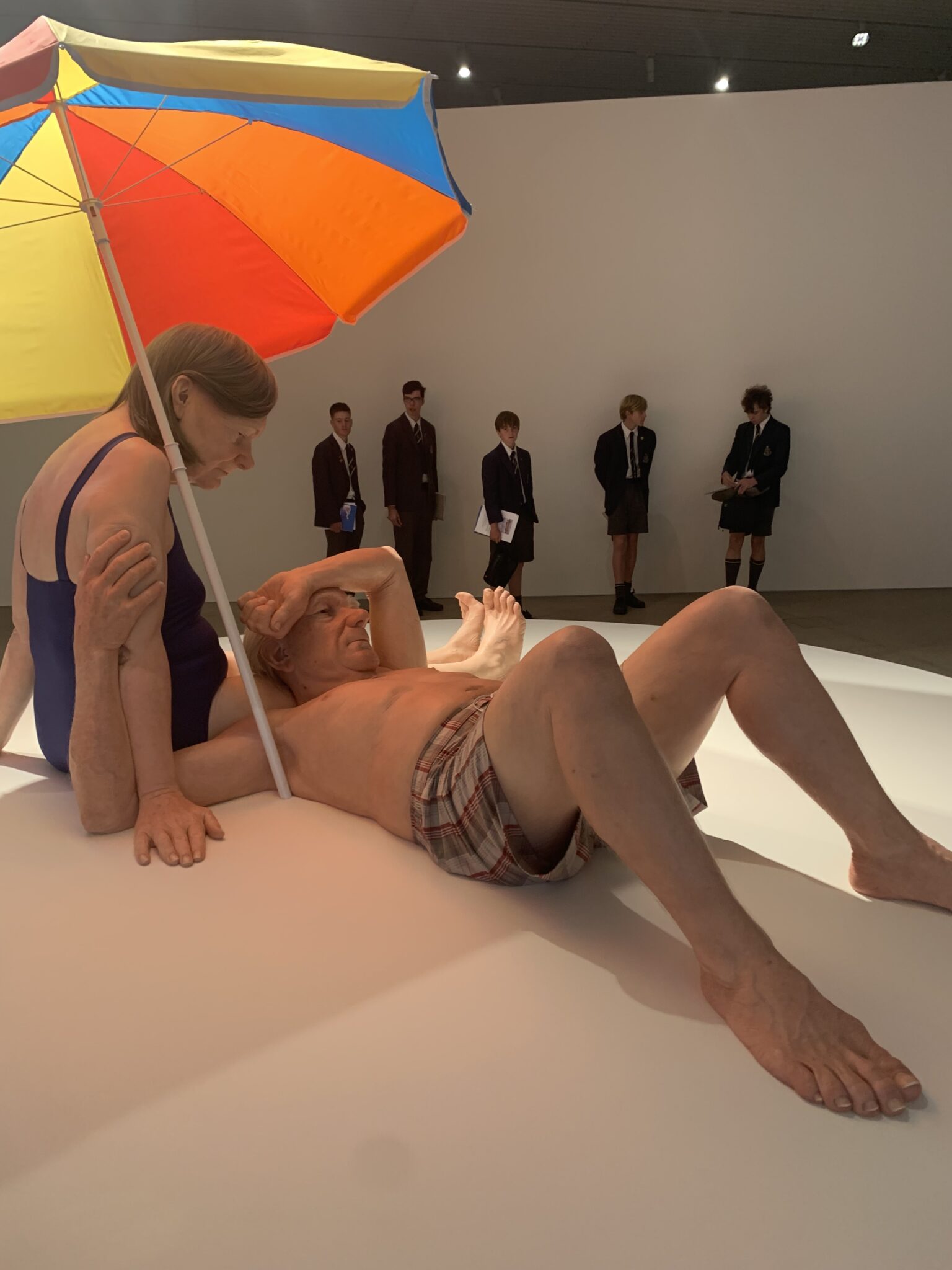
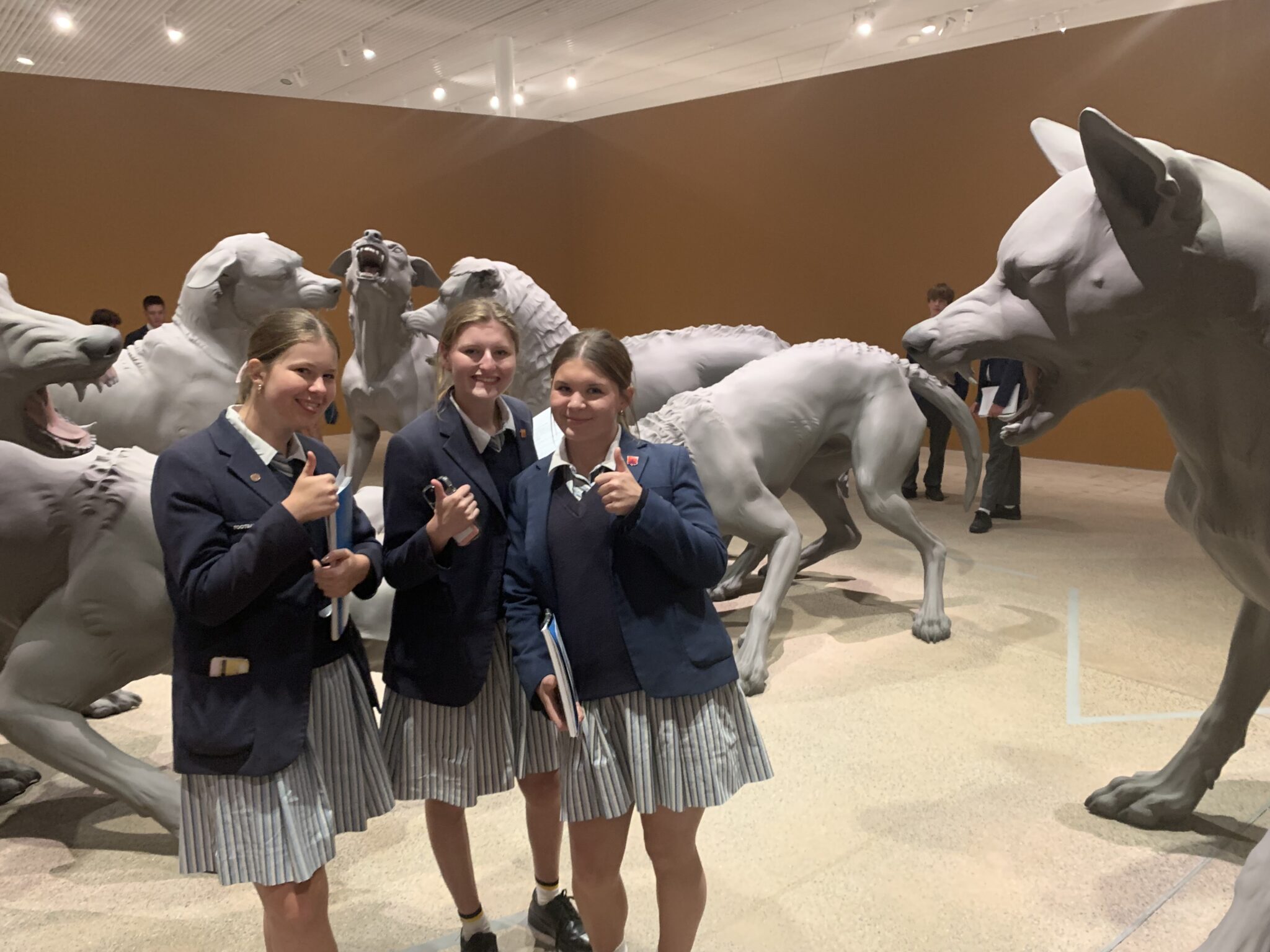
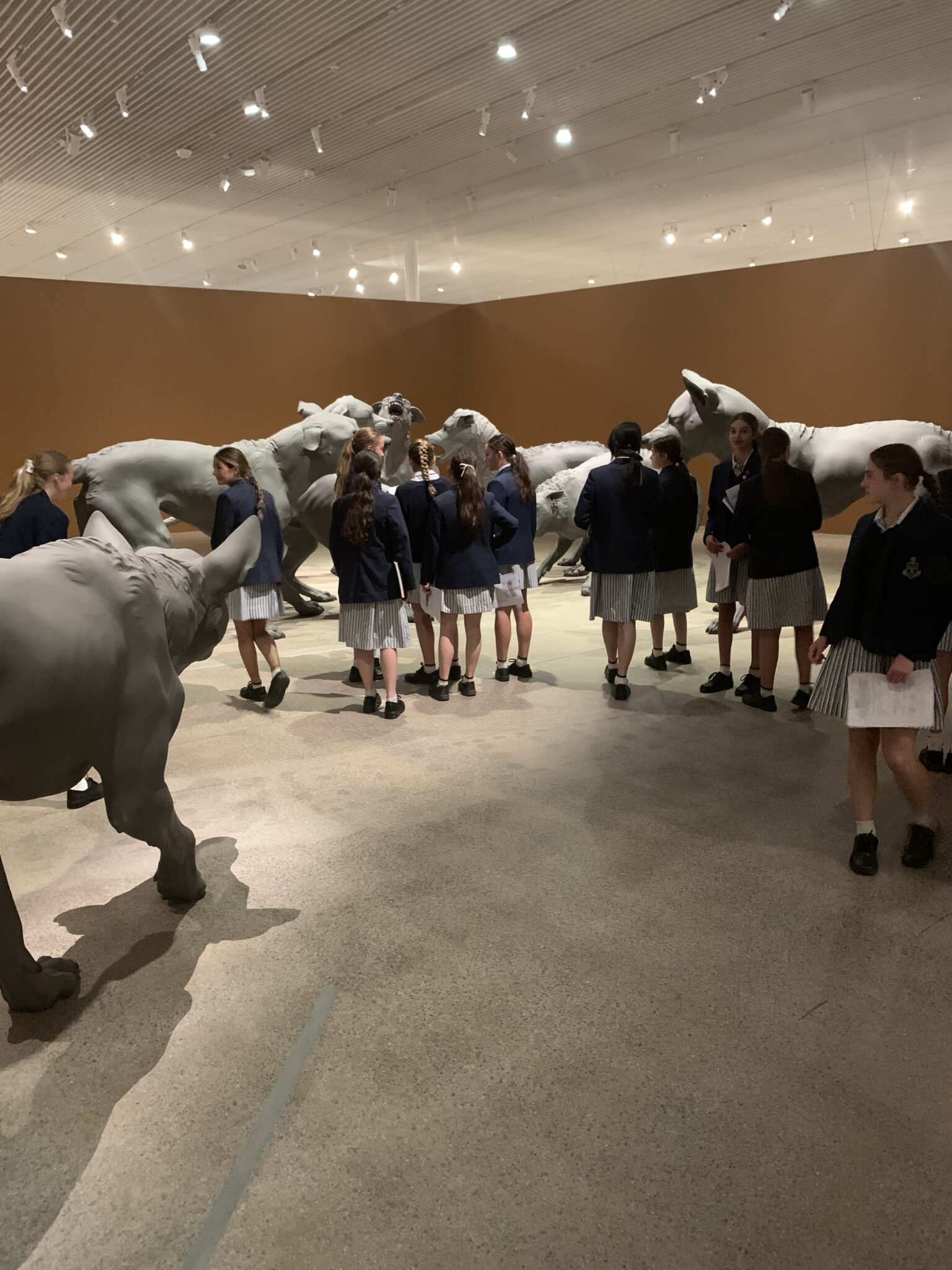
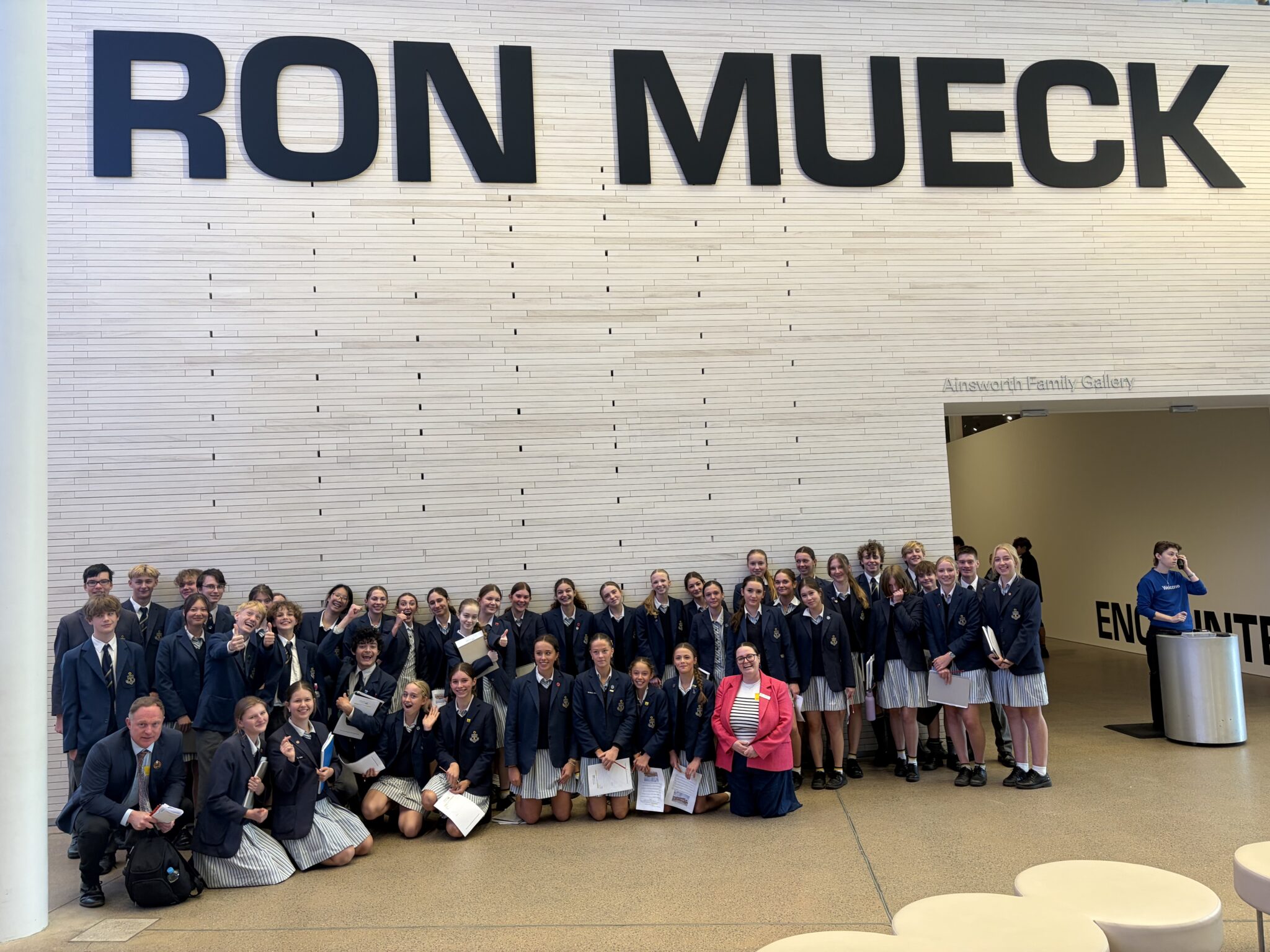
Year 9 and 10 Visual Arts Excursion: Art Gallery of NSW.

Year 9 and 10 Visual Arts Excursion: Art Gallery of NSW.

Oxley Art Prize, 2026.

Oxley Art Prize, 2026.