From the Principal
 Last Friday evening, I spent a very enjoyable couple of hours teaching myself how to use Copilot to generate and change images. I had a great time using Artificial Intelligence (AI) to change the setting of a family photo from the backyard to the beach, combine three individual photos into a group picnic and even turned everyone in the family photo into clowns. It was a lot of fun (although I am not sure that my adult children were as enamoured with the constant stream of ‘look at this one’ messages as I proudly forwarded my latest achievement!). The images were largely believable, despite the occasional strangely angled limb.
However, as much as I appreciated how easy it was to learn, it was immediately apparent how readily this technology could be misused, even by individuals with only fundamental skills comparable to my own.
Unfortunately, according to Education Matters “Deepfakes – AI-manipulated images, audio, or video – are emerging in classrooms, playgrounds, and social media networks frequented by young people. From altered nudes targeting students to fabricated videos designed to bully or humiliate, the issue is no longer hypothetical.
“…New data reveals reports to eSafety’s image-based abuse scheme about digitally altered intimate images, including deepfakes, from people under the age of 18 have more than doubled in the past 18 months, compared to the total number of reports received in the seven years prior. Four out of five of these reports involved the targeting of females.”
As part of our pastoral care and eLearning programs, teachers, Luminaries, and our Head of eLearning, Marianna Carlino, educate our students on the risks associated with AI-generated images, with the content and discussions targeted according to the age of the group that they are working with.
Like all technology use by underage children, it is essential that there be regular monitoring of the sites that they are visiting, the apps they are using and who they are contacting. Unfortunately, it is not as simple as enforcing the Social Media delay regarding social media sites, as AI apps are freely available.
The eSafety website, offers the following advice to parents and carers:
(Noting that children are unlikely to use the term ‘deepfakes,’ instead referring to specific apps or simply describing it as something you can “do with AI.”)
- Start early and stay open.
Talk regularly about the harms of deepfakes and that creating them may be a crime. Keep your tone supportive and not judgemental. If something ever happens, your child will be more likely to come to you.
- Use supportive language.
If your child is affected – as a target, bystander, or creator – your first words matter. Stay calm.
Try language such as ‘I’m glad you told me’ and ‘Let’s figure out what to do together.’
If your child is a target:
-
Help them collect evidence – screenshots, links, usernames (without saving or sharing explicit content).
-
Do not view, collect, print, share or store explicit material. Make a written description and note where it is located.
-
Support them to report the incident – to the platform, the school, local police or eSafety.
-
Check on their wellbeing and ask if they’d like professional support.
-
Reassure them: they are not alone and help is available.
If your child receives a deepfake:
-
Praise them for not sharing it.
-
Talk about empathy and digital responsibility.
-
Reinforce that speaking up was the right thing to do.
If your child created or shared a deepfake:
-
Stay calm and listen.
-
Explain the serious emotional and legal consequences.
-
Encourage accountability – deleting the content, apologising, or reporting it so platforms know to remove any copies.
-
Set clear expectations for future behaviour – and follow through consistently.
Should your child be targeted through deepfake images, please follow the steps outlined above and contact her class teacher, Luminary, or Head of Year.
Sources
– Lisa Moloney
Principal












 How was your day?
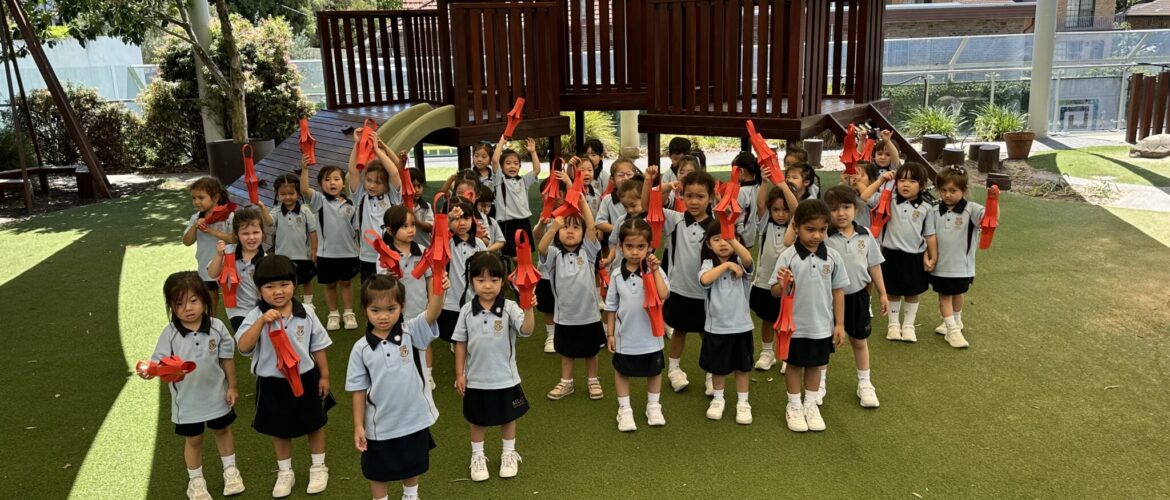
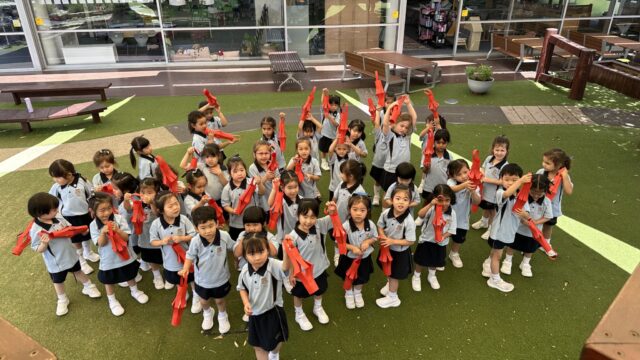

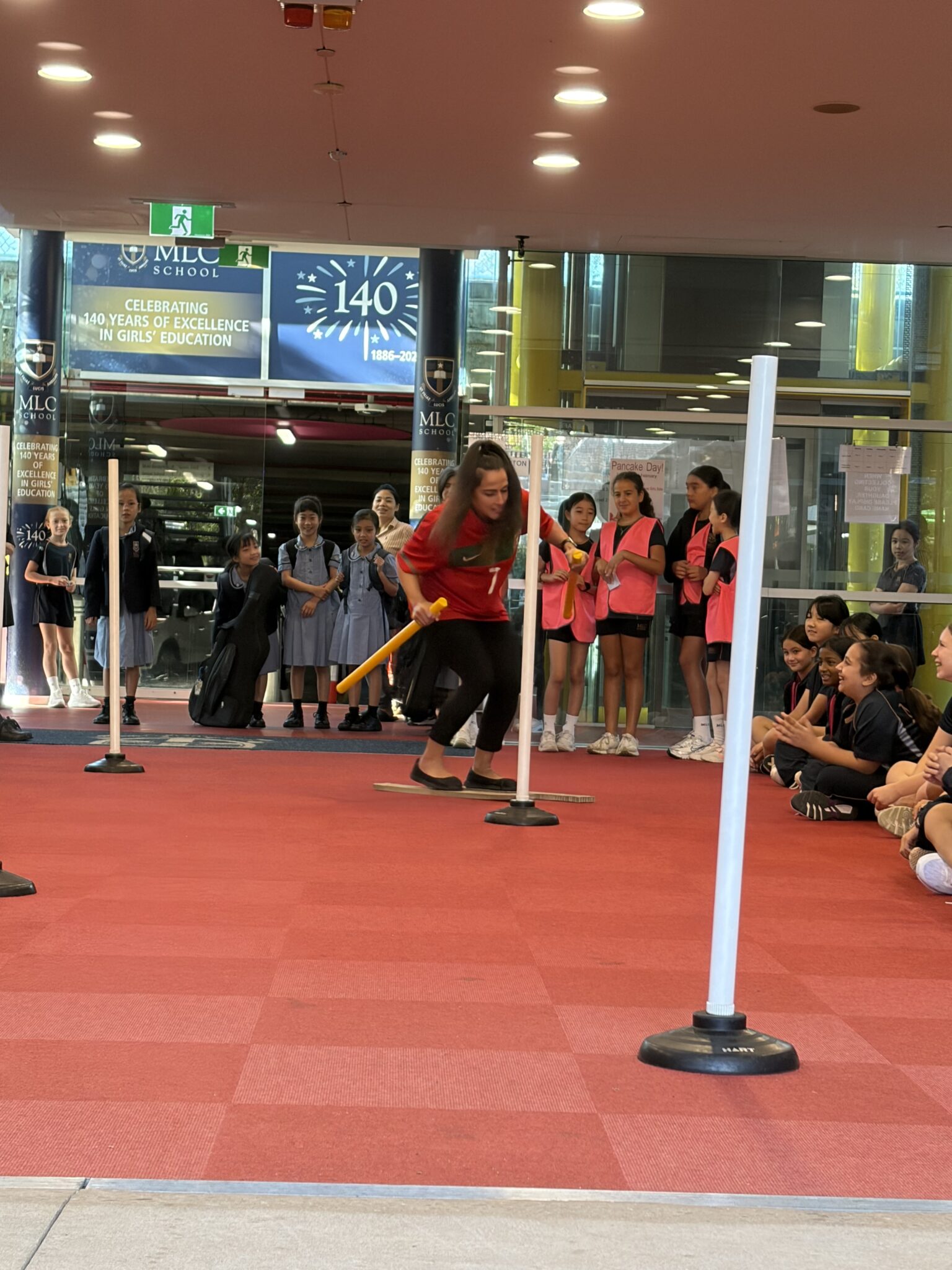
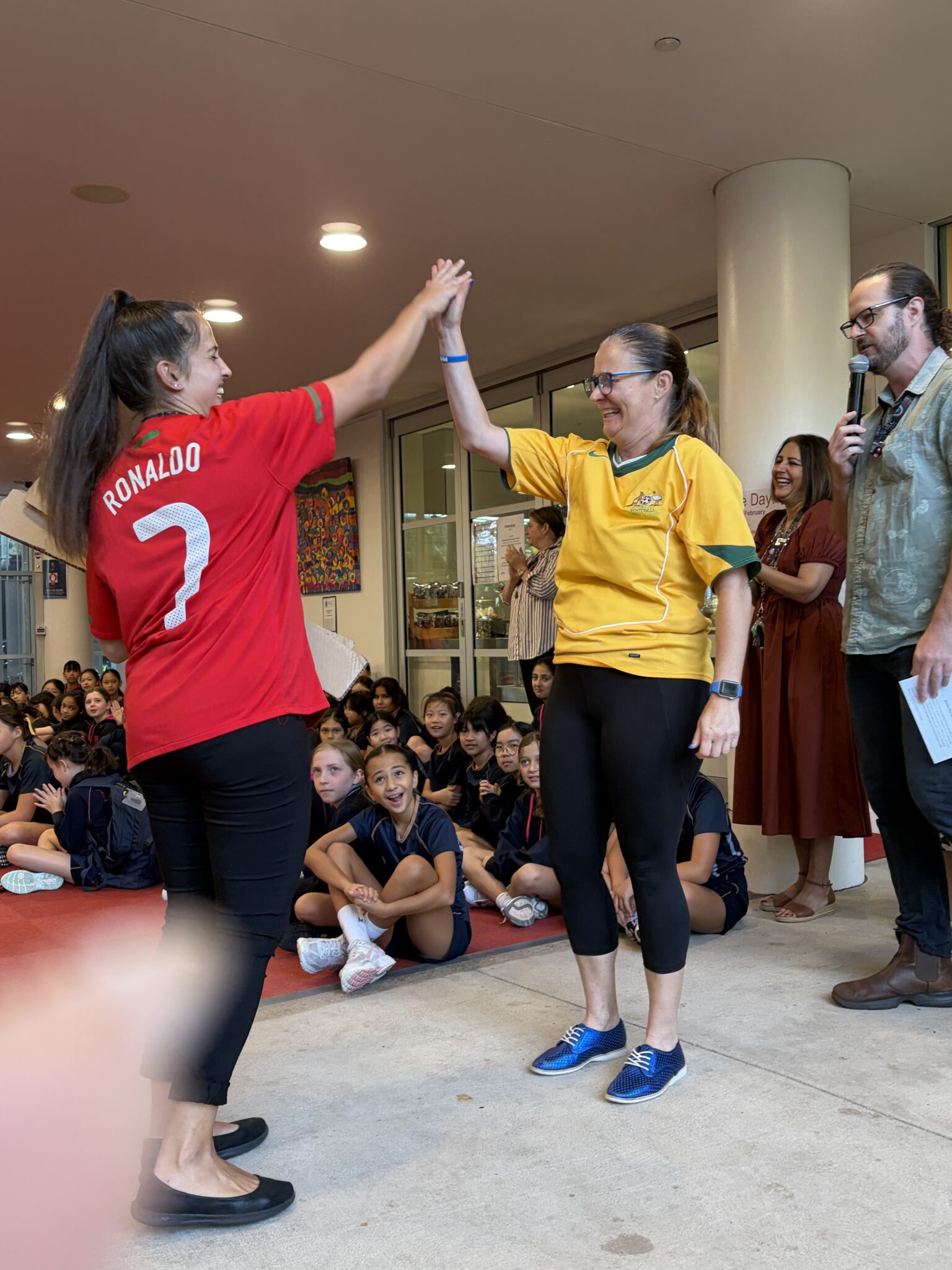
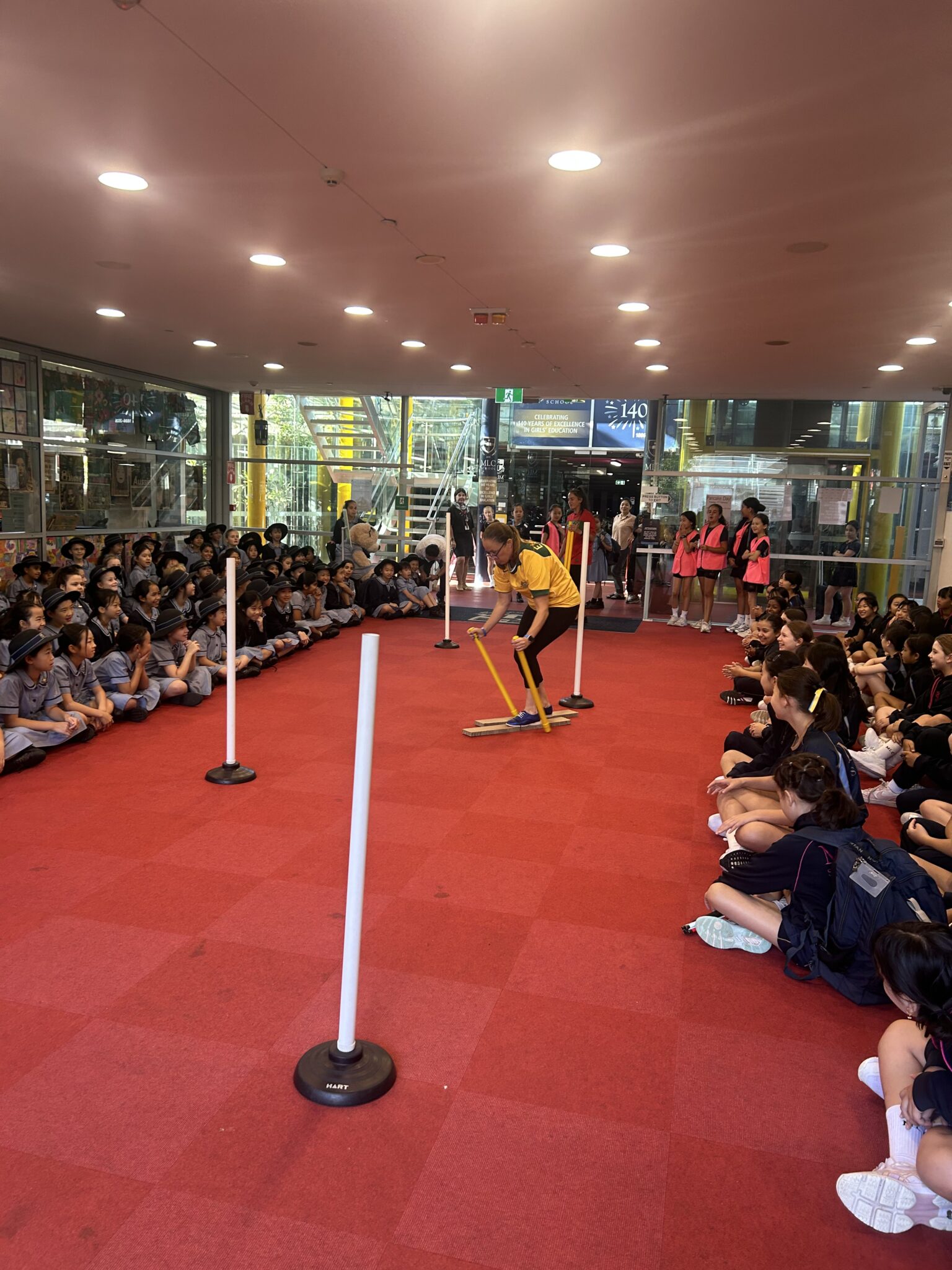
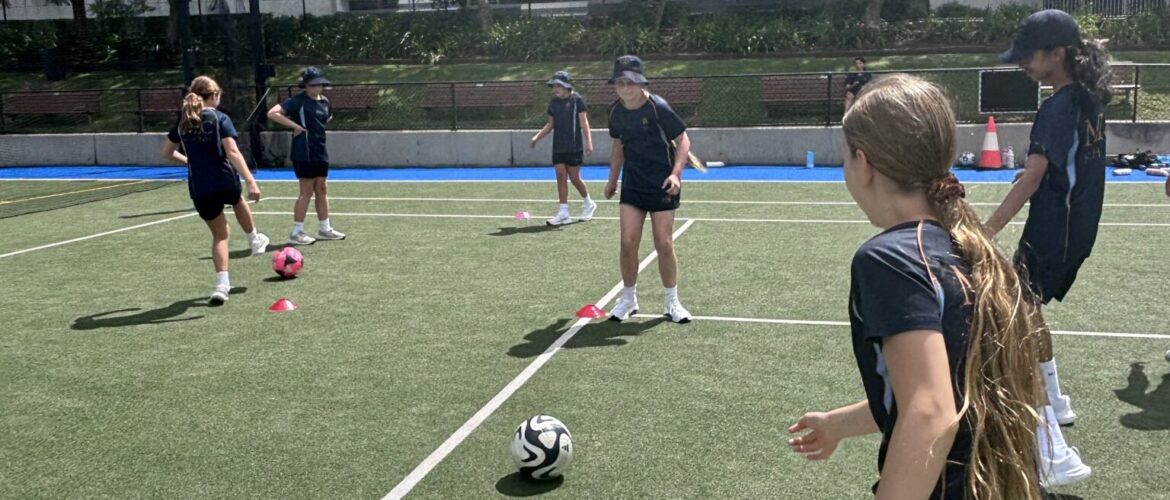
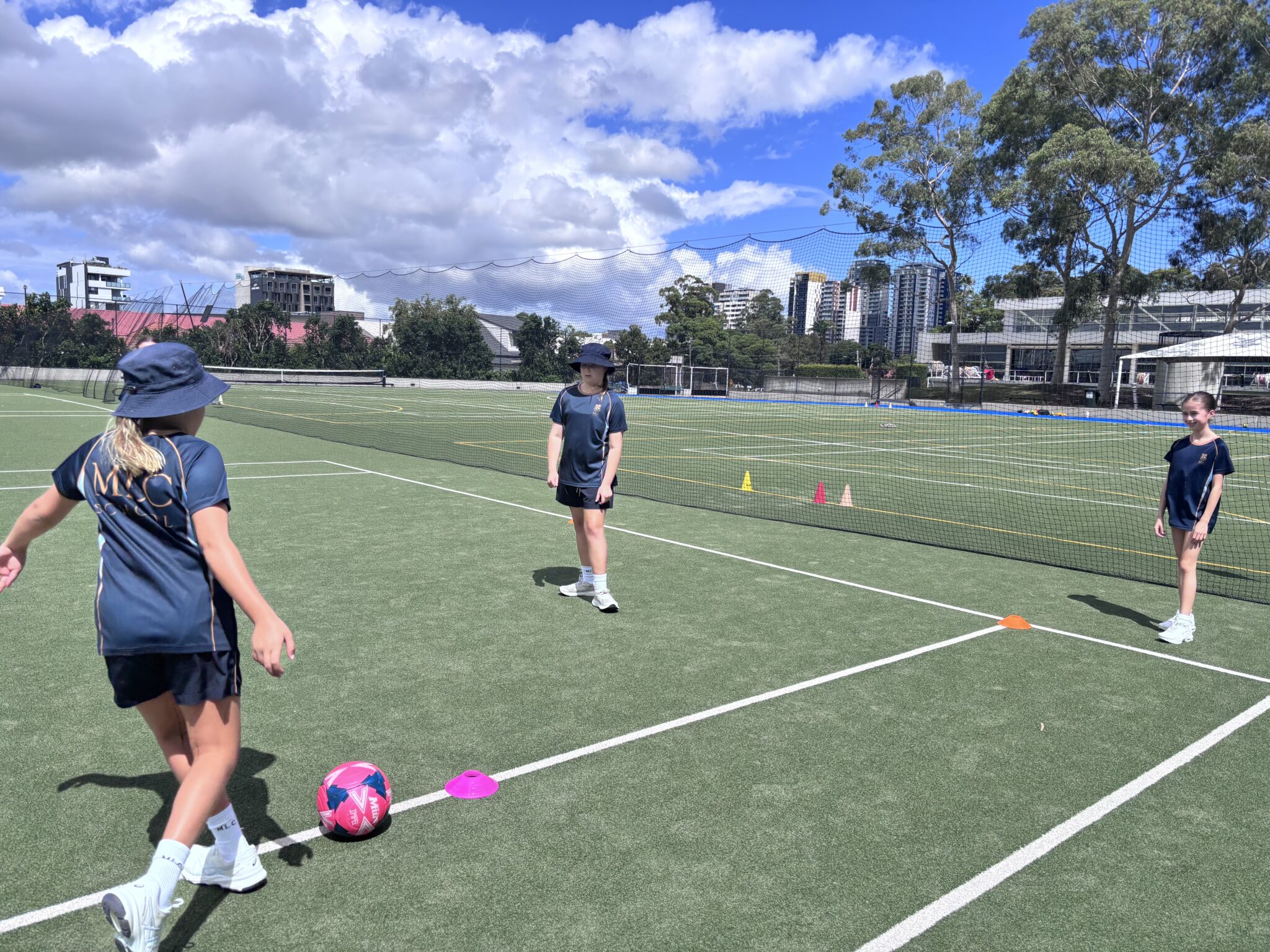
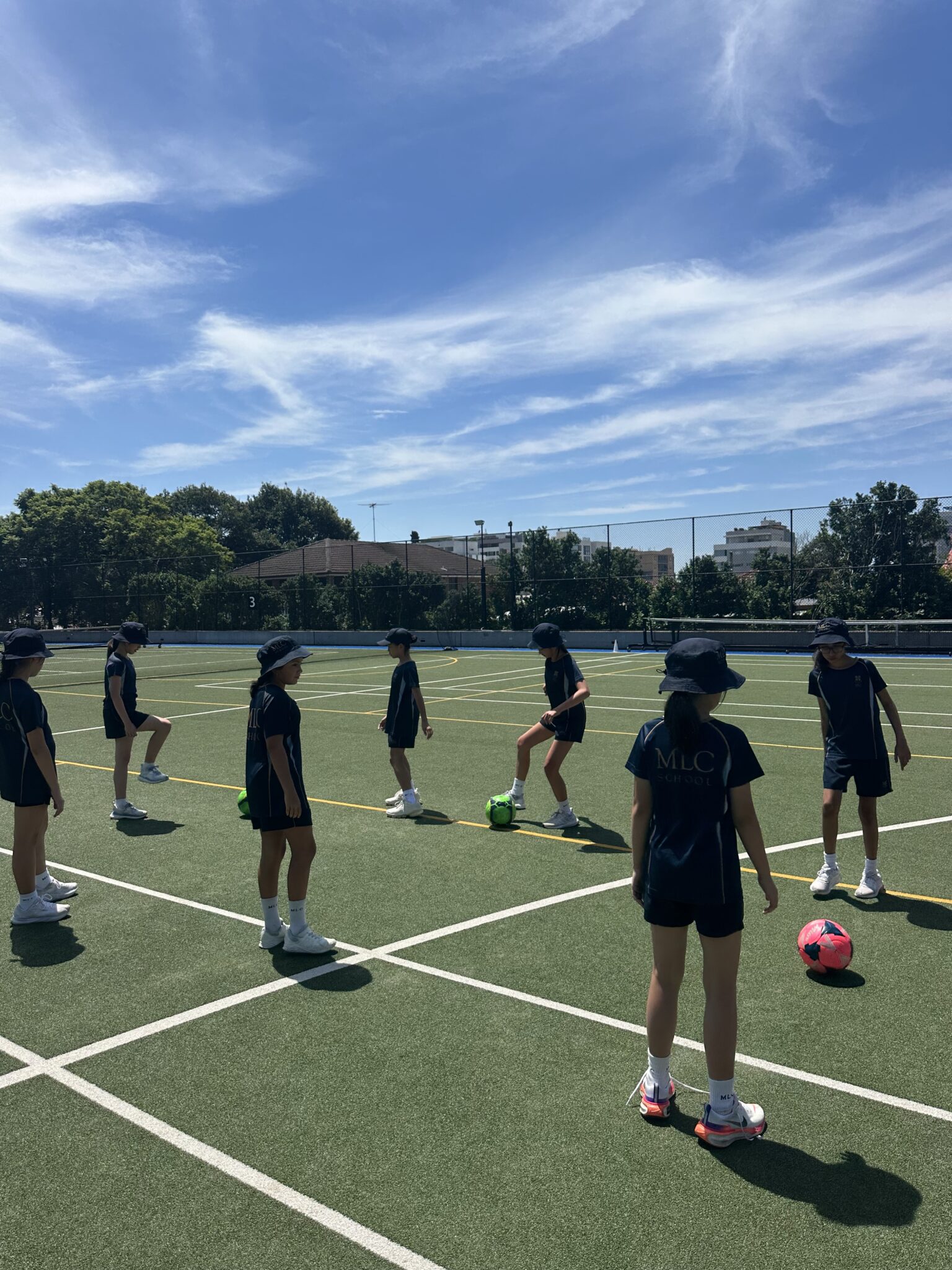
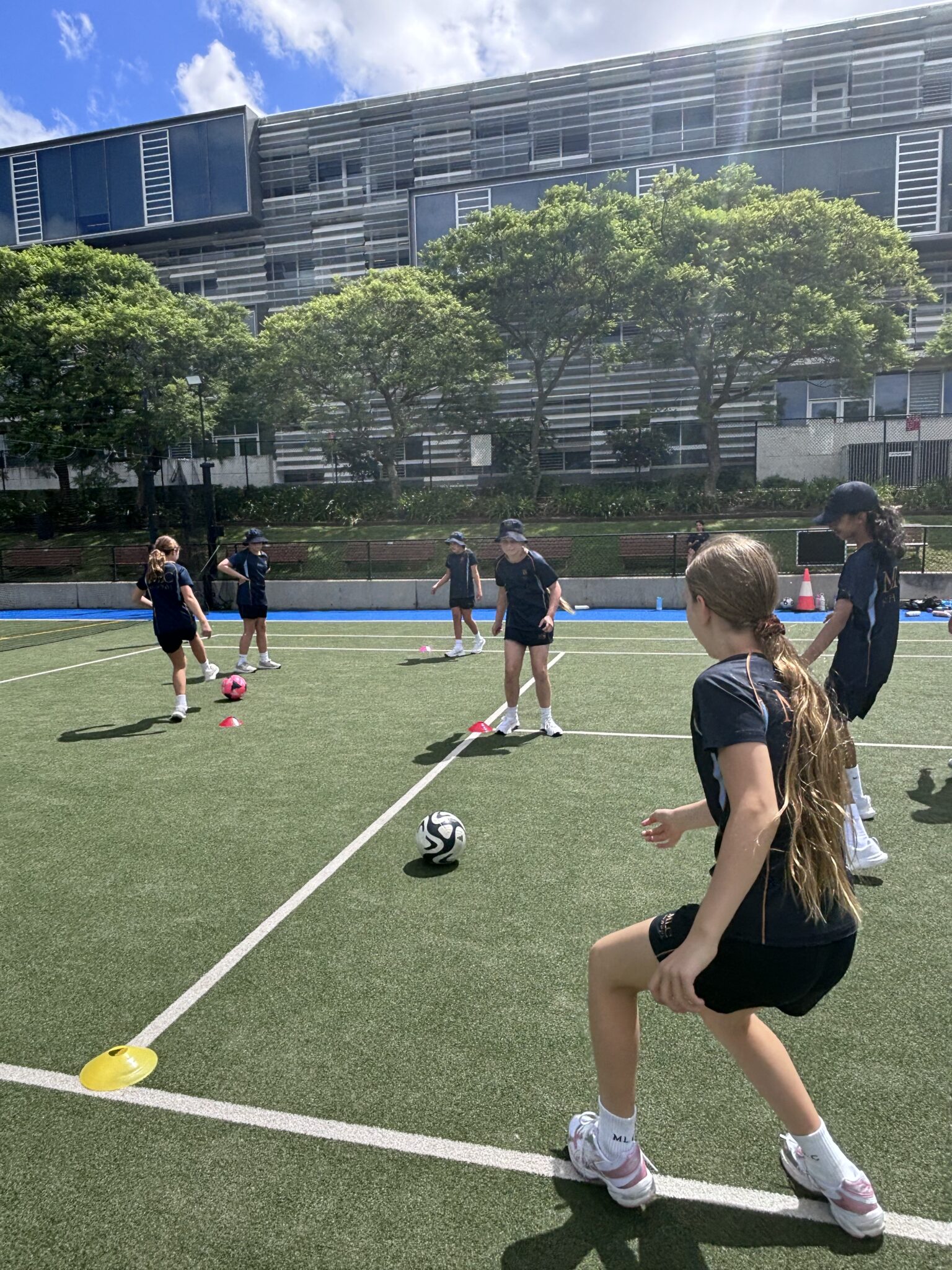
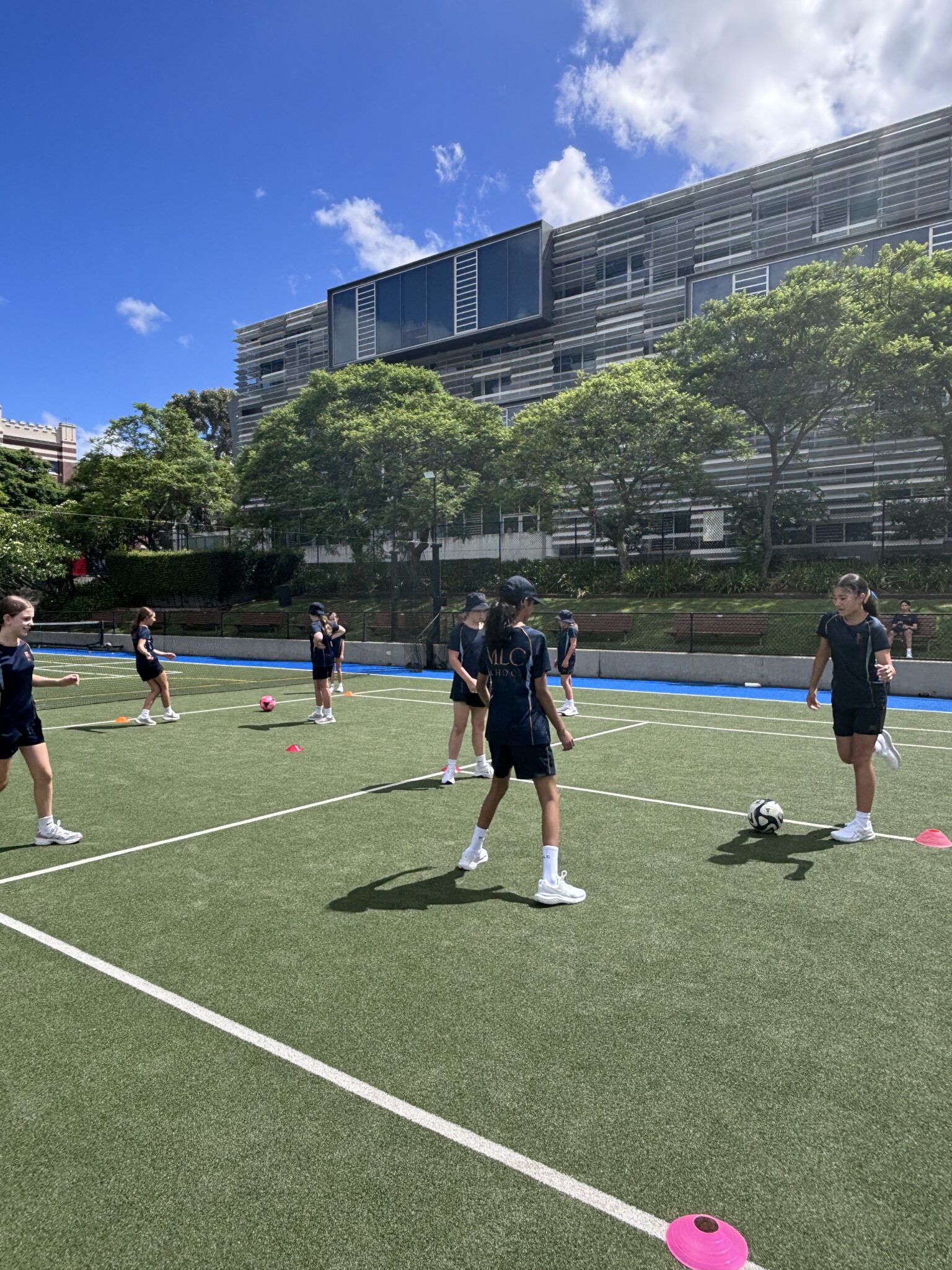
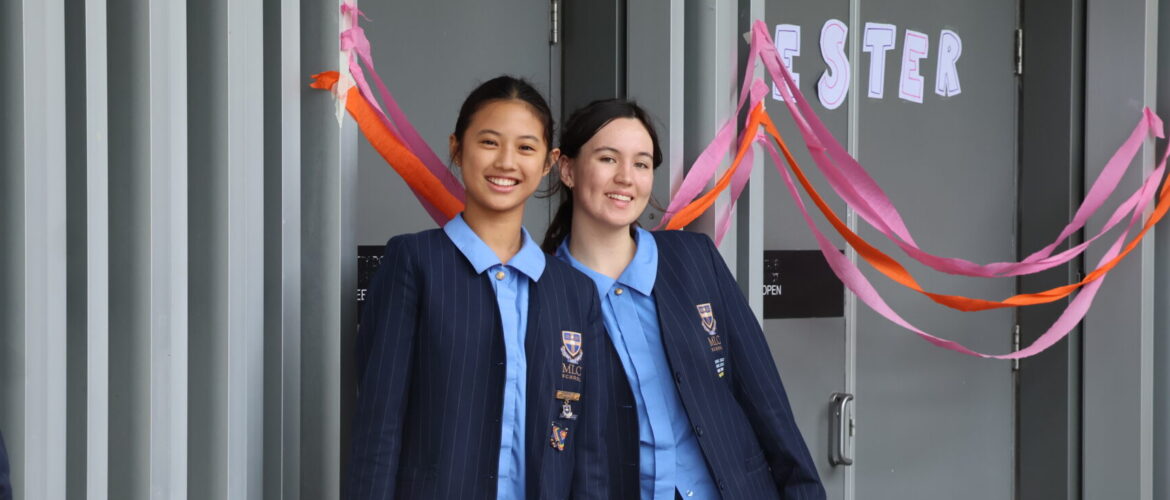
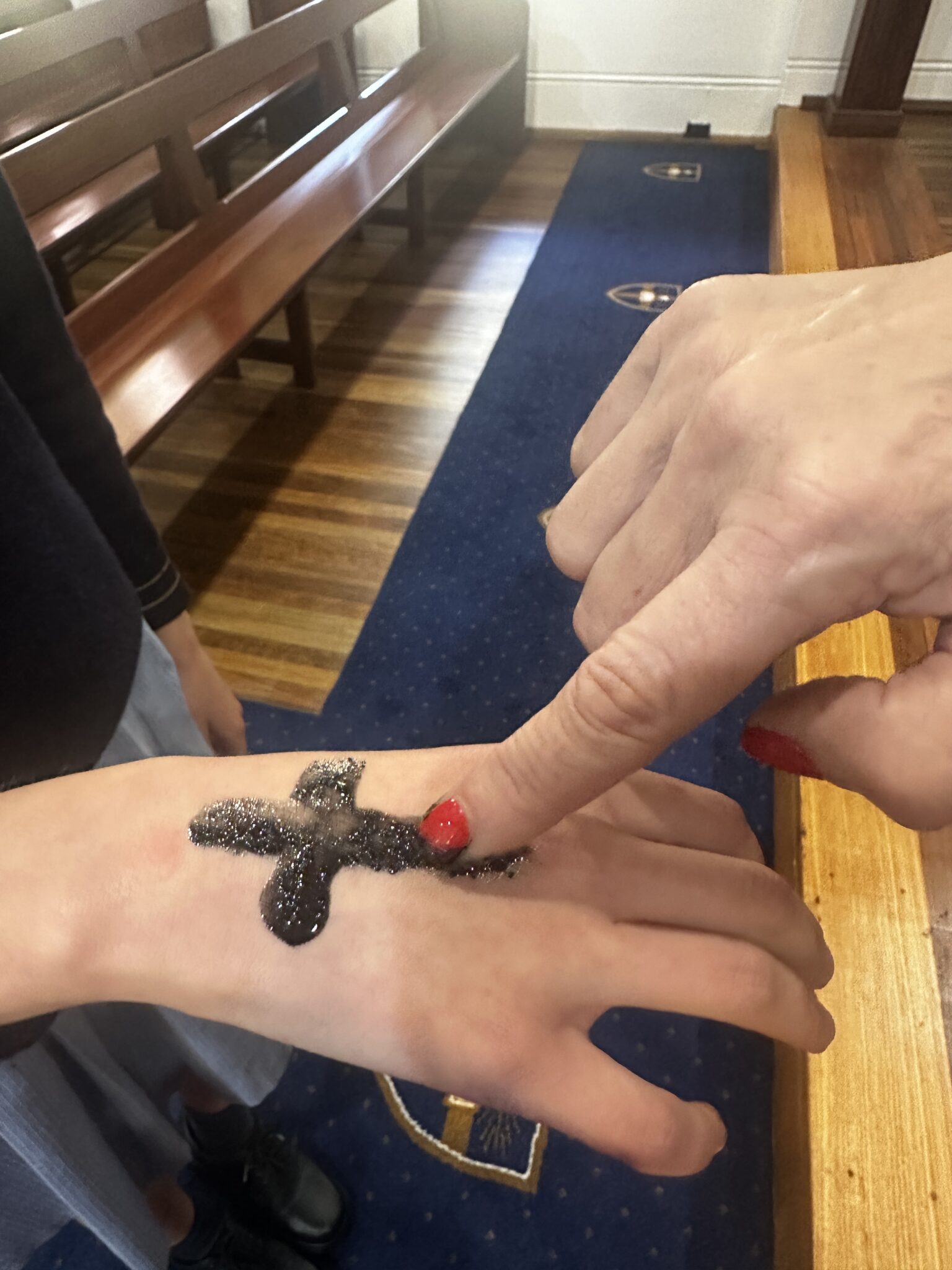
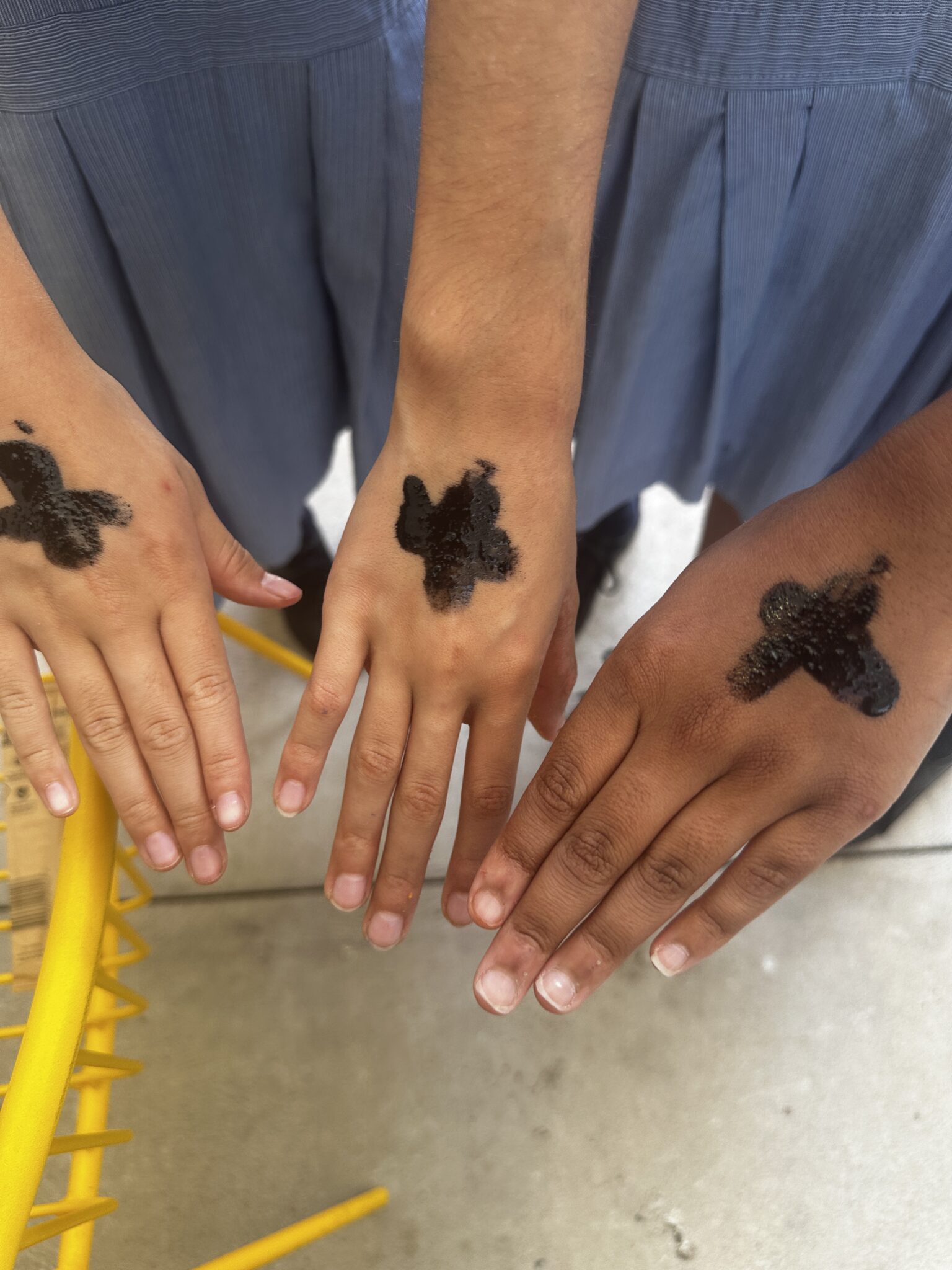
 As we wrap up Week 4, we reflect on another great week in our school community. Our first House Chapels were held for Mooramoora and Leawarra; and we were proud of the way our Year 12 House Captains and leaders came together to support their Heads of House and Rev Vinnie for the family gathering. The week was also brightened by a fabulous “Lester L’Amore” Galentines celebration for Valentine’s Day. Every locker and office door had a homemade love heart which definitely brought a smile! Well done to Yoyo Wu (Year 12) and Hannah Shortus (Year 12), Lester House Captains.
 Supporting the Mental Health of our Young People

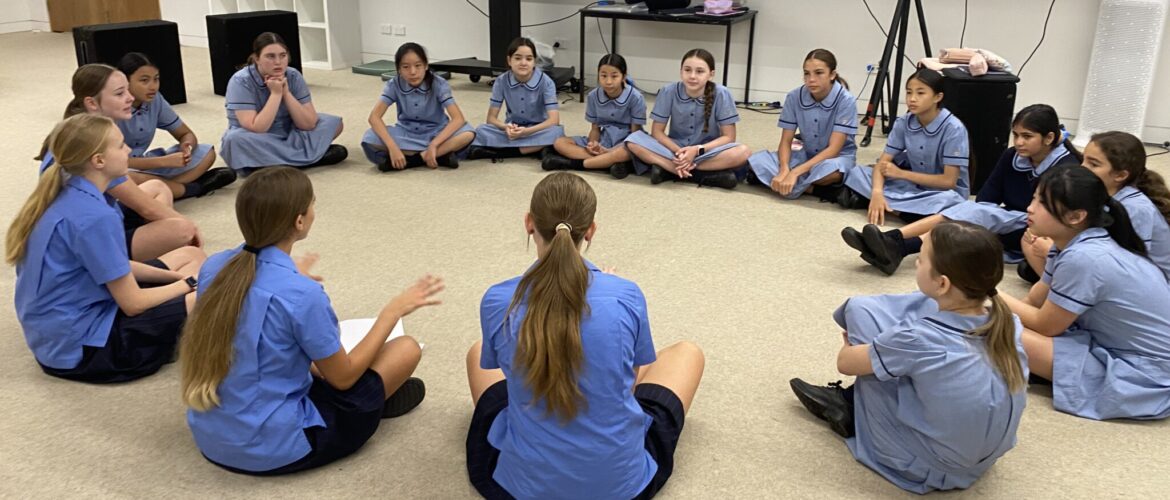
 In Luminary this week, Year 7 attended a session focused on building positive relationships and resilience. The session was facilitated by our Year 10 Peer Support Leaders, who guided Year 7 through activities designed to help them get to know one another and work cooperatively. The session also introduced the concept of resilience, and Year 10 leaders focused on helping Year 7 recognise that challenges are a normal part of learning and growth in Senior School.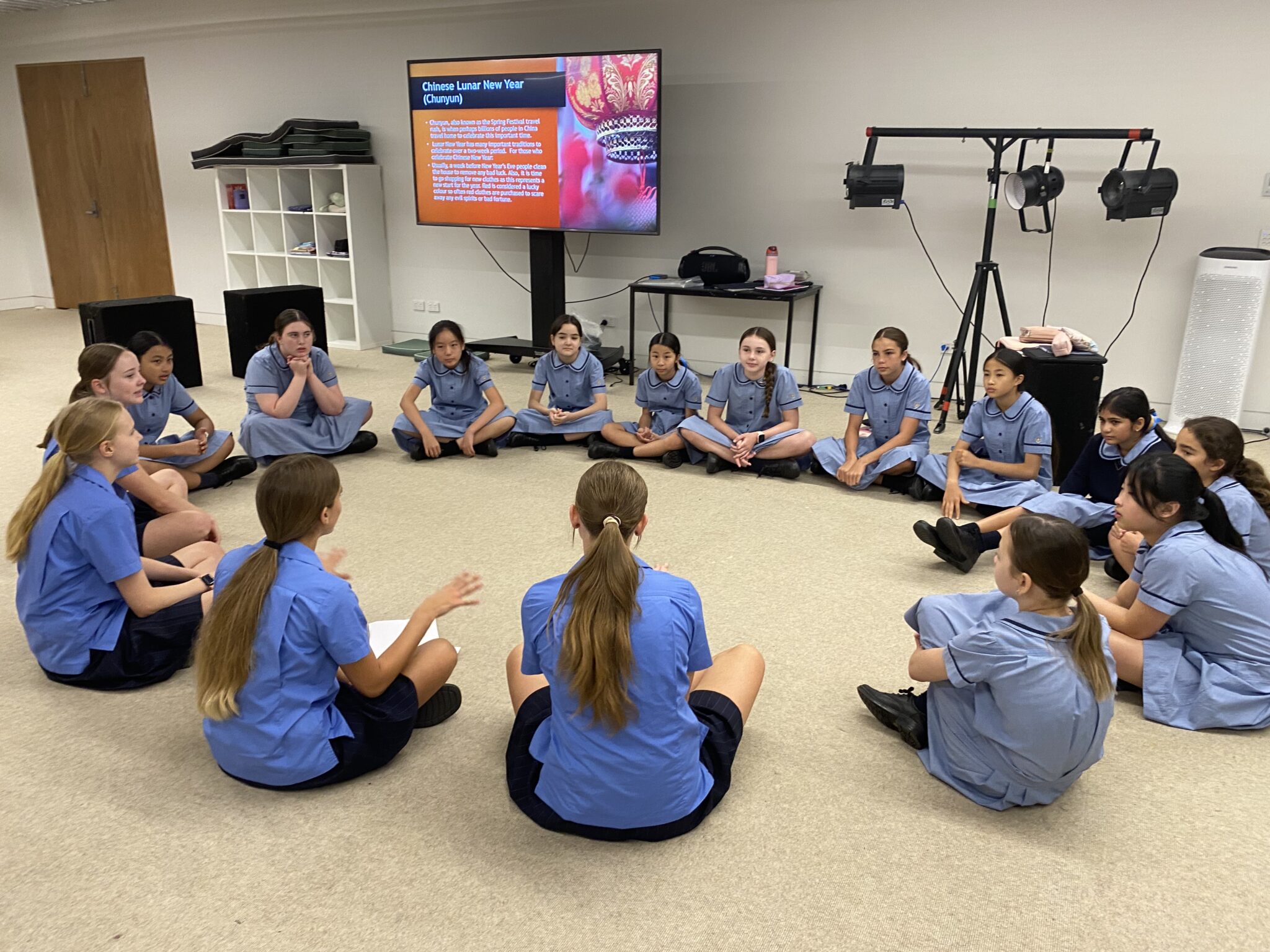
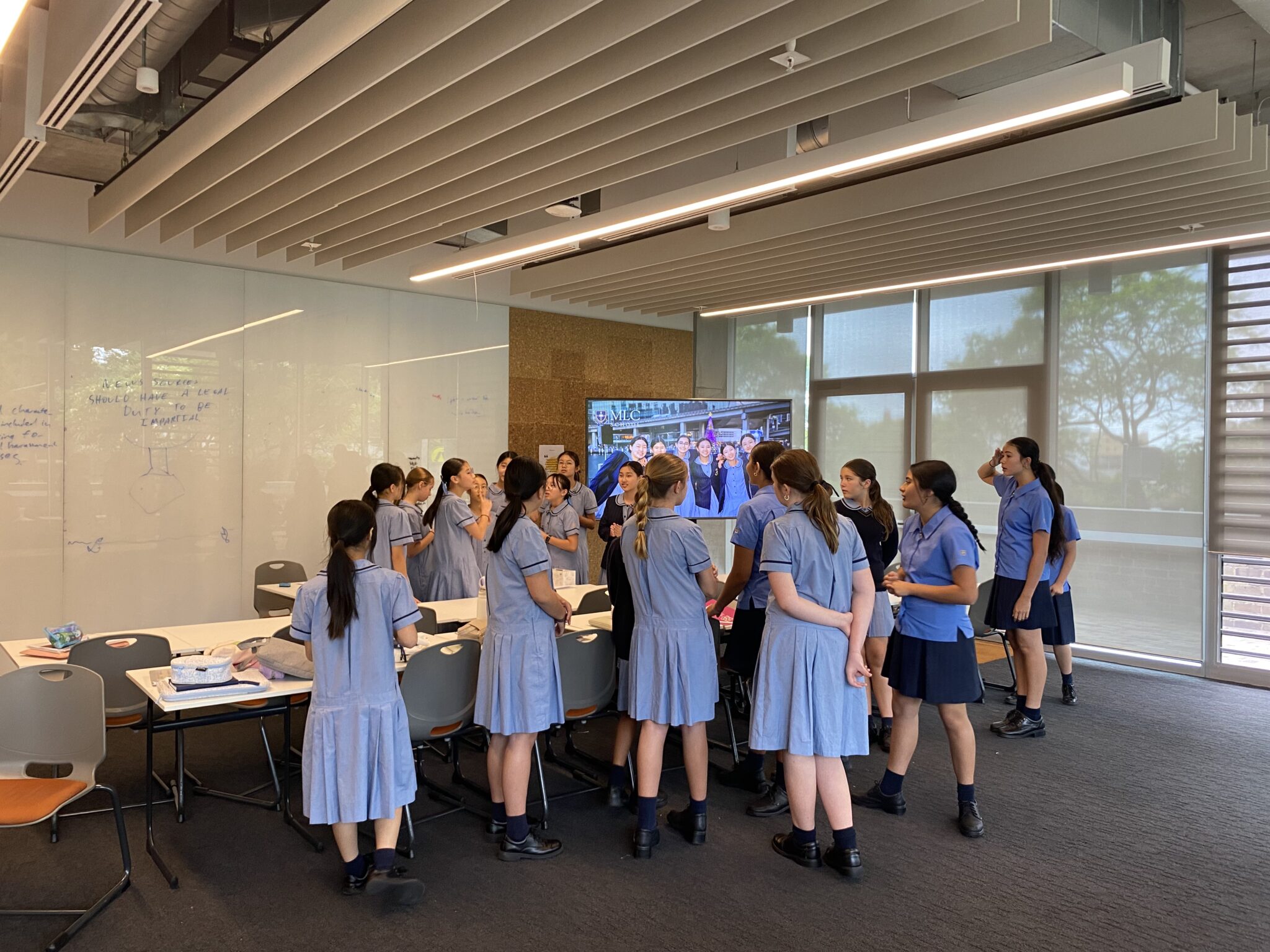
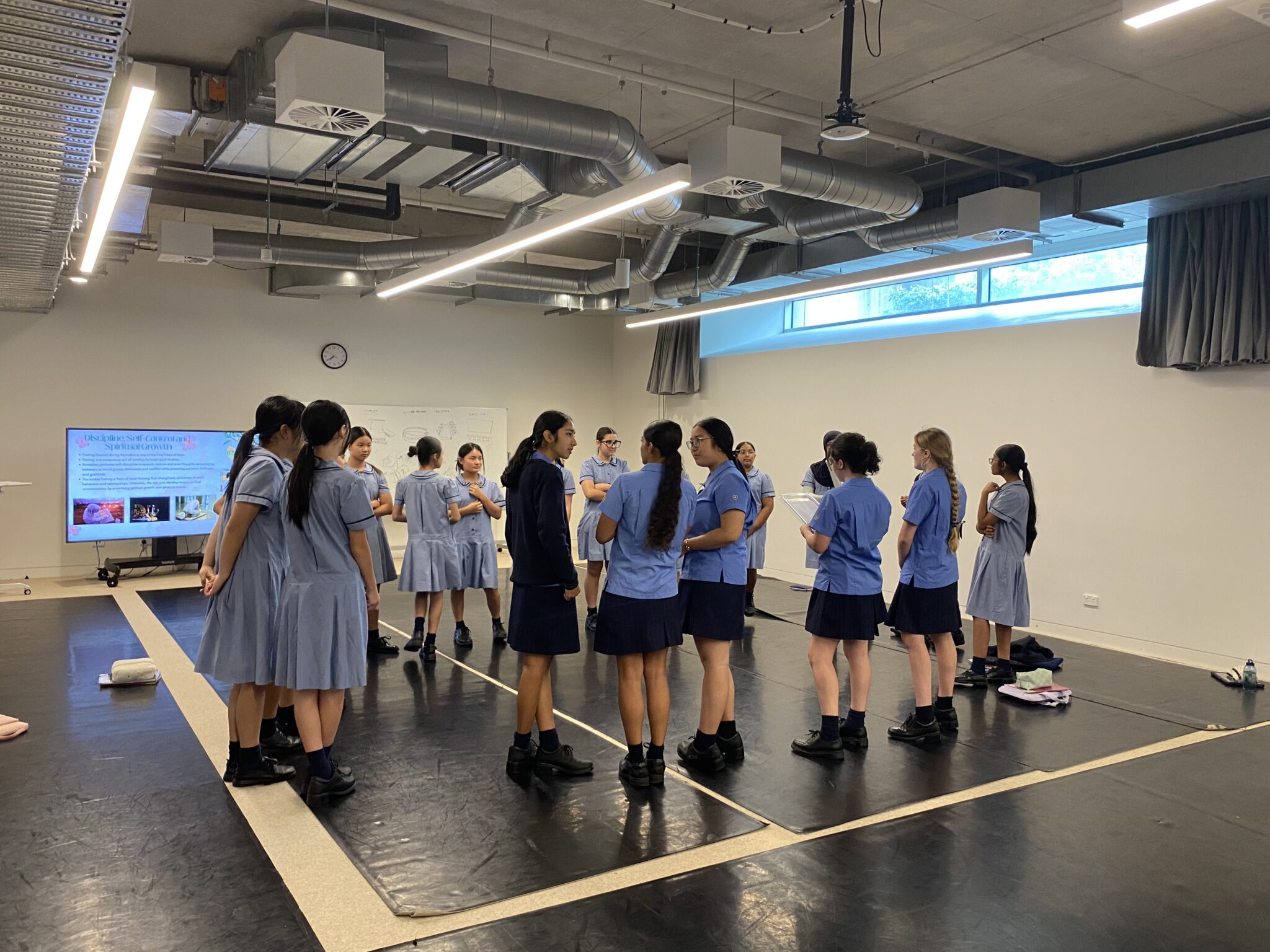
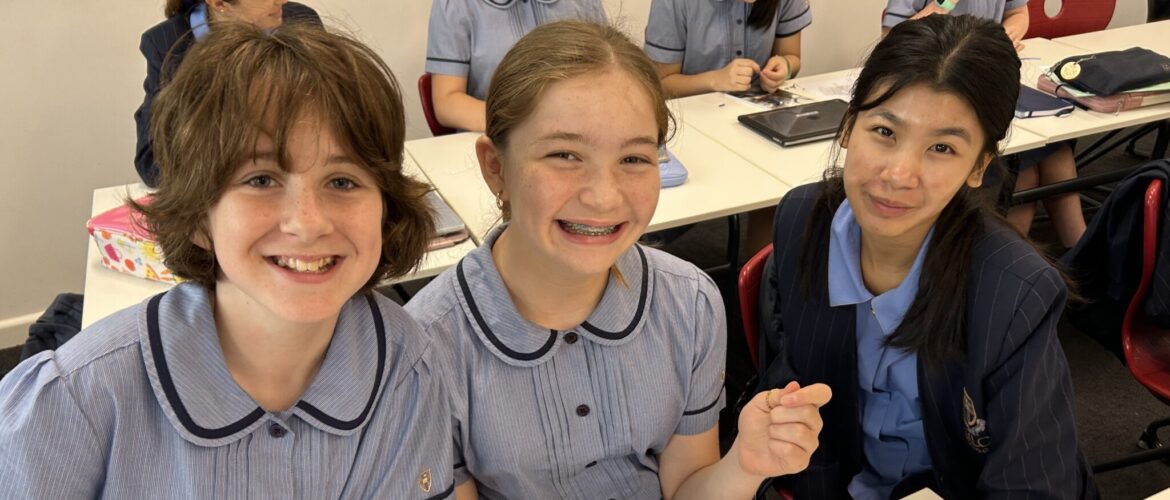
 Things are getting busy in Year 8! Last week our students had their first catch ups with their Year 12 Big Sisters. It’s so enjoyable to watch the students interact in vertical friendships and participate in fun activities together. Year 8 will see their Big Sisters twice more this term.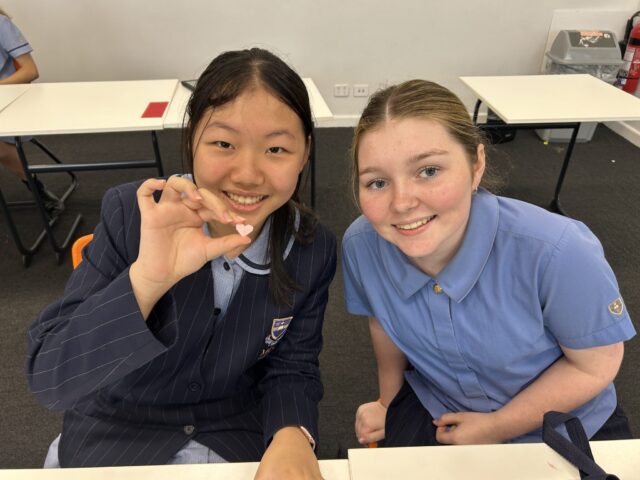

 As we reach the end of Week 4, it is hard to believe how quickly the term is progressing.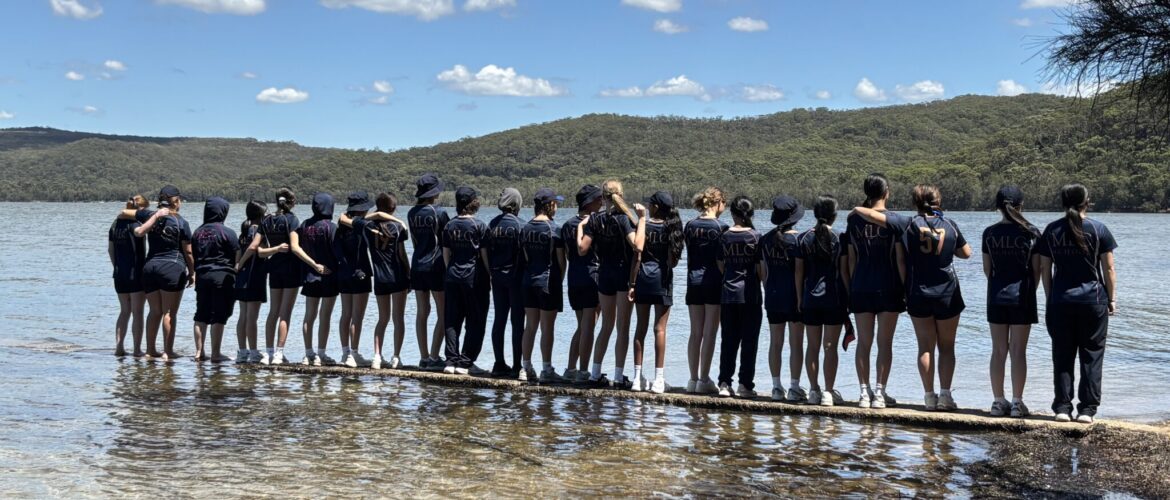
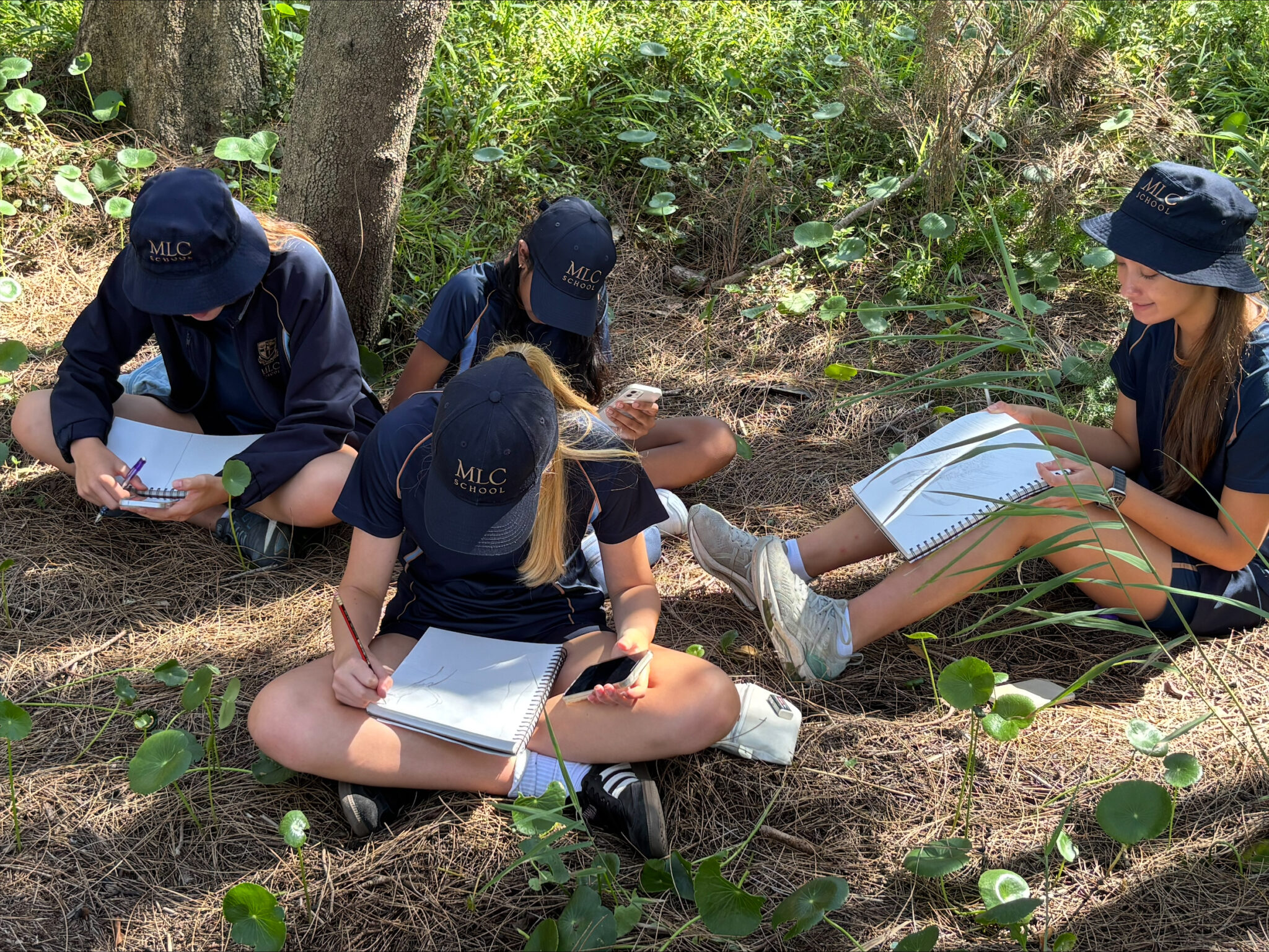
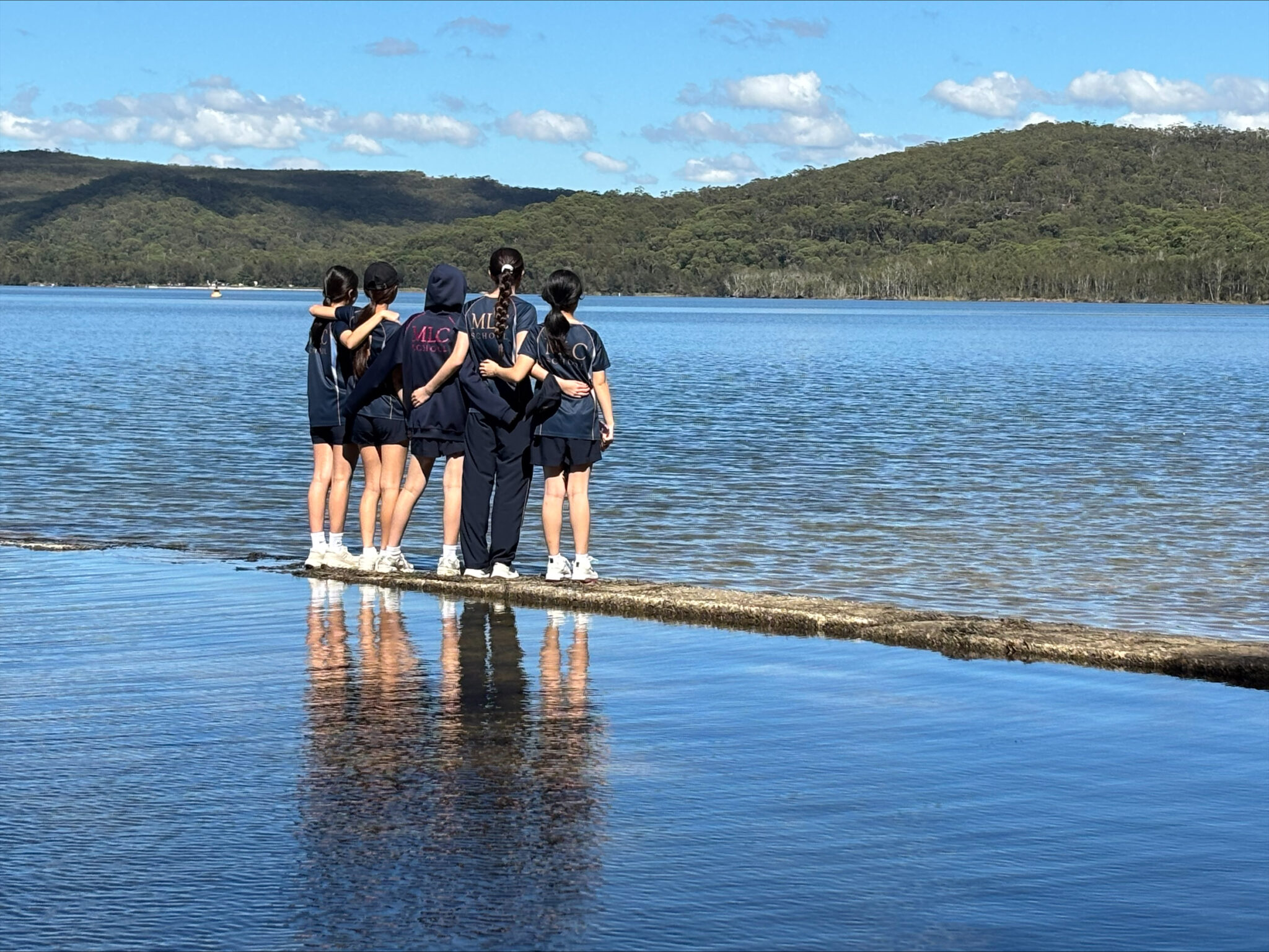
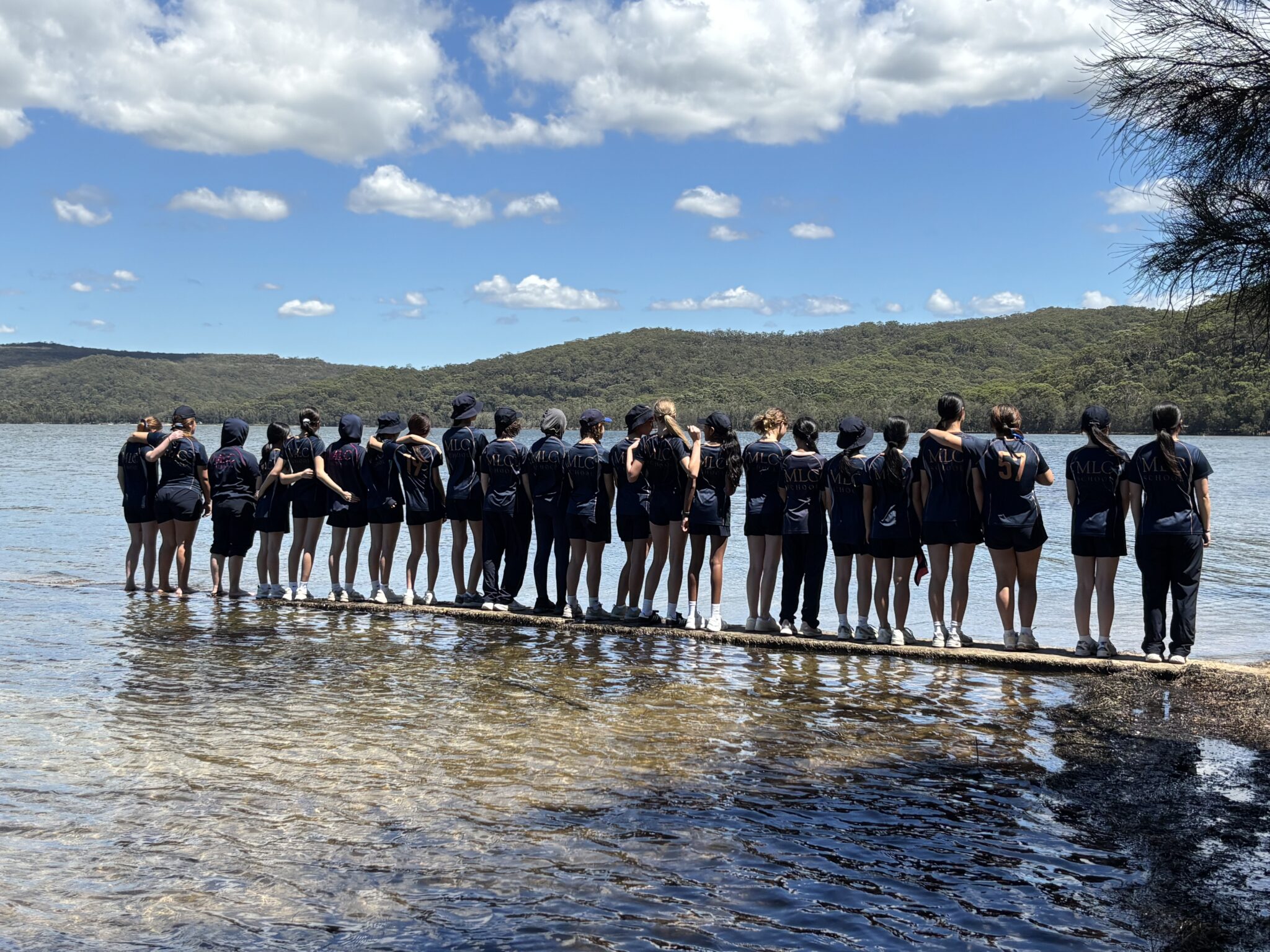


 On Monday, the Senior School participated in an evacuation and fire drill. The new PA system was tested in the Senior Centre and Year 10 did a great job following instructions and moved through the campus quickly and quietly to our emergency assembly point.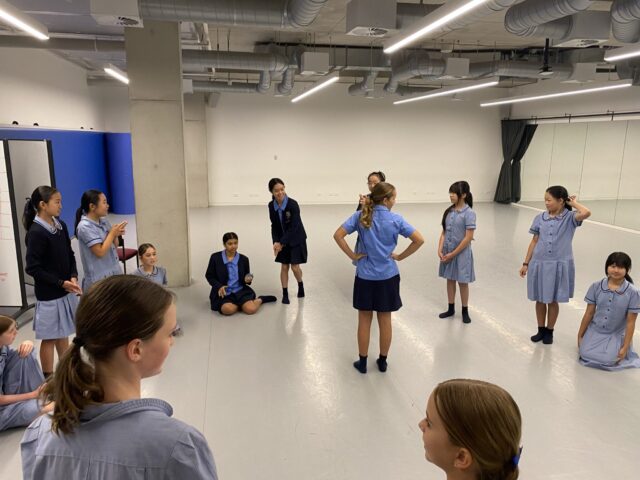

 This week in Luminary, Year 11 students spent time reviewing their Assessment Schedule and updating their calendars and to‑do lists. Students were encouraged to share their calendar at home and have it displayed somewhere visible.
 On Tuesday, Marianna Carlino (Director of eLearning) gave a presentation to the cohort about digital reputation and impersonation. She emphasised the importance of understanding how students represent themselves online and highlighted strategies for addressing or preventing negative interactions and misrepresentation on the internet.