


From Bugs to Brownies: Investigating the Future of Food in Year 9 Geography
This term, Year 9 Geography students have once again delved into one of their most exciting and thought-provoking units – ‘Food for the Future’ – exploring innovative solutions to the global challenge of food security. Building on last year’s success, this year’s program introduced a stronger project-based element, with students taking greater ownership of their research design and developing deeper understanding of sampling techniques, ethical considerations, and how to conduct a valid geographical primary data investigation.
As part of the unit, students examined the adoption and barriers of emerging protein sources such as cellular meat and insects. Each class began with a model experiment involving a blind taste test between a regular corn chip and a cricket corn chip, before planning and implementing their own investigations.
Working in groups, students designed their own experiments by developing two food samples:
- Sample A – made with regular flour
- Sample B – made with cricket flour
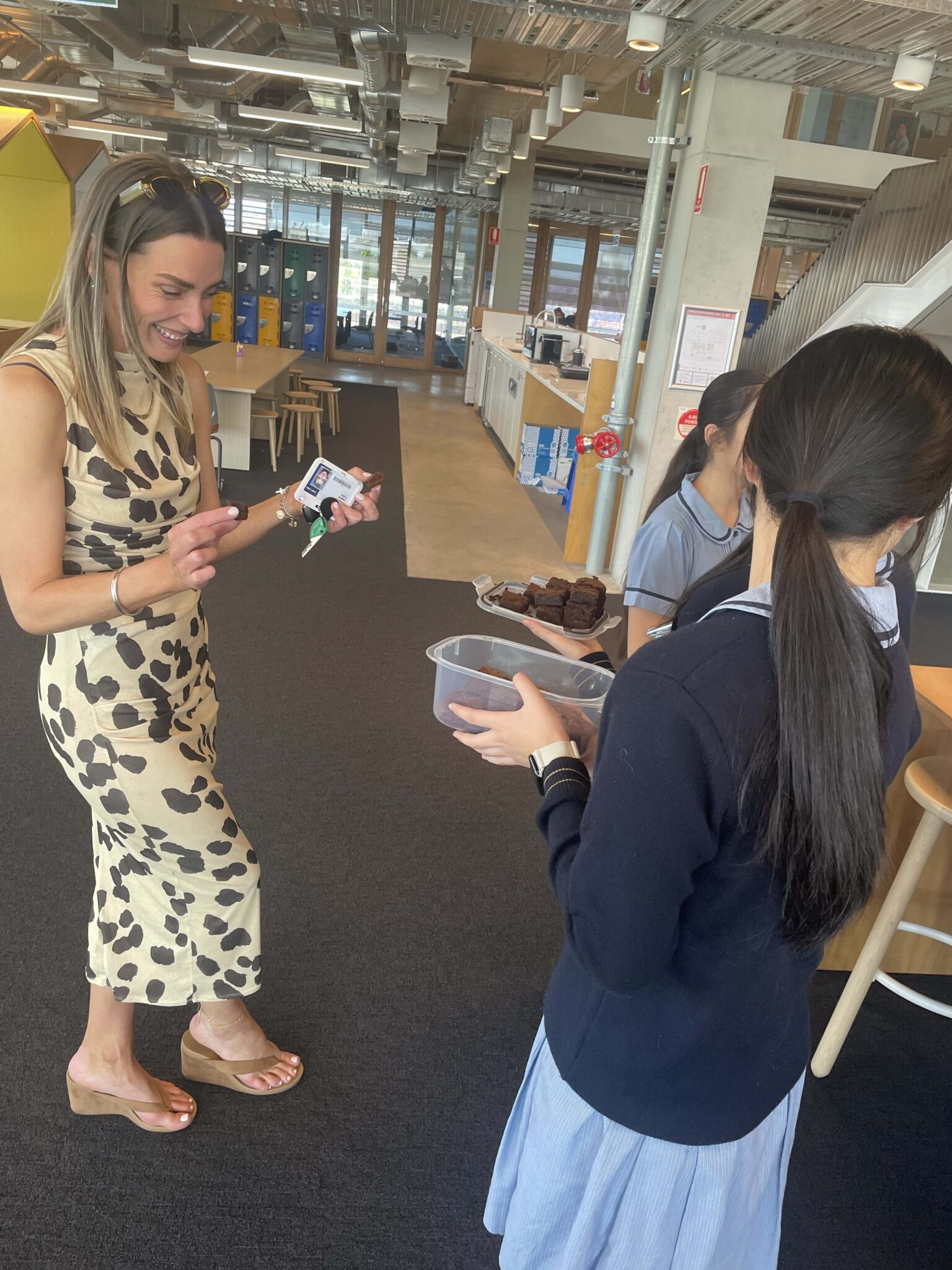
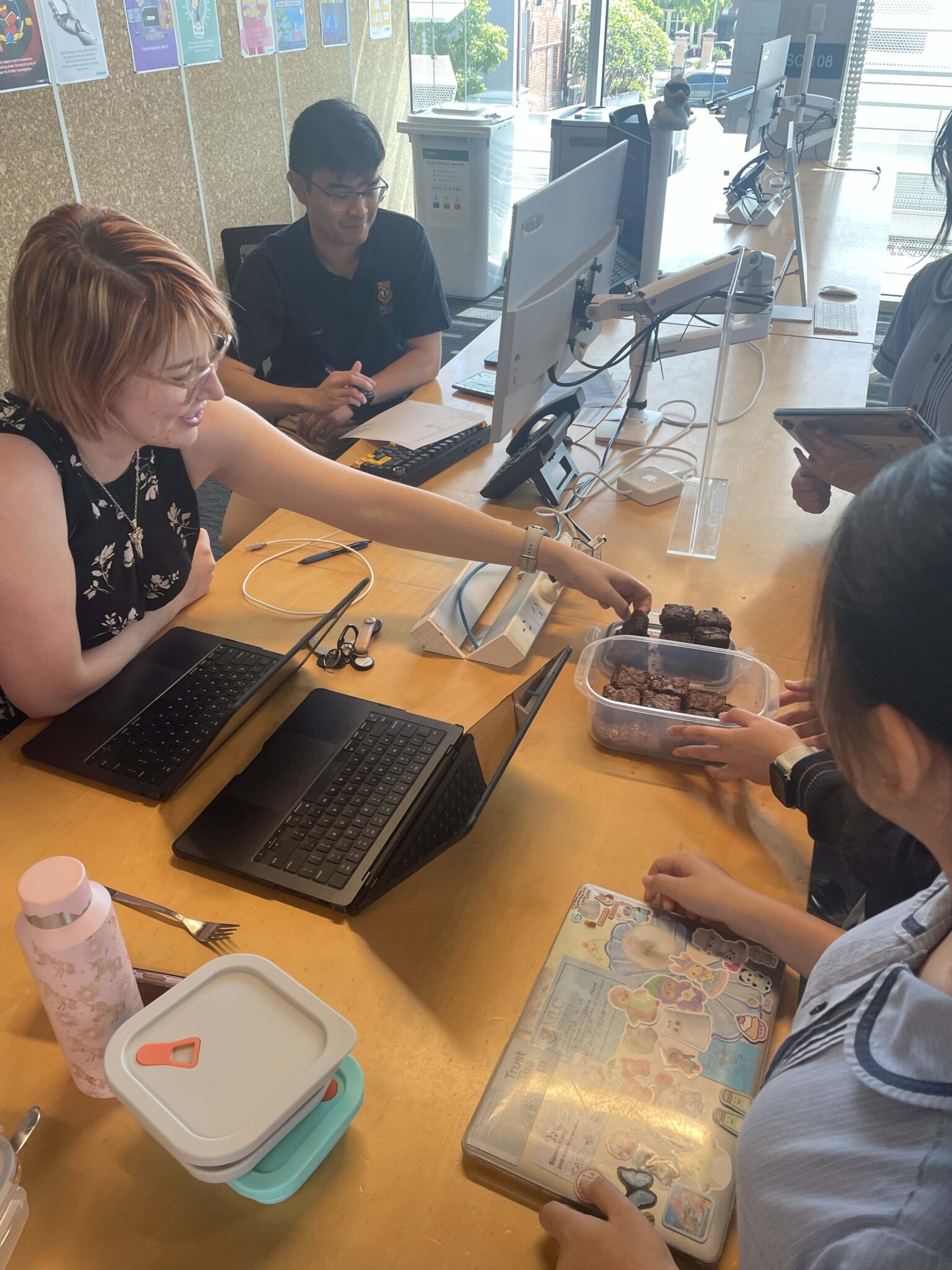
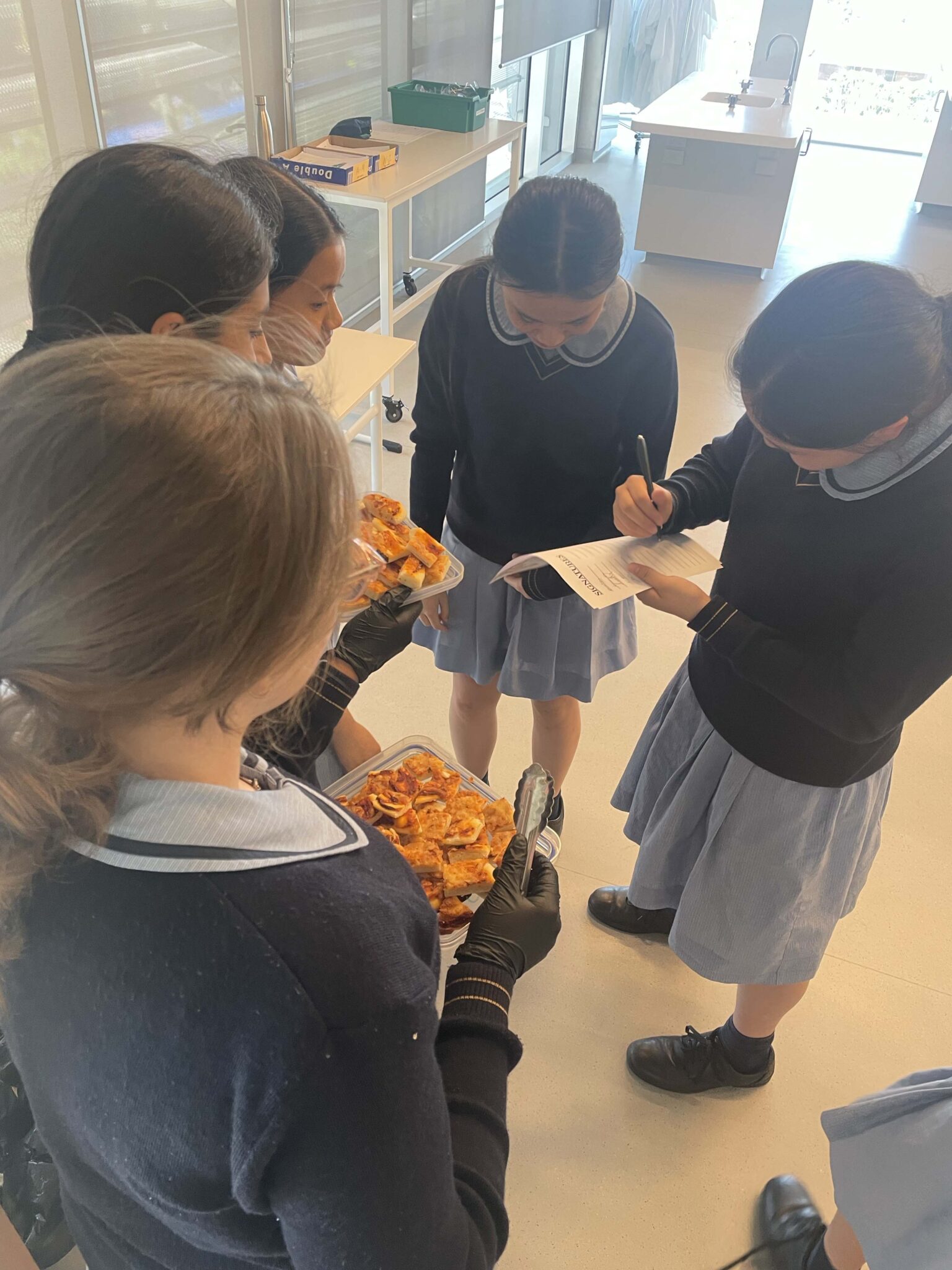
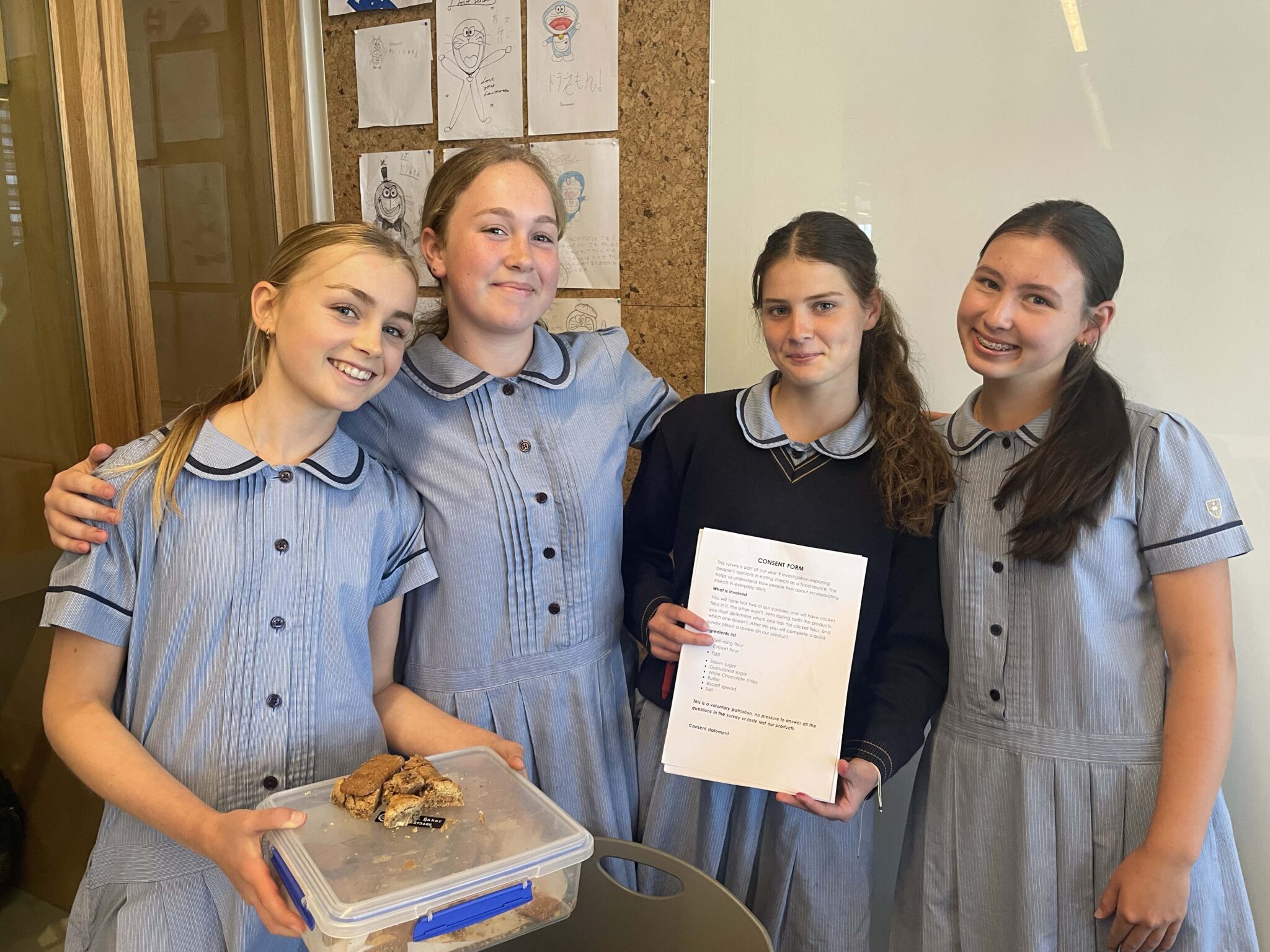
Armed with consent forms, surveys, and carefully structured sampling plans, students invited members of the School community to participate in their experiments. They explored perceptions of taste, texture, and willingness to adopt insects as a sustainable food source.
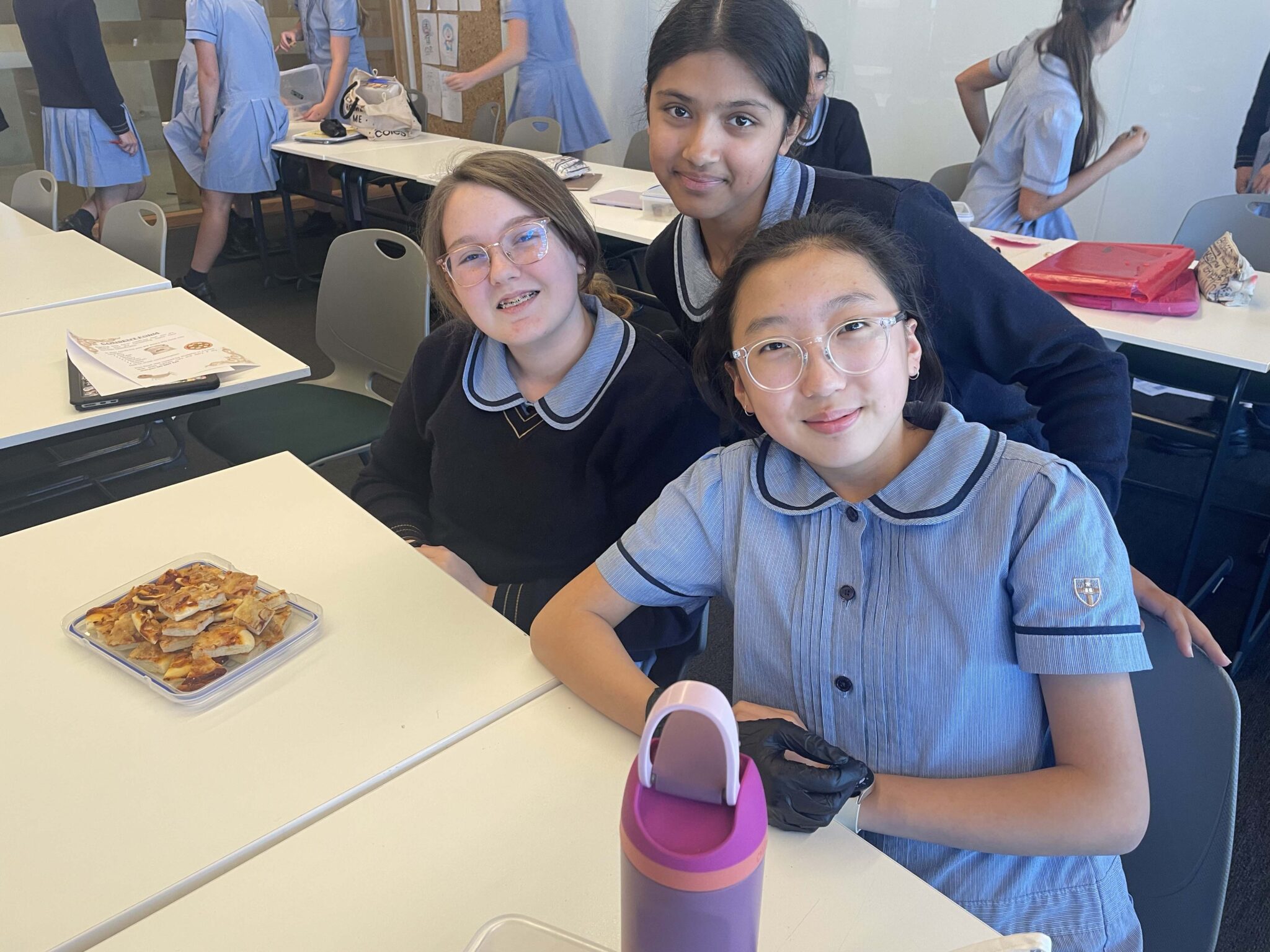
This year, the creativity and complexity of recipes was remarkable – from brownies, cinnamon rolls, macarons and pizza – each reflecting student choice and innovation. Through this inquiry, students not only developed their geographical investigation skills but also engaged critically with issues of sustainability, ethics, and the future of global food systems.
A huge thank you to the Year 9 Geography Team who helped me bring this vision to life: Lynne Bondar, Bronwyn Peace, Abbey O’Connor and Thomas McCosker. Below are some quotes from 9GE6 to summarise the unit so far:
I did not expect people to not notice the difference between normal baked goods and ones with cricket flour.
– Anjina Wagle (Year 9)
Our group made pizza with cricket flour (sample B) and plain flour (sample A) it was really successful because everyone could barely tell the difference between the two samples and all our survey answers were diverse and detailed.
– Cloris Xu (Year 9)
It was a really great experience trying to cook with insects and it was fun to cook with our friends. My group made biscoff cookies and they were very successful in terms of very similar look and taste.
– Greta Sharp (Year 9)
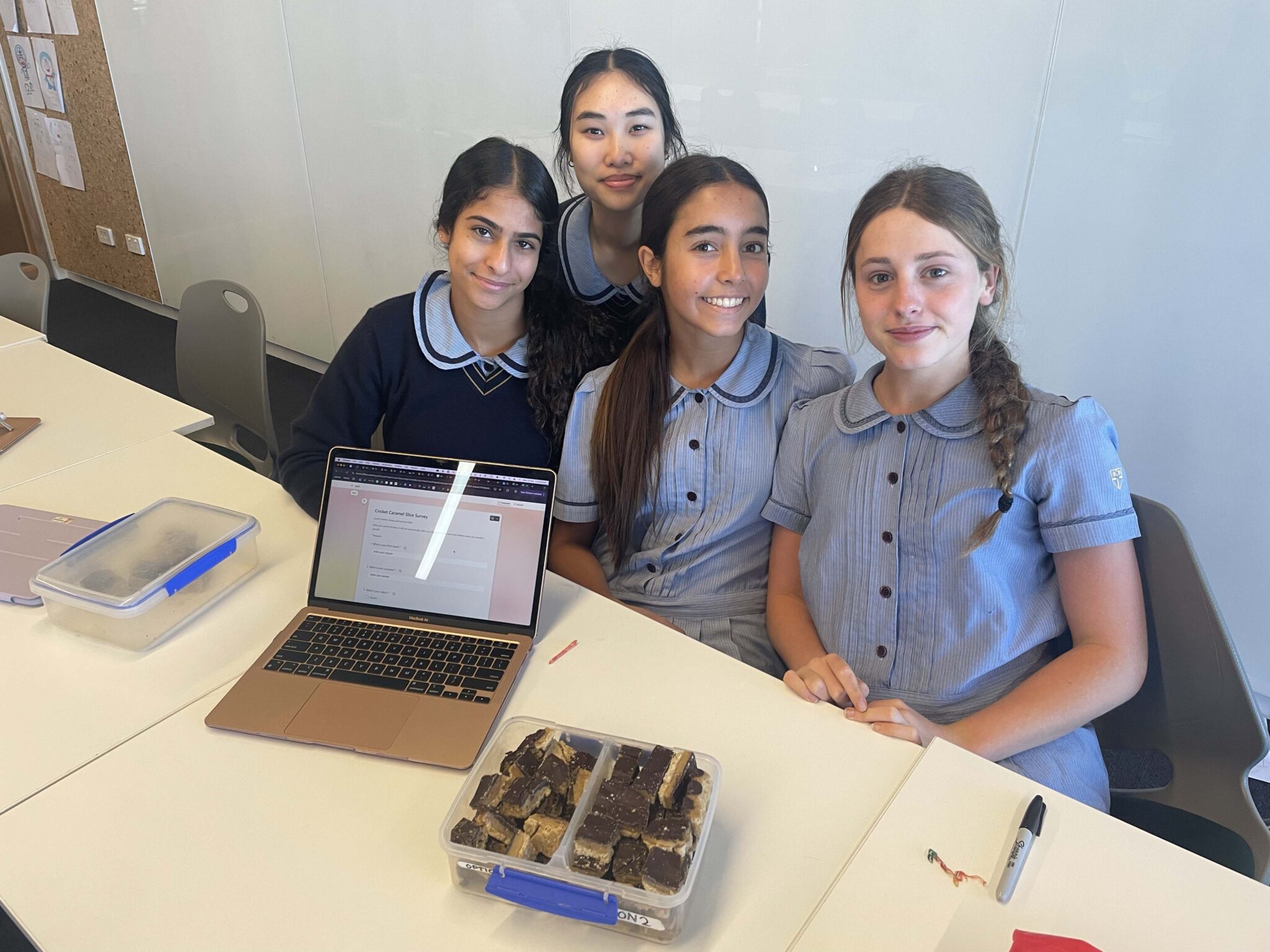
Our group made caramel slice, and the results were spilt evenly, meaning cricket flour didn’t make a notable difference.
– Xanthe Johnson (Year 9)
Our group made caramel slices which turned out to be a fantastic result! The only difference that I could measure was the crumb base being airier and crunchier in the cricket flour sample.
– Summer Le (Year 9)
Our group made brownies. It was interesting how the majority of people were able to determine which one had cricket flour since both tasted very similar.
– Sarah Zhang (Year 9)
– Danielle Rodrigues
Acting Deputy Head of Academics – Year 10 to Year 12
.