As you may be aware, we have been dismissing the College in a staggered manner this week to ensure the safety of our students and the wider community. This approach was introduced in response to increased incidents of students running down the road to catch the “early train,” which unfortunately compromises their safety and that of others.
Safety is always our highest priority. At Flag Raising this morning, I challenged our young men to lead by example demonstrating respect, responsibility, and consideration for the community. These values should guide their actions naturally, not only when dismissal is staggered or under teacher supervision.
We are proud of our exceptional students who consistently rise to meet expectations. We will continue to uphold these high standards as a reflection of the respect we have for them. Any student found acting in an unsafe manner will be asked to return to the College.
Thank you for your support as we implemented this temporary measure. From next week, we will return to our normal dismissal times and procedures.
On Wednesday 12 November, four outstanding students proudly represented Marist College Eastwood at a prestigious awards ceremony, recognising excellence in school sport.
Piers Zhou and Ben Kennedy were honoured for their representative achievements in pathway sports outside of the association. Piers for representing Australia in figure skating and Ben for his selection in the Warratahs team for Rugby Union.
Lachlan Waldron was selected by Sydney Catholic Schools (SCS) and received a medallion for his exceptional athletics field representation — specifically in discus.
Julian Smith, our Sports Captain, attended to accept a major accolade on behalf of the College. Congratulations to Marist College Eastwood – crowned Boys Conference Champions!
This remarkable achievement marks four consecutive wins. It’s a reminder that all it takes is signing up for a trial — and the journey begins. Well done to all involved!
Upcoming events:
Week 8, Monday 1 December Sydney Championship Junior Flag Football Gala Day
Week 8, Friday 5 December SCS Conference 2 Futsal Gala Day
Optional End of Year 2025 Parent Teacher Interview letter
14 November 2025
Dear Parents/Carers
The College will be running optional Parent, Teacher and Student Conferences for Years 7-11 to discuss your son’s learning. These will be held on Tuesday 16 December 2025. The College will be offering two different modes of delivery. Zoom meetings can be booked between 10.00am-1.00pm and face-to-face appointments are available between 2.00pm-6.00pm.
An important part of learning at Marist College Eastwood is feedback that will inform students on
how well they are progressing with their learning goals. Often this will afford an opportunity for
affirmation of your son’s efforts so far.
Optimal learning performances will be achieved by students who:
Reflect critically on their learning goals and lead the discussion on strategies to enhance
their learning.
Seek feedback from their teachers on ways to improve their achievement in all future
assessment tasks.
Attend all scheduled classes and engage with the classwork in every lesson.
Complete all assigned classwork and homework and seek feedback on the quality of the
work.
Ensure that time is spent each day on exercise and relaxation, or stress-reducing activities.
All Parent/Teacher Conferences will be booked via Compass. The Compass portal will be open
to make bookings for interviews on Wednesday 10 December at 8.00am and closes Monday 15 December 9.00am. To book interviews please login to Compass, select the Community tab and then select Conferences. Zoom links will be made available closer to the meeting day.
Yours sincerely
Ms Melissa Williams
Director of Learning and Teaching
Year 11 Community Connection Form
Dear Year 11 Parents/Carers,
We’re setting up a Year 11 WhatsApp group for parents and carers to share information and reminders, and to organise social get-togethers throughout the year.
If you’d like to join, please click the link below. It’s a great way to stay connected and in the loop!
St Michael’s Church Meadowbank will host a series of Sacred Music Workshops at 10:00 am (in the church) on Saturdays 15, 22 and 30 November.
These sessions are open to ALL who are interested in experiencing the joy of singing traditional church music in a choir setting or learning more about the rich heritage of Catholic sacred music.
No registration required.
St Michael’s Children’s Choir
A new Children’s Choir is forming to sing at the Family Mass on the first Saturday evening of each month. Open to all students in Years 5–10, the choir welcomes children of every skill level – no prior experience is necessary. All who wish to join are invited to attend the Sacred Music Workshops (see above).
The choir will begin with traditional hymns and simple chant, with the goal of developing towards more advanced sacred music such as motets and polyphony. This is a wonderful opportunity for young people to grow in their love of music, develop their vocal skills, and participate more deeply in the beauty of the liturgy.
All are warmly invited to take part in the Sacred Music Workshops as we encourage our young parishioners to discover and share the timeless beauty of the Church’s musical tradition.
Every parent knows that moment: the eye roll, the sigh, the sarcastic comment, or even outright refusal to do what you’ve asked. Whether your child is five or fifteen, backchat can leave you feeling frustrated, disrespected, and unsure of how to respond.
But what if I told you that backchat might actually be a sign of healthy development? An inconvenient and clumsy sign, perhaps. But a sign nonetheless. How so?
When children talk back, it often shows they feel safe enough to express disagreement with authority—including ours. This isn’t rebellion for rebellion’s sake; it’s the stirring of critical thinking. They’re developing their own sense of what’s fair and reasonable, and they’re brave enough to voice it, even when they know we might not like it.
The way we respond in those moments can either nurture their growing autonomy and problem-solving abilities… or teach them that challenging authority is dangerous and their perspectives don’t matter.
Here’s what parents need to know—and do—when kids backchat, from preschool through high school.
Why Kids Talk Back
Backchat is rarely out-and-out defiance. More often, it’s a child’s attempt to assert some control over their world when they feel powerless. When kids experience:
Over-control (decisions imposed without their input)
Overwhelm (expectations that feel impossible to meet)
Disconnection (sensing their thoughts and feelings don’t count)
…they’re more likely to push back. And because they’re still learning how to navigate complex social situations, it comes out in ways we don’t like—as sass, sarcasm, or outright refusal.
What Parents Can Do
The goal isn’t to silence your child’s voice or demand unquestioning compliance, but to help them learn more effective ways to communicate their needs and concerns whilst maintaining connection. Here are three approaches:
1. Get Curious, Not Furious
Instead of meeting their attitude with your own authority (“Don’t you dare talk to me like that!“), try genuine curiosity about their perspective.
Ask yourself: What’s underneath this behaviour? What need are they trying to meet?
You might say, “Itsoundslikeyou’rereallyfrustratedaboutthis.Helpmeunderstandwhat’sbothering you.“
This invites collaboration rather than demanding submission.
2. Acknowledge Their Reality—Even When You Can’t Change Everything
You don’t have to agree with your child to validate their experience. Sometimes just being heard defuses the tension.
“I can see why that feels unfair to you.” or “You wish you had more say in what happens in your day, don’t you?”
This shows you’re genuinely interested in their inner world—not just their compliance—even if certain expectations still need to be met.
3. Invite Problem-Solving Together
Rather than simply laying down the law, try collaborative problem-solving:
“This isn’t working for either of us. What ideas do you have that might help?”
“I need X to happen. You’re telling me Y is important to you. How can we make this work for both of us?”
If emotions are running high, suggest a pause:
“We’re both pretty heated right now. Let’s take a break and come back to this when we can really listen to each other.”
The Bigger Picture
We can’t eliminate backchat entirely—nor should we want to. Children who never question authority often struggle to think critically or advocate for themselves later in life.
What we can do is help our children learn that their voice matters, while also developing the social skills to express themselves effectively. When we respond to backchat with curiosity rather than control, we’re teaching them that it’s safe to disagree, that problems can be solved together, and that relationships can handle conflict.
Your kids are learning from you every day how to handle disagreement and navigate power dynamics. The question isn’t whether they’ll encounter conflict in life—they will. The question is whether they’ll have learned to handle it with respect, creativity, and connection.
**Quick Reminders for Parents:**
Stay curious—their “attitude” often masks a legitimate concern
Remember, they’re practicing important life skills (even when it’s inconvenient)
Look for ways to share power where possible
Model the respectful communication you want to see
Focus on connection and problem-solving, not winning For more tips and resources, visit happyfamilies.com.au.
Dr Justin Coulson is a dad to 6 daughters and grandfather to 1 granddaughter. He is the parenting expert and co-host of Channel Nine’s Parental Guidance, and he and his wife host Australia’s #1 podcast for parents and family: The Happy Families Podcast. He has written 9 books about families and parenting. For further details visit happyfamilies.com.au.
2026 Student Opal Card
Getting to school by bus in 2026
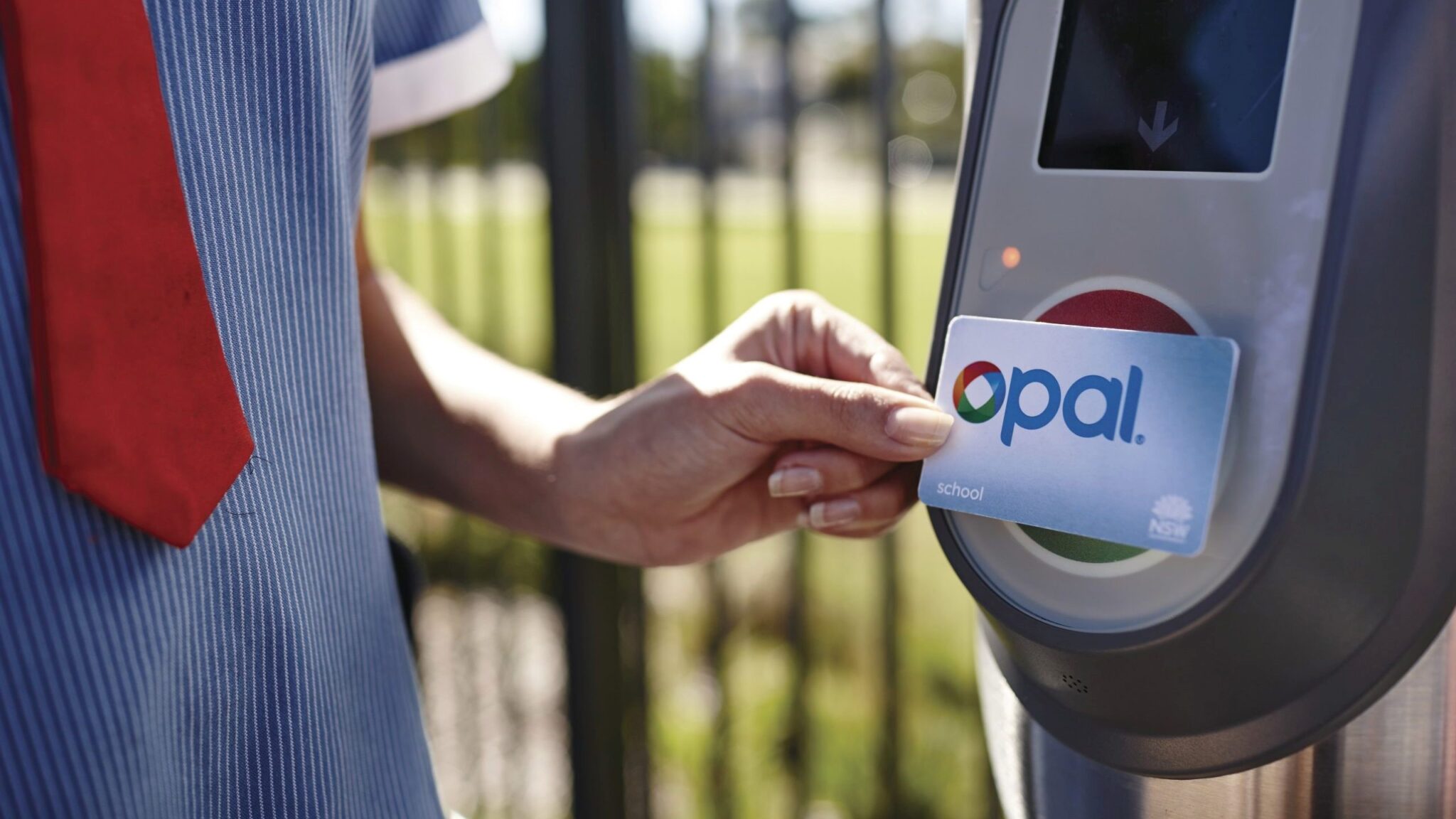
Will your child be catching the bus to school next year? Applications are now open for a 2026 School Opal cards. As this is a busy time of year, we highly recommend applying before the end of this year. It’s also a good idea to check the bus timetable to help make your child’s journey to school as easy as possible.
School Opal cards
All students catching the bus in 2026 will need a School Opal card.
For more information about the SSTS and how to apply for a School Opal Card, visit https://apps.transport.nsw.gov.au/ssts/#/ (best accessed from a desktop computer) click ‘Apply now’.
Click ‘School Services’ in the navigation bar, then proceed to ‘school timetables’
Enter the school’s name in ‘Enter a school name’ field
Select the school’s name to open the timetable.
If you are unable to find or search for the school’s name, use the drop-down menus on the same page to find the school. Once the timetable is opened, you will be able to identify which school bus services are available in your area for your child.
Teaching Respectful Online Socialising In a Catholic School Community
Dear Parents and Carers,
As parents raising children in a digital age, we have a shared responsibility to guide them in using technology with kindness, integrity, and respect. In Catholic education, we strive to nurture not only academic excellence but also moral character. This includes helping our children become respectful and responsible “Cyber Citizens.”
Children begin forming their values and attitudes toward online behaviour long before they create their first social media account. They learn by watching us. That’s why modelling respectful online interactions is one of the most powerful ways to teach them.
Core Principles of Respectful Online Behaviour
Treat others as you would like to be treated
This timeless principle is central to Catholic teaching and applies just as much online as it does in person. Remind your child that behind every screen is a real person with real feelings.
Think before you post
Words and images shared online can last forever. Unlike spoken words, digital posts can be saved, shared, and revisited. Encourage your child to pause and reflect before posting, especially when emotions are high.
Be mindful with photos
Posting photos online gives others the ability to reuse or manipulate them. Teach your child to ask permission before sharing images of others and to think carefully about what they share of themselves.
Post when calm
Emotion-driven posts often lead to regret. Help your child understand the value of waiting until they feel calm before responding to conflict or posting about sensitive topics.
Two wrongs don’t make a right
Even when faced with disrespect or negativity online, responding with kindness and self-control reflects our Catholic values. Encourage your child to be a peacemaker, not a participant in online drama.
Tips for Parents: Modelling respectful online use
Be a role model: Speak kindly online, avoid gossip, and show restraint in emotional posts.
Talk openly: Share your own experiences and challenges with online communication.
Set boundaries: Create family rules around screen time and social media use.
Pray together: Include intentions for kindness and wisdom in digital spaces during family prayer.
Faith in Action: Digital citizenship as a Catholic value
Respecting others online is not just about etiquette—it’s about living our faith. Jesus taught us to love our neighbours, forgive others, and act with compassion. These teachings apply to every part of life, including the digital world.
Let’s work together to raise children who are not only tech-savvy but also compassionate, respectful, and faithful in their online interactions. By modelling good behaviour, setting clear expectations, and grounding our guidance in Catholic values, we help our children become digital citizens who reflect Christ’s love in all they do.
Warm regards,
Manager Child Safeguarding
Reference List
eSafety Commissioner (Australia) Official government resource for online safety education, reporting tools, and support. Website: https://www.esafety.gov.au
ThinkUKnow Australia A national online safety education program led by the Australian Federal Police, focused on preventing child exploitation. Website: https://www.thinkuknow.org.au
Kids Helpline A free, confidential 24/7 counselling service for children and young people aged 5–25. Website: https://kidshelpline.com.au
Australian Catholic Bishops Conference – Office for Justice, Ecology and Peace Provides annual Social Justice Statements and resources reflecting Catholic social teaching. Website: https://socialjustice.catholic.org.au
TikTok Pranks: What Parents Need to Know
Dear Parents,
In today’s digital age, social media platforms like TikTok have become incredibly popular among teenagers. While these platforms offer entertainment and a sense of community, they also pose significant risks, especially when it comes to dangerous pranks and challenges. As parents, it’s crucial to understand these risks and how they can impact your child’s brain development and decision-making abilities.
The appeal of TikTok pranks
TikTok is known for its viral trends and challenges, many of which are harmless and fun. However, some pranks can be dangerous and even life-threatening. Teens are often drawn to these pranks because they seek social approval and enjoy the thrill of taking risks. Unfortunately, their developing brains make them more susceptible to engaging in risky behaviors without fully understanding the consequences.
Brain development in teenagers
During adolescence, the brain undergoes significant changes. The prefrontal cortex, responsible for decision-making, impulse control, and understanding consequences, is one of the last areas to mature, typically not fully developing until the mid-20s (1). This means that teenagers are more likely to act on impulse and less likely to consider the long-term effects of their actions (2).
The limbic system, which governs emotions and rewards, develops earlier and is highly active during the teenage years (1). This imbalance can lead to heightened sensitivity to peer pressure and a stronger desire for immediate rewards, making teens more prone to participate in risky pranks they see on TikTok (3).
The consequences of dangerous pranks
Engaging in dangerous TikTok pranks can have severe consequences. Some pranks involve physical harm, such as the “choking challenge,” which has led to fatalities (4). Others can result in legal trouble, damage to property, or long-term psychological effects. Teens may not fully grasp these potential outcomes due to their still-developing ability to predict consequences (2).
How parents can help
Open Communication: Talk to your children about the dangers of participating in risky pranks. Encourage them to think critically about the content they consume and share on social media.
Set Boundaries: Establish clear rules regarding social media use and monitor their online activities. Explain the importance of making safe and responsible choices.
Educate About Brain Development: Help your teens understand how their brains are still developing and why they might be more inclined to take risks. This knowledge can empower them to make better decisions.
Encourage Positive Activities: Promote involvement in safe, constructive activities that provide a sense of accomplishment and social connection without the risks associated with dangerous pranks.
By staying informed and actively engaging with your children, you can help them navigate the challenges of adolescence and social media safely. Let’s work together to ensure our teens make smart, safe choices in the digital world.
In today’s digital age, our children have access to a vast array of apps and websites that can be both educational and entertaining. However, some of these platforms, like Omegle, pose significant risks to their safety and well-being. It’s crucial for us as parents to be aware of these dangers and take proactive steps to protect our children.
The dangers of Omegle and similar apps (e.g. Chatroulette, Cam Surf & Emerald Chat)
Omegle is a free online chat website that allows users to socialise with strangers without any registration. While it may seem harmless, it has several inherent dangers:
Omegle can be misused in ways that pose serious risks to child safety. While it’s marketed as a platform for anonymous conversation, its lack of moderation and identity verification makes it vulnerable to exploitation. Here are some key concerns:
🚨 Common Misuses of Omegle Related to Child Safety
Exposure to Inappropriate Content [1]Children may be exposed to sexually explicit or violent content, especially in video chats, where moderation is minimal.
Online Grooming [1]Predators may use Omegle to initiate contact with minors, build trust, and manipulate them into sharing personal information or inappropriate images.
Unmonitored Video Chats The video chat feature can be used to display harmful or explicit material, often without warning, which can be traumatic or manipulative.
Lack of Age Verification Omegle does not reliably verify users’ ages, making it easy for adults to pose as minors or vice versa, increasing the risk of exploitation.
Recording and Sharing Conversations Chats and video sessions can be recorded and shared without consent, potentially leading to cyberbullying, blackmail, or reputational harm.
Access to Personal Information [11]Children may unknowingly share identifying details (e.g., location, school, social media handles), which can be used maliciously.
Encouragement of Risky Behavior Some users may pressure or dare children into engaging in risky or illegal activities during chats.
Other apps and websites that pose similar risks include Snapchat, Instagram, and TikTok. These platforms can expose children to inappropriate content, cyberbullying, and privacy issues[2][3].
Resources for Protecting Your Child’s Devices
To help safeguard your child’s online experience, consider using the following resources:
Parental Control Software: Tools like Bark, Qustodio, and Norton Family can help monitor and manage your child’s online activity[4].
Google Family Link: This app allows you to set digital ground rules, monitor screen time, and manage the apps your child uses[5].
Common Sense Media: Offers a wealth of information on digital citizenship and online safety for children of all ages[4].
Strategies for Mitigating Risks
Here are some strategies to help mitigate the risks associated with these apps and websites:
Set Social Media Accounts to Private: Ensure your child’s social media accounts are private to minimize exposure to strangers[6].
Educate About Online Safety: Teach your child about the dangers of sharing personal information online and the importance of critical thinking when interacting with others[6].
Monitor Online Activity: Regularly check your child’s online activity and have open conversations about their digital interactions[7].
Use Strong Passwords: Encourage the use of strong, unique passwords for all online accounts to protect against hacking[8].
Create a Safety Plan: Develop a plan for what your child should do if they encounter uncomfortable or dangerous situations online[6].
By staying informed and proactive, we can help ensure our children enjoy the benefits of the internet while staying safe from its potential dangers.
As Year 10 students complete their exams, we would like to inform you of some important upcoming learning opportunities designed to support students in consolidating their progress and preparing for future success.
Over Weeks 5 and 6, students will continue attending their regular timetabled classes with a specific focus on receiving and applying feedback from the assessment tasks completed earlier this term and during the exam block. This phase is a vital part of the learning process, allowing students to reflect on their performance, identify areas for growth, and strengthen their understanding of key concepts. Engaging meaningfully with feedback now will help set students up for success in future learning.
In Week 7, students will begin the Senior Studies Readiness Program within their elected courses for 2026. This program is designed to challenge students and provide a realistic insight into the expectations and demands of their chosen pattern of study. Through targeted skill development and course-specific activities, students will refine the academic and organisational skills necessary for success in their senior years.
A lot of time, effort, and resourcing from the school goes into this program and it is the expectation that all students engage meaningfully, complete all classwork, and meet the teacher and College expectations.
If any student has concerns about their Senior Pattern of Study or feels uncertain about their readiness for senior school, I encourage them to speak with me directly. I am happy to work through these decisions and support students in making informed and confident choices.
Thank you for your continued support as we guide our Year 10 students toward a successful transition into senior studies.
Warm regards,
Emily Mattick
Year 10 Leader of Wellbeing
Reminder – 2025 Key Dates
31 October 2025
Dear Parents/Carers
End of Year Program
We continue to keep our Year 12 cohort of 2025 in our prayers as they undertake their written HSC examinations. At the same time, we acknowledge our newest HSC cohort, Year 12 2026, as they embark on a pivotal 12-month period.
This term offers many great learning opportunities, both in and out of the classroom. We strongly encourage each student to set goals for the term ahead, develop clear strategies, and work collaboratively to achieve them.
As Term 4 commences, please find important dates below to assist with your planning and organisation
Week 9: Monday 8 December to Friday 12 December
Learning Centre and Homework Club
Please be advised that our Homework Club will finish for the year on Wednesday 10 December 2025. During Week 9 the Learning Centre will close each day at 4.00pm and there will be no supervision for students after 4.00pm each day during Week 9. The Learning Centre will still open at 7.30am each morning.
Thursday 11 December – End of Year Liturgy and issuing of Years 7 to 10 Final Year Reports
Our End of Year Liturgy will be held in the Montagne Centre during Period 2 and streamed to our College Community to give thanks for the blessings bestowed upon us throughout 2025. A link will be provided closer to the time.
Sport will run as normal on this day.
All Final Year Reports for Years 7 to 10 will be posted on Compass after 3.00pm on this day.
Friday 12 December – Year 7 to 10 Academic Awards
Our Academic Awards ceremony for Years 7 to 10 will be held in the Montagne Centre. Students are required to attend school at the normal time for classes preceding the Academic Awards Ceremony in full College Summer Uniform.
All Year 11 classes will run as per the Timetable and all students must be present on this day.
The final day of classes for all students is Friday, 12 December. All students will be dismissed at the normal time at 2.50pm on this day.
Week 10: Monday 15 December to Friday 19 December
Tuesday 16 December: Years 7 to 11 Optional Parent/Teacher/Student Interviews
10:00am – 1:00 pm: Zoom Interviews
2:00pm – 6:00 pm: Face to Face Interviews
All Parent/Teacher/Student interviews will be booked via Compass. The Compass portal will be open to make bookings on Wednesday 10 December at 8.00 am and will close on Monday 15 December at 9:00 am.
To book interviews please login to Compass, select the Community tab and then select Conferences. Students are asked to wear their summer uniform for these interviews.
Summary of Key Dates:
End of 2025 School Year
Thursday 11 December End of Year Liturgy
Year 7-11 Reports issued
Friday 12 December Year 7-10 Academic Awards
Year 7-11 classes as normal
Last day of school for all students
Tuesday 16 December Years 7-10 Optional Parent/Teacher/Student
Interviews
Beginning of 2026 School Year
Friday 23 January College Office re-opens
Thursday 29 January All students return
8.30am – 2.30pm
College Sport Uniform
Friday 30 January Opening College Mass
Yours sincerely
Mr Daniel Fallico
Assistant Principal
Reminder – Year 11 2025 Academic Awards Photo Order Flyer
Reminder – Wellbeing Month 2025
31 October 2025
Dear Parents/Carers
November is Wellbeing Month
At Marist Eastwood we believe that the wellbeing of our students is paramount to their academic, social and emotional growth. As such, we are excited to announce that the College will again be having a wellbeing month in November, dedicated to promoting the holistic development of our students.
Research consistently shows that students who feel supported and valued are more likely to excel academically, build positive relationships and develop resilience. By prioritising wellbeing, we aim to create an environment where students can thrive. To support this, throughout November, to continue to foster a culture of wellbeing, we have planned a series of activities and initiatives throughout the month.
Football Tournament: Encourages social connections, mutual respect, and a sense of community. It also promotes healthy competition, stress relief, and mood enhancement.
Chess Comp: Enhances problem-solving skills, cognitive function, and collaboration through fun and engaging activities, teaching resilience and persistence.
3 v 3 Basketball Comp: Similar to the football tournament, this activity promotes physical health and social interaction.
Fresh Fruit Friday: Fruit is being donated by one of our local fruit shops in Eastwood. This highlights the importance of a balanced diet by promoting fruit consumption, which positively impacts brain function, mood regulation, and overall wellbeing.
Prayer & Liturgical Life: Offers opportunities for spiritual growth and connection to the local Catholic community, fostering resilience and a sense of belonging.
Art Rooms: Provides a creative outlet for socialising and skill development, enhancing social connections in a positive environment.
Screen free Thursday: No laptops to be used on a Thursday in 7-9. This encourages healthier digital habits and reintroduces students to non-digital learning and social activities, enhancing face-to-face communication and collaboration.
Sleep Diary: Helps students reflect on their sleep patterns and implement strategies to improve sleep quality, recognising the well-documented benefits of adequate sleep.
Homeroom Activity & Prompts: Short, informative sessions to raise awareness about mental health, wellbeing, and mental fitness.
Jersey Mufti Day: Encourages students to express their interests, promoting conversations and a sense of community through shared interests.
In addition to the above there will also be Chalk writing (wellbeing statistics and messages shared in the yards), lolly guessing, talent show and more. Any funds raised will be donated to the Charitable Works Fund (CWF). The CWF supports the charitable and pastoral works of the Catholic Archdiocese of Sydney. These include; mental health support services for families and those struggling with addictions, homeless support services and chaplaincies for hospitals and prisons. Through this support we are extending the message of the importance of everyone’s wellbeing beyond our local school context to those in most need across our wider community.
Each week starting yesterday the students will be shared on Compass the following week’s timetable of events that they can participate in. We encourage all students to be involved in a variety of different activities throughout the month.
King regards
Linda Codamo
Director of Wellbeing
Reminder – Creative and Performing Arts Night & Newman Symposium
27 October 2025
Dear Parents/Carers
Creative and Performing Arts Night and Newman Symposium
We are pleased to invite you to the Creative and Performing Arts Night and Newman Symposium. The night is an opportunity for Year 7-11 students to present their projects from 2025 showcasing their gifts and talents in their creative subjects. It is also an opportunity for our Newman students to showcase their learning from their chosen specialist subjects.
The works being presented on this night will be:
Music
Visual Arts
Photography and Digital Media
Photography, Video and Digital Imaging
Select Newman students in their specialist subjects
It is an expectation that all Newman Selective Gifted Education Program students will attend the Symposium and present the work they have completed in their subjects throughout the year.
New supplier Noone has started taking MCE orders from 3 September 2025.
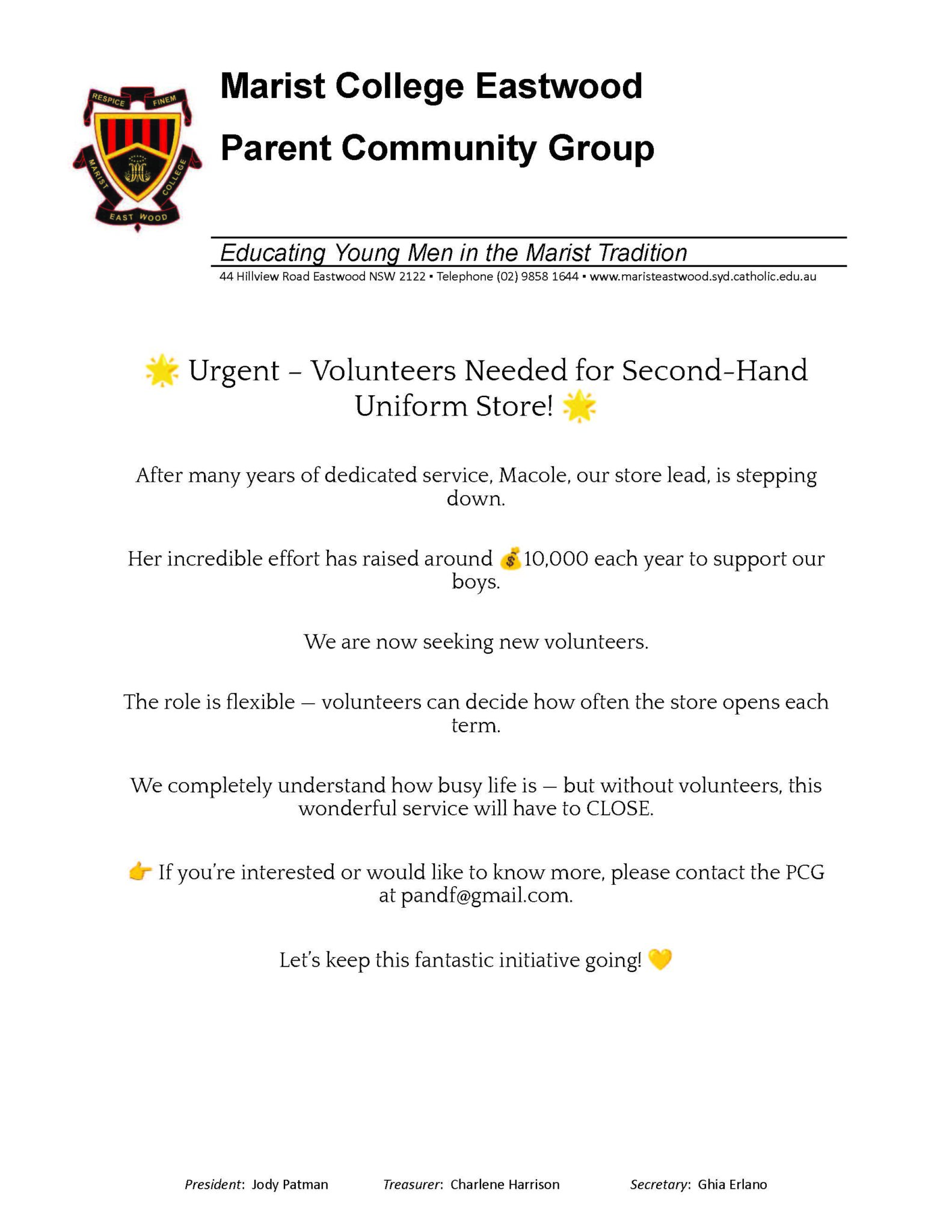
2nd Hand Uniform Shop next open – Wednesday, 10 December from 1.00pm-3.00pm (Week 9, Term 4).
For more information, please refer to Compass > Community tab (2 heads) > School Documentation > Parent Information and Forms > Uniform Price List & Second Hand Uniform Shop Information