Connect. Learn. Grow. Post Event Wrap
Integrated Advancement: Aligning Strategy, Teams and Leadership
The SA/NT Chapter of educate+ kicked off its 2026 professional development program with a dynamic session focused on one of the most critical drivers of Advancement success: aligned teams.
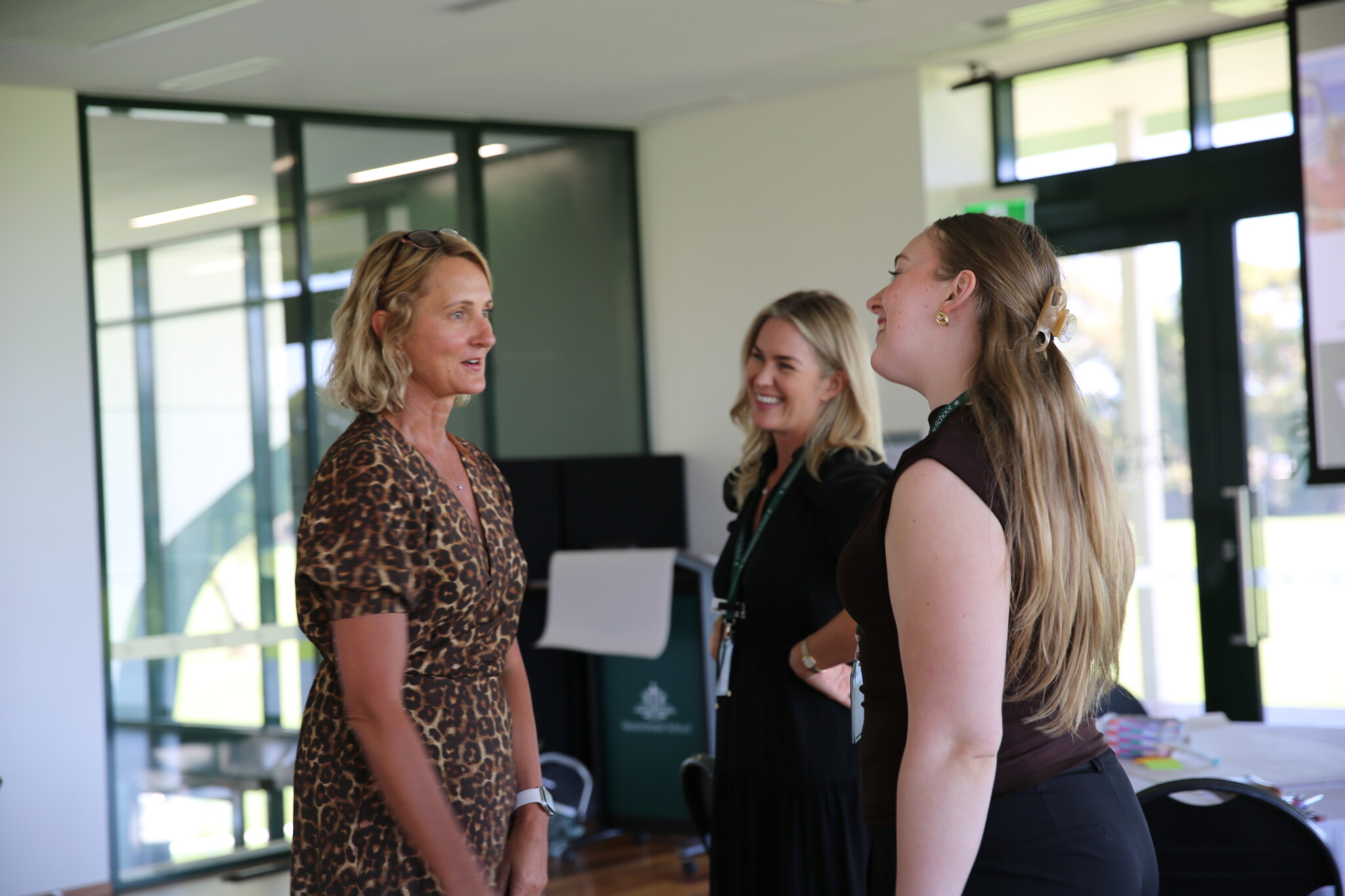
Held at Westminster School, members gathered for an engaging and practical discussion led by Sarah Sutter, exploring how schools can build high-performing teams that deliver meaningful outcomes across Advancement pillars and the broader institution.
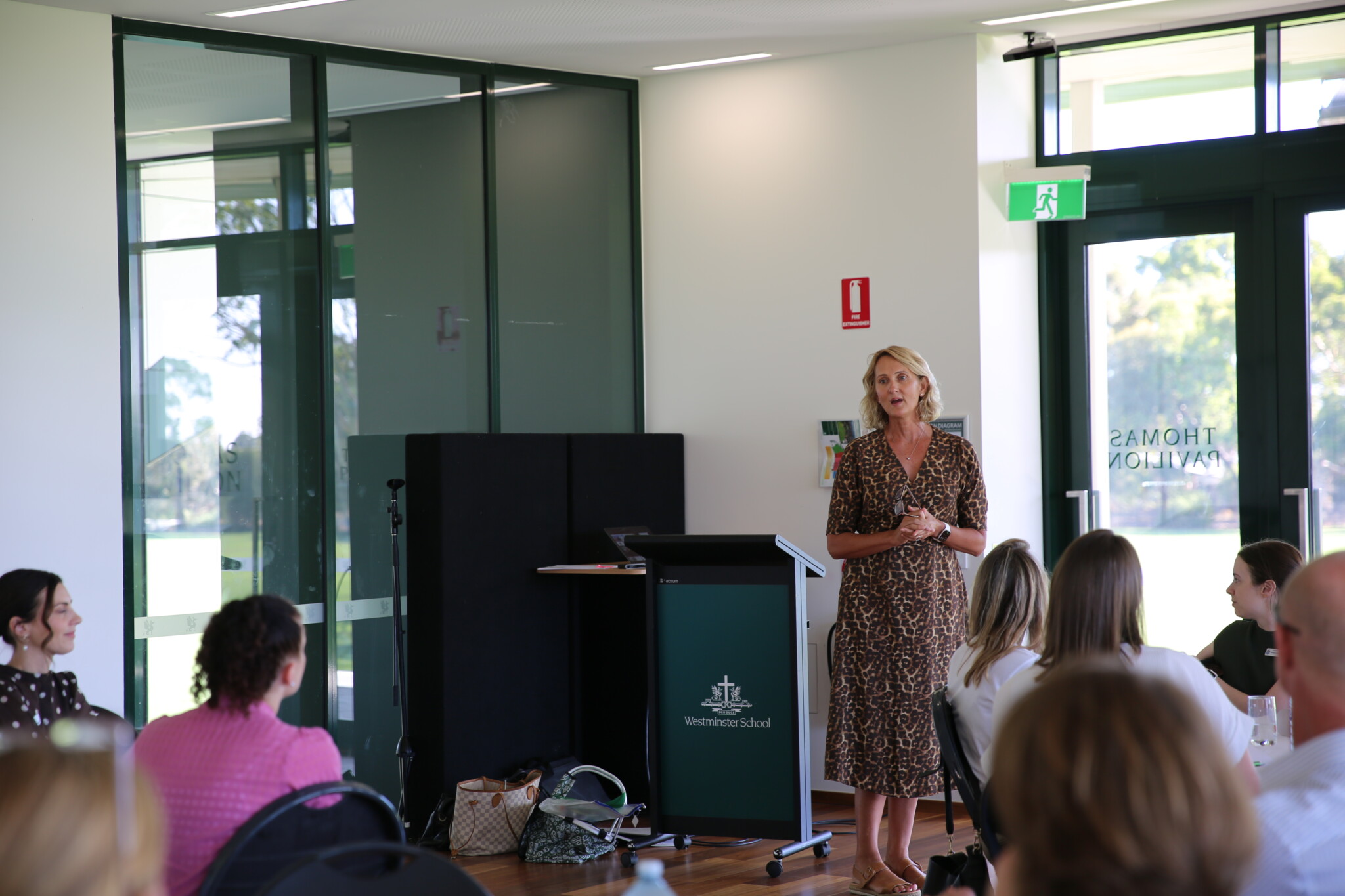
Sarah brought a unique perspective to the session, drawing on her background as a gold medallist in netball at the Commonwealth Games, as well as her experience working in high-performance environments including with Qantas and as the Chief Executive Officer of Nature Play SA.
At the heart of her leadership philosophy is a powerful piece of advice from her father, who recently passed away: “Everyone is different. Work out how to get the best out of them.”
This guiding principle shaped both her sporting and professional career and framed the discussion throughout the evening.
Drawing on these experiences, Sarah shared seven key elements that underpin high-performing teams.
- Clarity – The foundation of performance. Teams must clearly understand their purpose and how their work aligns with organisational strategy. In Advancement, this means marketing and communications, philanthropy, admissions, alumni and community engagement working towards shared goals and measurable KPIs.
- Trust – The environment that enables people to perform. Without trust across functions, silos quickly form. High-performing teams build trust through transparency, shared objectives and open communication.
- We, Not Me – Great teams understand that success is collective. They prioritise whole-school outcomes over individual portfolios, recognising that meaningful Advancement impact relies on collaboration.
- People Thriving – High-performing teams place the right people in the right roles and cultivate a mindset that supports growth, contribution and continuous improvement.
- Leadership – Leaders set the tone. Strong leadership requires a willingness to break down silos, encourage collaboration and lead the alignment conversations that keep teams focused on shared priorities.
- Accountability – While clarity establishes expectations, accountability sustains them. Shared KPIs and clear measures of success help ensure teams remain aligned and focused on outcomes.
- Fun and Energy – High-performing teams enjoy the journey. Positive energy strengthens culture, engagement and the reputation of the organisations they represent.
As part of the session, members participated in a collaborative exercise to identify which elements were most critical within their own institutions. The group explored two key questions: How would we know these elements are truly embedded in our teams? and What systems or structures are needed to support them?
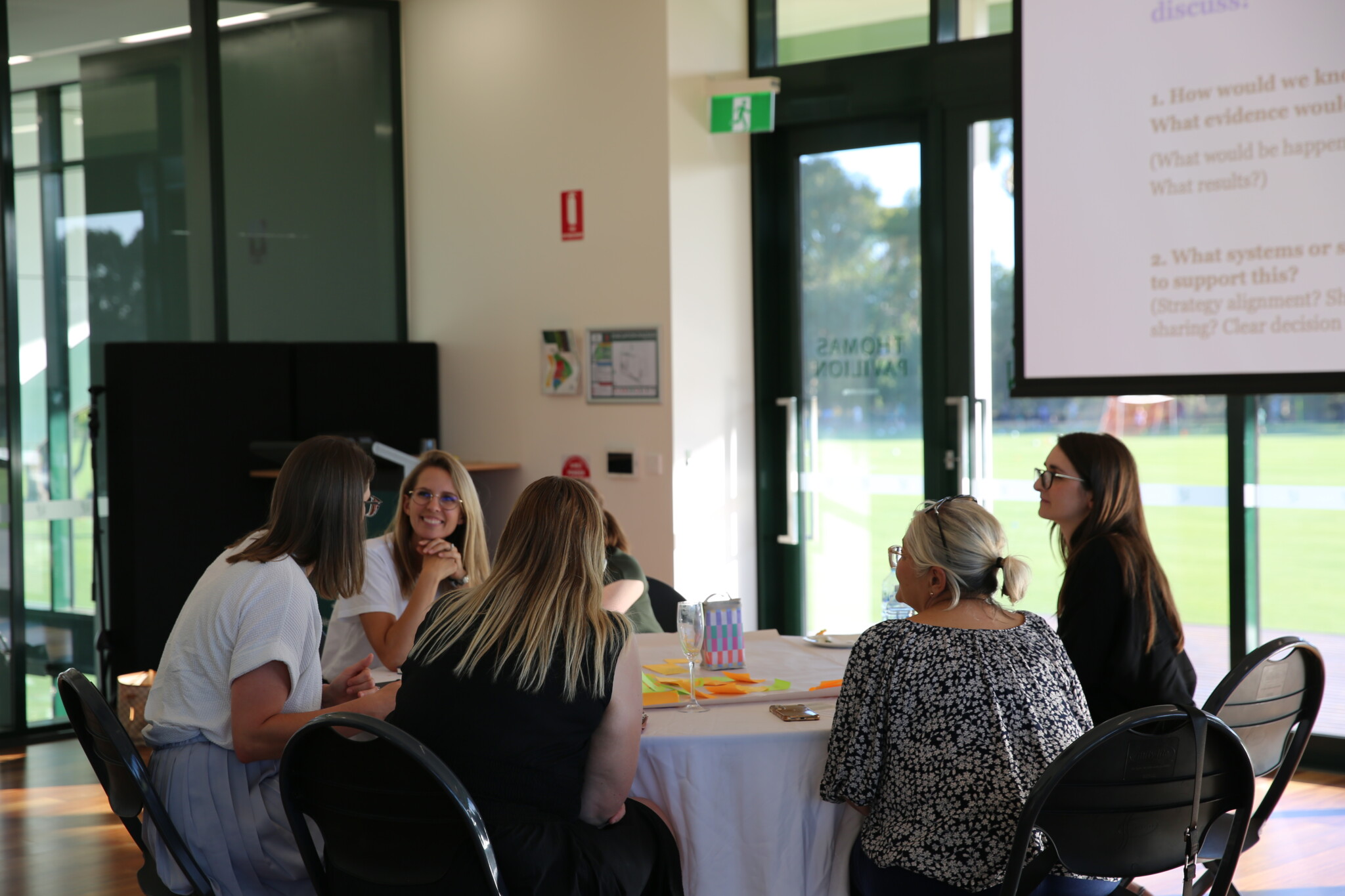
Across the room, Clarity, Trust and Leadership emerged as the three most important ingredients for building strong Advancement teams.
Participants reflected that clarity is evident when teams have a well-articulated strategy, clear direction and the confidence to make decisions seamlessly across functions.
Trust was described as creating a safe environment where team members feel confident to speak openly, take accountability, make mistakes and support one another when pressures arise.
Leadership was seen as the glue that brings teams together. Members spoke about the importance of visible, collaborative leadership that sets the right tone, builds relationships, encourages shared success and demonstrates empathy by understanding the perspectives and pressures faced by others.
The discussion reinforced a central insight from the evening: integrated advancement is not simply about organisational structure, but about shared purpose, aligned leadership and a culture where people work together toward common goals.
For SA/NT Chapter members, the session provided practical strategies and a valuable opportunity to reflect on how stronger alignment within their own institutions can ultimately deliver greater impact for the communities they serve. It also offered a welcome opportunity for members to connect with peers across the sector, reinforcing the importance of professional networks alongside ongoing professional development.